
If you’ve ever browsed through fitness equipment, you might have paused at the price tag of kettlebells and wondered, “Why are kettlebells so expensive?” It’s a question that puzzles many, especially when this seemingly simple piece of equipment is often priced higher than expected.
As someone keen on improving your fitness, you deserve to know where your money goes. What makes kettlebells different from other workout tools? Are they really worth the investment? By understanding the factors that drive their price, you can make informed decisions about your fitness investments.
Stick around, and you’ll discover the hidden secrets behind their cost, ultimately helping you decide if kettlebells are a wise addition to your exercise routine. Your journey to smarter fitness spending begins now.

Credit: www.amazon.com
Materials And Manufacturing
Kettlebells have gained popularity for their versatility and effectiveness in workouts, but their price can often be a sticking point for many fitness enthusiasts. Understanding the materials and manufacturing processes behind kettlebells can shed light on why they might be more costly than other types of workout equipment. Let’s dive into the specifics of what makes kettlebells a premium investment.
Quality Of Materials
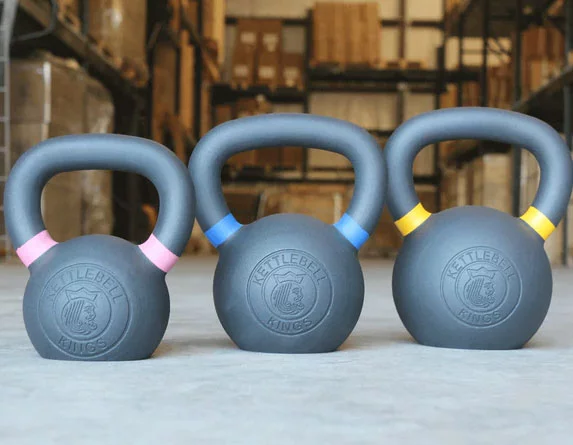
Kettlebells are typically made from high-grade cast iron or steel. These materials are not only durable but also ensure the weight is evenly distributed, which is crucial for safe and effective workouts. High-quality materials mean a longer lifespan for your kettlebell, but they also come with a higher price tag.
Consider the difference between a cast iron kettlebell and one made from cheaper materials. A lower-cost option may not withstand repeated use, leading to chipping or breaking. Investing in quality means you’re paying for reliability and safety, not just a weight to lift.
Manufacturing Process
The process of manufacturing kettlebells is more complex than it might appear. Each kettlebell is typically cast as a single piece to ensure structural integrity. This method requires precision and expertise, which adds to the cost.
Manufacturers also need to account for the finishing process. A smooth, even finish is important to prevent injury and ensure a comfortable grip. This requires additional steps such as grinding, polishing, and sometimes coating, all of which add to the manufacturing expense.
Have you ever noticed how some kettlebells feel more balanced in your hand than others? That’s not just luck—it’s the result of meticulous manufacturing processes that ensure each kettlebell meets specific weight and balance standards.
So, when you’re considering your next kettlebell purchase, think about the craftsmanship and materials that contribute to its price. Would you trust a cheaply made kettlebell with your safety during an intense workout?
Credit: kettlebellkrusher.com
Brand And Marketing
Kettlebells are costly due to their durable material and manufacturing process. High demand and shipping costs also contribute. Quality and brand reputation play key roles in pricing.
In the world of fitness, kettlebells are more than just a tool for exercise; they are a symbol of strength and endurance. But why do these weights often come with a hefty price tag? The answer often lies in brand and marketing. The perception of a brand and the strategies they use to market their kettlebells can significantly impact the cost.Reputation And Branding
A brand’s reputation plays a crucial role in determining the price of kettlebells. Well-known brands invest years in building trust and reliability among consumers. This reputation allows them to charge a premium for their products. Consider your favorite fitness brand. You trust their quality and durability because of their consistent branding efforts. This trust often justifies the extra dollars you spend on their kettlebells.Marketing Strategies
Marketing strategies are another factor contributing to the high cost of kettlebells. Companies employ various tactics to make their products more appealing. From influencer partnerships to targeted online ads, marketing efforts are designed to capture your attention. Have you ever bought a product just because you saw your favorite fitness influencer using it? That’s the power of effective marketing. Brands invest heavily in these strategies, which can drive up the price of their kettlebells. The next time you see an expensive kettlebell, think about the brand’s reputation and marketing strategies. Are these factors influencing your purchasing decision? Understanding these elements can help you make more informed choices.Distribution And Shipping
When you consider the cost of kettlebells, distribution and shipping play a significant role in their pricing. These hefty weights require careful handling and specialized logistics to ensure they reach retailers and customers intact. Understanding the distribution and shipping dynamics can give you a clearer picture of why kettlebells often carry a higher price tag.
Logistics Costs
Kettlebells are notorious for their weight and bulkiness, making logistics a costly affair. Transporting heavy goods demands more fuel, which drives up shipping expenses. Additionally, packaging must be robust to prevent damage, adding another layer of cost.
Think about the manpower involved. Workers must handle these weights carefully, often requiring additional equipment like forklifts. This extra effort translates into higher labor costs, which inevitably affect the final price you pay.
Impact Of Global Supply Chains
Global supply chains significantly influence the price of kettlebells. Many kettlebells are manufactured overseas, requiring long-distance shipping that can be disrupted by global events. Currency fluctuations can also play a part, impacting the cost of importing these weights.
Consider the last time you ordered something internationally. The waiting period and unexpected fees may have frustrated you. These same challenges affect kettlebell distribution, where delays and additional costs can spike prices unexpectedly.
Have you ever wondered how these factors impact your purchasing decision? Next time you see a kettlebell price tag, remember the journey it took to get there. Understanding the behind-the-scenes logistics can provide valuable insight into the investment you’re making.
Design And Innovation
High-quality materials and precise manufacturing make kettlebells costly. Their durability and effectiveness in workouts increase demand.
The design and innovation behind kettlebells contribute to their higher price. Each kettlebell is crafted with precision, balancing aesthetics and functionality. Manufacturers invest heavily in creating unique designs that enhance performance and durability.Unique Features
Kettlebells offer distinctive features. Their ergonomic handles provide a comfortable grip. This reduces strain during workouts. The compact shape allows versatile movements. High-quality materials ensure longevity and reliability. These features make kettlebells stand out from other fitness equipment.Product Development
The product development process is extensive. It involves rigorous testing to ensure safety. Engineers work on refining the design for optimal performance. Advanced techniques are used to manufacture durable kettlebells. This meticulous development process adds to the cost. Investing in innovative designs and top materials raises their price.Market Demand And Trends
The cost of kettlebells often surprises many fitness enthusiasts. Their price reflects both market demand and prevailing trends. Understanding these factors helps explain why kettlebells are so expensive.
Popularity In Fitness
Kettlebells have gained immense popularity in recent years. Fitness experts praise their versatility. They suit strength training and cardio alike. This multi-functionality drives demand. As more people embrace home workouts, kettlebells become a staple. With rising interest, suppliers can charge more.
Influence Of Trends
Fitness trends significantly impact kettlebell prices. Social media plays a huge role. Influencers often showcase kettlebell workouts. This exposure increases public interest. Limited edition releases and branded kettlebells add to the allure. These factors contribute to higher costs.
Economic Factors
Rising material costs and increased demand make kettlebells expensive. Manufacturing and shipping also add to the high price.
Economic factors play a crucial role in determining the price of kettlebells. These factors encompass various elements, including inflation, production costs, and global economic conditions. Understanding these economic elements can help explain why kettlebells may be priced higher than other fitness equipment.Inflation And Costs
Inflation directly affects the price of materials used to make kettlebells. When inflation rises, the cost of raw materials like iron and steel increases. Manufacturers must spend more to acquire these materials, leading to higher production costs. The transportation of these heavy materials also becomes more expensive due to inflation, adding to the overall cost. Labor costs are another factor impacted by inflation. As wages increase, manufacturers must pay more to workers involved in the production process. This rise in labor expenses contributes to the final retail price. Energy costs, which are essential for manufacturing, also go up with inflation, further affecting the cost structure.Economic Impact On Pricing
Global economic conditions influence kettlebell pricing significantly. Economic downturns or financial crises can disrupt supply chains. This disruption can lead to shortages in materials, making production more costly. Companies may need to source materials from alternative suppliers, often at higher prices. Exchange rates also play a role in pricing. Fluctuations in currency values affect import and export costs. If the currency weakens, importing materials becomes more expensive, driving up production costs. Companies may pass these increased costs onto consumers, resulting in higher prices for kettlebells. Consumer demand shifts due to economic conditions. During prosperous times, demand for fitness equipment tends to rise. Manufacturers may increase prices in response to higher demand. Conversely, in economic slumps, companies might maintain higher prices to cover increased costs despite lower demand.Comparing Alternatives
Kettlebells are costly due to their durable materials and manufacturing process. Quality steel and precise shaping increase production expenses. Additionally, specialized coatings add to their longevity, justifying the higher price.
Comparing Alternatives Kettlebells are notorious for their hefty price tags, leaving many fitness enthusiasts wondering if they’re worth the investment. Before you hand over your hard-earned cash, it’s vital to weigh the options available. Are kettlebells truly the gold standard for your home gym, or can other equipment deliver similar results at a fraction of the cost?Cost Vs. Value
Price is often the first thing you notice when shopping for kettlebells. But what about the value they bring to your workouts? Kettlebells offer versatility, allowing you to perform various exercises like swings, presses, and squats with one piece of equipment. This multifunctionality can save money in the long run, as opposed to buying multiple single-purpose items. Think about durability as well. Quality kettlebells are built to last, enduring countless workouts without losing their shape or functionality. So, while the initial investment may be steep, the long-term value can outweigh the cost.Other Fitness Equipment
If kettlebells seem out of reach, consider alternatives that offer similar benefits. Dumbbells are a popular choice, providing a range of weights for progressive resistance training. They’re generally more affordable and can be found in most gyms and home setups. Resistance bands are another budget-friendly option. They’re lightweight, portable, and perfect for adding resistance to bodyweight exercises. While they don’t offer the same weight-based training as kettlebells, they can enhance your workouts in unique ways. Have you ever tried using a medicine ball? It’s another versatile tool, great for strength and cardio exercises alike. While not identical to kettlebells, it can complement your routine effectively. Which equipment best aligns with your fitness goals and budget? Consider trying a mix to see what fits your style without breaking the bank.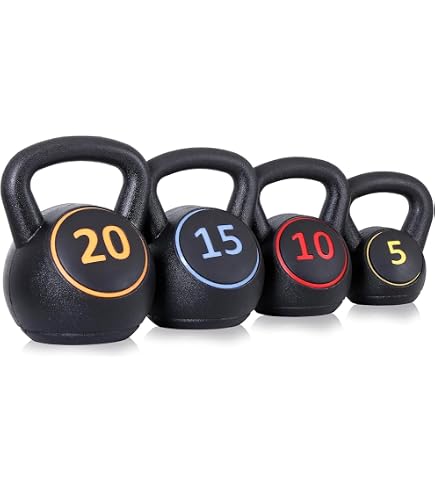
Credit: www.amazon.com
Frequently Asked Questions
Why Are Kettlebells Expensive?
Kettlebells are expensive due to high-quality materials, manufacturing costs, and durability. They offer versatile workouts, justifying their price. Demand for functional fitness equipment also influences cost. Investing in kettlebells can enhance strength training, making them a valuable addition to any home gym.
Is It Worth Buying A Kettlebell?
Buying a kettlebell is worth it for versatile workouts. It enhances strength, flexibility, and cardiovascular health. Kettlebells are compact, making them ideal for home gyms. They suit all fitness levels and support various exercises. Investing in one can elevate your fitness routine efficiently.
What Are The Downsides Of Kettlebells?
Kettlebells can cause injuries if not used properly. Poor form leads to strain on muscles and joints. They may be challenging for beginners without guidance. Kettlebells require space for safe movement, and incorrect weight selection might hinder progress. Always ensure proper technique and choose the right weight for effective workouts.
Are Kettlebells Actually Effective?
Kettlebells are effective for enhancing strength, endurance, and flexibility. They offer versatile workouts, targeting multiple muscle groups. Using kettlebells can improve cardiovascular health and burn calories efficiently. Incorporating them into your routine can lead to noticeable fitness gains. Regular use helps build a well-rounded, functional fitness foundation.
Conclusion
Kettlebells cost more due to their durable materials and design. Crafting quality equipment requires investment. This ensures a safe workout experience. The production process involves precision and craftsmanship. Demand for kettlebells has risen, affecting prices. They offer versatile workouts, which adds value.
Investing in kettlebells can benefit your fitness journey. Consider them a long-term investment. Choose wisely based on your needs and budget. Quality often comes at a price, but it lasts longer. Understanding these factors can help make informed decisions. Make sure your purchase aligns with your fitness goals.