
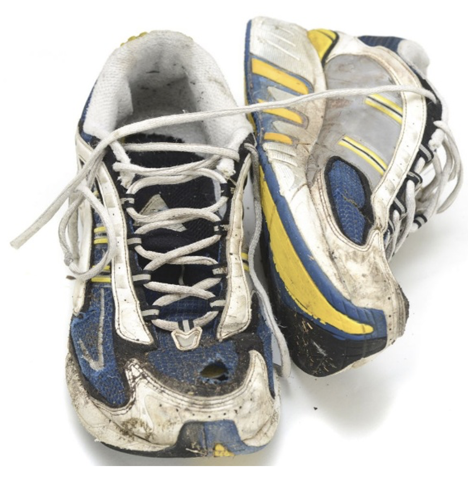
Your tennis shoes are more than just footwear. They’re your silent partners on the court, absorbing impact, providing grip, and supporting every swift move you make.
But how do you know when it’s time to retire your trusty pair? Waiting too long can affect your performance and even risk injury. Picture this: you’re in the middle of an intense match, and your shoes give out. That’s not just frustrating—it’s avoidable.
By recognizing the subtle signs that your tennis shoes are past their prime, you can maintain peak performance and comfort. Curious about how to keep your game strong and your feet happy? Read on to discover the telltale signs that it’s time for a new pair and ensure you’re always playing at your best.
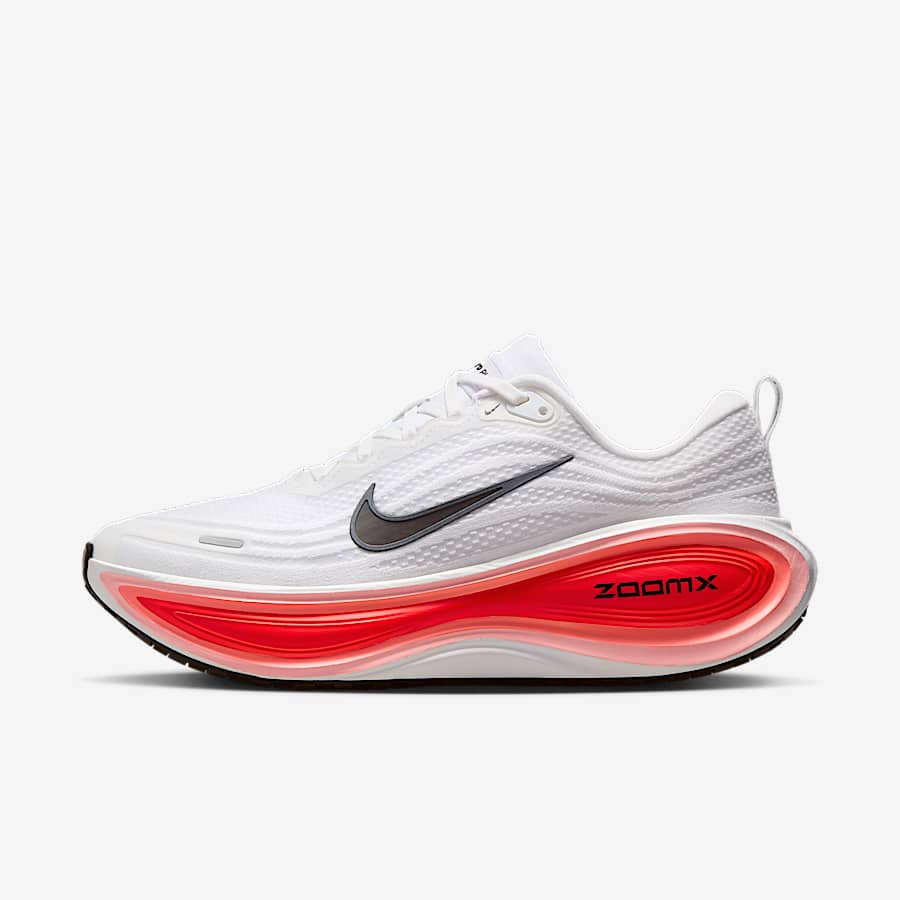
Credit: www.nike.com
Signs Of Wear And Tear
Tennis shoes don’t last forever. Over time, they show signs of wear and tear. These signs help you know when it’s time for a replacement. Look for changes in the shoe’s structure and feel during play.
Sole Deterioration
The sole of your tennis shoe is vital. It provides grip and stability on the court. Check for worn-down tread patterns. A smooth sole can’t grip the surface well. Slipping during a game means less control. Inspect for cracks or holes in the sole. These indicate the shoe’s life is nearing its end.
Loss Of Cushioning
Cushioning absorbs impact and protects your feet. Test how your shoes feel when you walk or run. If they feel flat, they lack cushioning. Press the midsole with your fingers. A firm midsole suggests loss of shock absorption. This can lead to discomfort and foot pain.
Visible Creases And Tears
Examine the upper part of your shoes. Look for creases and tears. These signs show the shoe’s material is weakening. Creases can affect the shoe’s fit and support. Tears expose your foot and reduce protection. Check the seams and stitching for gaps or fraying. This means the shoe is less durable.
Impact On Performance
Worn-out tennis shoes can hinder your game. Fresh shoes provide better grip, comfort, and support, boosting performance. Regularly check your shoes for signs of wear and replace them as needed to maintain optimal play.
The performance of tennis shoes can decline over time. Worn-out shoes affect your game in many ways. They can lead to decreased traction, reduced stability, and increased risk of injury. Knowing when to replace them is crucial for maintaining optimal performance.Decreased Traction
Tennis shoes lose grip as they wear out. The sole becomes smooth. This makes sudden movements difficult. You might slip during fast turns. Poor traction affects your balance and speed. It can hinder your performance on the court. Check the sole regularly for signs of wear.Reduced Stability
Worn shoes offer less support. The cushioning breaks down. This leads to reduced stability. Your foot can move inside the shoe. This affects your stance and control. A stable shoe keeps your foot secure. It helps maintain your posture. Inspect the cushioning to ensure proper support.Increased Risk Of Injury
Old shoes increase injury risk. Lack of support strains your feet. You might face ankle twists. The sole might not protect from hard impacts. Injuries can sideline you for weeks. New shoes reduce these risks. They provide better shock absorption. They help keep you safe during matches.Frequency Of Usage
Tennis shoes are a crucial part of your game. Their lifespan largely depends on how often you use them. Frequent use can wear them out faster, affecting your performance. Understanding the usage frequency helps you determine when it’s time for a replacement.
Casual Players Vs. Regular Players
Casual players might hit the court a few times a month. Their shoes often last longer. These players may only need a new pair once a year. Regular players, playing weekly or daily, face different challenges. Their shoes endure more wear and tear. Frequent use means they might need new shoes every few months.
Indoor Vs. Outdoor Use
Indoor courts offer a smoother, controlled surface. Shoes last longer indoors. They face less rough terrain. Outdoor courts present different conditions. Dust, dirt, and uneven surfaces increase wear. Shoes used outdoors may need replacing sooner. Consider your playing environment when assessing shoe durability.
Material Longevity
Tennis shoes should be replaced when they lose support or show visible signs of wear. Frequent players should consider replacement every six months. Regular checks for comfort and sole condition can help determine the right time for new shoes.
Understanding when to replace tennis shoes can save you from discomfort. Material longevity plays a crucial role in determining shoe lifespan. Different materials wear out at different rates. Knowing about these materials helps you make better choices.Synthetic Materials
Synthetic materials like polyester and nylon are common in tennis shoes. These materials are lightweight and durable. They resist moisture and dry quickly. Yet, they can wear out due to constant use. Check for signs of fraying or loss of elasticity. If the shoe feels loose or the fabric looks worn, it’s time to replace them.Natural Materials
Natural materials include leather and cotton. Leather offers breathability and strength. It molds to your foot shape over time. But, it can stretch and lose support. Cotton, often used in linings, provides comfort. It absorbs sweat but can degrade faster. Watch for cracks in leather or thinning cotton. These indicate the need for a new pair.Maintenance And Care
Proper maintenance and care extend the life of tennis shoes. Regular cleaning and correct storage prevent wear and tear. This ensures shoes remain comfortable and effective during matches. Let’s explore some tips for maintaining and caring for tennis shoes.
Proper Cleaning
Cleaning tennis shoes is vital for their longevity. Use a soft brush to remove dirt and debris. A mild soap solution cleans surface stains effectively. Avoid using harsh chemicals, which can damage the material. After washing, air-dry shoes at room temperature. Direct sunlight or heat sources can warp their shape.
Storage Tips
Proper storage protects tennis shoes from damage. Store them in a cool, dry place. Avoid damp areas, which cause mold and mildew. Keep shoes in a breathable bag to prevent odors. For maintaining shape, use shoe trees or stuff them with newspaper. This prevents creasing and retains their form.
When To Consider Replacement
Tennis shoes need replacement when soles wear thin or provide less grip. Discomfort or pain indicates it’s time for new shoes. Observing damage or loss of support ensures optimal performance and foot health.
Knowing when to replace your tennis shoes can enhance your performance and prevent injuries. Old or worn-out shoes might not provide the necessary support, leading to discomfort or even injury. Understanding the signs of wear and knowing when to get new shoes is crucial for both casual players and professionals.Professional Recommendations
Experts suggest replacing tennis shoes every 300 to 500 miles. This range can vary depending on your playing style and the surfaces you play on. If you frequently play on hard courts, your shoes might wear out faster. Regularly checking in with your local sports store for advice can be helpful. Sales associates often know the latest trends and wear patterns. Rely on their expertise to guide your decision.Personal Comfort And Fit
Your comfort is a strong indicator of when to replace your shoes. If your feet start to feel sore or your shoes don’t fit as snugly as they used to, it might be time for a new pair. Think about how your shoes feel during a game. Do you find yourself adjusting them more often? This could be a sign they’re losing their shape. Consider your past experiences. Have you noticed any pain or discomfort after games? Addressing these issues early can prevent bigger problems down the line.Choosing New Tennis Shoes
Worn-out soles, faded grip, or discomfort signal it’s time for new tennis shoes. Frequent players should check shoes every few months. Proper footwear ensures better performance and reduces injury risk.
Choosing new tennis shoes is more than just picking the right size. It’s about finding the perfect match that enhances your game and supports your feet. As your old pair starts to show signs of wear, you’ll want to consider several factors before purchasing a new pair. Are you ready to elevate your performance and comfort on the court?Fit And Comfort
Your tennis shoes should feel like an extension of your body. A snug fit is crucial, but it shouldn’t pinch or squeeze. Imagine slipping your foot into a shoe that feels like it was custom-made for you. That’s the level of comfort you should aim for. Visit a store and try different brands, as they often vary in fit. Walk around, jump, and mimic your tennis moves to test them out. Remember, your feet swell during play, so ensure there’s a little extra room without compromising the snugness.Durability And Features
Durability is key in tennis shoes, especially if you’re a frequent player. A shoe that wears out quickly can impact your game. Look for shoes with reinforced toe caps and sturdy soles. Consider the court type you usually play on. Hard courts demand shoes with robust soles, while clay courts require shoes with specific grip patterns. Additionally, assess features like breathability and weight. A lightweight shoe with excellent ventilation can keep your feet cool and comfortable during intense matches. Have you ever had a shoe that lasted just a few months? Opt for quality materials and construction to ensure your new pair stands the test of time. Choose wisely, and your feet will thank you.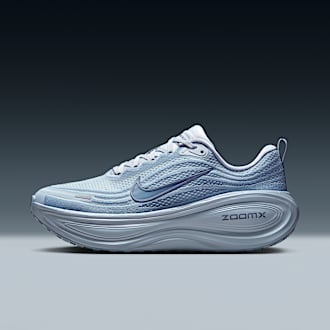
Credit: www.nike.com

Credit: mizuno.com.au
Frequently Asked Questions
What Is The Lifespan Of A Tennis Shoe?
Tennis shoes typically last 300 to 500 miles, depending on usage and quality. Regular players may need replacements every six months. Proper care extends their lifespan. Check for worn-out soles and reduced support to ensure optimal performance. Select quality brands for durability and comfort.
How Often Should Sneakers Be Replaced?
Sneakers should be replaced every 300-500 miles for optimal performance. Check for signs of wear like worn-out soles or reduced cushioning. Regular replacement helps maintain foot health and comfort during activities. Keep track of usage to ensure timely replacement and prevent potential injuries.
How Do You Know When Your Tennis Shoes Are Worn Out?
Check for worn treads, reduced cushioning, discomfort, or visible damage. Frequent use accelerates wear and tear. Replace shoes every 300-500 miles for optimal performance and foot health.
How Long Do Tennis Shoes Normally Last?
Tennis shoes usually last between 6 to 12 months with regular use. Durability depends on playing frequency and surface type. Frequent players may need replacements sooner. Inspect wear patterns and cushioning to gauge lifespan. Proper care extends their longevity.
Conclusion
Replacing tennis shoes at the right time matters. Worn-out shoes can harm your feet. Look for signs like worn soles and discomfort. Regular checks help in knowing when to replace. Fresh shoes improve performance and safety. Invest in quality for better support.
Keep an eye on mileage for active players. Comfort and durability count in choosing new pairs. Prioritize your foot health and play with confidence. Make smart decisions for your sports gear. Remember, good shoes enhance your experience on the court.
Stay proactive and enjoy your game with fresh, reliable footwear.