
Are you curious about the dimensions of a boxing ring? Whether you’re a budding boxer, a passionate fan, or just intrigued by the sport, understanding the size of a boxing ring is fundamental.
You might think it’s just a square with some ropes, but there’s more to it than meets the eye. The size of a boxing ring can influence the pace and style of a fight, impacting both strategy and excitement. By the end of this article, you’ll have a clear picture of why these measurements matter and how they can affect your experience, whether you’re in the ring or cheering from the sidelines.
Dive in, and let’s unravel the secrets behind those ropes together!
Boxing Ring Dimensions
A standard boxing ring measures 20 feet by 20 feet inside the ropes, providing ample space for fighters. The entire structure typically spans 24 feet by 24 feet, including the apron surrounding the ring.
Boxing rings are a unique blend of tradition and practicality, serving as the stage for intense battles and athletic prowess. Understanding the dimensions of a boxing ring is essential not only for athletes but also for fans who want to appreciate the sport fully. Whether you’re a budding boxer or a curious observer, knowing the specifics can enhance your appreciation for the strategic choreography within those ropes.Standard Sizes
The standard size for a boxing ring might surprise you with its variability. Generally, a professional boxing ring measures between 16 to 20 feet square inside the ropes. This measurement excludes the apron, which is the outer part of the ring that extends beyond the ropes. Why the variation? The size impacts movement and strategy. A larger ring gives boxers more room to maneuver, favoring those with agile footwork and defensive tactics. Smaller rings, on the other hand, encourage close-range combat and quick exchanges. This diversity in size allows different styles and strategies to flourish, making each match distinct. Consider how a fighter’s style might shift depending on the ring size—what would you prefer, space to dance or a confined area to slug it out?Variations By Organization
Boxing organizations often have their own specific dimensions for rings, reflecting their unique rules and style preferences. For instance: – International Boxing Federation (IBF): Typically uses rings that are 20 feet square. – World Boxing Association (WBA): Prefers rings measuring 16 to 20 feet square. These variations are not arbitrary. They cater to the organization’s focus on fairness and adaptability. A uniform size may sound ideal, but it’s the differences that add flavor to the sport. Imagine watching matches governed by different organizations. The physical dimensions of the ring could change the pace and strategy of the fight dramatically. Would you notice the subtle shifts in technique when a fighter adapts from a larger ring to a smaller one? In the world of boxing, the ring is more than just a platform—it’s a dynamic arena that influences the very nature of the bout. Understanding these dimensions adds depth to your viewing experience.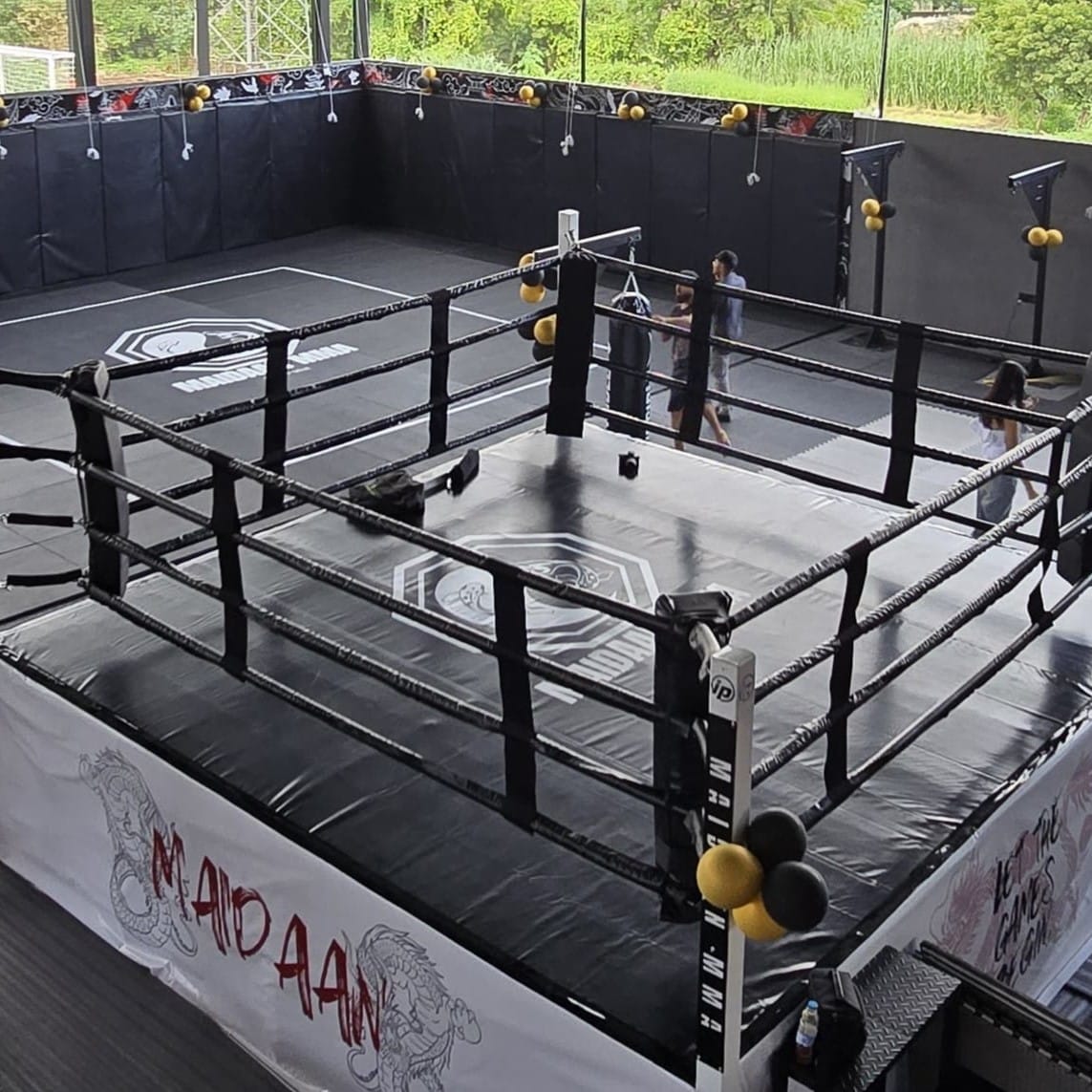
Credit: interiusperformance.com
Construction Materials
Boxing rings typically measure 16 to 24 feet on each side, providing enough space for fighters to move. The size varies based on the type of competition and governing body regulations. Adequate space ensures safety and fair play during matches.
In the world of boxing, the ring’s construction materials play a crucial role. They ensure safety and provide the right environment for the fighters. Each component, from the flooring to the ropes, contributes to the overall functionality. A well-constructed ring can make all the difference in a bout.Flooring
The flooring is the base of a boxing ring. It must be sturdy and supportive. Typically, wood is used due to its durability. A thick foam layer is placed on top of the wood. This foam absorbs impact and reduces injury risks. The final layer is the canvas. It covers the foam and provides a smooth surface. The canvas should be taut to prevent tripping.Ropes And Corner Pads
Ropes outline the ring, defining its boundaries. They are usually made of thick, durable material. The ropes are wrapped in soft padding. This padding protects fighters during falls. Corner pads are installed at each corner of the ring. They cushion the fighters when they are pushed against the ropes. Corner pads are crucial for safety during intense moments. Together, ropes and pads ensure the ring is a secure space.Historical Evolution
The boxing ring has witnessed a fascinating transformation over the years. Its evolution reflects the changing nature of the sport and its growing popularity. Understanding this history helps appreciate how the boxing ring became what it is today.
Early Boxing Rings
In the early days, boxing lacked structured regulations. Fighters often competed in open spaces, surrounded by a crowd. These informal settings were chaotic and lacked safety measures. The introduction of roped-off areas marked a shift towards more organized matches. These early rings were often square or circular, with a simple rope barrier.
As the sport gained popularity, the need for standardization grew. In the mid-19th century, the London Prize Ring Rules were established. They formalized many aspects of boxing, including the size and shape of the ring. This era saw the introduction of the square ring with corner posts, which laid the groundwork for future developments.
Modern Developments
Modern boxing rings are a product of continuous improvement. The Marquess of Queensberry Rules, introduced in 1867, brought significant changes. These rules set the standard ring size at 24 feet square, though it could vary. The focus shifted to fighter safety and fair competition.
Today, professional boxing rings typically range from 16 to 20 feet on each side. This size provides enough space for movement and strategy, enhancing the spectacle. The ring now includes padded corners and ropes for added safety. These developments reflect the sport’s ongoing commitment to safety and fairness.
Regulatory Standards
Boxing ring sizes adhere to specific regulatory standards. Typically, the ring measures between 16 to 20 feet square. These dimensions ensure fair play and safety for boxers during matches.
Understanding the regulatory standards for boxing rings is essential for anyone involved in the sport, whether as a participant, coach, or enthusiast. These standards ensure safety and fairness, making sure each match is conducted under uniform conditions. But have you ever wondered how these dimensions are decided and who sets them?International Guidelines
Internationally, boxing rings are typically governed by standards set by major organizations like the International Boxing Association (AIBA) or the World Boxing Council (WBC). These organizations usually require a square ring measuring between 16 and 20 feet on each side. The height of the ring apron from the ground is also standardized, often ranging from 3 to 4 feet. This ensures that all boxers compete on a level playing field, regardless of where they are in the world. Have you ever considered how a few extra feet in size might change a match’s strategy?Local Regulations
While international bodies set overarching guidelines, local boxing commissions have the authority to impose additional requirements. In some regions, you might find rings that are slightly larger or smaller based on local preferences or logistical constraints. These local adaptations can influence the style of boxing prevalent in a region. For instance, a smaller ring might favor a more aggressive, close-combat style. It’s fascinating to think how local cultures and regulations shape the sport you enjoy watching. Understanding these regulatory standards not only enriches your appreciation of the sport but also equips you with the knowledge to engage more deeply with it. Whether you’re setting up a ring for training or just curious about the sport’s nuances, knowing these details can make a significant difference.Purpose And Function
A standard boxing ring measures 16 to 20 feet on each side. This size ensures fair play and safety. It provides enough space for fighters to move and strategize during a match.
The size of a boxing ring isn’t just about measurements; it’s about creating a space where athletes can perform at their best while ensuring their safety. The ring’s dimensions are carefully designed to balance these dual purposes. You might wonder why a ring isn’t round—it’s because the square shape offers corners, which become strategic points during a match.Safety Considerations
Safety is a paramount concern in boxing. The standard size of a boxing ring typically ranges from 16 to 24 feet square, measured from the inside of the ropes. This size ensures that boxers have enough space to move and maneuver, reducing the risk of accidental collisions with the ropes or each other. The space also allows referees to have a clear view of the fighters, which is crucial for stopping the fight if necessary. Padding under the canvas and around the ropes is essential to absorb impact, protecting fighters from injuries. Have you ever noticed how the ropes can sometimes act as a shield, catching fighters when they are knocked back?Impact On Performance
The size of the ring can significantly influence a boxer’s performance. A larger ring offers more room for strategic movement, favoring fighters who rely on footwork and speed. This can lead to a more dynamic and engaging match, as boxers use the space to their advantage. On the other hand, a smaller ring might benefit fighters who prefer close-range combat, as it limits their opponent’s ability to evade. Think about how the ring size can shift the balance of power—does it make you reconsider the strategies behind a fighter’s win? The boxing ring isn’t just a stage; it’s an integral part of the sport’s strategy and safety. Understanding its purpose and function gives you a deeper appreciation for the thought and care that goes into every match.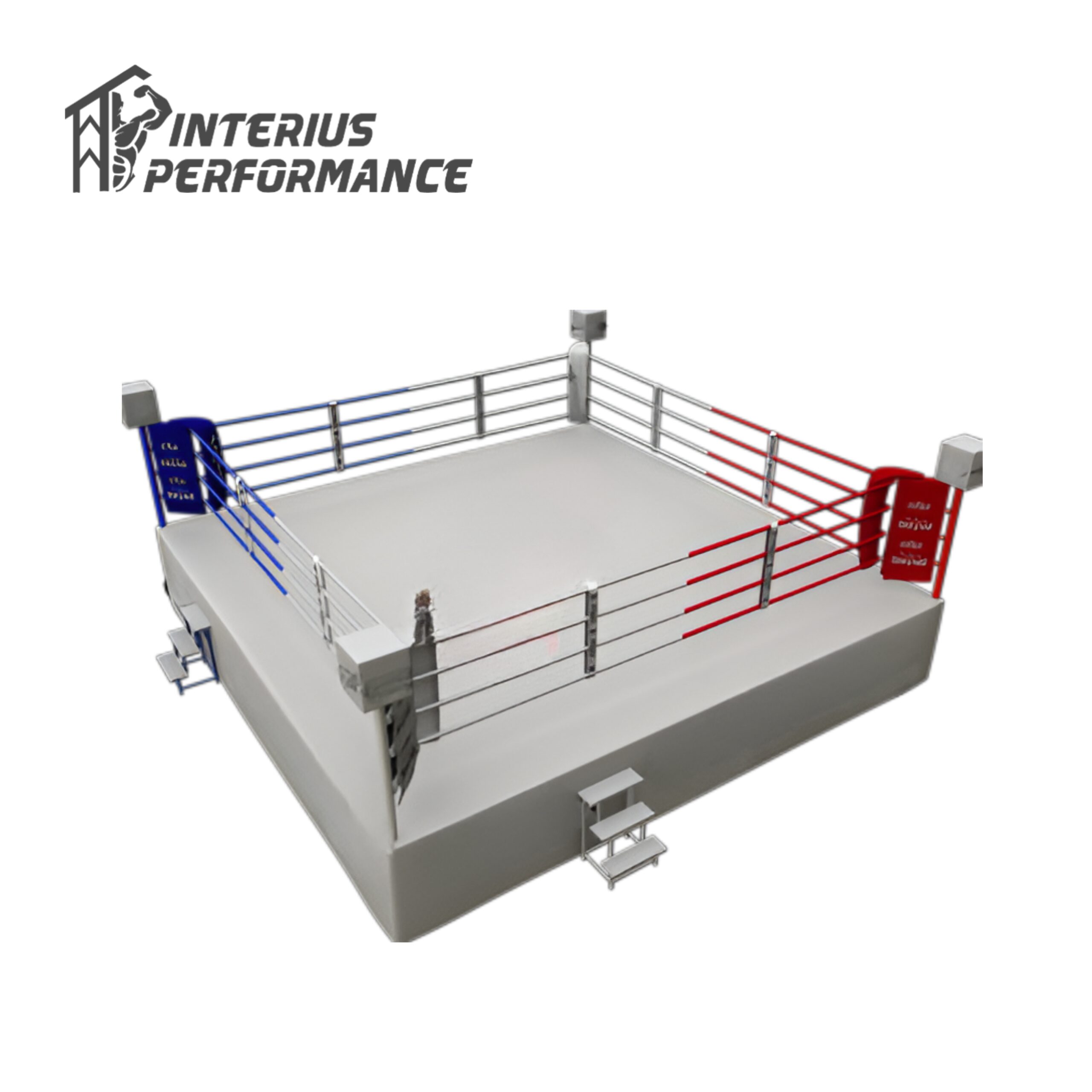
Credit: interiusperformance.com
Popular Boxing Events
Popular boxing events have a magical way of bringing people together, creating unforgettable experiences in the world of sports. These events are celebrated not just for the fierce competition but also for the grand venues and unforgettable matches that leave a lasting impression on fans. Whether you’re a seasoned boxing enthusiast or a casual observer, understanding the size of boxing rings in these events can enhance your appreciation of the sport.
Iconic Venues
Some of the most iconic boxing events are held in legendary venues that add to the excitement and prestige. Madison Square Garden in New York is one such venue, often referred to as the ‘Mecca of Boxing.’ Its historic atmosphere amplifies the energy, making every punch more thrilling.
The MGM Grand in Las Vegas is another venue synonymous with major boxing events. Hosting countless championship bouts, this venue’s grandeur and association with high-stakes matches make it a favorite among fans and fighters alike.
Have you ever attended a fight at one of these venues? The sheer size of the ring in these grand arenas can make the bouts feel larger-than-life, elevating the experience beyond the ordinary.
Memorable Matches
Memorable matches are often defined not just by the fighters but by the atmosphere in which they take place. The size of the boxing ring plays a crucial role in shaping these epic battles. Ali vs. Frazier at Madison Square Garden, known as the ‘Fight of the Century,’ is a perfect example.
In these legendary matches, the ring dimensions influence strategy. A larger ring can favor fighters who rely on movement and agility, while a smaller ring might benefit those who thrive on close combat.
When watching such matches, consider how the ring size impacts the dynamics. Could a different ring size have changed the outcome? This thought adds another layer to your viewing experience, making it richer and more engaging.
Credit: interiusperformance.com
Frequently Asked Questions
Is There A Standard Size For A Boxing Ring?
Yes, a standard boxing ring measures between 16 to 24 feet square inside the ropes. It includes an additional two feet outside the ropes for safety. This size varies depending on the sanctioning body and level of competition. Proper dimensions ensure fair play and athlete safety.
What Size Is The Olympic Boxing Ring?
The Olympic boxing ring measures 6. 1 meters by 6. 1 meters. It features a canvas-covered platform. The ring is surrounded by four ropes on each side, ensuring safety during matches. Ringside areas are padded for additional protection. This standard ensures fair play and athlete safety during competitions.
What Size Rope Is A Boxing Ring?
Boxing ring ropes are usually 1 to 1. 5 inches thick. They provide safety and support during matches. Rings typically have four ropes, spaced evenly, ensuring a secure environment for fighters.
How Many Feet Is A Boxing Ring?
A standard boxing ring measures 20 feet by 20 feet inside the ropes. The platform extends 2 feet beyond the ropes, totaling 24 feet square. Sizes may vary slightly for amateur or professional matches, but 20 feet is widely accepted.
Ensure adequate space for movement and safety during bouts.
Conclusion
Boxing rings come in various sizes, impacting the sport’s dynamics. Most professional rings measure between 16 to 24 feet. The ring’s size influences movement, strategy, and fighting style. Bigger rings allow more maneuvering, while smaller ones encourage close combat. Understanding ring size helps fans appreciate matches better.
It adds depth to the excitement of boxing. Knowing these details enhances viewing experiences and enriches the sport’s fascination. Whether large or small, every ring size contributes uniquely to the boxing spectacle. This knowledge provides a richer perspective on this thrilling sport.