
Imagine standing on a lush, green course, feeling the thrill of the game as you prepare to swing. What you hold in your hand is more than just a tool—it’s your gateway to mastering the sport of golf.
But what exactly is a golf club, and how does it enhance your game? Understanding the basics of a golf club can transform your experience on the course. You’re about to discover why these seemingly simple instruments hold the key to improving your skills and boosting your confidence.
Dive into the world of golf clubs, and learn how they can elevate your game to new heights.
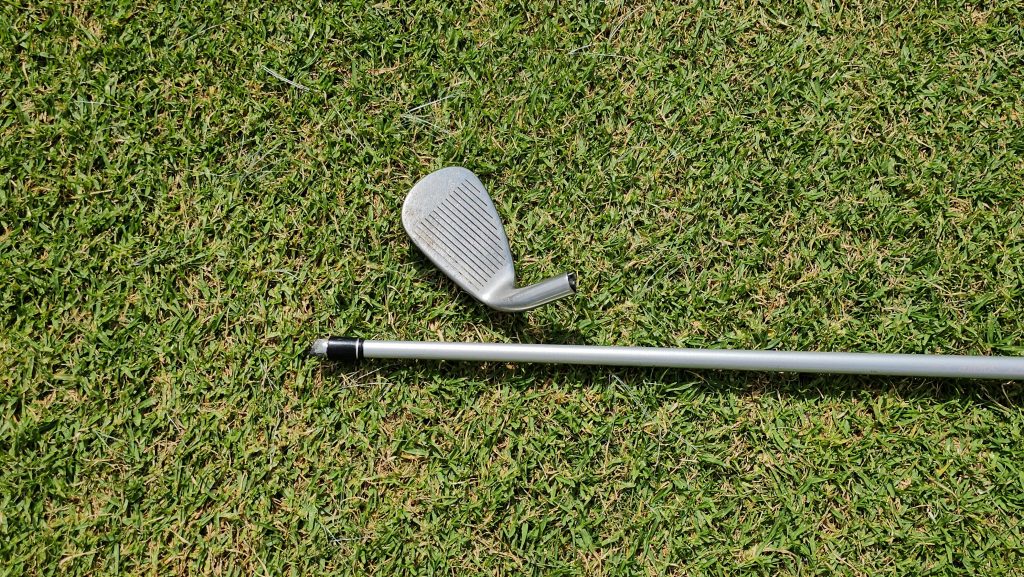
Credit: bramptontechnology.com
Types Of Golf Clubs
Golf clubs come in various types, each designed for specific shots. Woods are used for long-distance shots, while irons offer control and accuracy. Putters are essential for short, precise strokes on the green. Hybrids combine features of woods and irons, providing versatility on the course.
Understanding the different types of golf clubs is essential for improving your game and maximizing your potential on the golf course. Each type of club is designed for specific situations, and knowing when to use them can make a significant difference. Whether you’re a beginner or an experienced golfer, having a good grasp of these clubs will enhance your playing strategy.Woods
Woods are typically used for long-distance shots. They’re your go-to clubs when you need to cover significant ground from the tee or the fairway. With their large heads and longer shafts, woods can help you achieve maximum distance. Imagine hitting a powerful drive off the tee; that’s where woods shine. Remember, even though they are called ‘woods,’ many modern versions are made of metal.Irons
Irons are versatile clubs used for a variety of shots. They are numbered from 1 to 9, with the lower numbers designed for longer shots and the higher numbers for shorter, more precise shots. If you’re aiming to land the ball on the green from a distance, an iron is likely your best bet. Their flat-faced design helps control the ball’s trajectory and spin, making them essential for approach shots.Hybrids
Hybrids combine the best features of woods and irons. They are designed to be easier to hit than long irons, offering more forgiveness and higher launch angles. Many golfers turn to hybrids when they need the distance of a wood but with the accuracy of an iron. If you struggle with long irons, consider adding hybrids to your bag for improved consistency.Wedges
Wedges are specialized irons with high lofts, perfect for short-distance, high-accuracy shots. They include types like the pitching wedge, sand wedge, and lob wedge. These clubs are crucial when you need to clear obstacles or get out of tricky situations like bunkers. Mastering your wedges can significantly lower your score, as they are often used for short approach shots and getting up and down around the greens.Putters
Putters are unique and are used primarily on the greens. They have flat faces and are designed for precision rather than power. A great putter can make the difference between a good round and a fantastic one. Fine-tuning your putting skills is key, as this club is responsible for the final strokes on each hole. The quiet satisfaction of sinking a challenging putt is unmatched, making putters an indispensable part of your golf bag. Understanding these types can help you tailor your club selection to your personal style and the specific challenges of the course. So, next time you’re on the green, consider which type of club will give you the best shot at success.Components Of A Golf Club
The magic of golf often lies in the simplicity of its equipment, particularly the golf club. Understanding the components of a golf club can greatly improve your game and appreciation for the sport. Each part plays a crucial role in your swing and the eventual outcome of your shot. Let’s delve into the essential elements that make up a golf club.
Clubhead
The clubhead is where the action happens. It’s the part that makes contact with the ball, determining its trajectory and distance. Clubheads come in various shapes and sizes, each designed for different types of shots. A driver, for instance, has a large clubhead to propel the ball further, while a wedge’s clubhead is angled to help lift the ball out of tricky situations. How does the clubhead shape affect your shot? That’s a mystery worth exploring on the greens.
Shaft
The shaft is the backbone of your golf club. It connects the clubhead to the grip and plays a vital role in controlling your swing. Shafts vary in length and flexibility, impacting the speed and accuracy of your shot. A flexible shaft can add extra power to your swing, but may compromise precision. On the other hand, a stiffer shaft offers more control but requires a stronger swing. What’s your preferred balance between power and control?
Grip
The grip is where you connect with your club, literally. It’s designed to provide comfort and control during your swing. A good grip can prevent slippage and ensure a firm hold, enhancing your swing’s effectiveness. Grips come in different textures and sizes to suit various hand shapes and preferences. Have you ever tried adjusting your grip to improve your swing? It might be the tweak you need for better accuracy.
Choosing The Right Golf Club
Choosing the right golf club can significantly impact your performance on the course. Whether you are a beginner or an experienced player, the right club can elevate your game and boost your confidence. But how do you make the right choice? Let’s delve into some key considerations.
Skill Level Considerations
Your skill level plays a crucial role in determining the golf club you should choose. Beginners might benefit from clubs that offer more forgiveness, such as cavity-back irons, which help in making cleaner hits even when you don’t strike the ball perfectly. Advanced players, on the other hand, might prefer blade irons for their precision and control.
Think about your current playing style and how you want to improve. Are you looking to enhance your distance or focus on accuracy? Understanding your needs can guide you to the right type of club that matches your skill level.
Club Fitting Process
Personal experiences often highlight the importance of the club fitting process. A friend once shared how a professional fitting transformed their game, simply by adjusting the club length and grip size. This process involves analyzing your swing, stance, and physical build to customize your clubs for optimal performance.
Many golf shops offer fitting sessions that can help you find the perfect match. It’s a tailored approach that ensures your equipment complements your unique playing style. Have you ever considered how a customized fit could improve your game?
Budget And Brand Options
Budget is a practical consideration that can influence your choice of golf clubs. High-end brands offer premium materials and advanced technology, but there are also affordable options that provide excellent value for money. Don’t be swayed solely by big names; sometimes lesser-known brands offer quality that rivals the giants.
Make a list of features you prioritize, like durability or design, and compare them across different brands. Decide on a budget and explore options within that range. What matters most to you—prestige or performance? Balancing these elements can lead to a satisfying purchase.

Credit: justgolfstuff.ca
Basic Golf Club Care
Basic golf club care is essential to keep your equipment performing at its best. With regular attention, you can ensure a longer lifespan for your clubs and maintain their quality. Let’s dive into some practical tips to keep your golf clubs in prime condition.
Cleaning And Maintenance
Consistently cleaning your golf clubs after each game is crucial. Use a soft-bristled brush to gently remove dirt from the grooves of your clubheads. An old toothbrush works wonders here.
Prepare a mixture of warm water and mild soap. Dip a cloth into the soapy water and wipe down the clubheads, shafts, and grips. Make sure to dry them thoroughly with a towel to avoid rust.
Don’t forget to inspect your clubs for any signs of wear or damage. Early detection of issues like loose grips or chipped paint can prevent further damage and ensure your game isn’t affected.
Storage Tips
Proper storage is just as important as cleaning when it comes to golf club care. Always store your clubs in a cool, dry place. Excessive heat or moisture can damage the materials over time.
Use a golf bag with dividers to avoid clubs clanging against each other. This prevents unnecessary scratches and dents.
Consider investing in headcovers for your woods and drivers to protect them from accidental impacts. And if possible, avoid leaving your clubs in the car trunk for long periods, as temperature fluctuations can cause damage.
What other care tips do you find effective for your golf clubs? Share your experiences and insights!
Golf Club Rules And Regulations
Golf, a sport of precision, relies on rules and regulations. These rules ensure fair play and consistency. Understanding golf club rules is essential for every player.
Number Of Clubs Allowed
Golfers must know the number of clubs they can carry. The official rule allows a maximum of 14 clubs. Carrying more than this incurs penalties. Selecting the right clubs becomes crucial within this limit. Players should choose clubs based on course conditions and personal skills.
Club Specifications
Clubs must meet specific standards. The length, weight, and design are regulated. Clubs should not exceed 48 inches in length. The clubhead must be symmetrical. Materials used must be approved by governing bodies. Clubs must pass tests for performance and safety.
Golf Club Buying Tips
Buying a golf club can be a thrilling yet daunting experience. With so many options available, how do you decide which one is right for you? Whether you’re a seasoned golfer or just starting out, understanding what to look for in a golf club can save you time, money, and frustration. Here are some practical tips to guide you through the process.
New Vs. Used Clubs
Choosing between new and used clubs often boils down to budget and personal preference. New clubs offer the latest technology and come with warranties, giving you peace of mind. However, they can be pricey.
Used clubs, on the other hand, can be a bargain and are ideal for beginners who are still figuring out their playing style. Make sure to inspect them for wear and tear. A lightly used club can perform just as well as a new one if it’s been well-maintained.
Online Vs. In-store Purchases
Buying online offers convenience and often, better deals. You can compare prices from different sellers and read reviews before making a purchase. However, you miss out on the tactile experience of holding the club and testing it.
Purchasing in-store allows you to feel the club in your hands and even swing it a few times. This immediate feedback is invaluable and can help you make a more informed decision. Consider visiting a store to try out a few models before finalizing your purchase online.
What matters most is finding a club that feels right for you. So, are you ready to find your perfect swing?
Common Mistakes To Avoid
Playing golf can be a fun and relaxing sport. Yet, many players make mistakes with their golf clubs. These mistakes can affect their game. Understanding these errors is key to improvement.
Overlooking Club Fitting
Golf clubs should fit the player well. Many golfers ignore this crucial step. Incorrectly fitted clubs can lead to poor performance. Players might struggle with accuracy and distance. Professional fitting ensures clubs match your swing. It helps to improve the game.
Ignoring Club Maintenance
Proper maintenance is essential for golf clubs. Dirt and debris affect performance. Regular cleaning keeps clubs in top condition. Inspect grips and shafts for wear and tear. Replace them if necessary. Well-maintained clubs last longer and perform better.
Credit: www.lorabaygolf.com
Frequently Asked Questions
What Is An A In Golf Clubs?
An “A” in golf clubs refers to an “approach wedge. ” It’s used for short, high-accuracy shots onto the green.
What Golf Club Has The Letter A On It?
The golf club marked with the letter “A” is an Approach Wedge. It’s used for short, precise shots. The Approach Wedge helps improve control and accuracy, especially near the green. This club is also known as a Gap Wedge, bridging the loft gap between a pitching and sand wedge.
What Is An A Wedge Vs P Wedge?
An A wedge is a lofted golf club for high, short shots. A P wedge, or pitching wedge, is used for longer approach shots with less loft. Both wedges offer precision and control for different situations on the course.
What Does The A Stand For On A Golf Wedge?
The “A” on a golf wedge stands for “Approach. ” It’s designed for controlled shots onto the green.
Conclusion
Understanding golf clubs enhances your game. Each club serves a unique purpose. Knowing which to use matters. Start with basic clubs for beginners. Gradually, explore advanced options. Grip, swing, and stance are crucial. Practice regularly to improve skills. Enjoy the sport and relax.
Keep learning about club variations. Ask experts for advice if needed. Golf clubs are essential tools. They shape your golfing experience. Invest wisely in quality clubs. Your game depends on them. Golf offers relaxation and fun. Use the right club, enjoy the sport more.
Happy golfing!