
Have you ever found yourself in a heated debate over the color of a tennis ball? You’re not alone.
This small, fuzzy piece of sports equipment can stir up surprisingly strong opinions. Is it yellow or is it green? Your instincts might tell you one thing, but your eyes could be seeing another. The answer isn’t as simple as it seems, and that’s exactly why you clicked on this article.
You want to settle the score, and maybe even impress your friends with the definitive answer. Get ready to explore the fascinating world of color perception and discover why this question isn’t just about tennis balls—it’s about how your brain interprets the world around you. Keep reading to finally put this age-old debate to rest and become the go-to expert in your circle.

Credit: www.sbnation.com
Historical Context Of Tennis Ball Color
The color of tennis balls has sparked debate, often appearing as a vibrant yellow. In 1972, the International Tennis Federation chose yellow for better visibility on television. Some still perceive it as green, adding to the lively discussion.
In the world of tennis, the color of the tennis ball sparks debate. Some say it’s yellow, while others believe it’s green. Understanding this color choice requires exploring its historical context. Over the years, tennis balls have evolved. Their color has a significant role in the sport’s history and development.Evolution Of Tennis Ball Colors
Tennis balls weren’t always fluorescent. Early tennis balls were white or black. The shift to the vibrant color began in the 1970s. Television broadcasts played a key role. Broadcasters found yellow balls more visible on screen. This change improved viewers’ experience and engagement.Role Of Television In Color Change
Television revolutionized sports viewing. In tennis, visibility became crucial. The traditional white balls blended into the background. This made them hard to follow during matches. The International Tennis Federation (ITF) adopted the yellow color in 1972. They aimed to enhance visibility for viewers at home.Impact Of Color On Gameplay
The color change wasn’t just for viewers. Players also benefited from the new color. The yellow tennis balls offered better visibility on the court. This improved reaction times and gameplay. The color change ensured consistency in play and fairness in matches.Current Debate: Yellow Or Green?
The debate continues today. Some see tennis balls as green under certain lights. Others firmly believe they are yellow. The ITF defines the official color as “optic yellow.” Despite this definition, people perceive colors differently. This keeps the debate alive and engaging. Understanding the historical context helps appreciate this ongoing discussion.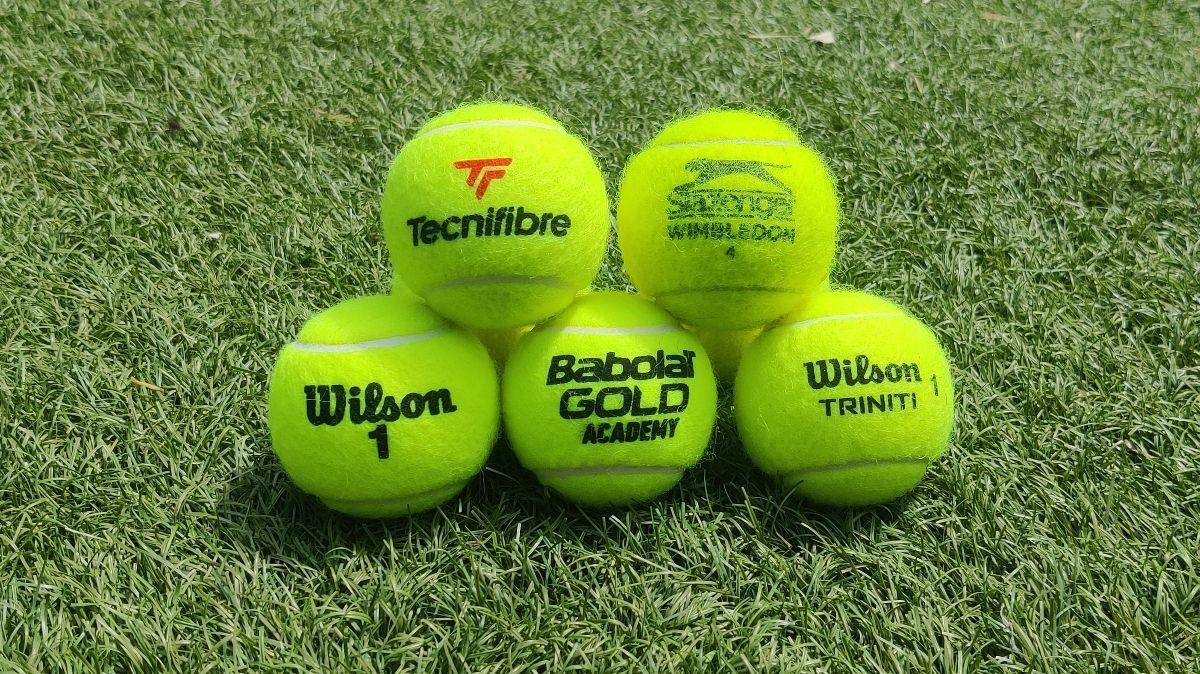
Credit: telegrafi.com
Scientific Perspective On Color Perception
Have you ever found yourself squinting at a tennis ball, debating whether it’s yellow or green? You’re not alone. This seemingly simple question has puzzled many, leading to spirited debates on and off the court. But to truly understand this dilemma, we must look through the lens of science, exploring how our eyes perceive color.
The Science Of Color Vision
Your eyes are remarkable tools, equipped with cones and rods that help you perceive colors. Cones are sensitive to different wavelengths, which correspond to different colors. The three types of cones detect short (blue), medium (green), and long (red) wavelengths. When you look at a tennis ball, your medium and long wavelength cones work together, perceiving a mix of yellow and green.
Interestingly, perception can vary between individuals. Some might see more green due to stronger medium wavelength cones, while others might see yellow. This variability in perception is a fascinating reminder of how unique our vision really is.
Influence Of Lighting And Surroundings
Ever noticed how a tennis ball seems to change color depending on where you are? If you’re outside under the bright sun, it appears almost neon yellow. Indoors, under different lighting, it can look more muted, with a greener hue.
Light sources affect color perception. Natural light amplifies the yellow, while artificial lighting might skew it towards green. Surrounding colors also play a role. On a green court, the ball might seem yellower due to contrast, but on a yellow surface, its green tones might stand out.
So, next time you’re pondering the color of a tennis ball, consider your surroundings. Could it be that your environment is influencing what you see?
Ultimately, whether you call it yellow or green, the tennis ball’s color is a testament to the complexity of human vision. What do you see?
Manufacturers’ Color Standards
Have you ever found yourself in a heated debate over the color of a tennis ball? Is it yellow or green? The answer is more complex than you might think. Manufacturers have specific standards that dictate the official color of tennis balls, yet variations can occur. Let’s dive into the guidelines and production nuances that lead to this colorful confusion.
Official Color Guidelines
Manufacturers follow strict guidelines set by the International Tennis Federation (ITF). According to these standards, the official color of a tennis ball is “optic yellow.”This specific shade was chosen for its visibility on the court, making it easier for players and spectators to track during fast-paced games.
These guidelines are universally adopted, ensuring uniformity across brands. However, have you ever noticed slight differences in color when comparing balls from different manufacturers? You’re not alone.
Variations In Production
Despite the official standard, slight variations can occur during production. Factors like dye consistency and material differences can affect the final hue. This is why some balls might appear more greenish under certain lighting conditions.
Moreover, the perception of color can change based on where you’re viewing the ball. Outdoor natural light might make a ball appear more vibrant yellow, whereas indoor artificial light could give it a greenish tint.
Have you ever wondered if these variations affect gameplay? While they might not alter your game performance, they can certainly spark an interesting conversation. Next time you’re on the court, ask your fellow players what color they see. You might be surprised by their answers!
Public Opinion And Surveys
When discussing the color of a tennis ball, opinions often vary. Some see it as yellow, while others argue it’s green. This debate isn’t just a casual conversation; it extends to public opinion and surveys, revealing fascinating insights into how people perceive colors.
Results From Online Polls
Online polls show a surprising split. In one survey, 52% of respondents identified tennis balls as yellow, while 48% believed they are green. This near-even division highlights just how subjective color perception can be.
Social media platforms offer a lively space for this debate. Hashtags like YellowTennisBall or GreenTennisBall invite users to share their views and compare notes. Have you ever noticed how your friends weigh in on this topic?
Impact Of Regional Preferences
Regional preferences also play a significant role in this debate. In the U.S., people tend to lean more towards calling tennis balls yellow. Meanwhile, in some European countries, green is a more popular choice.
These differences could stem from variations in language or even cultural interpretations of color. It’s fascinating how geography can influence something as universal as the color of a tennis ball.
Consider how your environment shapes your views. Do you think the colors you see daily affect how you perceive something as common as a tennis ball?
Influence Of Media And Technology
The debate over the color of a tennis ball has intrigued many. Media and technology have played a significant role in shaping perceptions. They influence how colors are perceived and discussed globally.
Role Of Broadcast And Display Technologies
Broadcast technology affects how viewers see tennis balls on screens. Different screens and cameras can alter color appearances. Televisions use varied display settings, impacting color perception. Some screens may show the ball as more yellow, others more green. High-definition broadcasts can enhance color accuracy, but variations still exist.
Display technologies in stores also influence perception. Bright lighting can change how colors appear. LED and LCD screens present colors differently. This inconsistency creates confusion about the ball’s true color.
Social Media Discussions
Social media platforms amplify debates about tennis ball color. People share images that show different shades. These images can look yellow or green based on lighting and filters. Discussions often become viral, engaging a wide audience.
Hashtags and polls invite public opinion on the topic. Users express their views, sparking more conversation. This ongoing dialogue highlights how media influences perceptions. Technology connects opinions from around the world, shaping collective understanding.
Psychological Factors In Color Perception
Have you ever wondered why some people see a tennis ball as yellow while others insist it’s green? This intriguing debate highlights the psychological factors influencing color perception. Our brains play a pivotal role in interpreting colors, and this interpretation can be swayed by several psychological components.
Cognitive Biases And Perception
Our brains are wired to make quick judgments, often leading to cognitive biases. These biases can affect how we perceive colors. If you have always associated tennis balls with the color yellow due to advertisements or packaging, your brain might automatically categorize them as yellow. Conversely, if you often see tennis balls in shaded or dim settings, you might perceive them as green. Cognitive biases simplify the way we process information, but they also skew our perception.
Personal Experiences And Memories
Your personal experiences play a significant role in color perception. Imagine playing tennis on a sunny day, the bright light reflecting off the ball and making it appear yellow. This memory could influence your perception, making you more likely to see tennis balls as yellow in the future. Similarly, if your first tennis game was indoors, you might recall the ball looking green under artificial lighting. Memories are powerful; they shape our views and perceptions in ways we often don’t realize.
The Debate In Popular Culture
The debate over the color of tennis balls sparks curiosity. Some see them as yellow, while others insist they’re green. This playful disagreement continues to intrigue fans and players alike, adding a fun twist to the sport’s vibrant culture.
The debate over the color of a tennis ball has captured public interest. Some say tennis balls are yellow, while others claim they are green. This discussion has sparked curiosity in popular culture. People love to debate what seems like a simple question. It shows how different perspectives can exist on everyday topics.Memes And Viral Content
Memes about tennis ball colors flood social media. They spark lively debates and laughter. These memes are shared widely, making the discussion even more popular. A simple meme can ignite a conversation between friends. They often ask, “What color do you see?” This question encourages people to look closely at tennis balls. It highlights how our perceptions can differ.Celebrity Opinions
Celebrities also join the tennis ball color debate. Their opinions often influence their fans. Some stars have shared their views in interviews or social media posts. When a well-known figure states their belief, it can sway public opinion. These celebrity comments add excitement to the ongoing discussion. Fans eagerly await their favorite stars’ thoughts on the topic. The debate continues, fueled by both memes and celebrity input.Implications For Sports And Design
Color choice impacts sports and design deeply. Tennis balls often appear yellow or green, influencing perception and branding. This debate highlights how color affects visibility and user experience in games.
The color of a tennis ball might seem trivial, but it holds significant implications for both sports and design. Whether you perceive it as yellow or green can impact everything from player performance to equipment aesthetics. This debate is not just about color; it’s about how color perception affects various facets of the game and the design process. Let’s dive into these implications.Impact On Player Performance
The color of a tennis ball can directly affect how players perceive and react during a match. Bright colors like neon yellow are often chosen because they stand out against the green and blue backgrounds of tennis courts, enhancing visibility. Have you ever noticed how quickly you spot a tennis ball in flight? That’s because the human eye can easily detect yellow hues. This can be crucial during fast-paced rallies, where split-second reactions make all the difference.Considerations For Equipment Design
Designers must consider how the color of a tennis ball complements other equipment. Rackets, shoes, and apparel often feature colors that contrast with the ball to make it more visible. Imagine a racket with a green grip or strings; it may blend with the ball, affecting a player’s focus. Manufacturers strategically choose colors that enhance visibility and appeal to players’ preferences. Why might you choose a racket with bright, contrasting colors? It’s not just about style; it’s about ensuring you never lose sight of that ball, even in intense sunlight or under stadium lights. The choice of color in tennis balls is more than a debate; it’s a blend of science and strategy that impacts how the game is played and perceived.
Credit: www.instagram.com
Frequently Asked Questions
What Color Is A Tennis Ball Yellow Or Green Reddit?
A tennis ball is officially fluorescent yellow. Some people perceive it as green due to lighting or personal color perception.
What Is The Color Code For Tennis Balls?
Tennis balls are traditionally a bright yellow-green color, known as “optic yellow. ” The color code is ccff00. This distinctive hue enhances visibility during fast-paced matches, ensuring players and spectators can easily follow the ball’s movement on the court.
What Do Different Tennis Ball Colors Mean?
Tennis ball colors indicate their purpose and level. Yellow is standard for professional play. Green is for beginners, offering slower speeds. Orange and red are for children, providing reduced bounce and speed. These colors help players choose the right ball for their skill level and playing surface.
Is There A Specific Shade For Tennis Balls?
Tennis balls are typically fluorescent yellow, known as “optic yellow. ” This shade enhances visibility on the court. Some recreational balls may come in other colors, but professional tournaments usually require optic yellow for consistency and visibility.
Conclusion
Tennis balls spark colorful debates. Yellow or green? Both sides have strong views. The color might seem simple, yet it raises questions. Experts agree the standard color is optic yellow. But some people see green. Lighting and perception play a role.
Tennis fans love discussing the mystery. Ultimately, enjoyment of the game matters more than color. Grab your racket and hit the courts. Whether you see yellow or green, tennis is about fun. Share your thoughts with friends. Keep the debate going.
Tennis is a sport of passion, regardless of ball color.