

Have you ever paused to wonder about the little yellow ball that bounces around the tennis court? It’s more than just a piece of equipment; it’s a fascinating blend of materials and craftsmanship that impacts every serve and volley.
If you’re curious about what’s inside a tennis ball, you’re not alone. Understanding the construction of tennis balls can enhance your appreciation of the game and perhaps even improve your play. So, whether you’re a seasoned player or a curious observer, this exploration into the world of tennis balls is sure to captivate your interest.
Keep reading to discover what makes these seemingly simple spheres so vital to the sport you love.
Materials Used In Tennis Balls
Tennis balls typically consist of a rubber core covered by felt made from wool and nylon. The rubber core gives the ball its bounce, while the felt ensures proper grip and aerodynamics. These materials combine to create a durable and responsive ball for optimal play.
Tennis balls are fascinating little spheres that play a huge role in the game of tennis. They’re more than just colorful, bouncy objects; they are crafted with precision and purpose. Understanding the materials used in tennis balls can offer you deeper appreciation for these sports essentials.
Rubber Core Composition
At the heart of every tennis ball is a rubber core. This core is made from a blend of natural and synthetic rubber, designed to provide the perfect balance of bounce and durability. The manufacturing process involves molding the rubber into a hollow sphere, which is then pressurized to enhance its bouncy characteristics. Have you ever noticed how a new can of tennis balls makes a popping sound when opened? That’s the pressurized air escaping, which keeps the balls lively and responsive during play. This pressure gives the ball its unique bounce and is crucial for maintaining performance on the court.
Felt Cover Materials
The outer layer of a tennis ball is equally important, crafted from felt that typically consists of wool and nylon. This felt is what gives tennis balls their distinctive fuzzy texture. The combination of materials ensures the ball maintains its speed and spin during play. Wool is used in the felt because of its natural resilience and ability to retain shape, while nylon adds durability. Together, they create a surface that grips the racket strings, allowing for precise control and spin. Have you ever played with an old ball and noticed it didn’t have the same grip? That’s due to wear on the felt, emphasizing the importance of this outer layer. The next time you hold a tennis ball, take a moment to feel the texture and bounce. Consider how each element, from the rubber core to the felt cover, contributes to the game’s dynamics. How might these materials affect your play style or even the outcome of a match? Understanding these details can enhance your appreciation and strategy on the court.

Credit: www.youtube.com
Manufacturing Process
Tennis balls are crafted from rubber, wool, and nylon. The rubber core provides bounce. Wool and nylon cover the core, creating a durable surface.
The manufacturing process of tennis balls is a fascinating blend of precision and creativity. It involves transforming raw materials into high-performance sports equipment. As you explore the intricate steps, you’ll discover how core molding techniques and felt cover application play pivotal roles in crafting the perfect tennis ball.
Core Molding Techniques
Creating the core of a tennis ball is all about achieving the right bounce and durability. The process begins with rubber, a key ingredient. Rubber is molded into half-shells, which are then joined together. The molding pressure and temperature are meticulously controlled to ensure consistency. Did you know that the core’s thickness can influence a ball’s bounce? Manufacturers often tweak the core based on the type of court the ball is intended for. Next time you’re on the court, pay attention to how different balls behave—it’s all in the core!
Felt Cover Application
The felt cover gives a tennis ball its iconic look and feel. Applying felt is a delicate process that requires precision. The felt is cut into strips and carefully wrapped around the core. Adhesive is applied to secure the felt, ensuring it stays intact during intense play. Have you ever wondered why some balls seem to wear out faster than others? The quality of the felt and the adhesive can impact a ball’s lifespan. High-quality felt offers better durability, allowing players to enjoy their game longer. As you hold a tennis ball in your hand, consider the craftsmanship behind its creation. Each bounce and spin is a testament to the meticulous manufacturing process. Does knowing how a tennis ball is made change the way you view the game?
Types Of Tennis Balls
Tennis balls might seem simple at first glance, yet they are crafted with precision to suit various playing needs. Understanding the different types of tennis balls can enhance your game, whether you’re playing competitively or just for fun. Let’s dive into the specifics of pressurized versus non-pressurized balls, professional grade options, and balls designed for recreational use.
Pressurized Vs Non-pressurized
Pressurized balls are filled with gas, giving them a lively bounce that many players prefer. This type is ideal for competitive matches where speed and performance are crucial. However, they tend to lose their bounce over time, requiring frequent replacement.
Non-pressurized balls, on the other hand, maintain their bounce longer as they don’t rely on internal pressure. They are perfect for practice sessions and casual games. You might find them slightly heavier, which can affect your play, but they’re durable and economical.
Professional Grade Balls
Professional grade balls are crafted for tournament-level play. They adhere to strict standards in terms of weight, size, and bounce. These balls are designed to withstand the high-intensity play and are often pressurized for optimal performance.
Consider this: If you’re aiming to improve your skills for competitive matches, practicing with professional grade balls can offer the consistency you need. They provide the exact conditions you’ll face in tournaments, helping you prepare effectively.
Recreational Use Balls
Recreational use balls are tailored for beginners and casual players. They are often non-pressurized, making them affordable and long-lasting. These balls are softer and slower, which can be beneficial for learning the game’s fundamentals.
Imagine playing a relaxed game with friends or family; recreational balls offer the right balance without the need for frequent replacements. They provide an accessible entry point to the sport, encouraging more people to enjoy tennis.
So, which type will you choose for your next match? Understanding your playing style and needs can guide you to the right ball, enhancing your overall tennis experience.
Credit: www.tiktok.com
Environmental Impact
Tennis balls, while small, have a significant impact on the environment. They are made from materials that can affect ecosystems and contribute to waste. As tennis enthusiasts, it’s crucial to understand the footprint of our favorite sport and explore ways to minimize it.
Sustainability Of Materials
Most tennis balls are composed of a rubber core and felt made from synthetic fibers, usually nylon or wool. These materials are not biodegradable and can take hundreds of years to break down. The production process also involves chemicals and energy, contributing to pollution and resource depletion.
Have you ever wondered how your choice of tennis balls might impact the planet? Opting for eco-friendly brands can be a small yet impactful choice. Some companies are now developing balls with natural rubber and organic cotton felt. While these may cost a bit more, they offer an opportunity to play with a clearer conscience.
Recycling And Disposal
Tennis balls have a limited lifespan, often losing their bounce after a few games. This frequent turnover leads to significant waste. Recycling programs are emerging but remain limited. These initiatives collect old tennis balls for reuse in various ways, from playground surfaces to pet toys.
Are you aware of how many tennis balls you dispose of each year? Consider donating used balls to organizations that repurpose them. This not only reduces landfill waste but also supports community projects. By embracing recycling, you can play a part in reducing the environmental impact of tennis.
Innovations In Tennis Ball Design
Modern tennis balls are crafted from a rubber core, ensuring bounce and durability. A fuzzy felt layer covers this core, providing spin and control. Recent innovations focus on materials that enhance performance and sustainability.
Innovations in tennis ball design have transformed the sport in recent years. Manufacturers focus on creating balls that enhance performance and sustainability. These changes not only affect gameplay but also address environmental concerns. Let’s explore some of these exciting innovations.
Eco-friendly Alternatives
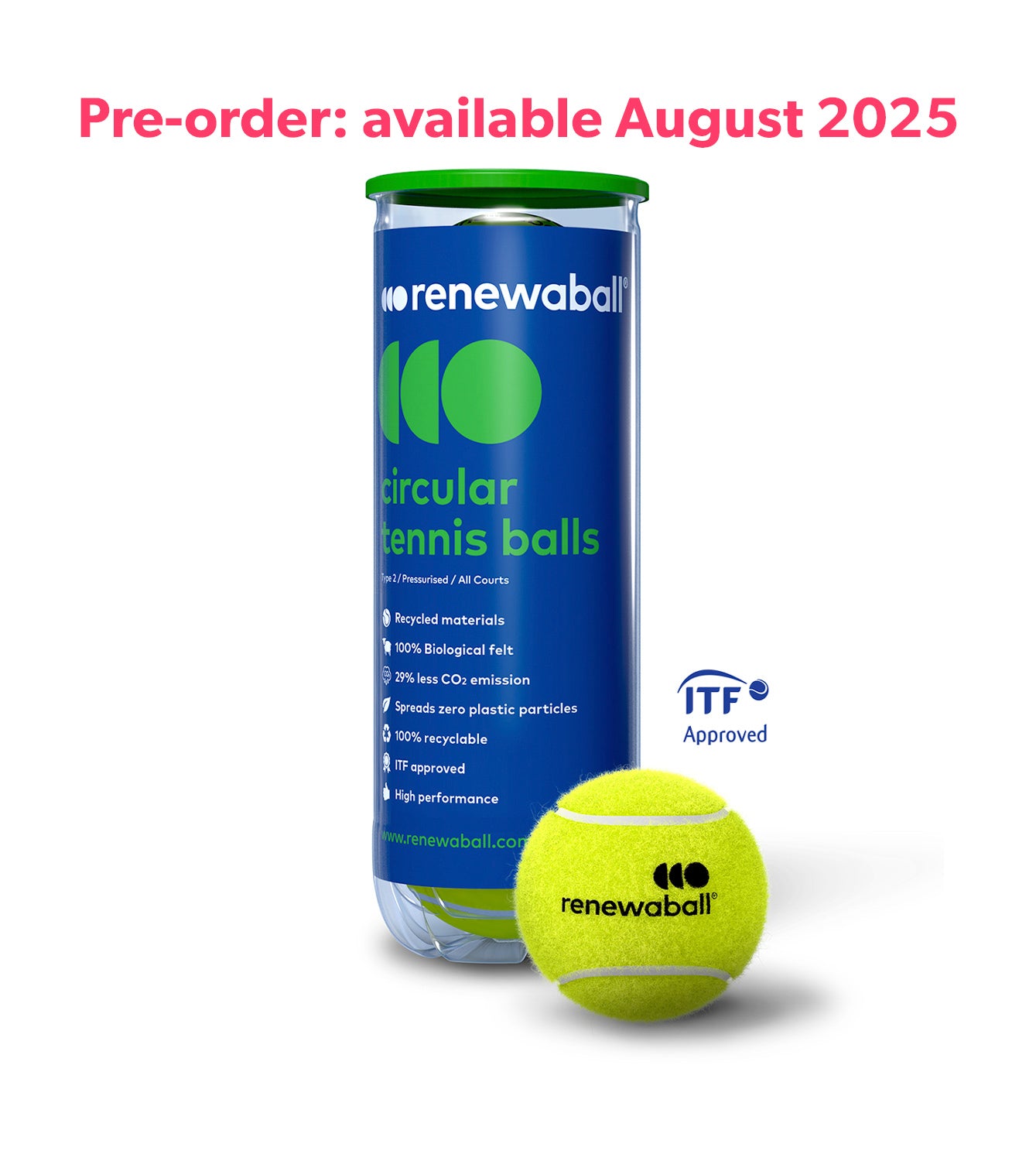
Traditional tennis balls often use non-biodegradable materials. This raises environmental issues. To tackle this, companies develop eco-friendly alternatives. They use recycled and natural materials in production. Some brands offer tennis balls made from biodegradable rubber. This reduces waste and promotes sustainability. These green options maintain quality without harming the planet. Recyclable packaging is also becoming popular. It supports the eco-friendly approach of these products.
Technological Advancements
Technology plays a significant role in modern tennis ball design. Advanced materials are used to improve durability and performance. Some balls feature high-tech cores for consistent bounce and speed. This offers players more control and precision. Research and development lead to lighter yet stronger tennis balls. These innovations enhance player experience on the court. Enhanced aerodynamics is another area of focus. It allows for better ball flight and spin. These advancements cater to both professional and amateur players. They ensure a high-quality game experience every time.
Choosing The Right Tennis Ball
Choosing the right tennis ball can significantly affect your game, whether you’re a seasoned pro or just starting out. Each type of ball offers unique characteristics that can influence your play on the court. Understanding these differences can help you select the perfect ball to match your playing style and conditions.
Factors To Consider
When selecting a tennis ball, several factors come into play. Consider the surface you’ll be playing on, as different balls are designed for clay, grass, or hard courts. Also, think about the ball’s pressure, as pressurized balls offer more bounce but lose their liveliness faster, while pressureless balls are more durable.
- Surface Type:Choose balls specifically designed for the court surface to enhance performance.
- Ball Pressure:Pressurized balls provide better bounce but may wear out faster, while pressureless balls last longer.
- Durability:Look for balls with durable felt for longer play sessions.
Player Level And Preferences
Your skill level and personal preferences are crucial in choosing the right tennis ball. Beginners might prefer softer balls that are easier to control, while advanced players might opt for balls that offer more speed and spin. Reflect on your playing style—do you enjoy long rallies or quick, powerful shots?
Consider trying out different brands and types to see what feels best. Some players swear by a specific brand because it gives them the perfect feel and bounce. What works for one person might not work for another, so it’s important to experiment and find your match.
Ultimately, the right tennis ball can enhance your game, making every swing feel just right. So, next time you’re on the court, think about what kind of ball will give you that edge and the most enjoyment in your play.
Credit: tennisballrecycling.ch
Frequently Asked Questions
What Is The Tennis Ball Made Of?
A tennis ball is made of a rubber core covered with felt. The rubber core provides bounce and durability. Felt covering helps with grip and aerodynamics. The combination ensures optimal performance on the court.
What Type Of Rubber Is Used In Tennis Balls?
Tennis balls typically use natural rubber for their core. This rubber ensures durability and optimal bounce. Manufacturers often blend synthetic materials with natural rubber to enhance performance. The rubber’s elasticity is crucial for maintaining the ball’s consistent bounce during play.
Why Is There Fuzz On Tennis Balls?
Fuzz on tennis balls improves grip and control during play. It also slows the ball, enhancing bounce and spin.
Are Tennis Balls Made Out Of Plastic?
Tennis balls are not entirely made of plastic. They consist of a rubber core and a felt covering, often made from wool or synthetic materials like nylon. The rubber provides bounce, while the felt offers durability and grip. This combination ensures optimal performance on various court surfaces.
Conclusion
Understanding tennis ball materials helps appreciate the sport more. They consist of rubber, felt, and air. Each part plays a role in performance. Rubber provides bounce. Felt ensures grip on the racket. Air pressure gives the ball its shape. These elements combine for a balanced game experience.
Next time you play, notice the ball’s unique features. It’s not just a ball, but a crafted tool. It enhances your tennis experience. Enjoy the game with this new knowledge.