
Have you ever felt the thrill of riding a dirt bike and wondered if you could take that excitement from the trails to the open road? You’re not alone.
Many dirt bike enthusiasts are curious about the rules and regulations surrounding riding on public roads. Is it a legal move, or could you end up with a hefty fine? This question might have crossed your mind, especially when you see someone zooming past on a dirt bike in your neighborhood.
Understanding the legality of riding dirt bikes on roads is crucial. Not only does it keep you on the right side of the law, but it also ensures your safety and the safety of others. You might be surprised at how complex the rules can be, varying from place to place. But don’t worry – we’ve got you covered. Stick around as we unravel the mystery, providing you with all the information you need to make informed decisions. This guide might just save you from an unexpected run-in with the law and open up new possibilities for your dirt biking adventures.
Dirt Bike Regulations
Riding dirt bikes on roads is often illegal due to safety concerns and noise regulations. Some areas allow it with modifications like lights and mirrors. Always check local laws to ensure compliance.
Dirt Bike Regulations Riding dirt bikes on roads can be a thrilling adventure, but it’s crucial to understand the regulations that govern this activity. Many enthusiasts find themselves wondering whether their dirt bikes are street legal and how the rules differ from state to state. Navigating the maze of dirt bike regulations requires a keen eye for detail and an understanding of the legal requirements that vary across different jurisdictions.Street Legal Requirements
Transforming a dirt bike into a street-legal machine involves several modifications. You may need to add components like headlights, taillights, mirrors, and a horn to comply with road safety standards. Ensure your dirt bike is registered and insured. This can sometimes be a tricky process, as dirt bikes are not initially designed for road use. Explore local DMV guidelines. They often provide specific information on what you need to legally ride your dirt bike on public roads.State-by-state Rules
Each state has its own rules regarding dirt bikes on roads. For example, California requires stringent emissions standards for any vehicle on public roads, while Texas may have more lenient rules. Consult your state’s transportation department for the latest updates. Rules can change frequently, impacting what modifications might be necessary for your dirt bike. Consider the implications of crossing state lines. A dirt bike street legal in one state might not meet the requirements in another, potentially leading to fines or penalties. Have you ever faced unexpected challenges trying to ride your dirt bike on roads? Understanding these regulations can save you from costly mistakes and ensure your ride is both safe and legal.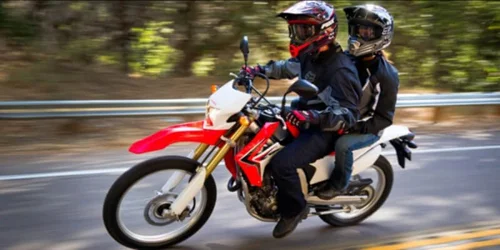
Credit: www.dirtlegal.com
Safety Concerns
Riding dirt bikes on roads raises safety concerns due to their design and speed. Many regions prohibit this practice, deeming it illegal. Always check local laws before taking your dirt bike on public roads.
Riding dirt bikes on roads raises significant safety concerns. Dirt bikes are designed for off-road terrains. Their features often lack essential road safety components. So, understanding these concerns is vital for anyone considering this activity. Riders must prioritize safety to prevent accidents. Below, we explore key areas of safety regarding dirt bikes on roads.Protective Gear
Wearing protective gear is essential. It reduces the risk of injury. A helmet is a must. It protects your head from impacts. Gloves offer grip and shield your hands. Boots support your ankles and feet. Goggles keep dust and debris out of your eyes. A durable jacket and pants protect your body. Choose gear designed for riding. It should fit well and be comfortable.Road Safety Tips
Following road safety tips can keep you safe. Always check the local laws. Know if it’s legal to ride on roads. Ride at a safe speed. Dirt bikes can be hard to see. Use lights and reflectors to be visible. Stay alert. Watch for cars and pedestrians. Avoid busy roads. Choose quieter routes when possible. Keep a safe distance from other vehicles. Signal turns clearly. Make sure your bike is in good condition. Check brakes and tires often.Modifications For Road Use
Checking the legality of riding dirt bikes on roads involves understanding local laws. Many regions require modifications for road use. This can include adding lights, mirrors, and a horn to meet safety standards. Always ensure compliance to avoid fines and penalties.
Riding dirt bikes on roads can be a thrilling experience, but it requires careful modifications to ensure legality and safety. When you’re transitioning your dirt bike for street use, understanding the essential upgrades and approval process is crucial. These changes not only make your bike compliant with road regulations but also enhance your riding experience.Essential Modifications
Transforming your dirt bike into a street-legal machine involves several key upgrades. First, consider installing headlights, taillights, and turn signals. These are crucial for visibility and communication with other drivers. Next, equip your bike with mirrors. They help you keep an eye on your surroundings, a vital aspect when navigating through traffic. Ensure you have a proper license plate holder. This not only meets legal requirements but also helps in identification. Finally, swap your tires for road-friendly versions. Dirt bike tires aren’t designed for asphalt and can affect handling and safety.Inspection And Approval Process
Once you’ve made the necessary modifications, your bike must pass an inspection. This process checks if your dirt bike adheres to road safety standards. Prepare for the inspection by ensuring all lights and signals function correctly. Double-check your mirrors and license plate attachment. The approval process may vary depending on your location. You might need to visit a local DMV or a specialized inspection center. Ask yourself, have you considered how these modifications will impact your riding experience? Embracing these changes can lead to a safer and more enjoyable ride on city streets.Insurance And Licensing
Riding dirt bikes on roads is a thrilling experience. Yet, it’s crucial to understand the legal requirements. Insurance and licensing play a vital role in ensuring safety and legality. This section will help clarify what you need to ride legally.
Insurance Needs
Dirt bikes on public roads often require insurance. This protects you and others in case of an accident. Basic liability coverage is a common requirement. Check local laws to know the specifics. Some places may demand comprehensive coverage. This covers theft, damage, and more. Always have proof of insurance while riding. It prevents legal issues and hefty fines.
License Requirements
Not everyone can legally ride a dirt bike on roads. A valid driver’s license is often mandatory. Some regions require a motorcycle license instead. Age restrictions might also apply. Riders need to be of a certain age to get licensed. Training courses can be beneficial. They teach safety and riding skills. Completing such courses may also be a requirement in some areas.
Alternatives To Road Riding
Riding dirt bikes on roads is often illegal. Many places have strict laws prohibiting it. But there are alternatives. These options allow for safe, legal riding experiences. Exploring these alternatives can be exciting and rewarding.
Off-road Parks
Off-road parks offer designated areas for dirt bike enthusiasts. These parks have varied terrains. Riders can enjoy hills, jumps, and trails. Safety is prioritized, and rules are enforced. Facilities often include bike rentals and repair shops. Some parks host events and competitions. This adds a thrilling element to the experience.
Trail Riding Options
Trail riding is another great alternative. Many regions have trails specifically for dirt bikes. These trails wind through forests, mountains, and deserts. Riding on trails provides a close connection to nature. Different trails suit different skill levels. Always check local regulations before hitting the trails. Proper gear ensures safety and an enjoyable ride.

Credit: www.happyrunsports.com
Legal Consequences
Riding dirt bikes on roads can lead to legal penalties. Many places prohibit them due to safety concerns. Violators might face fines or bike confiscation.
Riding dirt bikes on roads might seem like an adventurous idea, but it can lead to serious legal consequences. It’s crucial to understand that these bikes are typically not designed for street use and riding them on public roads can result in hefty penalties. Before you hit the road, consider the implications on your wallet and your driving record.Fines And Penalties
Getting caught riding a dirt bike on public roads can lead to substantial fines. The amount varies depending on your location, but it’s not uncommon for fines to reach several hundred dollars. Besides monetary penalties, you might also face additional costs, such as towing fees if your bike is impounded. Repeated offenses can lead to even steeper fines and increased scrutiny from law enforcement. Imagine having to explain those expenses to someone else—it’s not a fun conversation.Impact On Driving Record
Your driving record is not just a reflection of your car driving skills. It also encompasses any traffic-related offenses, including illegal dirt bike riding. Accumulating points on your license can lead to increased insurance premiums or even license suspension. Maintaining a clean driving record is crucial not only for your current insurance rates but also for future considerations. Would you want a moment of thrill to jeopardize your long-term driving privileges? Next time you’re tempted to take your dirt bike on the road, think about the broader implications. It’s not just about the immediate thrill—it’s about the potential long-term impact on your life and finances.
Credit: riiroo.com
Frequently Asked Questions
In What States Can You Ride Dirt Bikes On The Road?
Dirt bikes are street legal in states like Arizona, Utah, and Texas with proper modifications. Always check local regulations for specifics.
What Happens If You Get Caught Riding A Dirt Bike On The Road?
Riding a dirt bike on the road can lead to fines or legal penalties. Dirt bikes are typically not street-legal. Police may impound the bike if you lack a valid license, registration, or insurance. Always check local regulations to avoid violations and ensure safe riding practices.
Can Dirt Bikes Go On Normal Roads?
Dirt bikes can sometimes go on normal roads if they meet legal requirements. They need headlights, mirrors, and license plates. Check local laws for specific regulations. Ensure your dirt bike is street legal before riding on public roads.
Can I Drive A Dirt Bike On The Local Streets?
Check local laws before driving a dirt bike on streets. Many areas prohibit them due to safety concerns. Legal requirements like registration, insurance, and specific equipment might be necessary. Always prioritize safety and compliance to avoid fines or legal issues.
Conclusion
Riding dirt bikes on roads can be tricky. Rules vary by location. Some places allow dirt bikes if they meet road standards. Others strictly prohibit them on public roads. Safety is crucial, so always wear protective gear. Check local laws before you ride.
It’s essential to know the rules to avoid fines or accidents. Enjoy dirt biking, but prioritize safety and legality. Respect the road and fellow travelers. Research well and make informed decisions. Riding responsibly ensures fun and safety for everyone. Stay safe, stay informed, and enjoy your dirt bike adventures responsibly.