
Have you ever watched a boxing match and wondered just how challenging it really is to step into the ring? The punches, the footwork, the sheer endurance—boxing isn’t just about throwing a few punches; it’s about strategy, strength, and mental toughness.
If you’ve ever thought about trying your hand at boxing or are simply curious about the level of difficulty involved, you’re in the right place. We will uncover the truth about the rigors of boxing, breaking down what makes it one of the most demanding sports out there.
We’ll dive into the physical and mental challenges boxers face and explore what it truly takes to excel in this intense sport. Whether you’re considering lacing up the gloves yourself or just want to gain a deeper appreciation for the sport, keep reading to discover why boxing is not just hard—it’s a test of willpower and resilience.
Physical Demands
Boxing challenges both body and mind. Fighters endure intense physical training and mental focus. Each punch demands strength and precision, making boxing a tough sport.
The physical demands of boxing are immense. This sport requires a blend of power, stamina, and agility. Boxers must train their bodies to endure intense workouts and challenging bouts. Understanding these demands can help one appreciate the dedication required in boxing.Strength And Conditioning
Strength and conditioning are vital in boxing. Boxers need powerful muscles to deliver strong punches. Weight training is common to build muscle mass. Resistance exercises increase power and speed. Core strength is crucial for balance and stability. Boxers engage in workouts targeting their abs and lower back. These exercises help maintain control during a fight.Endurance Training
Endurance is essential for lasting in the ring. Boxers undergo rigorous cardio workouts. Running and cycling improve cardiovascular health. Jump rope exercises enhance rhythm and footwork. These activities increase lung capacity and stamina. High-intensity interval training is popular. It simulates the pace of a real match. Boxers must be ready to fight for several rounds without tiring.Injury Risks
Injuries are a risk in boxing. The sport involves heavy physical contact. Boxers face cuts, bruises, and sprains. Concussions are a concern due to head impacts. Protective gear like gloves and mouthguards is used. Proper technique reduces injury chances. Regular medical check-ups are important. They ensure boxers are fit to compete.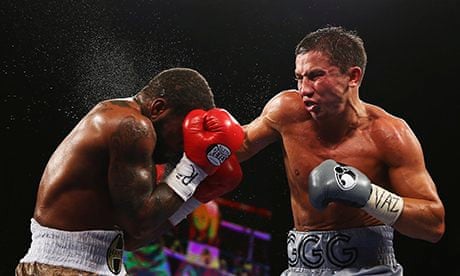
Credit: www.theguardian.com
Mental Toughness
Boxing is not just about physical strength and agility. The mental toughness required can be even more demanding. It’s an intense sport that tests your mind as much as your body. Developing mental resilience is crucial, and it involves focus, handling pressure, and overcoming fear.
Focus And Concentration
Boxing demands sharp focus and unwavering concentration. You need to be present in the moment, reading your opponent’s moves and planning your next action. Distractions can lead to missed opportunities or worse, a punch you didn’t see coming. Think of the times when your mind has wandered during a task—now imagine the stakes are much higher, like in the ring.
Practice staying mentally sharp by setting small, focused goals during training sessions. This not only improves your concentration but also boosts your confidence in the ring.
Handling Pressure
Every boxer faces pressure, from the intensity of the match to the expectations of trainers and spectators. The ability to handle pressure can make or break a fighter. Picture yourself in front of a roaring crowd, feeling the weight of their expectations—it’s easy to feel overwhelmed.
To thrive under pressure, train yourself to remain calm and composed. Breathing exercises and visualization techniques can help you manage stress and perform better under pressure. Remember, the calmest fighter often has the upper hand.
Overcoming Fear
Fear is a natural part of boxing, whether it’s fear of getting hit or fear of losing. Acknowledging fear is the first step to overcoming it. Have you ever noticed how facing fears head-on can often diminish them?
Channel your fear into motivation. Use it to fuel your training and push your limits. Discussing your fears with a coach or mentor can also provide new perspectives and strategies to overcome them.
In boxing, mental toughness is just as important as physical prowess. By honing your focus, managing pressure, and overcoming fear, you can elevate your performance in the ring. Are you ready to take on the mental challenges of boxing?
Technical Skills
Boxing is often perceived as a test of sheer physical strength, but the true challenge lies in mastering its intricate technical skills. These skills are the backbone of a successful boxer, requiring dedication and precision. It’s not just about throwing punches; it’s about the finesse in every movement and decision inside the ring.
Mastering Techniques
Every punch in boxing carries its own set of techniques and complexities. From jabs to uppercuts, each move must be executed with precision and timing. When I first started, I realized that my punches lacked the power they needed because my technique was off. It’s crucial to practice consistently to refine these techniques. Remember, a well-executed punch can save energy and deliver maximum impact.
Footwork And Movement
Footwork is the silent language of boxing. It’s about controlling the ring and setting up your attacks. Without proper footwork, even the strongest punch can be rendered ineffective. Imagine a chess game where every step you take influences your next move. A common mistake is to overlook this aspect, but mastering it can dramatically improve your defense and offense.
Defensive Strategies
Defensive strategies in boxing are not just about avoiding punches. It’s about anticipating your opponent’s moves and being one step ahead. When training, I focused on slipping and blocking, which taught me the importance of timing and patience. Ask yourself, how can you turn defense into an opportunity to counter-attack? This mindset transforms defense into a proactive part of your strategy.
Training Regimen
Boxing is a demanding sport requiring dedication and hard work. A well-structured training regimen is crucial for success. It involves not only physical exercises but also careful attention to diet and recovery. Let’s explore the essential components of a boxer’s training regimen.
Daily Routine
Boxers follow a strict daily routine. Morning sessions often include running and cardio. This builds endurance and stamina. Afternoons focus on technique and skill. Boxers practice punches, footwork, and defense. Evening sessions may include strength training. This ensures balanced muscle development. Consistent routines help boxers improve over time.
Diet And Nutrition
A boxer’s diet is as important as their workout. Proper nutrition fuels intense training sessions. Carbohydrates provide energy for workouts. Proteins aid in muscle repair and growth. Healthy fats support overall health. Boxers need to stay hydrated too. Water intake is crucial before and after workouts. A balanced diet enhances performance and recovery.
Recovery Practices
Recovery is vital in a boxer’s training regimen. Rest days allow muscles to heal. Sleep is crucial for recovery and mental focus. Stretching reduces muscle soreness and prevents injury. Some boxers use ice baths or massages. These methods help in quicker recovery. Effective recovery practices keep boxers in top shape.
Competitive Environment
Boxing demands intense physical and mental strength. It challenges fighters with rigorous training and strategic thinking. The sport requires resilience and dedication.
In the world of boxing, the competitive environment is intense and unforgiving. Fighters constantly push their limits to achieve greatness. The desire to succeed fuels their dedication. Each bout is a test of skill, strategy, and endurance.Match Preparation
Boxers invest countless hours in match preparation. Training sessions are grueling and frequent. Fighters focus on improving strength, speed, and technique. Sparring partners simulate real fight conditions. Boxers also study their opponents’ past matches. This helps them anticipate moves and develop strategies. Nutrition and recovery are crucial for peak performance.Adapting To Opponents
Adaptability is key in boxing. Fighters must adjust their approach mid-fight. They read their opponents’ body language and patterns. This helps them exploit weaknesses. Quick thinking and agility are essential. A boxer’s ability to adapt can determine victory or defeat.Navigating Rankings
Climbing the rankings is a challenging task. Boxers must consistently win to advance. Each victory brings them closer to title shots. Rankings influence a fighter’s career opportunities. Maintaining a high rank requires discipline and perseverance. Boxers often face tough opponents as they rise.
Credit: www.youtube.com
Rewards Of Boxing
Boxing offers mental and physical rewards despite its challenges. It builds strength, endurance, and boosts confidence. Participants learn discipline and stress management.
The journey into boxing might seem daunting with its rigorous demands, but the rewards can be truly transformative. As you lace up your gloves and step into the ring, each punch and dodge brings more than just physical prowess. It’s a holistic journey that enhances various facets of your life, making the challenges worth every sweat and struggle.Physical Fitness
Boxing is a powerhouse workout that targets every muscle group. It increases your cardiovascular endurance, builds strength, and improves agility. Imagine shedding calories while sculpting your body into peak condition. Each session leaves you with a sense of vitality, pushing your physical limits and redefining what your body can achieve.Mental Resilience
Boxing is not only about physical strength; it’s a test of mental fortitude. The discipline required to train consistently builds resilience, helping you face challenges head-on. It’s about staying calm under pressure, a skill that transcends the ring and becomes invaluable in everyday life. Have you ever faced a situation where you needed to think on your feet? Boxing trains your mind to remain sharp and focused, even in the most intense situations.Sense Of Accomplishment
Every jab and hook landed is a testament to your hard work and perseverance. Boxing instills a profound sense of achievement. Overcoming obstacles and reaching new milestones brings immense satisfaction. It’s not just about winning a match, but about the personal victories that come with mastering new techniques or completing a grueling workout. As you progress, you’ll find a new confidence that spills over into all areas of your life, proving that the struggle was indeed worth it.Personal Development
Boxing is more than just a sport; it’s a path to personal development. It challenges both the body and mind, fostering growth in various aspects of life. Those who step into the ring often find themselves evolving in ways they never imagined.
Building Discipline
Boxing demands commitment and hard work. Training sessions are intense and require consistency. This helps in building discipline. Fighters learn to stick to routines and push through fatigue. They understand the value of perseverance. Discipline gained in boxing translates to other areas of life. It helps in maintaining focus and achieving goals.
Boosting Confidence
Stepping into the ring takes courage. It builds self-esteem and confidence. Over time, boxers develop a belief in their abilities. Winning a match boosts morale, but even losing teaches valuable lessons. Facing opponents and overcoming challenges increases self-assurance. Confidence gained in boxing can impact personal and professional life positively.
Life Skills Acquired
Boxing teaches more than punches. It instills crucial life skills. Boxers learn resilience and how to handle pressure. They develop strategic thinking, analyzing their opponents and planning moves. Communication skills improve through teamwork and coaching. These skills are useful beyond the ring, aiding in career growth and personal relationships.

Credit: www.facebook.com
Frequently Asked Questions
How Hard Is It To Learn Boxing?
Learning boxing requires dedication and practice. Beginners may find it challenging, but progress comes with consistent effort. Basic techniques, footwork, and conditioning are crucial. Training regularly and seeking guidance from experienced trainers can accelerate learning. Overall, boxing is manageable with commitment and determination.
Is Boxing The Hardest Sport To Learn?
Boxing is challenging due to its physical demands, mental focus, and technical skills. Many consider it one of the hardest sports to master. Training involves intense workouts, strategy, and resilience. Mastery requires dedication, discipline, and perseverance, making it uniquely difficult compared to other sports.
Is Boxing A Hard Workout?
Yes, boxing is a hard workout. It combines cardio, strength training, and agility exercises. This intense workout burns calories, builds muscle, and improves endurance. Boxing also enhances coordination and mental focus. It’s effective for overall fitness and stress relief. Perfect for those seeking a challenging and rewarding exercise routine.
Which Is Harder, Ufc Or Boxing?
UFC is often considered harder due to the variety of skills required, including striking, grappling, and submissions. Boxing focuses solely on striking and requires endurance, technique, and footwork. Both sports demand high levels of fitness and mental toughness, but UFC involves more diverse combat techniques.
Conclusion
Boxing is tough, but rewarding. It demands grit and determination. Challenges lie in technique, endurance, and mental strength. Training pushes limits, building resilience. Every punch takes focus and skill. Success comes with discipline and practice. Fighters face physical and mental hurdles.
But passion drives them. Boxing is more than a sport. It’s a journey of growth. You learn about yourself, your limits, your strength. The hard work pays off. You gain confidence, fitness, and respect. For those willing to persevere, boxing offers invaluable life lessons.
It’s challenging, yet deeply fulfilling. Are you ready to step into the ring?