
Have you ever wondered how to relieve foot pain effectively without reaching for medication? Kinesiology tape might be the solution you’ve been searching for.
This simple, stretchy tape can provide support and reduce discomfort, allowing you to walk, run, and enjoy your favorite activities with ease. Imagine the freedom of moving without pain, and the confidence of knowing you’re taking care of your body.
You’ll discover how to use kinesiology tape on your foot, with step-by-step instructions that make it easy for anyone to apply. Whether you’re dealing with an old injury or just want to prevent new ones, understanding how to use this tape can empower you to take control of your foot health. Keep reading to learn how you can make the most of kinesiology tape and step into a life with less pain and more mobility.
Benefits Of Kinesiology Tape
Kinesiology tape helps reduce foot pain and swelling. Applying it correctly supports muscles and improves circulation. Ideal for athletes and anyone with foot discomfort.
Kinesiology tape has gained popularity for its remarkable benefits in supporting and healing the body, particularly the feet. Whether you’re an athlete looking to boost performance or someone who wants to alleviate foot pain, this tape can be a game-changer. Let’s dive into the specific benefits you can expect from using kinesiology tape on your foot.
Enhanced Stability And Support
Applying kinesiology tape can provide much-needed stability to your foot. It acts like an additional layer of support, helping to secure your muscles and joints during movement. Imagine having the confidence to walk or run without worrying about your foot giving way. This increased support can be especially beneficial during workouts or when you’re on your feet for extended periods.
Reduced Swelling And Inflammation
Kinesiology tape can help reduce swelling by promoting better blood flow and lymphatic drainage. If you’ve ever experienced the discomfort of swollen feet after a long day, you’ll appreciate how the tape aids in reducing inflammation. With better circulation, you might find that your foot feels lighter and less puffy, making everyday activities more comfortable.
Improved Pain Relief
One of the most significant benefits of kinesiology tape is its ability to alleviate pain. By gently lifting the skin, the tape allows for improved circulation and reduced pressure on pain receptors. It’s like having a soothing hand on your foot, easing discomfort from conditions like plantar fasciitis or tendonitis. Could this simple solution be your answer to less foot pain?
Enhanced Performance
For athletes, kinesiology tape is more than just a tool for recovery; it’s a secret weapon for performance. When your foot is supported and pain-free, you can push harder and achieve more. Consider how much more you could accomplish if your foot’s movements were optimized and unrestricted. It’s not just about healing; it’s about reaching your full potential.
Quick And Easy Application
The application of kinesiology tape is straightforward and quick, making it accessible to everyone. Even if you’re not a pro, you can learn to apply the tape effectively with a little practice. The convenience means you can address foot issues promptly without waiting for appointments or treatments. Isn’t it empowering to have a handy tool at your fingertips? Incorporating kinesiology tape into your routine offers tangible benefits, helping you lead a more active and comfortable life. Whether you’re looking to alleviate pain or boost your athletic performance, this versatile tool can be your ally in achieving your goals.
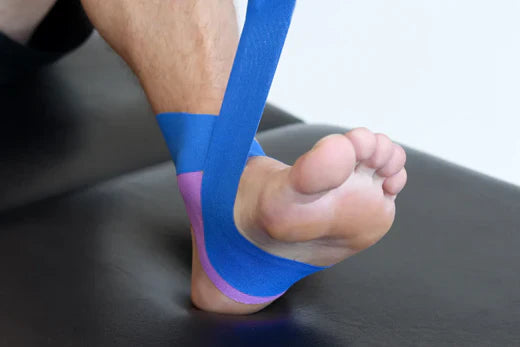
Credit: copperfitusa.com
Choosing The Right Tape
Choosing the right tape is crucial for effective kinesiology taping on the foot. Opt for high-quality, skin-friendly tape to ensure comfort and support. This helps reduce pain and improve mobility efficiently.
Choosing the right kinesiology tape for your foot is essential for effective support and comfort. With various options available, it’s important to focus on the key aspects that make a difference. You wouldn’t want your tape to peel off mid-run or irritate your skin. So, what should you consider when selecting the perfect tape for your foot?
Material And Texture
The material and texture of the tape significantly impact its performance. Look for tapes made from breathable, stretchable materials like cotton or synthetic fibers. These materials ensure flexibility and comfort, allowing your foot to move naturally. A smooth texture can prevent friction and skin irritation, which is crucial if you’ll be wearing the tape for extended periods. Your choice of material might also depend on your activities. If you’re engaging in water sports, opting for a tape designed to withstand moisture is vital. What kind of activities are you planning to do with the tape?
Color And Design
While color and design might seem like aesthetic choices, they can boost your confidence and motivation. Bright colors can be a mood booster, making your workouts more enjoyable. Some tapes even come with patterns or designs that might align with your personal style or sports team colors. Do you prefer subtle tones or vibrant hues? Choosing a color that resonates with you can turn a mundane task into something you look forward to. After all, why not add a little personal flair to your supportive gear? Remember, the right tape can make a world of difference in both your performance and comfort. So, take your time to assess what works best for your needs and let your choice empower your journey to recovery or athletic improvement.
Preparation Steps
Ensure the foot is clean and dry before application. Cut the tape to the desired length. Carefully place the tape on the foot, ensuring smooth adhesion without wrinkles.
Preparing your foot for kinesiology tape can make a significant difference in its effectiveness and comfort. It’s not just about slapping the tape on; careful preparation can ensure that it stays put and provides the support you need. Whether you’re an athlete dealing with foot pain or someone recovering from an injury, these steps can help you get the most out of your kinesiology tape.
Cleaning The Skin
Before applying kinesiology tape, it’s crucial to start with clean skin. Why? Dirt, sweat, or oils can affect the tape’s adhesive properties. Use mild soap and water to cleanse the area thoroughly. Avoid lotions or creams as they can create a slippery surface, making it difficult for the tape to stick. If you’re dealing with hairy skin, consider trimming the hair. This helps the tape adhere better and makes the removal process less painful.
Cutting The Tape
Cutting the tape correctly is another key step in preparation. You want to ensure the tape fits your foot comfortably without restricting movement. Measure the length needed by placing the tape on your foot before cutting. Make sure to round the corners; this simple trick prevents the edges from peeling up easily. Think about the shape and size of your foot. Is there a spot that needs extra support? Adjust the tape accordingly to target those areas effectively. By taking these preparation steps, you set the foundation for a successful taping experience. Are you ready to take control of your foot health with kinesiology tape?
Basic Application Techniques
Begin by cleaning the foot and ensuring it’s dry. Cut the tape to the needed length. Apply with light tension, starting at the heel and moving toward the toes. Smooth out any wrinkles, ensuring firm contact with the skin for effective support.
Applying kinesiology tape on your foot can be a game-changer for managing pain and improving mobility. Whether you’re a seasoned athlete or someone who just wants to walk without discomfort, knowing the right techniques can make a significant difference. Let’s dive into the basic application techniques that can help you maximize the benefits of kinesiology tape.
Anchor Placement
The first step in applying kinesiology tape effectively is to secure the anchor. This involves placing the tape at a starting point where it will stay put even with movement. – Clean and Dry the Skin: Before placing the anchor, ensure your foot is clean and dry. Oils and moisture can prevent the tape from sticking properly. – Choose the Right Spot: Decide where you need support. For instance, if you’re taping for plantar fasciitis, the anchor might start near the heel. – Press Firmly: Once the anchor is placed, press it down firmly. This ensures it won’t lift during activity. Imagine your foot as the canvas and the tape as a stable starting point for the art of healing.
Stretching The Tape
Stretching the tape correctly is crucial for its effectiveness. It determines how much support and flexibility you’ll get from the tape. – Apply the Right Tension: Generally, you want a slight stretch, around 10-20% of the tape’s full stretch. Too much stretch can cause discomfort, while too little might not provide enough support. – Direction Matters: Stretch the tape in the direction where you need the most support. For example, stretching from the heel towards the toes can support arch issues. – Smooth It Out: As you stretch and lay down the tape, smooth it out to avoid wrinkles. Wrinkles can cause skin irritation and affect the tape’s performance. Have you ever wondered how much of a difference just a little stretch can make? Finding that sweet spot of tension can transform your experience from ‘just okay’ to ‘absolutely amazing’. By mastering these basic techniques, you can empower yourself to manage foot issues with more confidence and effectiveness. What will you try first: a heel anchor or a stretch along the arch?
Taping For Common Foot Issues
Kinesiology tape supports foot muscles and joints, helping alleviate pain and improve mobility. Apply it on clean, dry skin to ensure effectiveness. Use proper techniques for wrapping arches, toes, or heels based on specific foot issues.
Taping for Common Foot Issues When your feet hurt, it can feel like your whole world comes to a halt. Whether it’s the sharp sting of plantar fasciitis or the dull ache of arch pain, kinesiology tape can be a simple yet effective solution. It’s like giving your feet a supportive hug, allowing you to move with ease and confidence.
Plantar Fasciitis Support
Plantar fasciitis can be a real pain, literally. You wake up in the morning, and the first step feels like walking on nails. Kinesiology tape can provide targeted support to the arch and heel, reducing strain on the fascia. To tape for plantar fasciitis, start by anchoring the tape at the base of your toes, then gently stretch it across the arch and heel. This method helps alleviate tension, allowing you to move with less discomfort. Have you ever tried this technique and felt the instant relief?
Arch Support
Flat feet or fallen arches can lead to discomfort and fatigue. Kinesiology tape offers a simple fix by lifting and supporting the arch. You can cut a strip of tape and apply it under your arch, starting from the ball of your foot and extending to the heel. This creates a supportive bridge that helps distribute pressure evenly across your foot. It’s like having a built-in cushion that eases your step. How often do you find yourself needing a little extra support during a long day on your feet?
Ankle Stability
Twisting your ankle is an all-too-common mishap that can lead to lasting pain. Kinesiology tape helps stabilize the ankle by providing external support to the ligaments. Begin by wrapping the tape around your ankle, ensuring it covers both sides. The goal is to minimize unnecessary movement, offering a secure feeling as you walk or run. The added stability can be a game-changer, especially if you’re recovering from an injury. Have you experienced the difference between a taped ankle and an untaped one during your daily jog? Using kinesiology tape for foot issues is practical, accessible, and effective. It empowers you to take control of your foot health, offering solutions that can be easily applied in the comfort of your home.
Tips For Effective Taping
Applying kinesiology tape on your foot can provide support and reduce pain. Effective taping requires attention to detail. Correct application ensures the tape works as intended. Follow these tips for a comfortable and beneficial experience.
Avoiding Skin Irritation
Skin irritation can occur if the tape is applied incorrectly. Ensure your skin is clean and dry before application. Avoid placing tape on sensitive or damaged skin. Test a small patch first to check for allergic reactions. Remove tape gently to prevent skin damage.
Maximizing Adhesion
Proper adhesion is crucial for tape effectiveness. Trim excess hair on the foot to improve tape sticking. Warm the tape in your hands before applying. This helps activate the adhesive. Avoid excessive stretching of the tape, as this reduces adhesion. Ensure the tape edges are firmly pressed down.
When To Consult A Professional
Consider consulting a professional if you’re unsure about applying kinesiology tape on your foot. Expert guidance ensures proper technique and avoids potential injury.
When it comes to using kinesiology tape on your foot, knowing when to consult a professional can make all the difference. While self-application of kinesiology tape can be effective for minor aches and pains, there are times when seeking expert advice is crucial. Understanding these moments helps you avoid exacerbating injuries and ensures you’re using the tape effectively.
Signs Of Severe Pain Or Swelling
If you’re experiencing intense pain or noticeable swelling, it might be time to reach out to a healthcare professional. These symptoms could indicate a more serious injury that kinesiology tape alone cannot address. Consulting with a specialist ensures you receive a comprehensive treatment plan.
Persistent Discomfort
Have you been applying kinesiology tape but still feel discomfort after several days? Persistent pain is a clear signal to consult a professional. They can assess whether you’re taping correctly or if there are underlying issues that need attention.
Lack Of Improvement
Using kinesiology tape should ideally show some improvement in your condition. If you’ve followed instructions and remain uncomfortable, a professional can provide guidance on alternative treatments. They may suggest modifications to your taping technique or recommend physical therapy.
Complex Injuries
For complex injuries like fractures or severe sprains, kinesiology tape may not be appropriate. Professionals have the expertise to determine the best course of action. They can also advise on integrating tape as part of a broader rehabilitation strategy.
Uncertainty About Application
Are you unsure about the correct way to apply the tape? A professional can demonstrate the proper technique, ensuring the tape is applied effectively. This hands-on guidance minimizes the risk of incorrect application, which could worsen your condition.
Need For Customized Support
Every foot is different, and generic taping methods might not provide the support you need. Professionals can customize the taping strategy to suit your unique needs. This personalized approach often leads to better results and quicker recovery. Consulting a professional isn’t just about addressing issues—it’s about optimizing your recovery and ensuring you’re on the right path. Have you ever hesitated to seek expert advice? Understanding the right time to consult can be the key to a swift and successful healing process.
Credit: www.tiktok.com
Care And Maintenance
Applying kinesiology tape on the foot requires careful placement. Clean the skin and cut the tape as needed. Gently stretch and apply the tape over the arch or injured area for support.
Proper care and maintenance of kinesiology tape on your foot can significantly extend its effectiveness and lifespan. Many underestimate the importance of these steps, resulting in discomfort or reduced support. By following some simple care tips, you can ensure that the tape continues to provide the support you need.
Removing The Tape
Removing kinesiology tape from your foot can be tricky if not done correctly. Start by gently peeling the tape back at a corner, ensuring not to yank it off quickly. This reduces the risk of skin irritation or damage. Consider using a small amount of baby oil or warm soapy water to ease the tape off. This helps the adhesive release more easily, making the removal process smoother. Always pull the tape back on itself rather than straight up to minimize discomfort.
Storage Tips
Proper storage of kinesiology tape can preserve its adhesive quality and overall performance. Keep your tape in a cool, dry place away from direct sunlight. Excessive heat or moisture can degrade the adhesive, making it less effective. You might even consider storing the tape in a sealed plastic bag to protect it from humidity. Have you ever tried storing your tape in the fridge? Some athletes swear by it to maintain its stickiness longer. In your experience, what storage methods have worked best? Sharing tips with fellow tape users can open up new ideas and enhance everyone’s taping experience.

Credit: www.youtube.com
Frequently Asked Questions
Does Kinesiology Tape Work On Feet?
Kinesiology tape can help support foot muscles and joints. It may reduce pain and improve mobility. Proper application is essential for effectiveness. Consult a healthcare professional for guidance and optimal results. Always follow instructions for safe use.
How To Use Kt Tape For Foot Pain?
Apply KT tape by cleaning your skin first. Cut two strips: one for the arch, one for the heel. Anchor one strip under the foot arch, pulling it gently around the heel. Secure the second strip above the heel, stretching it across the arch.
Check tightness for comfort and effectiveness.
Do Different Colors Of Kt Tape Mean Anything?
KT tape colors have no specific meaning or functional difference. They are purely for personal preference and aesthetics. Choose any color based on your style or mood. The tape’s effectiveness remains the same regardless of color.
Should I Tape My Foot If It Hurts?
Taping your foot can provide support and relieve pain. Consult a healthcare professional for proper guidance. Proper taping technique ensures effectiveness and prevents further injury. Always prioritize comfort and follow expert advice for best results.
Conclusion
Kinesiology tape on the foot can offer relief and support. Applying it correctly is crucial for benefits. Start by cleaning the skin. Then, cut and place the tape as needed. Stretch it gently for effectiveness. This method helps reduce pain and swelling.
Many people find it useful for sports injuries. Consult a professional for specific guidance. They can tailor the application to your needs. Practice will make application easier over time. Proper use leads to better foot health and comfort. Explore this simple technique to support your active lifestyle.