
Are you ready to elevate your fishing game? Learning how to tie a knot on your fishing hook is an essential skill that can significantly impact your success on the water.
Imagine the thrill of reeling in a big catch, knowing your hook is securely tied. Whether you’re a novice or an experienced angler, mastering the art of knot tying can enhance your fishing experience and prevent the frustration of losing fish due to weak knots. In this guide, we’ll provide you with expert tips on how to tie a knot fishing hook, ensuring you’re well-prepared for your next fishing adventure.
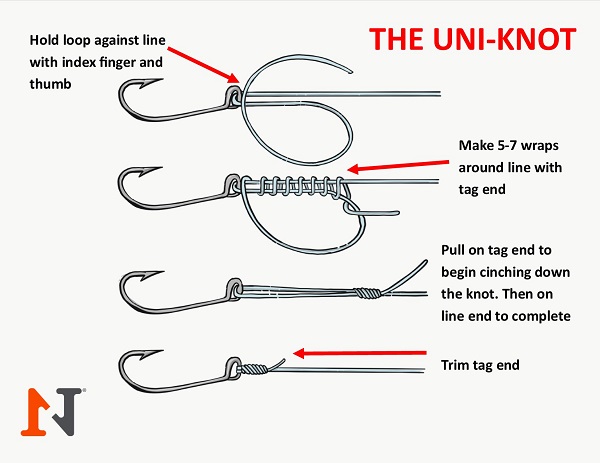
Credit: n1outdoors.com
Understanding Fishing Knots
Before diving into the specifics of knot tying, it’s important to understand the various fishing knots available. Each knot serves a unique purpose and is suited for different fishing situations. Knowing how to tie fishing hooks securely is crucial for ensuring that your hook remains attached during the fight with a fish.
Essential Fishing Knot Techniques
Here are some of the best fishing knots that every angler should know:
- Improved Clinch Knot: A popular choice for securing hooks, this knot is easy to tie and holds well under pressure.
- Palomar Knot: Known for its strength, this knot is ideal for tying hooks and lures with braided line.
- Loop Knot: This knot allows for greater movement of the bait, making it effective for certain fishing techniques.
Step-by-Step Guide to Tying a Fishing Hook Knot
To tie a fishing hook knot, follow these simple steps:
- Thread the fishing line through the eye of the hook.
- Wrap the line around the standing line five to seven times.
- Pass the end of the line through the loop created near the eye of the hook.
- Moisten the knot and pull it tight to secure.
- Trim any excess line.
Expert Tips for Knot Tying
Here are some expert tips to ensure your knots are tied correctly:
- Always moisten the line before tightening the knot to reduce friction.
- Practice tying knots at home to build muscle memory.
- Use a knot-tying tool if you’re struggling to tie knots by hand.
Frequently Asked Questions
What is the best knot for fishing hooks?
The Improved Clinch Knot and Palomar Knot are among the best for securing fishing hooks due to their strength and reliability.
How do you tie a fishing hook knot?
To tie a fishing hook knot, thread the line through the hook’s eye, wrap it around the standing line, and secure it by passing it through the loop.
What are the different types of fishing knots?
Common types of fishing knots include the Improved Clinch Knot, Palomar Knot, Loop Knot, and Uni Knot, each serving different purposes. According to Mayo Clinic fitness guide, this is important for athletes.
How tight should a fishing knot be?
A fishing knot should be tight enough to hold securely but not overly tight to avoid damaging the line or hook.
Can you tie a fishing hook without a tool?
Yes, you can tie a fishing hook without a tool using your hands, but a knot-tying tool can help ensure accuracy and ease.
What fishing line is best for knot tying?
Monofilament lines are generally easier to tie knots with, while braided lines offer strength but can be more challenging to handle.
How often should I check my fishing knots?
It’s advisable to check your knots regularly, especially after catching fish, to ensure they remain secure and effective.
What tools can help with knot tying?
Knot-tying tools, pliers, and line cutters can assist in achieving better knots and managing fishing lines efficiently.
In summary, mastering how to tie a knot fishing hook is a fundamental skill for any angler. With the right techniques and practice, you can ensure your hooks are securely tied, increasing your chances of landing that prized catch. For more tips on fishing gear, check out our guides on different kinds of fishing reels, best kayak fishing accessories, and budget fishing rods. Happy fishing!