
Imagine this: You’re standing by a serene lake, your fishing rod in hand, surrounded by the calming sounds of nature. You’re ready to cast your line, but there’s one crucial step left—tying your hook and sinker.
It sounds simple, yet it’s a skill that can make or break your fishing experience. Whether you’re a seasoned angler or a beginner, mastering the art of tying your fishing hook and sinker can transform your fishing adventures from frustrating to fabulous.
In this guide, we’ll unravel the secrets to perfecting this essential technique. You’ll discover easy-to-follow steps that ensure your hook stays secure and your sinker is perfectly balanced. Get ready to boost your confidence and elevate your fishing game. Dive in, and let’s make your next catch a successful one!
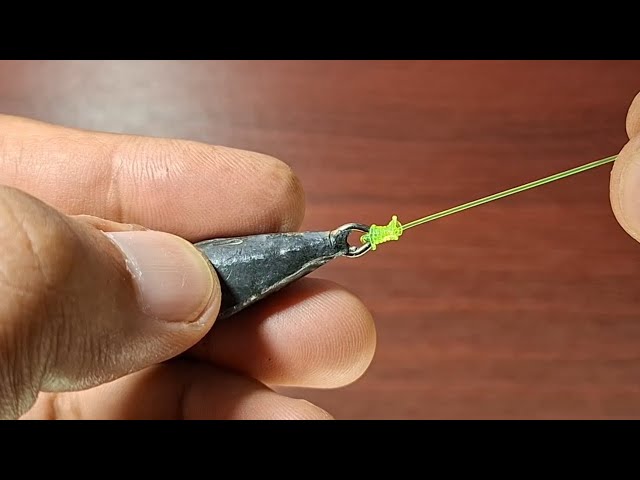
Credit: www.youtube.com
Choosing The Right Hook And Sinker
Choosing the right hook and sinker is crucial for successful fishing. Tying them securely ensures your bait stays in place, increasing your chances of catching fish.
Choosing the right hook and sinker can significantly enhance your fishing experience. Understanding the different types available can help you make informed decisions that align with your fishing goals. The right combination can mean the difference between a successful day on the water and going home empty-handed.Types Of Hooks
Hooks come in various shapes and sizes, each designed for specific fishing techniques and types of fish.- J-Hooks:These are the most common hooks and are versatile for various fishing styles. They resemble the letter ‘J’ and are perfect for beginners.
- Circle Hooks:Known for their curved shape, these hooks are excellent for catch-and-release fishing as they reduce harm to the fish.
- Treble Hooks:Featuring three points, these hooks are ideal for lures and increase the chances of a catch, often used in bait fishing.
Types Of Sinkers
Sinkers are essential for getting your bait to the right depth and keeping it there.- Split Shot:These small, versatile sinkers are easy to attach and adjust. They are perfect for shallow water fishing.
- Egg Sinkers:Shaped like an egg, these are ideal for deeper waters and allow the line to move freely through them.
- Bullet Sinkers:These cone-shaped sinkers are often used in bass fishing with Texas rigs, allowing for a smooth retrieve through weeds.
Essential Tools And Materials
Understanding the essential tools and materials for fishing is crucial. The right equipment makes the task easier and more enjoyable. Whether you’re a beginner or experienced, having the right tools ensures a successful fishing trip.
Fishing Line Options
Choosing the right fishing line is important. Each type has unique features. Here are some common options:
- Monofilament: Flexible and easy to handle.
- Braided: Strong and great for heavy fish.
- Fluorocarbon: Invisible under water, good for clear conditions.
Must-have Accessories
Every angler needs a few must-have accessories. These items help make your fishing experience smoother:
- Hook: Various sizes for different fish types.
- Sinker: Helps the bait reach deeper water.
- Swivel: Prevents line twisting and tangling.
- Bobber: Keeps bait at the desired depth.
With these tools, you’re equipped to tie your fishing hook and sinker efficiently.
Step-by-step Guide To Tying A Hook
Learn to tie a fishing hook and sinker with this simple guide. Follow step-by-step instructions for a secure knot. Improve your fishing skills effortlessly.
Tying a fishing hook might seem daunting at first, but with a bit of practice, it becomes second nature. Whether you’re a seasoned angler or a beginner, a well-tied hook is crucial for a successful fishing trip. This guide will take you through the process step-by-step, ensuring your hook stays secure and ready for action.Knot Selection
Choosing the right knot can make all the difference in the world. The Palomar knot is a favorite among anglers for its strength and simplicity. If you’re just starting, this knot is a great choice to get you going. Another option is the Improved Clinch Knot, which is ideal for smaller hooks and light lines. It’s important to match the knot to the type of fishing line you’re using. Experiment with different knots to find which one suits your style and needs best. Which knot will you try first?Securing The Knot
Once you’ve chosen your knot, securing it properly is the next step. Ensure that you moisten the line before tightening the knot to reduce friction and prevent damage. After tying, pull on the tag end and the standing line to ensure the knot is snug and doesn’t slip. Trim any excess line close to the knot to avoid tangling. A secure knot is the foundation of successful fishing. Is your knot strong enough to handle a big catch? Tying a hook is a skill that improves with practice. The more you do it, the more intuitive it becomes. Keep these steps in mind, and you’ll be tying hooks like a pro in no time.
Credit: www.youtube.com
Attaching The Sinker
Attaching the sinker involves threading it onto the fishing line securely. Ensure the sinker is placed above the hook for stability. This setup helps the bait sink to the desired depth effectively.
Attaching a sinker to your fishing line is crucial. It ensures your bait reaches the desired depth. Properly positioning the sinker can improve your fishing success. Here, we explore the best ways to attach a sinker. Adjusting for different water conditions is also discussed.Sinker Placement
Choose the right spot for the sinker on your line. Typically, place it 12 inches above the hook. This distance helps keep the bait near the bottom. The fish will find it more appealing. Use pliers to securely clamp the sinker onto the line. Ensure it’s tight to avoid slipping.Adjusting For Water Conditions
Water conditions affect sinker choice and placement. In calm waters, use lighter sinkers. They provide a natural bait presentation. In strong currents, heavier sinkers are necessary. They help keep the line stable. Consider water depth too. Deeper waters may require more weight. Adjust the sinker until you find the right balance. This ensures your bait stays in the strike zone.Common Mistakes And How To Avoid Them
Tying fishing hooks and sinkers might seem simple. But common mistakes can ruin your fishing day. Understanding these errors helps you avoid them and catch more fish. Let’s discuss the most frequent mistakes and how to fix them.
Weak Knots
Weak knots can break easily, losing both fish and tackle. To avoid this, use strong knots like the improved clinch knot. Ensure the knot is tight and secure. Wet the line before tightening to reduce friction. Practice tying knots to gain confidence and skill.
Improper Sinker Setup
An improper sinker setup affects casting and bait presentation. Choose the right sinker size for your fishing conditions. Heavy sinkers sink too fast, while light ones may not reach the bottom. Secure the sinker firmly to prevent it from sliding. Adjust the position based on water depth and current speed.
Expert Tips For Successful Fishing
Fishing success requires skill and preparation. Properly tying hooks and sinkers boosts your chances. Mastering these techniques can lead to bigger catches and more enjoyable trips. Learn how to make your fishing gear work best for you.
Enhancing Hook Durability
Hooks must be strong and secure to catch fish effectively. Use high-quality hooks for better performance. Inspect them regularly for rust or damage. Replace any compromised hooks immediately. Ensure the knot is tight and secure. Use a reliable knot like the improved clinch knot. This knot holds well and prevents slipping. Wet the line before tightening the knot. Moisture helps the knot slide and reduces friction. Trim excess line close to the knot. This prevents unnecessary tangling.
Optimizing Sinker Weight
Choosing the right sinker weight is crucial. It affects how your bait behaves in the water. Consider water conditions and target fish species. Heavier sinkers work in strong currents. Lighter sinkers suit calm waters. Use adjustable sinkers for versatility. These allow you to change weights easily. Secure the sinker properly to avoid losing it. Use a strong knot or clip. Check sinkers for wear and replace damaged ones. This ensures they remain effective during fishing.

Credit: www.youtube.com
Frequently Asked Questions
How To Tie A Fishing Hook And Sinker Easily?
To tie a fishing hook and sinker, thread the line through the hook eye. Create a loop and wrap the line around the hook shank five times. Pass the end through the loop and tighten. Attach the sinker above the hook using a simple knot for secure placement.
How To Tie A Fishing Hook On For Beginners?
To tie a fishing hook, thread the line through the eye. Make five loops around the standing line. Pass the end back through the first loop. Pull tight to secure the knot. Trim excess line. Use the improved clinch knot for beginners.
This method ensures a strong and reliable connection.
How To Tie A Fishing Hook With Weight?
To tie a fishing hook with weight, use the Palomar knot. Thread the line through the hook and weight. Double back, forming a loop. Tie an overhand knot with the loop. Pass the hook through the loop. Tighten the knot by pulling both ends of the line.
Trim excess line.
How To Set Up A Fishing Rod, Hook, And Sinker?
Attach the reel to the rod. Thread the line through guides. Tie the hook using a clinch knot. Add a sinker above the hook. Adjust the line length. Ensure everything is secure and balanced for effective fishing. Enjoy your fishing adventure!
Conclusion
Mastering the art of tying fishing hooks and sinkers enhances your fishing success. A secure knot keeps your hook in place. A well-tied sinker ensures your line’s stability. Practice makes perfect, so keep trying different techniques. With time, your skills improve.
Experiment to find what works best for you. Enjoy the process and the peace fishing brings. This simple task connects you to nature. It’s not just about catching fish; it’s about the journey. Embrace each step and savor the moments by the water.
Happy fishing!