
Have you ever been out on the water, enjoying a peaceful day of fishing, when suddenly you find yourself dealing with a stuck fishing hook? Whether it’s caught in your clothes, your gear, or worse, your skin, knowing how to safely remove a fishing hook is crucial.
This isn’t just about avoiding a painful situation; it’s about ensuring your fishing experience remains enjoyable and stress-free. Imagine the relief of being able to handle this common mishap with ease and confidence. Picture the satisfaction of knowing exactly what to do, transforming potential panic into a moment of calm control.
You’ll discover straightforward techniques that make removing a fishing hook simple and safe. You’ll learn tips that can save your gear, protect your skin, and keep your day on the water running smoothly. Stay with us, and empower yourself with the knowledge that every angler should have.

Credit: www.youtube.com
Types Of Fishing Hooks
Fishing hooks come in various shapes and sizes, each designed to cater to different fishing styles and target species. Understanding the types of fishing hooks is crucial for both effective fishing and learning how to remove them safely. Whether you’re a seasoned angler or a weekend warrior, knowing the differences can significantly impact your fishing experience.
Barbed Hooks
Barbed hooks are the most common type and feature a small projection on the shank near the point. This design helps secure the fish, preventing it from easily escaping. While effective, barbed hooks can be tricky to remove, especially if a fish swallows them deeply. To remove them, you might need pliers or a hook remover tool to back the hook out gently.
Barbless Hooks
Barbless hooks are designed without the barb, making them easier to remove. These hooks are ideal for catch-and-release fishing, as they minimize harm to the fish. If you’re worried about losing your catch, consider that barbless hooks can still hold fish well with proper tension. Removing them usually requires less force, reducing injury to the fish.
Treble Hooks
Treble hooks have three points, providing multiple chances to snag a fish. They’re often used with lures to increase the likelihood of a successful catch. Removing treble hooks can be challenging due to their multiple points, especially if deeply embedded. Using a pair of needle-nose pliers can aid in carefully maneuvering each point out.
Have you ever struggled with removing a hook from a fish? What type of hook was it, and how did you handle the situation?
Safety Precautions
Ensure safety by wearing gloves to avoid injuries. Use pliers to gently remove the hook without pulling hard. Sterilize the area immediately to prevent infection.
When you’re out on the water, the excitement of fishing can quickly turn into a challenge if a hook gets stuck. Handling a fishing hook safely is crucial to prevent injury to yourself and the fish. Taking the right safety precautions can make the process easier and less stressful for everyone involved. Let’s dive into some essential safety measures you should consider when removing a fishing hook.Wear Protective Gear
Wearing protective gear is your first line of defense. Gloves can protect your hands from accidental pricks or cuts. Choose a sturdy pair that is resistant to sharp objects. It’s also wise to wear polarized sunglasses, not just to shield your eyes from the sun, but also to spot hooks in the water or on the fish more clearly. Having the right gear can prevent accidents and make the removal process smoother. Imagine trying to pull out a hook without gloves and getting pricked—ouch!Calm The Fish
A calm fish is easier to handle, reducing the risk of injury to both the fish and yourself. You can gently hold the fish and speak softly, or cover its eyes to help settle it down. It’s amazing how a few gentle words or actions can ease the tension. A calm fish won’t thrash about, making it simpler to remove the hook without causing harm. Think about it—would you be able to stay still with someone trying to remove a hook from you without any soothing words?Tools Needed
Pliers, gloves, and antiseptic wipes are essential for safely removing a fishing hook. Clean the area to prevent infection. Use pliers to gently back out the hook, ensuring minimal discomfort.
Removing a fishing hook safely requires the right tools. Proper equipment ensures you minimize injury to both yourself and the fish. Knowing what tools to use can make the process easier. Below are essential tools you’ll need.Pliers
Pliers are crucial for gripping the hook firmly. They help you handle slippery hooks with ease. Choose pliers with a long nose for better reach. Rubber grips provide comfort during use. Ensure your pliers are rust-resistant for durability.Cutters
Cutters help snip the hook if it’s deeply embedded. Sharp cutters make clean cuts quickly. This prevents extra damage to the fish or yourself. Always keep cutters clean and dry for effective use.De-hooking Devices
De-hooking devices are designed to remove hooks gently. They reduce stress on the fish and prevent injury. Look for devices with a comfortable handle. They should be easy to maneuver for precise removal.Removing Hooks From Fish
Gently hold the fish to prevent movement. Use pliers to carefully push the hook’s barb back through the entry point. Twist and pull the hook out smoothly to minimize injury.
Removing hooks from fish is essential for ensuring their well-being. Proper techniques help minimize harm and increase survival chances. Let’s explore effective methods for removing hooks from fish.Backing Out The Hook
Start by gently holding the fish. Make sure the fish stays calm to avoid injury. Locate the hook’s entry point and hold the shank. Carefully back the hook out the same way it went in. Twisting the hook can reduce resistance. This method works well with barbless hooks. Always check for any signs of distress in the fish. If the hook is difficult to remove, consider other methods.Using A De-hooker
A de-hooker is a handy tool for quick hook removal. Secure the fish in a stable position. Slide the de-hooker along the line to the hook. Firmly grip the hook with the tool and pull it free. This tool minimizes direct contact with the fish. It’s effective for deeply set hooks. Using a de-hooker can speed up the removal process. This method is ideal for catch and release fishing.Cutting The Hook
Sometimes, cutting the hook is necessary. Carefully assess the situation before proceeding. If the hook is lodged deeply, use wire cutters. Cut the hook as close to the fish as possible. This minimizes damage and stress for the fish. The fish’s survival chances improve when the hook is cut cleanly. This method is a last resort but often the safest choice. Always use sharp, clean tools for cutting hooks.Removing Hooks From Humans
Removing a fishing hook from a human requires patience and care. Use clean tools and gently back the hook out. Always seek medical help if unsure or if complications arise.
Removing a fishing hook from a person can be tricky. It requires calm and careful actions. Knowing the right methods can prevent further injury. Here are some effective techniques to safely remove hooks from skin.Pushing Through Method
The pushing through method is suitable for shallow hooks. First, clean the area with soap and water. Gently push the hook forward until the barb exits the skin. Use pliers to cut off the barb. Once the barb is removed, pull the rest of the hook back through the entry point. Clean the wound again and apply antiseptic.String-yank Technique
Use the string-yank technique for deeply embedded hooks. Wrap a strong string around the bend of the hook. Press down on the shank to disengage the barb. Yank the string quickly and steadily. This should pull the hook out cleanly. Clean the area thoroughly and cover with a bandage.Seek Medical Assistance
Seek medical help if the hook is in sensitive areas. For example, near the eyes or deep in a joint. A doctor will have tools to safely remove the hook. They can also provide antibiotics to prevent infection. Always prioritize safety and health when dealing with hook injuries.
Credit: www.facebook.com
Aftercare For Fish
Removing a fishing hook safely is crucial for fish health. Gently hold the fish and use pliers to back the hook out. If the hook is embedded deeply, carefully cut the line and push the hook through to minimize harm.
After catching a fish, proper aftercare is crucial. It ensures the fish’s survival and health. Handling with care increases the chances of a successful release. Let’s explore how to inspect for injuries and release fish safely.Inspecting For Injuries
First, check the fish for visible injuries. Look for torn fins or damaged scales. These might have occurred during the catch. Pay attention to the gills and mouth area. These are sensitive and prone to damage. If you notice bleeding, handle with caution. Be gentle to prevent further harm.Releasing The Fish Safely
Once inspected, focus on releasing the fish safely. Hold the fish gently in the water. Allow it to regain strength before swimming away. Support the fish under its belly. This helps maintain its natural position. Let water flow through its gills. It aids in breathing and recovery. Release the fish when it shows strong movement. A quick and smooth motion reduces stress. Avoid throwing or dropping the fish into the water.Aftercare For Humans
Removing a fishing hook requires calmness and care. Push the hook through the skin or use pliers gently. Clean the wound with soap and water, then apply an antiseptic to prevent infection. Seek medical help if necessary.
After removing a fishing hook, proper aftercare is crucial for healing. This process reduces the risk of infection and promotes quick recovery. Following the right steps ensures that the wound heals well.Cleaning The Wound
Start by washing your hands with soap and water. This prevents germs from entering the wound. Use clean, running water to rinse the injured area. Pat it dry with a clean towel. Apply an antiseptic solution or ointment to disinfect the wound. This helps kill any remaining bacteria. Cover the wound with a sterile bandage to keep it clean. Change the bandage daily or if it gets wet or dirty.Monitoring For Infection
Keep an eye on the wound for signs of infection. Look for redness, swelling, or warmth around the area. Notice any pus or unusual discharge from the wound. Check for increased pain or tenderness. Fever can also indicate infection. If you notice any of these signs, seek medical help. Early treatment prevents complications.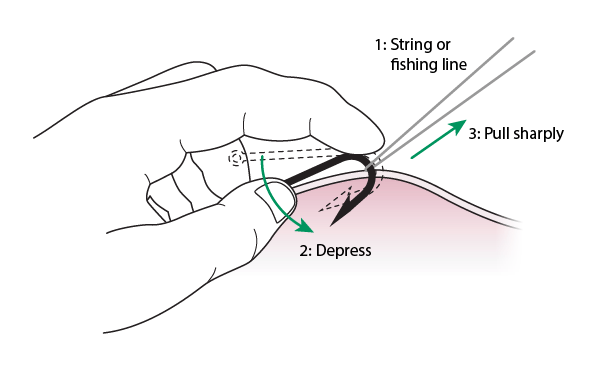
Credit: www.merckmanuals.com
Preventing Future Hook Injuries
Removing a fishing hook safely is essential to prevent future injuries. Carefully push the hook through the skin, then cut the barb off for easy removal. Always clean the wound thoroughly to reduce infection risk.
Preventing future hook injuries is crucial for every angler. Safety should always come first. By taking the right precautions, you can enjoy fishing without worry. Learning how to handle hooks properly is essential. Let’s explore some effective ways to prevent hook injuries.Proper Casting Techniques
Mastering casting techniques minimizes hook-related accidents. Keep a safe distance from others while casting. This reduces the risk of hooking someone accidentally. Ensure there’s no one behind you before you cast. Use smooth, controlled motions for better accuracy. Practice regularly to improve your casting skills.Storing Hooks Safely
Proper storage of hooks prevents injuries during transport or storage. Use tackle boxes with compartments to organize your hooks. This keeps them separate and easy to find. Always secure hooks in their designated spots. Avoid placing loose hooks in bags or pockets. Consider using hook covers for extra safety. They protect both the hooks and your fingers. Regularly check your storage for any loose hooks. Ensure everything is securely fastened before carrying your gear.Frequently Asked Questions
How To Remove A Fishing Hook From Yourself?
Clean the area with antiseptic. Push the hook through if the barb is visible. Cut the barb off. Remove the hook. Apply pressure to stop bleeding. Clean again and bandage. Seek medical help if needed.
How To Take Fish Off Hook Without A Tool?
Grip the fish gently and stabilize it. Push the hook backward through the entry point. Rotate and remove the hook carefully. Avoid harming the fish by keeping its body relaxed. Practice ensures safe removal without tools.
What Is The Best Tool For Removing Hooks From Fish?
The best tool for removing hooks from fish is a pair of needle-nose pliers. They offer precision and grip, ensuring safety for both fish and angler. Choose stainless steel for durability and rust resistance. Ensure the pliers are comfortable to handle for efficient hook removal.
How To Remove Fish Hook From Finger With Needle?
Clean the area with antiseptic. Gently push the hook through. Use a needle to widen the hole if necessary. Carefully cut the barb. Pull the hook out. Clean and bandage the wound. If needed, seek medical attention.
Conclusion
Removing a fishing hook needs care and patience. Follow steps to keep safe. Wash hands before starting. Use the right tools to help. Pliers work well for gripping. Cut the line to reduce tension. Push the hook in the opposite direction.
Clean the wound afterward. Seek help if you face problems. Always prioritize safety first. Practice makes perfect over time. Share tips with fellow fishing friends. Enjoy the fishing adventure responsibly. Relax and have fun out on the water.