

Are you ready to take your home workout to the next level? Imagine having your very own punch bag stand, sturdy and reliable, right in your living room or garage.
You don’t need to be a professional to build one; all it takes is a bit of guidance and the right materials. In this guide, you’ll discover the secrets to creating a punch bag stand that not only saves you money but also gives you the satisfaction of crafting something with your own hands.
Picture the ease of working out whenever you want, without the hassle of going to the gym. Stick with us, and by the end of this article, you’ll have the skills and confidence to build a punch bag stand that’s perfect for your needs. Let’s dive in and get started!
Materials And Tools
Gather sturdy materials like steel pipes and strong bolts for durability. Essential tools include a drill, wrench, and measuring tape.
Creating a punch bag stand is a rewarding DIY project. It requires careful selection of materials and tools. This ensures durability and stability for your workouts. Begin by gathering the right supplies and tools. These are crucial for building a robust stand.Essential Supplies
- Metal pipes or wooden beams: These form the structure.
- Concrete mix: Provides a solid base for support.
- Nuts and bolts: Secure the frame together.
- Sandbags or weights: Add stability to the stand.
- Paint or finish: Optional for weather resistance.
Choosing The Right Tools
- Drill: For making holes in metal or wood.
- Wrench: Tightens nuts and bolts securely.
- Saw: Cuts beams to the desired length.
- Level: Ensures the stand is straight.
- Measuring tape: Measures dimensions accurately.
Planning The Design
Creating a punch bag stand requires thoughtful planning. A well-designed stand ensures stability and durability. It also enhances your workout experience. Start by considering your space and needs. Then move on to sketching a blueprint that aligns with your vision.
Assessing Space And Requirements
Measure the area where the stand will be placed. Ensure there’s enough room for movement around the bag. Consider ceiling height if using an indoor space. Check for obstacles like furniture or fixtures. Decide on the type of workouts you’ll perform. This influences the stand’s height and weight capacity. Think about portability if you need to move the stand.
Sketching The Blueprint
Begin with a simple sketch. Outline dimensions based on your space assessment. Include details like height, width, and depth. Decide on materials like wood or metal. Consider the assembly process. Ensure the blueprint includes all necessary components. Visualize the final product for clarity. Adjust the design as needed for stability and safety.
Building The Base
Building a sturdy base is essential for a reliable punch bag stand. Use heavy-duty materials like steel pipes and concrete. Ensure the stand has a wide enough base to prevent tipping during use.
Building a solid base is crucial when constructing a punch bag stand. A sturdy foundation ensures that your stand can withstand vigorous workouts without toppling over. This step is often overlooked, but it is the backbone of your entire setup. It’s not just about keeping the stand upright; a well-built base enhances your training experience by providing stability. When I made my first punch bag stand, I underestimated the importance of a robust base and ended up with a wobbling mess. So, let’s make sure you get it right the first time.Selecting The Base Material
Choosing the right material for your base is the first step. You need something heavy and durable. Concrete is a popular choice due to its weight and sturdiness. If you’re looking for a more flexible option, consider using treated wood. It’s not as heavy as concrete but can be reinforced with sandbags or weights. Think about your environment. If your stand will be outdoors, opt for weather-resistant materials to avoid damage over time.Constructing A Stable Foundation
Once you have your material, it’s time to build. Start by determining the size of your base. A larger base provides more stability, especially during powerful punches. Cut your chosen material into the desired shape, usually a square or rectangle. Ensure all sides are even and smooth to avoid any imbalance. For added stability, you can drill holes into the base and insert anchor bolts. This will help secure the stand firmly to the ground, especially if you’re working with concrete. Consider adding adjustable feet to the corners of your base. This allows you to level the stand on uneven surfaces, providing an even more stable workout experience. Would you prefer a movable stand? Attach wheels to the base. Just make sure they have a locking mechanism to prevent any unwanted movement during your training sessions. Building the base might take some effort, but it’s worth it for a safer and more effective workout. What other creative solutions have you tried to stabilize your punch bag stand?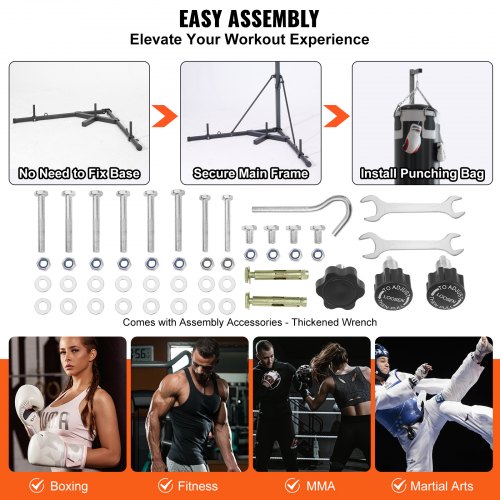
Credit: www.vevor.com
Assembling The Frame
Assembling the frame involves connecting metal pipes securely. Ensure all joints fit tightly to maintain stability. Use bolts to reinforce the structure, providing a sturdy base for your punch bag stand.
Assembling the frame for your punch bag stand is a rewarding process that requires a bit of patience and precision. Think of it as piecing together a puzzle—each component has its place and function. With the right tools and materials, you can create a sturdy and reliable structure to support your workout sessions.Cutting And Preparing The Frame
Begin by measuring the materials accurately. Use a tape measure and mark your cuts with a pencil. Remember, precision is key; even a small mistake can affect the stability of the stand. Once marked, cut the materials using a saw suitable for your chosen material. If you’re using wood, a handsaw or circular saw works well. For metal, opt for a hacksaw or angle grinder. After cutting, smooth the edges with sandpaper or a metal file. This step helps prevent injuries and ensures a snug fit when assembling the pieces.Joining Frame Components
Lay out your pieces in the order they will be assembled. This visual arrangement can help prevent mistakes. Are all your pieces present and correctly sized? Use brackets or a welding machine to join the parts securely. If you’re using wood, consider using wood glue in conjunction with screws or nails for added strength. Check the alignment of each joint. A misaligned frame can lead to instability. Adjust as needed before securing each connection tightly. Assembling the frame might seem daunting at first, but with careful attention to each step, you’ll find it both manageable and satisfying. Plus, creating something with your own hands adds a personal touch to your workout routine. Are you ready to see your hard work come together?Installing The Punch Bag
Creating a punch bag stand requires basic tools and sturdy materials. Ensure stability by using a strong base. Secure the bag with durable ropes or chains, adjusting the height to suit your practice needs.
Installing a punch bag on your homemade stand can transform a simple setup into a functional workout station. The process might seem daunting, but with a few steps, you can securely mount your punch bag for optimal use. This section will guide you through securing the bag hanger and adjusting for the ideal height and weight.Securing The Bag Hanger
To start, ensure your bag hanger is robust enough to handle the weight of your punch bag. A well-secured hanger is the foundation of your setup. Use durable screws and anchors to attach it firmly to the stand. Double-check each connection to prevent any accidents during your workout. A loose hanger can cause the bag to fall unexpectedly, which could lead to injuries. Do you have the right tools? A drill, screws, and a wrench are essentials. Having these tools ready can save you time and frustration.Adjusting For Height And Weight
Your punch bag should hang at a height that suits your training style. Generally, the center of the bag should align with your chest level. This ensures you can practice both high and low punches effectively. Consider the bag’s weight when adjusting the height. Heavier bags might require a lower setup to maintain stability. A lighter bag can be placed higher without risking the stand’s balance. Do you share your workout space? If others will use the punch bag, consider adjustable hooks. This allows you to quickly change the height to accommodate different users. Remember, the right adjustments can enhance your workout experience significantly. A well-placed punch bag can make your training more effective and enjoyable.
Credit: www.reddit.com
Ensuring Safety
Building a sturdy punch bag stand is key for safe workouts. Choose durable materials to ensure stability during intense training. Secure the stand firmly to prevent accidents and enhance your exercise experience.
Ensuring safety is crucial when building a punch bag stand. A stable and secure setup prevents accidents and enhances workout efficiency. Pay attention to details and materials. This ensures a safe environment for training.Checking Stability
Start by assessing the ground where the stand will sit. The surface should be level and hard. Uneven floors can cause the stand to wobble. A firm base helps maintain balance during intense workouts. Use a spirit level to check evenness. Adjust the ground if necessary. Ensure the frame is sturdy. Test the stand’s strength by gently shaking it. A stable stand won’t move easily. If it shakes, tighten loose bolts and screws. Secure all joints to prevent movement. Consider the weight of the punch bag. It should not exceed the stand’s capacity. Choose a stand designed to handle the weight.Reinforcing Weak Points
Identify potential weak spots in the stand. These include joints and connections. Reinforce them with additional brackets or supports. Use high-quality materials to strengthen these areas. Steel brackets offer durability. Inspect the mounting points. Ensure they are tightly secured. Loose mounts can cause the bag to detach. Use double-checking methods. Apply extra nuts or washers if needed. This adds stability and security. Consider using padding at contact points. This reduces wear and tear. It also minimizes noise during workouts. Ensure the padding is thick and durable. Replace it regularly to maintain protection. By focusing on stability and reinforcing weak points, safety is maximized. A secure punch bag stand enhances your training experience.Maintenance Tips
Building a sturdy punch bag stand requires choosing quality materials and ensuring balanced weight distribution. Use metal pipes or wood for durability and stability. Secure the base with concrete or sandbags for safety during intense workouts.
Maintaining your homemade punch bag stand is crucial for ensuring its longevity and functionality. Regular care not only extends its lifespan but also keeps your workouts safe and effective. So, what can you do to keep your stand in top shape? Dive into these maintenance tips and discover simple yet effective strategies to preserve your DIY masterpiece.Regular Inspection
Inspect your stand at least once a month. Look for signs of wear and tear. Check bolts and screws, making sure they’re tight and secure. Loose parts can lead to instability during workouts. Pay attention to the base. Ensure it’s stable and not wobbling. A shaky stand can disrupt your training routine. Examine the material used for the stand. Any rust or corrosion should be addressed immediately. Use a rust remover or a simple vinegar solution to clean affected areas.Troubleshooting Common Issues
Identify squeaky noises during use. This is often due to friction between components. Apply a lubricant like WD-40 to the noisy parts. If the stand wobbles or seems off-balance, adjust the base. Adding additional weight can help stabilize it. Consider using sandbags or heavy-duty weights. Notice any bends or dents? Reposition the stand to prevent further damage. Sometimes, a slight shift in position can alleviate stress on weaker areas. Think about your workout environment. Is it contributing to wear and tear? Humidity and moisture can affect metal stands. Relocate to a drier spot if necessary. By following these tips, your punch bag stand will remain a reliable partner in your fitness journey. How will you keep your stand in prime condition?Credit: www.costco.ca
Frequently Asked Questions
How Do You Stabilize A Freestanding Punching Bag?
Place the bag on a non-slip mat to prevent movement. Fill the base with sand for stability. Adjust the water level for weight balance. Position it away from walls to avoid tipping. Tighten any loose parts to ensure it stays firm during use.
How To Make A Standing Punching Bag At Home?
Create a base using an old tire and cement. Attach a sturdy pipe vertically. Secure a heavy bag filled with sand or fabric on top. Ensure stability by adding weights at the base. Adjust height as needed. Ensure safe usage by testing balance and durability.
How To Build A Homemade Punching Bag Hanger?
Secure a sturdy beam or joist in your ceiling. Use a heavy-duty hook or eye bolt. Attach chains or straps to the punching bag. Connect the chains to the hook securely. Ensure the bag hangs freely and safely for effective use.
Regularly check for wear and stability.
How To Hang Up A Heavy Punching Bag?
Use a heavy-duty ceiling mount or wall bracket for support. Drill holes and install bolts securely. Attach a strong chain to the bag. Hang it on the mount or bracket using carabiners. Ensure the setup can handle the bag’s weight and force.
Test for stability before use.
Conclusion
Building your own punch bag stand is a rewarding task. It saves money and lets you customize it to your needs. The process is simple with basic tools and materials. Follow the steps carefully and ensure stability for safety. Regular checks will keep it sturdy and ready for action.
This DIY project enhances your workout experience at home. Enjoy the satisfaction of using something you created. Now you’re ready to train like a pro!