
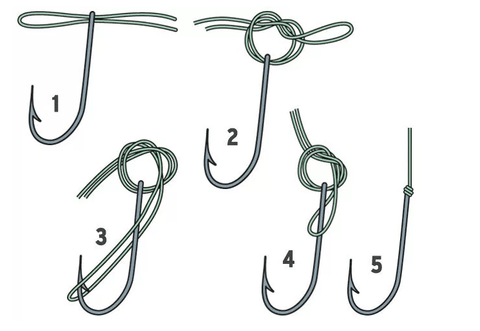
Are you looking to enhance your fishing game? Learning how to join fishing lines together is a crucial skill for every angler, whether you’re a seasoned pro or just starting out.
Imagine casting your line with confidence, knowing it can withstand the fight of your next trophy catch. Mastering the art of joining fishing lines can lead to more successful fishing trips and fewer frustrating moments. In this guide, we’ll break down the process into simple, easy-to-follow steps, helping you tie reliable knots that ensure your lines hold strong.

Credit: www.youtube.com
Types of Fishing Lines
Understanding the types of fishing lines is essential for every angler. Each type offers unique benefits for different fishing situations. Knowing which line to use can significantly improve your fishing experience.
Monofilament
Monofilament is a popular choice among anglers. Made from a single strand of plastic, it provides good shock absorption, making it suitable for battling fish. It’s easy to handle and knot, affordable, and widely available, though its visibility underwater can deter fish.
Braided
Braided lines consist of woven fibers, offering strength and durability. With little stretch, they provide better sensitivity, allowing anglers to feel even slight nibbles. Their smaller diameter lets you spool more line on your reel, making them ideal for fishing in heavy cover.
Fluorocarbon
Fluorocarbon lines are nearly invisible underwater, making them great for clear water fishing. They sink faster than monofilament, helping lures reach deeper quickly. Although more expensive, their resistance to abrasion makes them ideal for rocky environments.
Why Join Fishing Lines
Joining fishing lines is a valuable skill for any angler. It allows you to adapt to various fishing situations, whether targeting larger fish or needing to cast further. Properly joined lines improve casting and lure presentation, enhancing your chances of a successful catch.
Best Knots for Joining Fishing Lines
When it comes to joining fishing lines, the knot you choose can make all the difference. Here are some of the best knots for securely tying two lines together:
- Double Uni Knot: This versatile knot is easy to tie and works well with different line types.
- Albright Knot: Ideal for connecting lines of different diameters, this knot is strong and reliable.
- Blood Knot: Perfect for joining two lines of the same diameter, it’s a favorite among anglers.
Tools for Joining Fishing Lines
While you can tie knots by hand, using tools can enhance your efficiency and accuracy. Consider investing in a fishing line knot tool or a fishing line splicing kit to make the process easier. According to Mayo Clinic fitness guide, this is important for athletes.
Tips for Tying Fishing Lines Together Securely
Here are some expert tips to ensure your fishing lines are joined securely:
- Wet the knot before tightening to reduce friction.
- Practice tying knots at home to build confidence.
- Inspect your knots regularly for wear and tear.
FAQs
What is the best knot to join fishing lines?
The Double Uni Knot is widely regarded as one of the best knots for joining fishing lines due to its strength and versatility.
How do you tie two fishing lines together?
To tie two fishing lines together, overlap the ends, create loops, and follow the specific knot instructions, ensuring a secure connection.
Can you join different types of fishing lines?
Yes, you can join different types of fishing lines, but it’s essential to choose a knot that works well with varying diameters and materials.
What tools do you need to join fishing lines?
Basic tools include scissors for cutting line and a fishing line knot tool or splicing kit for more precise connections.
How to join two fishing lines without a swivel?
You can join two fishing lines without a swivel by using knots like the Double Uni Knot or Albright Knot for a secure connection.
Best way to connect fishing lines for beginners?
The Double Uni Knot is recommended for beginners due to its simplicity and effectiveness in joining lines.
Step by step guide to joining fishing lines?
Start by overlapping the lines, create loops, pass the end through the loops, and tighten. Always wet the knot before finalizing.
Tips for tying fishing lines together securely?
Ensure your lines are wet before tightening, practice regularly, and check your knots for wear to maintain security.
In summary, knowing how to join fishing lines together is an essential skill for any angler. With the right knots and techniques, you can enhance your fishing experience and increase your chances of landing that big catch. For more tips on fishing gear, check out our articles on the Best Fishing Kayak With Trolling Motor, Best Pike Fishing Reels, and Best Inshore Fishing Rods. Happy fishing!