
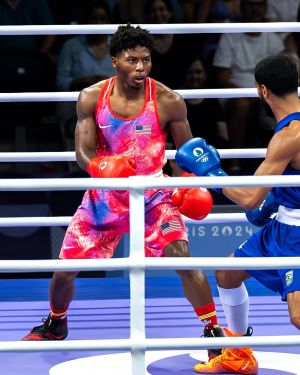
Have you ever wondered why Olympic boxers step into the ring without headgear? It’s a question that often pops up, especially if you’re tuning in to watch the intense, high-stakes matches.
You might assume that headgear is essential for safety, but the decision to remove it in Olympic boxing isn’t just about appearance. It’s a change driven by science, strategy, and a surprising blend of psychology and performance. By understanding the reasons behind this shift, you can gain deeper insight into how this decision impacts the athletes, the sport, and perhaps even your perception of boxing itself.
Stick around to discover the compelling reasons behind this significant change and how it might just alter the way you view Olympic boxing forever.
Credit: www.nss-sports.com
History Of Olympic Boxing
The history of Olympic boxing is rich and fascinating. Boxing debuted in the 1904 Olympics, marking a significant milestone in sports. Over the years, it evolved, adapting to various rule changes and safety measures. These changes shaped the sport, defining its unique place in the Olympic Games.
Evolution Of Rules
Olympic boxing rules have changed a lot since its inception. Initially, there were few safety regulations, leading to concerns. As awareness grew, officials introduced measures to protect athletes. Scoring systems also evolved, emphasizing skill and strategy. These adaptations made the sport more competitive and fair.
Introduction Of Headgear
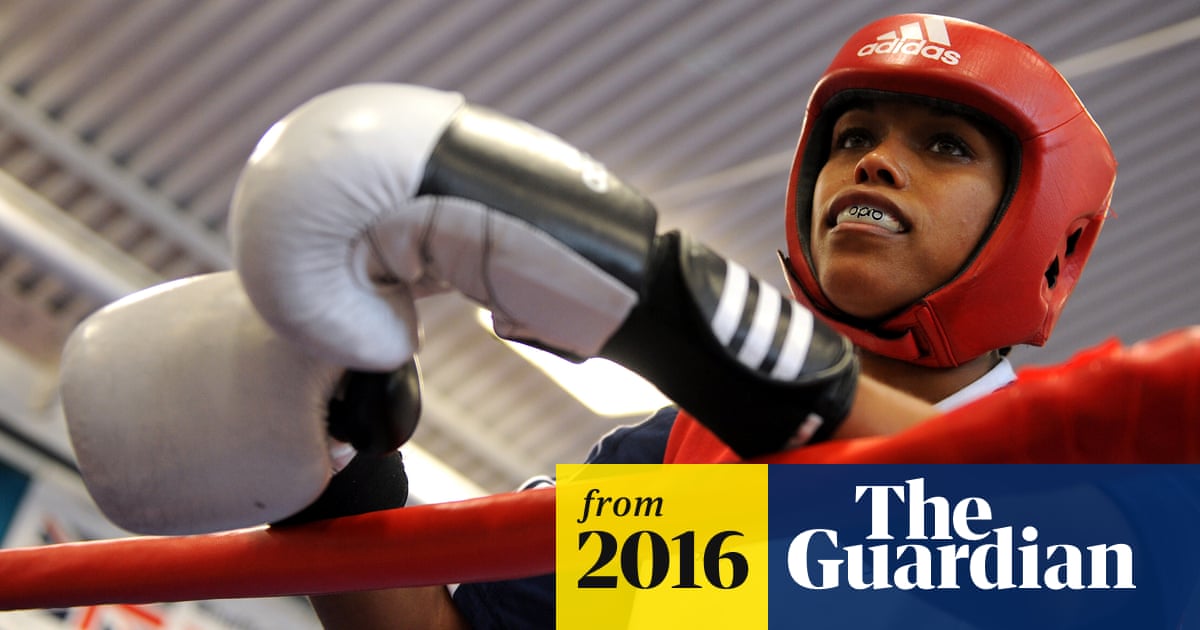
Headgear was introduced in Olympic boxing in 1984. This move aimed to enhance safety for boxers. It reduced the risk of cuts and head injuries during bouts. The introduction of headgear marked a significant shift in the sport. It prioritized athlete well-being while maintaining competitive spirit.
Credit: www.theguardian.com
Decision To Remove Headgear
The decision to remove headgear in Olympic boxing sparked widespread discussion. The change aimed to enhance safety and the overall experience for athletes. It was a significant shift from tradition, altering how fights are conducted and perceived. This move was not made lightly, involving careful consideration of multiple factors.
Role Of Aiba
The International Boxing Association, known as AIBA, played a crucial role. AIBA’s research suggested headgear might not prevent concussions effectively. Their studies indicated headgear could reduce peripheral vision, impacting performance. AIBA’s influence guided the decision-making process, prioritizing boxer safety.
Key Factors Considered
Several key factors were evaluated before removing headgear. Safety was the primary concern, focusing on reducing concussions. Visibility was another factor; clearer vision improved performance. Tradition and audience appeal were also considered, aiming to make fights more engaging. Together, these factors led to the headgear removal decision.
Safety Concerns
Safety concerns are a major reason for the absence of headgear in Olympic boxing. The decision aims to protect athletes. It may seem counterintuitive. But removing headgear can reduce certain risks. Understanding these concerns sheds light on this choice.
Impact On Concussions
Headgear was believed to protect against concussions. But studies show it may not reduce them. Athletes with headgear take more punches to the head. The false sense of security leads to riskier behavior. Without headgear, boxers become more cautious. They focus on defense and technique.
Studies And Research Findings
Research supports the removal of headgear for safety. AIBA conducted a study on head injuries. They found no significant difference in concussion rates. Another study showed improved visibility without headgear. Better vision helps boxers avoid punches. These findings influenced the decision.
Strategic Implications
The decision to remove headgear in Olympic boxing has sparked debate. It affects not just safety, but also strategy in the ring. Boxers and coaches must rethink their approach. This change impacts fighting styles and athletes’ perspectives on the sport.
Effect On Fighting Style
Without headgear, boxers need sharper defensive skills. They must rely on agility and precision. Footwork becomes crucial to avoid blows. Fighters also adjust their offensive strategies. Precision over power is often prioritized. This leads to cleaner, more technical bouts. Coaches emphasize head movement and guard techniques. Boxers learn to capitalize on opponents’ mistakes. The absence of headgear changes the rhythm of fights. It demands quick thinking and adaptability.
Athletes’ Perspectives
Some athletes welcome the change for its authenticity. They feel it aligns more closely with professional boxing. It offers a clearer view of their skills. Others express concern about increased risk. The chance of cuts and bruises rises without headgear. This can affect a boxer’s career longevity. Athletes must weigh these risks with potential benefits. The decision impacts their training and mental preparation. They must balance aggression with caution. Fighters often share mixed feelings about this evolution. Their perspectives provide insight into boxing’s dynamic nature.
Public Opinion
Public opinion plays a crucial role in sports decisions. The removal of headgear in Olympic boxing has sparked diverse reactions. Fans and media have weighed in heavily, showcasing varying perspectives.
Reactions From Fans
Many fans support the decision for no headgear. They believe it brings authenticity to the sport. It mirrors professional boxing, enhancing the viewing experience. Some fans feel it increases excitement. The potential for knockouts makes matches thrilling.
Yet, there are concerns about safety. Fans worry about head injuries without protective gear. They argue for athlete well-being over entertainment. This safety concern divides opinions among boxing enthusiasts.
Media Coverage
Media outlets have extensively covered this change. Headlines often focus on the safety debate. Articles explore both sides, showcasing expert opinions. Some reports highlight improved visibility and performance. Without headgear, athletes move more freely.
Journalists also discuss tradition versus modern practices. The shift reflects a move toward professional standards. This evolution in the sport garners significant attention. Media coverage influences public perception, shaping the narrative around this decision.
Comparisons With Other Combat Sports
Olympic boxing excludes headgear to improve visibility and safety, setting it apart from other combat sports. This decision aligns with professional boxing, emphasizing skill and strategy over protection.
Comparisons with other combat sports highlight the unique nature of Olympic boxing. Unlike professional boxing, Olympic boxing has distinct rules and equipment. One noticeable difference is the absence of headgear. This decision aligns Olympic boxing more closely with other combat sports. Understanding these comparisons can shed light on the reasons behind this choice.Mma And Boxing Differences
Mixed Martial Arts (MMA) and Olympic boxing have different safety gear requirements. MMA fighters do not use headgear during professional bouts. This decision emphasizes skill, movement, and defense. Olympic boxing aims to develop similar attributes in its athletes. Removing headgear encourages fighters to focus on technique and awareness. It mirrors the raw nature and excitement seen in MMA.Headgear Use In Amateur Leagues
Amateur leagues often require headgear for safety. It protects young or inexperienced fighters. Olympic boxing once shared this practice. In recent years, officials removed headgear in the Olympics for men. They found it could obscure vision and increase head injury risk. The change aims to reduce concussion rates and improve fighter safety. This aligns Olympic boxing more with professional standards.Future Of Headgear In Boxing
Boxing headgear has sparked many discussions. Some see it as safety, others see it as a hindrance. Olympic boxing removed headgear in 2013, aiming for fairer fights and better visibility. This decision stirred debates about its future. Will headgear make a comeback or stay out? The future of headgear in boxing is uncertain but intriguing.
Potential Rule Changes
Rule changes could alter boxing’s landscape. Safety is a major concern. Many argue headgear reduces injury risks. Authorities might revisit rules, considering new research. Headgear’s impact on visibility and performance is crucial. Future changes might balance safety and competition. Discussions are ongoing among decision-makers.
Ongoing Debates
Debates continue in boxing circles. Some argue headgear protects boxers. Others claim it gives a false sense of security. Studies show mixed results on its effectiveness. Fans and experts remain divided. The debate affects policies and boxing’s future. Voices on both sides are passionate and persistent.

Credit: www.youtube.com
Frequently Asked Questions
Why Did They Remove Headgear In Olympic Boxing?
Headgear was removed in Olympic boxing to reduce concussions. Studies showed headgear increased concussion risk by limiting peripheral vision. The change aimed to improve safety and make the sport more exciting.
Why Do Boxers In The Olympics Not Wear A Helmet?
Olympic boxers don’t wear helmets for enhanced visibility, better head movement, and reduced risk of concussions. AIBA, the governing body, removed headgear in 2013 for male boxers, citing studies showing a decrease in head injuries. Female boxers still wear headgear for safety.
Why Are Beards Not Allowed In Olympic Boxing?
Beards are not allowed in Olympic boxing for safety reasons. Facial hair can interfere with headgear fit and increase injury risks. Smooth faces ensure fair competition and protect athletes.
Do Olympic Boxers Have To Wear Headguards?
Olympic boxers do not wear headguards. Headguards were removed for male boxers in 2013. Female boxers still use them for safety. This change was made to improve visibility and reduce concussions during matches, aligning with professional boxing standards.
Conclusion
Olympic boxing without headgear brings excitement and fairness. Fighters showcase skills and endurance. It reduces injuries by avoiding false security from headgear. Better visibility helps judges make accurate decisions. Fans enjoy clearer action and dramatic bouts. Safety remains a priority with strict rules in place.
Athletes train hard and adapt to these changes. This move aligns with professional boxing standards. It promises thrilling matches while ensuring safety for boxers. The decision reflects evolving sports practices, balancing tradition with modern needs. Boxing remains a captivating sport, drawing global attention and admiration.