

Imagine you’re standing on the lush green fairway, the sun shining brightly, and you’re ready to take that perfect swing. But wait—how you grip your golf club can make all the difference between a perfect shot and a disappointing slice.
Whether you’re a beginner or looking to refine your technique, understanding how to grip a golf club correctly is the first step to improving your game. Do you ever find yourself frustrated by inconsistent swings or lack of control? You’re not alone.
Many golfers overlook the importance of their grip, which can lead to missed opportunities on the course. By learning the right grip, you can enhance your control, precision, and ultimately, your confidence in each swing. This article will guide you through the simple yet crucial steps of gripping a golf club correctly, helping you feel more connected to your game. Get ready to transform your golfing experience and unlock the potential of every swing. Are you ready to take your game to the next level? Let’s dive in!
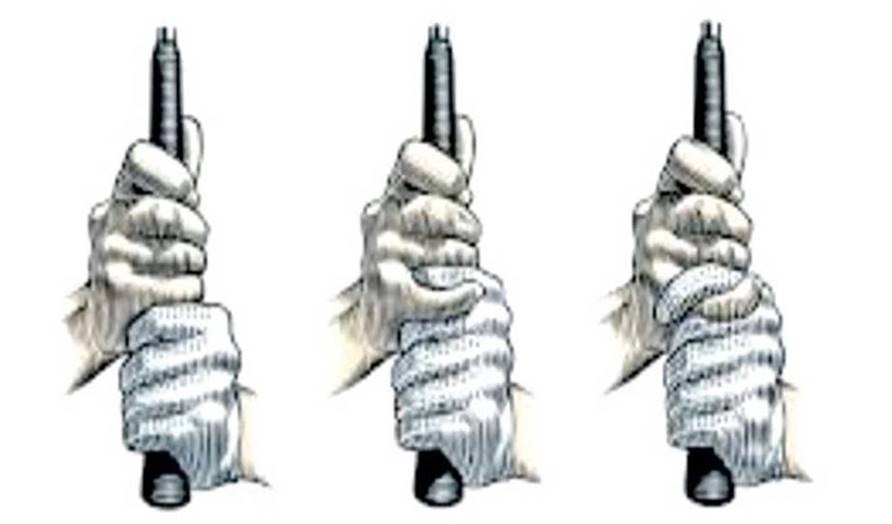
Credit: www.ballflightacademy.com
Choosing The Right Club
Choosing the right club begins with gripping it correctly. Hold the club lightly but firmly. Ensure your hands are aligned and relaxed. This helps improve control and accuracy.
Choosing the right golf club is just as crucial as mastering your grip. The wrong club can send your game into a downward spiral, causing frustration and missed opportunities. Whether you’re a beginner or a seasoned golfer, understanding the nuances of each club can dramatically improve your performance on the course.Types Of Golf Clubs
Golf clubs come in various types, each designed to serve a specific purpose. You’ll find drivers, irons, wedges, putters, and hybrids in a typical golf bag. – Drivers are used for long-distance shots, typically off the tee. – Irons are versatile and can be used for a variety of shots, whether you’re hitting from the fairway or rough. – Wedges are designed for short, high shots that need to land softly on the green. – Putters are used on the green to roll the ball into the hole. – Hybrids combine features of woods and irons, offering more forgiveness and ease of use. Each type of club has its own unique characteristics and is vital for different situations on the course.Factors To Consider
When choosing a golf club, several factors can influence your decision. Consider your skill level. Beginners might benefit from more forgiving clubs like hybrids. – Shaft material: Steel shafts offer control, while graphite shafts provide more distance. – Club head design: Larger club heads can offer more forgiveness. – Flexibility of the shaft: Affects the distance and trajectory of your shots. Also, think about the course you’re playing. Is it long with wide fairways, or short and tight? Each course demands a different strategy and club selection. Have you ever tried using a hybrid for a challenging shot and noticed the difference? Next time you’re on the course, pay attention to how different clubs respond to your grip and swing. Choosing wisely could be the key to lowering your score and boosting your confidence.Basic Grip Techniques
Gripping a golf club correctly enhances your swing and control. Position hands so palms face each other, ensuring a firm but relaxed hold. Align the club with your fingers, maintaining a light grip pressure for smooth movement.
Gripping a golf club correctly is essential for a good swing. Understanding basic grip techniques can improve your game. These grips offer different benefits. Each suits different players. Let’s explore three popular golf grips.The Overlapping Grip
The overlapping grip is common among golfers. It is also called the Vardon grip. Place the pinky of your trailing hand over the index finger of your lead hand. This grip offers control and a stable swing. Many golfers prefer it for its comfort. It connects both hands, ensuring a unified swing motion.The Interlocking Grip
The interlocking grip is favored by players with smaller hands. Interlock the pinky of your trailing hand with the index finger of your lead hand. This grip provides a secure hold on the club. It helps prevent the club from twisting during the swing. Golfers with strong grips often choose this method. It encourages a consistent and precise swing path.The Ten-finger Grip
The ten-finger grip is also known as the baseball grip. All fingers touch the club without overlapping or interlocking. This grip is ideal for beginners and those with weaker hands. It allows maximum power transfer from your hands to the club. The ten-finger grip simplifies the swing for new golfers. It offers a straightforward approach to gripping the club.Positioning Your Hands
Positioning your hands properly is essential for a correct golf club grip. Align your lead hand with the club’s handle, and wrap your fingers around it. Place the trailing hand below, ensuring both thumbs point down the shaft for a firm grip.
Positioning your hands correctly is vital for a solid golf swing. Good hand placement helps control the club and improves accuracy. It’s the foundation of a consistent golf stroke. Let’s explore how to position each hand on the golf club.Dominant Hand Placement
Your dominant hand leads the swing. Start by holding the club with your fingers, not your palm. The grip should feel snug but comfortable. Position the club so it rests diagonally across your fingers. Your thumb should lie straight down the shaft. This ensures control during your swing. Remember, avoid gripping too tightly. A gentle grip allows for better flexibility and movement.Non-dominant Hand Placement
Your non-dominant hand supports and guides the swing. Place it below your dominant hand on the club. Wrap your fingers around the grip, aligning them with the fingers of your dominant hand. Your thumb should rest lightly against the club. This hand helps stabilize the swing. Ensure both hands work together for balance. An even grip aids in a smooth, controlled swing.Adjusting Grip Pressure
Understanding how to grip a golf club correctly is crucial for your performance. One key aspect is adjusting the grip pressure. The right grip can impact your swing and control. Too tight or too loose can lead to issues. The goal is to find a comfortable grip that allows freedom of movement.
Finding The Right Balance
Grip pressure is about finding balance. A firm hold is necessary, but not too tight. A relaxed grip allows for fluid motion. Imagine holding a tube of toothpaste. Squeeze just enough to hold it, but not enough to squirt paste. This analogy helps in achieving the right pressure. Experiment with different pressures during practice. Notice how your swing changes with each adjustment.
Effects On Swing
The grip pressure directly affects your swing. A tight grip can restrict your wrist movement. This leads to a stiffer swing and less accuracy. A loose grip might cause the club to twist, leading to off-center hits. Consistent grip pressure ensures a smooth and controlled swing. It also helps in maintaining the club’s position throughout the swing. Adjusting pressure can improve your overall game and confidence.
Common Grip Mistakes
Gripping a golf club correctly is essential for a consistent swing. Many golfers make common grip mistakes that can affect their performance. Understanding these mistakes can help improve your game.
Too Tight Or Too Loose
A grip that’s too tight can restrict movement. It may lead to tension in your arms and shoulders. This tension can affect your swing speed and accuracy. On the other hand, a grip that’s too loose can cause the club to slip. You may lose control and miss your target. Finding the right balance is key. Aim for a firm but relaxed grip.
Incorrect Hand Placement
Hand placement plays a crucial role in your grip. Placing your hands too far apart can cause inconsistent shots. Your hands should work together as one unit. If your hands are not aligned properly, it can lead to slicing or hooking. Ensure your thumbs point down the shaft. This alignment helps in achieving a straight shot.
Practicing Your Grip
A proper golf grip is essential for control and accuracy. Hold the club with relaxed hands, ensuring your palms face each other. Align thumbs and forefingers to create a ‘V’ shape pointing towards your shoulder.
Practicing your grip is essential to mastering your golf swing. Consistent practice hones your technique, helping you gain confidence on the course. By paying attention to how you hold your club, you set the foundation for a successful swing. A good grip can make or break your game, and like any skill, it requires dedication and repetition. Consider how often you practice your grip. Are you giving it the attention it deserves?Drills For Improvement
Engage in drills that focus solely on grip strength and positioning. Try the “10-Finger Drill,” where you grip the club with all ten fingers and practice swinging without hitting a ball. This exercise helps you feel the club’s weight and understand the pressure your hands should exert. Another effective drill is the “Grip and Release.” Hold the club at address and practice releasing it through your swing, focusing on maintaining the grip pressure. These drills not only build muscle memory but also improve your overall control.Consistency In Grip
Consistency is the key to a reliable golf game. Ensure your grip is the same every time you pick up the club. Use alignment aids like a marker on the glove or a specific position on the club handle to maintain uniformity. Reflect on your practice sessions. Do you notice any changes in your grip under pressure? Maintaining a consistent grip, even in stressful situations, will improve your game significantly. Consider keeping a journal to track your grip practice and progress over time. By focusing on these practical steps, you can develop a grip that feels natural and enhances your performance on the course. Are you ready to see how a small change in grip can lead to big improvements in your game?Professional Tips
Correctly gripping a golf club improves your swing. Hold the club with a relaxed grip and ensure your hands work together. Align your thumbs with the shaft for better control and precision.
Gripping a golf club correctly is a subtle art that can dramatically influence your game. Mastering the grip not only enhances your control but also boosts confidence on the course. Professional tips can guide you in refining this essential skill, ensuring each swing is executed with precision and power.Advice From Golf Pros
Golf professionals often emphasize the importance of a neutral grip. This means your palms should face each other, providing balance and stability. A pro tip is to check your grip pressure; it should be firm yet relaxed. Imagine holding a tube of toothpaste without squeezing any out—this helps maintain consistency in your swing. Another insight from the pros is to align the V-shapes created by your thumbs and index fingers towards your right shoulder (for right-handed golfers). This alignment aids in directing your shots and reducing unwanted spins. Take note of how your favorite golfer holds their club—it can be enlightening.Adapting To Personal Style
While professional advice is invaluable, it’s crucial to adapt the grip to suit your style. Some players prefer the interlocking grip, while others find the overlapping grip more natural. Test both methods on the driving range to see which feels more comfortable. Remember, your grip should complement your swing style. If you have a faster swing, you might need a firmer grip to maintain control. Conversely, a slower swing might benefit from a lighter grip for added flexibility. Reflect on your grip after each game. Ask yourself if it felt natural or if it hindered your performance. Personalizing your grip can be a game-changer, turning frustration into satisfaction with every stroke.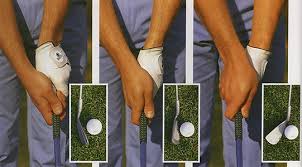
Credit: www.ballflightacademy.com
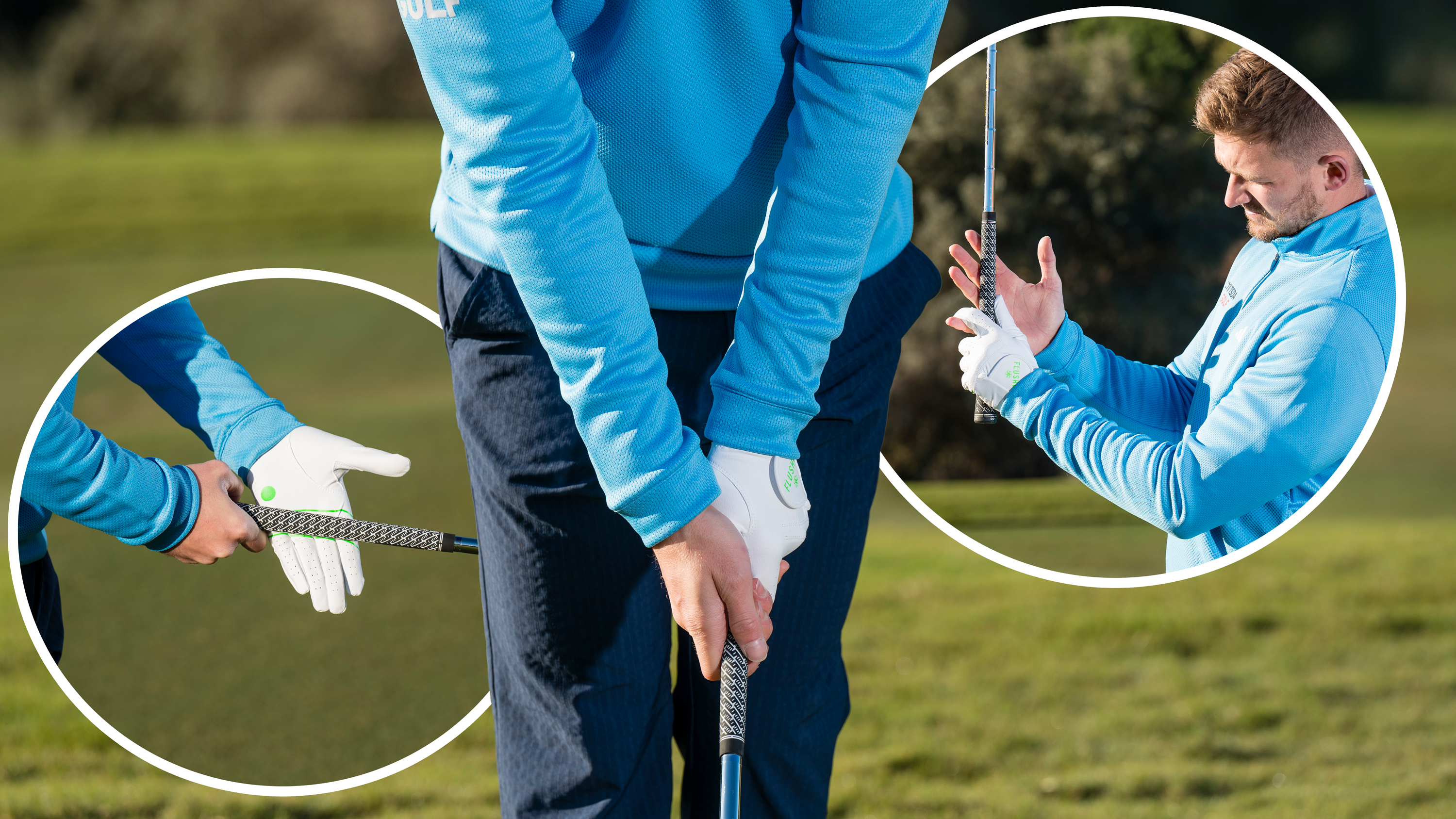
Credit: www.golfmonthly.com
Frequently Asked Questions
What Is The Right Way To Grip A Golf Club?
Grip the club with your lead hand first, placing it diagonally across your fingers. Wrap your trail hand below, positioning it comfortably. Align both thumbs down the shaft for control. Ensure grip pressure is firm but relaxed, allowing for a smooth swing.
Practice regularly for consistency.
What Are The 3 P’s In Golf?
The 3 P’s in golf are posture, pivot, and path. Posture ensures proper stance and alignment. Pivot refers to the body’s rotation during swings. Path is the direction the club travels, impacting shot accuracy and distance. Mastering these fundamentals can significantly enhance your golf performance.
What Are Some Common Grip Mistakes?
Common grip mistakes include holding too tightly, improper thumb placement, and incorrect finger positioning. Ensure your grip is relaxed, fingers are properly aligned, and thumbs are placed correctly. Avoid over-gripping to maintain control and precision. Proper grip enhances performance and reduces fatigue.
What Is The Best Golf Grip For Distance?
A strong grip is best for maximizing golf distance. It enhances power by enabling a firm hold on the club. Position your hands so that more knuckles are visible on the lead hand, ensuring better control and increased swing speed.
Practice regularly to maintain consistency and improve performance.
Conclusion
Gripping a golf club correctly enhances your swing and accuracy. Practice makes perfect. Start with the basics and gradually improve your grip. Feel the club in your hands. Adjust for comfort and control. Consistency is key in golf. Watch professionals and learn from their technique.
Experiment with different grips to find what suits you best. Stay relaxed and focused. A proper grip reduces tension and improves your game. Remember, every golfer is unique. Find your style. Enjoy the process. Play regularly and make small adjustments.
Your grip can make a big difference in your performance.