
Are you ready to step into the ring and unleash your inner champion? Finding the right boxing trainer can make all the difference in your journey to becoming a skilled fighter.
Whether you’re a complete beginner or looking to refine your technique, having a knowledgeable and experienced coach by your side is crucial. Imagine having someone who not only teaches you the ropes but also motivates and pushes you to reach your full potential.
In this guide, you’ll discover practical tips and strategies to help you find the perfect boxing trainer who matches your needs and goals. Get ready to learn how you can transform your boxing skills and achieve the results you’ve been dreaming of. Ready to punch above your weight? Let’s dive in and find your ultimate boxing mentor.
Finding The Right Trainer
Finding the right boxing trainer can significantly impact your journey in the sport. The right trainer not only improves your skills but also motivates you to push beyond your limits. So, how do you find the perfect match for your training needs?
Research Local Gyms
Start by exploring gyms in your area that offer boxing classes. Visit their websites, read reviews, and check their social media pages for insights into their programs. You might even drop by for a class to observe the environment and interact with members.
Ask yourself, does the gym have a welcoming atmosphere? Are the facilities well-maintained? A positive environment can enhance your training experience.
Check Trainer Credentials
Once you’ve shortlisted a few gyms, dive into the credentials of the trainers. Look for certifications, years of experience, and any notable achievements in the boxing world. A well-qualified trainer should have a solid background and a track record of success.
Don’t hesitate to ask potential trainers about their journey and experience. A genuine trainer will be open about their past and eager to share their passion for boxing.
Assess Training Style
Every trainer has a unique approach to coaching. Attend a trial session or watch them during a class to observe their methods. Do they emphasize technique, endurance, or strategy?
Consider how their style aligns with your goals. If you’re aiming for competitive boxing, a trainer with a focus on sparring and competition might be ideal. On the other hand, if you’re boxing for fitness, someone who prioritizes conditioning might suit you better.
Ultimately, your trainer should inspire you and make you look forward to each session. Are they someone you can trust to guide you on your boxing journey?

Credit: www.instagram.com
Setting Goals And Expectations
When beginning your boxing journey, setting clear goals is crucial. Knowing what you want helps in choosing the right trainer. It shapes your training experience and ensures satisfaction.
Define Your Boxing Objectives
Ask yourself why you want to box. Is it for fitness, competition, or self-defense? Identifying your main goal will guide your trainer search. It helps in finding someone who matches your focus. A trainer specializing in fitness might not be ideal for competitive boxing.
Discuss Training Frequency
Consider how often you want to train. Daily sessions require a different commitment than weekly ones. Discuss your availability with potential trainers. Make sure they can match your schedule. Consistent training leads to better results.
Communicate Personal Preferences
Be open about what you want from a trainer. Do you prefer strict guidance or a more relaxed approach? Sharing your preferences ensures you find a compatible trainer. It helps in building a strong trainer-trainee relationship. This communication leads to a more enjoyable experience.
Budgeting For Training
Finding a boxing trainer within your budget is essential. Compare rates and ask about any additional costs. Consider group sessions for a more cost-effective option.
Getting a boxing trainer can be a rewarding experience. But budgeting for training is essential. Understanding your financial commitment helps you make informed decisions. Let’s explore how you can manage costs effectively.Understand Costs
Boxing training costs vary widely. Private sessions are often pricier. Trainers charge based on their experience. Location also affects pricing. Urban areas might have higher rates. Some trainers include equipment in fees. Others might charge separately. Always inquire about what’s included.Explore Payment Options
Flexibility in payment can ease financial stress. Some trainers offer monthly packages. These can be cheaper than single sessions. Ask about discounts for upfront payments. Installment plans might be an option. Always clarify payment terms before starting.Consider Group Sessions
Group sessions can save you money. They often cost less per person. Training in a group is also motivating. You learn from others and build camaraderie. Check if the trainer offers group classes. Ensure the group size allows for personal attention.Trial Sessions And Evaluations
Trial sessions offer a chance to evaluate a boxing trainer’s style and teaching methods. These sessions help in understanding their communication skills and coaching techniques. Observing a trainer’s interaction with other trainees can also provide valuable insights.
Trial Sessions and Evaluations Choosing a boxing trainer is a significant decision that can impact your progress and enjoyment in the sport. Trial sessions and evaluations are crucial to making an informed choice. These sessions allow you to experience the trainer’s style and techniques firsthand, giving you a taste of what training under them would be like. Evaluating your experience during these trials helps ensure you find a trainer who matches your goals and preferences. Here’s how you can make the most of these sessions:Schedule Initial Meetings
Begin by arranging a few trial sessions with potential trainers. This allows you to see their skills in action and discuss your fitness goals directly. Ask about their experience and training philosophy. A face-to-face meeting helps you gauge their enthusiasm and dedication to training you effectively.Observe Trainer Interaction
During the trial sessions, pay close attention to how the trainer interacts with you. Are they attentive and responsive to your needs? Do they offer constructive feedback and motivate you? A good trainer should be able to adapt their coaching style to suit your learning pace and comfort level.Assess Personal Compatibility
Compatibility goes beyond training techniques. Consider your personal comfort with the trainer. Do you feel at ease communicating with them? Is their approach inspiring and motivating to you? Finding a trainer who aligns with your personality can make a huge difference in your boxing journey. Trial sessions and evaluations are your opportunity to test the waters before diving in. What factors are most important to you when choosing a trainer?Building A Training Plan
Finding the right boxing trainer can elevate your skills. Look for experienced trainers with a solid track record. Visit local gyms and ask for recommendations to find a match for your style.
Building a training plan with a boxing trainer is crucial. A well-structured plan can elevate your skills. It includes tailored workouts, nutrition guidance, and progress tracking. Each part plays a vital role.Customize Workouts
Every boxer has different needs. A good trainer will customize workouts. This ensures you target your strengths and weaknesses. Expect a mix of cardio, strength, and technique drills. Consistency and variety keep your body challenged and prevent boredom.Incorporate Nutrition Advice
Nutrition is key in boxing training. Your trainer can suggest a diet plan. It should match your training intensity. Proper nutrition boosts energy and aids recovery. Focus on balanced meals with proteins, carbs, and fats. Hydration is also essential for peak performance.Track Progress
Monitoring progress helps you stay motivated. Your trainer should keep records of your improvements. Use metrics like speed, power, and endurance. Set short and long-term goals. Regular assessments show how far you’ve come and what needs work.Adjusting And Evolving
Boxing isn’t just about throwing punches; it’s a dynamic sport that demands constant growth and adaptation. As you embark on your journey to find the perfect boxing trainer, remember that adjusting and evolving is a crucial part of the process. You and your trainer will need to adapt to changing skills, modify goals, and continuously evaluate effectiveness to ensure you’re on the right path.
Adapt To Skill Development
Every boxer progresses at their own pace. As you refine your technique and gain experience, your training needs will shift. A good trainer should recognize your evolving skills and adjust their coaching methods accordingly. Imagine this: You’re mastering footwork, but struggling with uppercuts. Your trainer should pivot to focus more on uppercuts, ensuring you continue to develop comprehensively.
Consider asking yourself, “Am I learning something new each session?” If the answer is yes, your trainer is likely adapting well. If not, it may be time to discuss your needs and explore new strategies together.
Modify Goals As Needed
Your initial boxing goals might be to improve fitness or learn self-defense. As you progress, these goals can change. Maybe you develop a passion for competitive boxing or aim to perfect a specific technique. It’s essential to communicate these evolving aspirations with your trainer.
Regularly revisit your goals with your trainer. Are they still relevant? Have new ambitions emerged? By keeping your goals flexible and open to change, you ensure a training regimen that keeps you motivated and on track.
Evaluate Trainer Effectiveness
A trainer’s effectiveness isn’t just about their expertise; it’s about their ability to inspire and challenge you. Ask yourself, “Do I feel motivated and supported?” Your trainer should be someone who pushes you out of your comfort zone while providing constructive feedback.
Seek feedback from fellow boxers or observe other training sessions to gauge your trainer’s methods. If you find areas lacking, discuss them openly with your trainer. Remember, it’s a partnership aiming for your growth. Keep the communication lines open to evaluate and enhance your training experience continually.
Networking And Community Engagement
Finding a boxing trainer can be challenging. Networking and community engagement are key strategies. These methods connect you with passionate individuals in the boxing world. Building relationships here can lead to finding the perfect trainer. Whether you’re a beginner or advanced, the right connections make all the difference.
Join Boxing Forums
Online boxing forums offer valuable insights. They’re filled with experienced boxers and trainers. Participate actively to gain knowledge and contacts. Share your experiences and learn from others. Forums often list recommendations for local trainers. This is a great starting point.
Attend Local Events
Local boxing events are perfect for networking. They attract trainers and enthusiasts alike. Attend matches and exhibitions in your area. Introduce yourself to trainers and fellow fans. Express interest in finding a trainer. Your enthusiasm can open doors to new opportunities.
Connect With Fellow Trainees
Fellow trainees are excellent resources. They can share their experiences and recommendations. Join local boxing classes and meet other trainees. Discuss your goals and challenges openly. Building friendships in these classes can lead to trainer referrals. A shared passion creates strong bonds and helpful connections.

Credit: www.walmart.com
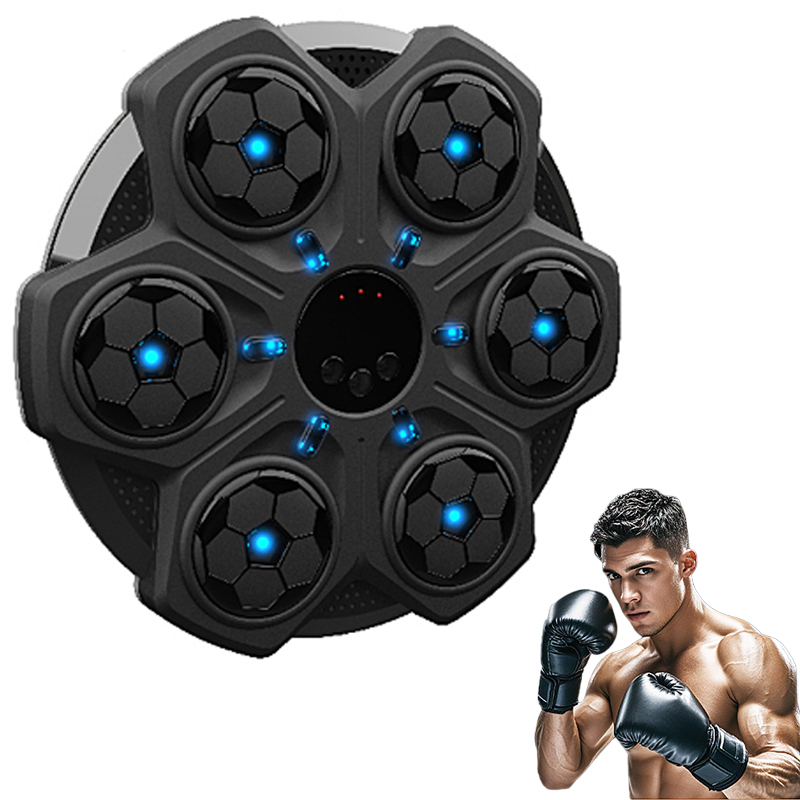
Credit: www.alibaba.com
Frequently Asked Questions
How Do I Find A Good Boxing Coach?
Research local gyms and read reviews. Ask for recommendations from experienced boxers. Check the coach’s credentials and experience. Attend a session to observe their teaching style. Ensure they prioritize safety and personal growth.
Do I Need A Trainer To Learn Boxing?
Having a trainer helps you learn boxing techniques efficiently. Trainers offer guidance, personalized tips, and motivation. Self-learning is possible, but professional advice accelerates progress and ensures safety. Consider your goals and resources before deciding.
How Much Do Boxers Pay Their Trainers?
Boxers typically pay their trainers 10% to 15% of their fight earnings. This percentage can vary based on agreements. Factors influencing pay include the trainer’s experience and the boxer’s earnings. Some trainers may also receive bonuses for fight victories or exceptional performance.
How Much Does It Cost To Train In Boxing?
Boxing training costs vary widely. Expect to pay $50 to $200 monthly for gym memberships. Personal training sessions range from $30 to $100 per hour. Prices depend on location, trainer experience, and facility amenities. Consider equipment costs like gloves and wraps.
Research and compare local gyms for best rates.
Conclusion
Finding the right boxing trainer is crucial. It shapes your journey in the ring. Explore options. Ask for recommendations from friends. Visit local gyms. Observe their training style. Check their credentials. Take your time choosing. A good trainer boosts your skills.
They motivate and guide you. They teach techniques and strategies. You need someone who understands your goals. Someone who supports your progress. Choose wisely and start your boxing adventure. Feel the excitement and challenge. Boxing can change your life. Stay committed and enjoy every punch.