
Picture this: you’re out on the river, surrounded by nature’s beauty, with the perfect cast and a bite on your line. But as you reel in your catch, the struggle begins—how do you handle your fly fishing net efficiently?
You might think it’s just a simple tool, but carrying and using it properly can change your entire fishing experience. Imagine fewer frustrations and more successful catches. This guide is your ticket to mastering the art of carrying a fly fishing net.
From choosing the right gear to practical tips for seamless use, let’s dive in and ensure your next fishing trip is not only productive but also enjoyable. Ready to upgrade your fly fishing game? Read on, because your adventure is just beginning.
Choosing The Right Fishing Net
Choosing the right fishing net is crucial for a successful fly fishing experience. It’s not just about snagging the fish; it’s about doing it efficiently and humanely. Picking the right net can make your fishing trips more enjoyable and environmentally friendly.
Material Considerations
When selecting a fishing net, the material is a key factor. Nylon nets are lightweight and durable, making them great for long trips. However, rubber nets are gentle on fish, reducing harm and stress. Consider what matters most to you: durability or fish welfare?
Size And Shape
Size and shape affect how you carry and use the net. Small nets are easier to maneuver in tight spots. Larger nets can handle bigger catches but may be cumbersome. Oval shapes often offer a balance between reach and storage ease. Think about the fish species you target and the environments you fish in.
Handle Design
The handle design influences comfort and control. Short handles are compact and easy to store, ideal for quick access. Longer handles provide extended reach, useful in deeper waters or for bigger fish. Consider the handle grip as well; it should be comfortable and slip-resistant.
Have you ever struggled with a heavy, awkward net? Choosing the right material, size, and handle design can transform your fly fishing adventures. Which feature do you prioritize in your fishing net selection?

Credit: www.flyfisherman.com
Attaching The Net Securely
Securely attach a fly fishing net by using a reliable clip or magnet. Ensure it hangs comfortably and remains accessible for quick use. Keep the net within reach, avoiding tangles or obstructions, to make your fishing trip efficient and enjoyable.
Attaching the net securely is crucial for a successful fly fishing trip. A well-attached net ensures easy access and prevents loss. Proper attachment methods can enhance your fishing experience. Here are effective ways to secure your fly fishing net.Using Magnetic Net Holders
Magnetic net holders offer quick access. Attach one magnet to your vest. Connect the other to your net. The strong magnetic force holds them together. This setup allows for easy detachment. When you need the net, pull it away. It’s simple and efficient.Carabiner Clips And Tethers
Carabiner clips are popular among anglers. Clip one end to your belt or pack. Use a tether to secure the net. This method prevents accidental drops. The net stays attached even in swift currents. Adjust the tether length for comfort. Carabiners are easy to use and reliable.Diy Attachment Methods
DIY methods can be cost-effective. Use a rope or strong cord. Tie one end to your net. Attach the other to your gear. Ensure knots are tight and secure. Experiment with different materials. Find what works best for your needs. DIY methods offer flexibility and creativity.Optimal Placement On Your Body
Optimal Placement on Your Body: Secure the fly fishing net at the back of your vest or belt. This keeps it accessible and prevents tangling while casting.
Finding the optimal placement for your fly fishing net can greatly enhance your fishing experience. The right positioning ensures quick access, prevents tangling, and keeps the net secure. Whether you prefer hip, waist, or backpack placement, choosing the right spot is key to a seamless fishing adventure.Hip And Waist Placement
Carrying your net at the hip or waist offers immediate access. This method is ideal for quick netting when you have a fish on the line. Use a belt clip or a retractable cord to keep the net secure yet easily reachable. I remember a day when my net was perfectly positioned at my waist. The river was flowing fast, and the fish were biting. Thanks to the accessible placement, I managed to net a large trout without losing my footing.Backpack And Vest Integration
Integrating your net with a backpack or vest is excellent for longer fishing trips. This method distributes weight evenly and leaves your hands free. Look for vests with built-in loops or backpacks with D-rings to attach the net. Consider how often you’ll need to access the net. If you’re moving through dense brush or wading through water, backpack placement keeps the net out of the way yet ready when needed.Adjusting For Comfort
Comfort is crucial when carrying your net for extended periods. Adjust straps and clips to avoid strain on your shoulders or back. A well-placed net should feel almost invisible as you focus on casting and catching. Try different placements to find what works best for you. Could a slight adjustment make your fishing day more enjoyable? Remember, the goal is to make your net feel like a natural extension of your gear. By strategically placing your fly fishing net, you enhance your efficiency and enjoyment on the water. Each method has its own advantages, and the best choice depends on your personal fishing style and environment.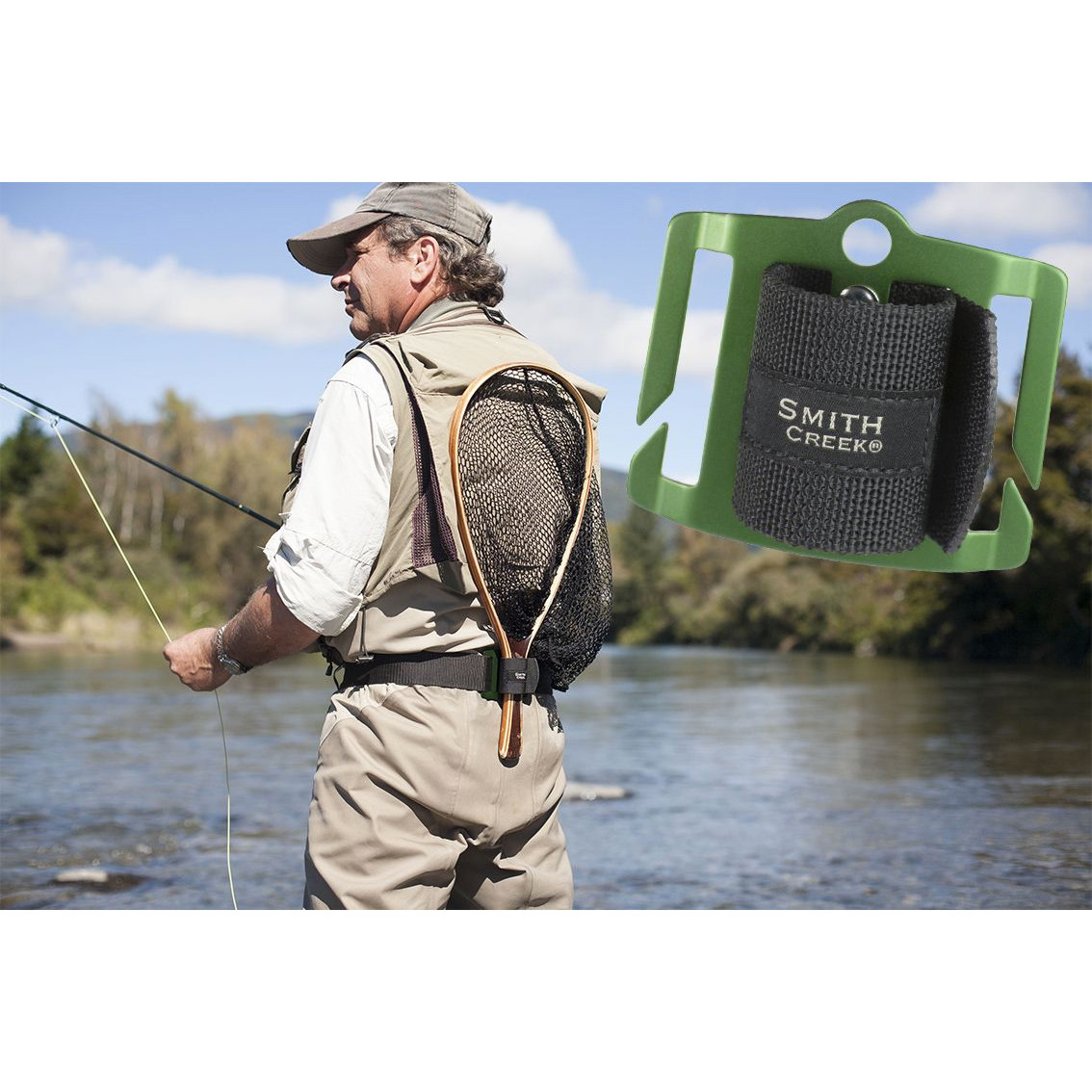
Credit: www.ebay.com
Efficient Techniques For Quick Access
Having quick access to your fly fishing net can make all the difference in landing your catch efficiently and smoothly. Imagine the satisfaction of scooping up a prize fish without fumbling or missing a beat. Efficient techniques for quick access are not just practical—they enhance your overall fishing experience by keeping you focused on the thrill of the catch rather than the tools you’re using.
One-handed Retrieval
One-handed retrieval is a game changer on the water. Picture yourself holding your rod in one hand, ready to pull in the fish, while effortlessly grabbing your net with the other. The key is to secure your net in a position that allows easy access. Attach it to your belt or vest with a magnetic holder or retractable lanyard. This way, when the moment comes, a simple pull brings it swiftly to your hand.
Positioning For Swift Movement
Positioning your net strategically can streamline your fishing routine. Think about where you spend most of your time casting—your net should be easily reachable in those moments. Whether it’s attached to your side or hanging from your back, ensure it’s positioned for quick, fluid movements. You’ll avoid unnecessary delays and keep your focus on the fish.
Avoiding Snags And Tangles
Avoiding snags and tangles is crucial for maintaining efficient net access. Ever found yourself struggling with a tangled net while a fish gets away? Choose a net with a rubberized mesh to minimize tangling. Additionally, keep your net secured when not in use to prevent it from catching on branches or gear. This simple precaution lets you stay ready for action at all times.
These techniques can transform your fly fishing experience. How will you adjust your net handling to improve your catch rate? By optimizing net access, you’ll find yourself more focused on the excitement of the chase, ready to seize every opportunity that comes your way.
Maintaining Balance And Mobility
Carrying a fly fishing net efficiently ensures smooth movement and safety. Attach the net to your vest or belt for easy access. Keeping it close prevents tangling and allows quick retrieval while fishing.
Maintaining balance and mobility is crucial when carrying a fly fishing net. A well-balanced setup ensures that you move freely without hindrance. This can make your fishing experience more enjoyable and successful. Explore how to achieve optimal balance and mobility with these essential tips.Balancing Weight Distribution
Distribute weight evenly to maintain balance. Position the net in a way that doesn’t pull you off balance. Use a net holder or clip attached to your wading belt. This keeps the net secure and weight centered. Choose a lightweight net to reduce strain on your body. Adjust straps or attachments for a snug fit. An even distribution allows for smooth, natural movements.Ensuring Unrestricted Movement
Unrestricted movement is key when navigating streams. Attach the net where it won’t snag on branches or rocks. Use a retractable leash for quick access when needed. Keep the net close to your body to avoid swinging. Adjust the position to prevent it from interfering with casting. A streamlined setup enhances your ability to move swiftly and efficiently.Adapting To Changing Conditions
Adapt your setup based on conditions. Adjust the net’s position if the terrain changes. In deeper water, keep the net higher to avoid dragging. Shift the net to a more accessible spot during active fishing. Practice adapting your gear setup to different scenarios. This flexibility ensures you’re ready for any situation.Care And Maintenance Tips
Carrying a fly fishing net requires mindful techniques to ensure ease and efficiency. Secure the net on your back with a magnetic clip for quick access. Opt for lightweight nets to reduce strain and maintain comfort during long fishing sessions.
Taking good care of your fly fishing net ensures its longevity and functionality. A well-maintained net not only helps you land fish safely but also protects the delicate environment you love. Let’s dive into some practical care and maintenance tips that will keep your net in top shape.Cleaning Your Net Properly
After every fishing trip, rinse your net with fresh water to remove dirt, sand, and other residues. This simple act prevents the buildup of harmful substances that can degrade the material over time. Use a soft brush to gently scrub the mesh, ensuring no debris is caught in the weave. Consider using a mild detergent for a deeper clean occasionally, especially if you’ve been fishing in saltwater. Salt can be corrosive, and a gentle wash helps maintain the net’s integrity. Avoid harsh chemicals that can weaken the fabric and harm aquatic life.Regular Inspections
Make it a habit to inspect your net regularly for any signs of wear and tear. Small rips or holes might seem insignificant but can lead to bigger problems if ignored. Check the handle and the frame for any cracks or damage. Tighten any loose screws or fittings to ensure your net is sturdy and reliable when you need it most.Repair And Replacement
If you spot any damage, repair it promptly to prevent further deterioration. Many nets come with repair kits, making it easy to patch holes or fix tears yourself. Sometimes, replacement is the best option, especially if the netting is beyond repair or the handle is compromised. Investing in a high-quality replacement can save you trouble and enhance your fishing experience. Have you ever had a net fail just as you were about to land a big catch? Taking these preventive steps can help you avoid such disappointments and keep your gear in excellent condition.
Credit: www.facebook.com
Frequently Asked Questions
How To Carry A Net When Fly Fishing?
Use a magnetic net release on your vest or backpack for easy access. Attach the net handle to a retractable cord or carabiner for secure carrying. Ensure the net is within reach for quick fish handling. Keep it lightweight for comfort during long fishing trips.
How To Travel With A Fly Fishing Net?
Use a collapsible fly fishing net for easy packing. Secure it in your luggage or carry-on. Ensure it’s clean to avoid issues at customs. Consider protective casing to prevent damage. Check airline regulations for carry-on restrictions. Attach it to your backpack for convenience and easy access during travel.
How To Store Trout Net?
Store your trout net in a dry, cool place. Rinse it with fresh water after use to remove debris. Hang it to dry completely before storing. Avoid direct sunlight to prevent damage. Use a breathable storage bag to protect it from dust and pests.
How To Roll Up A Fishing Net?
Lay the net flat on the ground. Start rolling tightly from one end. Ensure no tangles or knots. Secure with ties or straps. Store in a dry, safe place.
Conclusion
Carrying a fly fishing net can seem tricky, but it’s quite simple. Attach the net to your belt or vest for easy access. This helps keep your hands free for casting. Choose a net with a comfortable grip. It should be lightweight, but durable.
Practice using the net while fishing. It builds confidence and skill. Keep the net secure to avoid losing it in water. Remember, the right technique makes fishing enjoyable. Now, you’re ready for the next fishing adventure. Enjoy the tranquility and thrill of fly fishing with ease.