
Are you excited about hitting the soccer field with your brand-new cleats, only to find them feeling stiff and uncomfortable? You’re not alone.
Breaking into soccer cleats can be a challenge, especially when they’re fresh out of the box. But don’t worry—this article will guide you through simple, effective methods to ensure your cleats fit like a glove, enhancing your performance and comfort on the field.
Imagine gliding effortlessly, making every pass and kick with precision, all because your cleats feel like an extension of your feet. We’ll show you how to achieve this perfect fit, so you can focus on playing your best game rather than dealing with sore feet. Discover tips and tricks that will make your cleats game-ready, ensuring you step onto the field with confidence and comfort. Dive in to learn how to transform your soccer experience from the ground up!
Choosing The Right Soccer Cleats
Choosing the right soccer cleats is crucial for both comfort and performance on the field. The perfect pair can enhance your game, while the wrong ones might hold you back. Knowing what to look for can make a significant difference in your playing experience.
Understanding Cleat Types
Soccer cleats come in various types, each designed for specific surfaces and playing styles. Firm ground (FG) cleats are the most common, suitable for natural grass fields. If you play on artificial turf, you might want to consider turf (TF) cleats, which provide better grip on synthetic surfaces. For those who play indoor soccer, indoor (IN) shoes with flat soles are the best choice. Consider the type of ground you play on most frequently to make an informed decision.
Material Considerations
The material of your soccer cleats impacts their comfort, durability, and performance. Leather cleats offer a snug fit and excellent touch, molding to your feet over time. However, they may require more maintenance and might not be ideal in wet conditions. Synthetic materials, on the other hand, are lightweight and often more durable, with some providing water resistance. Think about the weather conditions you usually play in and how much time you’re willing to spend on maintenance when choosing the material.
Are you looking for a perfect balance between comfort and performance? Remember, the right choice can elevate your game and keep your feet happy. Understanding the nuances of cleat types and materials will put you one step ahead in making the best choice for your soccer journey.
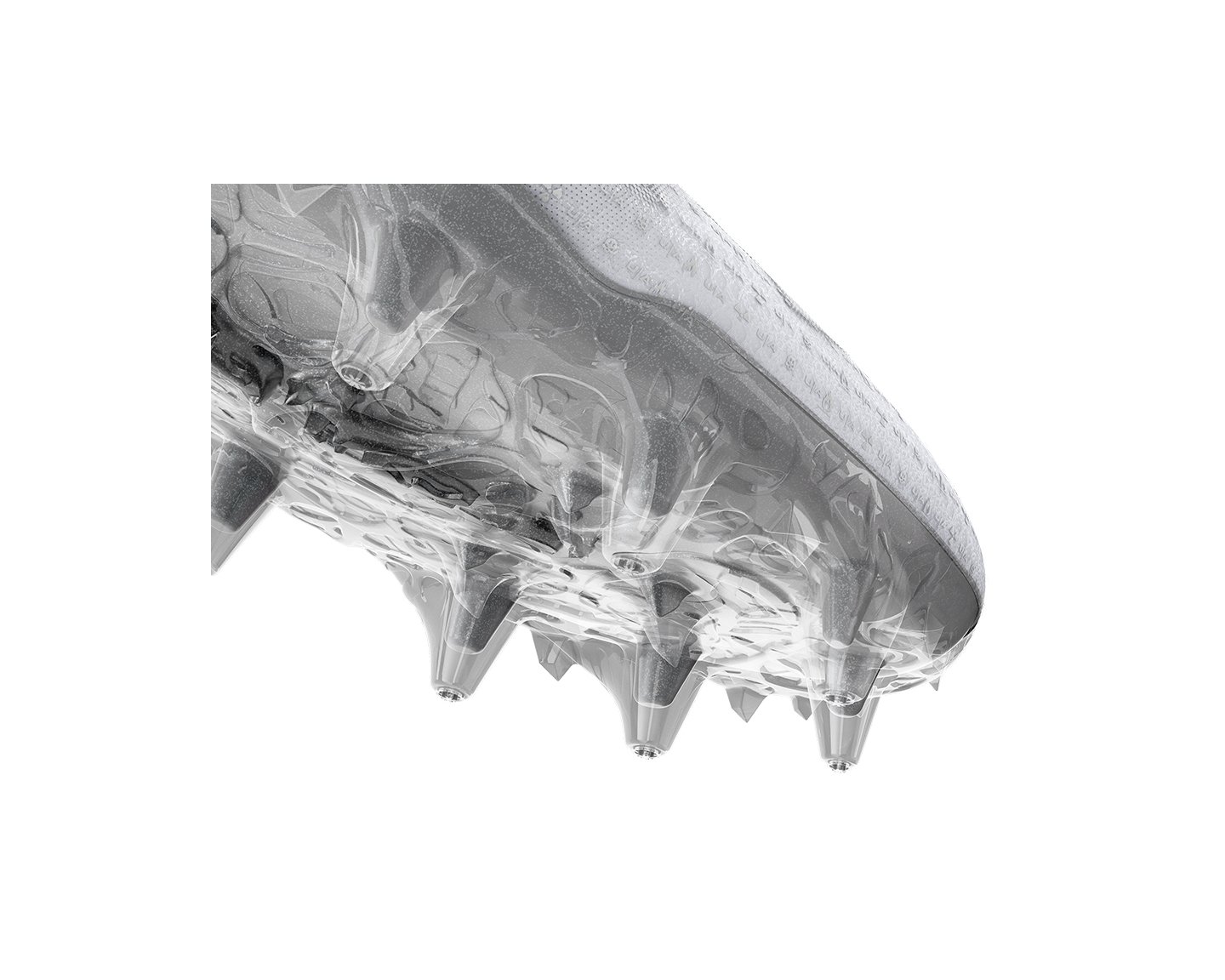
Credit: www.underarmour.com
Preparing Your Cleats For First Use
Getting your soccer cleats ready for the first use is crucial. Proper preparation ensures comfort and performance on the field. Follow these steps to make your new cleats feel like home.
Initial Cleaning And Inspection
Start by removing all packaging materials from the cleats. Inspect the cleats for any manufacturing defects or damage. Look closely at the stitching and sole. Check for loose threads or weak spots. Clean the cleats using a damp cloth. Remove any dirt or debris from storage. This helps maintain the cleats’ condition.
Softening Techniques
New cleats can feel stiff and uncomfortable. To soften them, wear them indoors for short periods. This helps the material mold to your feet. Another technique is to use a leather softener. Apply it to the cleats and let it sit overnight. Flex the cleats gently with your hands. This helps ease the stiffness. You can also use a blow dryer on low heat. Warm the cleats slightly and bend them by hand. These methods make your cleats more flexible and comfortable.
Breaking In New Cleats
Gently stretch new soccer cleats by wearing them with thick socks around the house. Gradually increase wear time to ensure comfort and avoid blisters during games.
Breaking in new soccer cleats can be a game changer. You want to feel comfortable and confident on the field, not distracted by painful blisters or tight spots. The key is to break them in gradually, ensuring they mold perfectly to your feet. Here’s how you can do it effectively:Gradual Wear Strategy
Start by wearing your new cleats around the house. This helps them start to mold to your foot shape without the intensity of a full game. Spend about 20 to 30 minutes a day in them. This slow introduction lets the material stretch naturally. Combine this with light exercises like walking or gentle jogging. It’s an easy way to ease into the new fit.Flexibility Exercises
Bend the shoes gently with your hands. Focus on the toe box and the heel area—these parts need the most flexibility. Consider using a shoe stretcher. This tool can help stretch specific areas that feel tight. Additionally, try wearing thicker socks. It adds extra pressure, helping the cleats expand slightly. Breaking in soccer cleats doesn’t have to be a painful process. What’s your go-to strategy for making new gear feel like a second skin?Managing Pressure Points
Breaking into soccer cleats can be tricky. Start by wearing them around the house to ease tension. Gradually increase activity in them to prevent pressure points.
Managing pressure points in soccer cleats is crucial for comfort and performance. New cleats can feel tight and cause discomfort. Properly managing these pressure points can make a significant difference.Identifying Trouble Spots
Start by wearing your cleats for short periods. Walk around and notice any discomfort. Pay attention to areas that feel tight or pinch. Common trouble spots include the toes, heels, and arches. Identifying these areas early helps in addressing them effectively.Using Moleskin And Inserts
Moleskin can cushion areas prone to blisters. Cut small pieces and apply them to the inside of the cleat. Focus on areas identified as trouble spots. Inserts are another great tool. They provide extra padding and support. Choose ones that match your foot shape and size. This can alleviate pressure and improve comfort.Enhancing Comfort With Accessories
Breaking into new soccer cleats can be uncomfortable. Accessories can help ease this process. They provide comfort and support, making each step more enjoyable. The right accessories can reduce blisters and enhance performance. Here, we explore options to enhance comfort.
Choosing The Right Socks
Socks play a vital role in comfort. Choose socks with cushioning to protect feet. They should wick moisture to keep feet dry. Look for seamless designs to prevent blisters. Compression socks can improve circulation and reduce fatigue. Ensure socks fit snugly without being too tight.
Insole Options For Added Cushion
Insufficient cushioning can lead to sore feet. Consider insoles for additional comfort. Gel insoles offer shock absorption. Foam insoles provide a soft feel underfoot. Custom orthotics cater to unique foot shapes. They help distribute pressure evenly across the foot. Choose an insole that matches your needs.
Maintaining Your Cleats
Maintaining your soccer cleats is crucial for their longevity. Well-maintained cleats perform better on the field. They stay comfortable and provide better grip. It helps avoid injuries and ensures a snug fit. Regular care keeps them looking good and feeling fresh. Proper maintenance involves cleaning and storing them correctly.
Regular Cleaning And Care
Clean your cleats after each use. Remove dirt and mud with a soft brush. Use a damp cloth to wipe away stains. Avoid harsh chemicals as they can damage the material. Air-dry them away from direct heat. Stuff them with newspaper to retain their shape. Regular cleaning prevents odors and extends their life.
Storage Tips
Store your cleats in a cool, dry place. Avoid damp areas to prevent mold. Use a shoe bag for travel. Keep them away from direct sunlight. Prolonged exposure can cause fading and cracking. Ensure they are completely dry before storing. This prevents bacteria and keeps them fresh for the next game.
Common Mistakes To Avoid
Breaking into new soccer cleats can be a daunting task. Many players make common mistakes that lead to discomfort or injury. Avoiding these errors can help ensure a smoother transition. Let’s explore some pitfalls to steer clear of when breaking in your new soccer cleats.
Ignoring Fit Issues
Proper fit is crucial for comfort and performance. Many players overlook fit issues, hoping the cleats will stretch over time. This can lead to painful blisters and foot injuries. Always check if the cleats fit snugly without being too tight. Walk around in them to test comfort before committing.
Skipping Break-in Time
Rushing the break-in process is a frequent mistake. New cleats often need time to adapt to your feet. Wearing them for extended periods right away can cause discomfort. Gradually increase wear time to let the material soften and mold to your foot shape. This helps prevent sore feet and improves fit over time.

Credit: www.instagram.com

Credit: www.tiktok.com
Frequently Asked Questions
How Do You Break In Soccer Cleats Fast?
Wear your cleats indoors for a few hours daily to break them in. Use warm water to soften the material. Apply leather conditioner for flexibility. Practice light drills to mold them to your feet. Rotate with older pairs to avoid blisters.
How Long Does It Take For Soccer Cleats To Break In?
Soccer cleats typically take 5-10 hours of playtime to break in. Comfort and fit improve with usage. Choose quality cleats for quicker adaptation and better performance. Gradually increase wear time to prevent discomfort and blisters. Proper maintenance extends cleat lifespan and ensures lasting comfort.
How To Loosen Up New Cleats?
Break in new cleats by wearing them around the house. Practice light exercises or stretches to mold them comfortably. Use a leather conditioner for softening. Adjust laces and insoles for a better fit. Avoid excessive water exposure to prevent damage.
How To Make Soccer Cleats Not Hurt?
Choose the right size for comfort. Break in new cleats gradually. Use cushioned insoles for extra support. Wear moisture-wicking socks to reduce friction. Adjust laces for a snug fit.
Conclusion
Breaking into soccer cleats takes patience and care. Start by wearing them indoors. This helps mold them to your feet. Use thick socks for a snug fit. Try using a shoe stretcher for tight spots. Remember, comfort is key for performance.
Don’t rush the process. Gradually increase wear time. This prevents blisters and discomfort. Properly breaking in cleats enhances your game experience. Enjoy playing without pain. Follow these steps for a better fit. Your feet will thank you. Ready for the field?
Go and enjoy the game!