
Have you ever wondered if your running shoes are holding you back from achieving your best performance? If you’re passionate about running, you know that every stride matters.
But did you know that worn-out shoes can lead to discomfort, injury, and even a loss of motivation? In this guide, we’ll explore the critical question: “How Often Should Running Shoes Be Replaced? ” Imagine feeling lighter, faster, and more comfortable on your runs, simply by knowing when it’s time to invest in a new pair.
By the end of this article, you’ll have the insights you need to keep your running routine on track and your feet in peak condition. Let’s ensure that every step you take is supported by the best possible gear. Keep reading to discover how to maximize your running potential with the right shoes!
Lifespan Of Running Shoes
The lifespan of running shoes is a crucial aspect for every runner. Shoes wear down over time, losing their supportive features. This affects comfort and performance. Understanding how long shoes last helps in maintaining optimal running conditions.
Factors Affecting Durability
Several elements influence the lifespan of running shoes. The type of material used plays a significant role. High-quality materials tend to last longer. The frequency of use is another factor. Shoes worn daily wear out faster. Running style also impacts shoe durability. Heavy foot strikes can increase wear.
- Material quality
- Frequency of use
- Running style
Average Mileage For Replacement
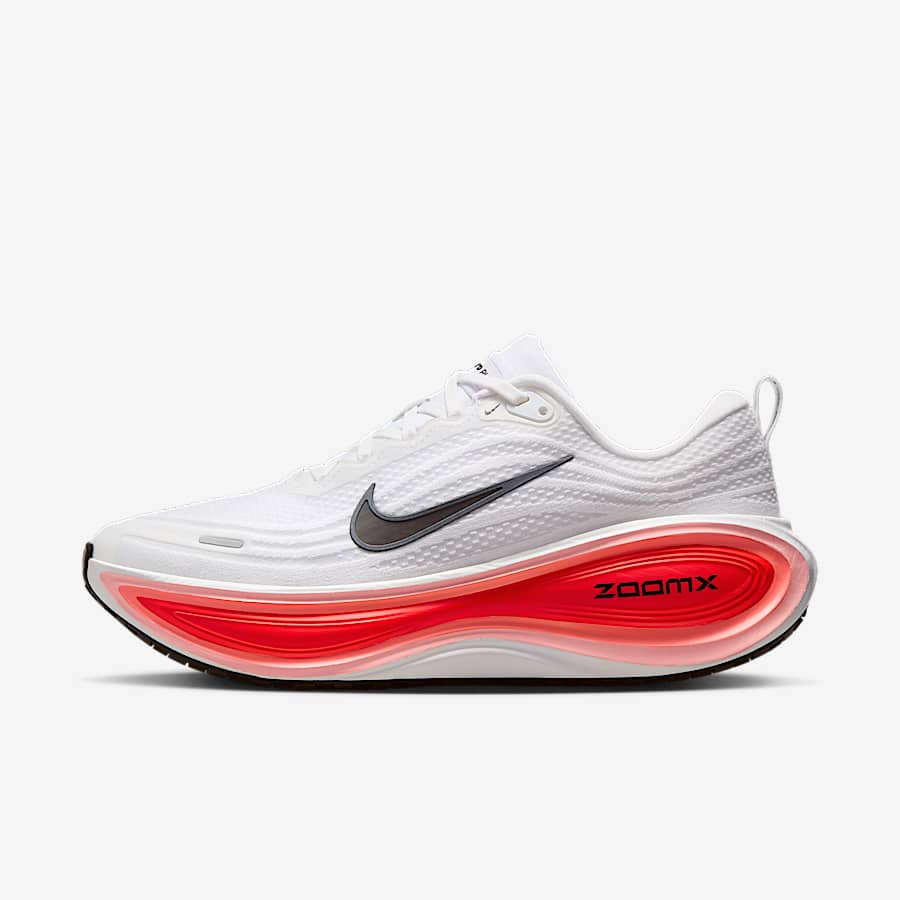
Runners often measure shoe lifespan in miles. On average, shoes should be replaced every 300 to 500 miles. This range varies based on individual running habits. Observing wear signs helps in deciding when to replace. Look for visible damage or reduced cushioning. Regular checks ensure timely replacements, maintaining comfort and support.
Credit: www.nike.com
Signs It’s Time For New Shoes
Your running shoes are more than just footwear; they’re your trusty companions on every trail and road. But as the miles stack up, they can start to show signs that it’s time for a replacement. Recognizing these signs is crucial for maintaining your performance and preventing injury. So, how do you know when your running shoes have reached their expiration date?
Visible Wear And Tear
Take a close look at the soles of your shoes. Are they worn down or uneven? This can affect your stride and lead to discomfort. If you notice holes or frayed fabric, it’s a clear signal your shoes have seen better days. A friend once ignored a tiny hole in the toe box until it became a gaping tear. Don’t let that happen to you.
Decreased Comfort And Support
Remember how cushioned and supportive your shoes felt when they were new? If that feeling has disappeared, it might be time for a change. Pay attention to any new aches or pains in your feet or legs. Your shoes might be losing their ability to absorb shock, which can lead to discomfort. Ask yourself: Are my shoes still giving me the support I need?
Regularly assessing your running shoes can prevent injury and enhance your running experience. Keep an eye out for these signs, and you’ll know exactly when it’s time to invest in a new pair. After all, your feet deserve the best protection and comfort on every run!
Impact Of Running Style
Running style affects shoe lifespan. Frequent runners may need to replace shoes every 300-500 miles. Different terrains can also impact shoe durability, requiring more frequent replacements.
Understanding how your running style affects your shoes’ lifespan can help you replace them at the right time. Different running styles lead to varied patterns of wear, influencing how often you should consider getting a new pair. By examining your running style, you can make informed decisions and potentially avoid injuries.Heel Strikers Vs. Forefoot Runners
Heel strikers tend to wear out the heel area of their shoes more quickly. This is because the initial impact of each step is absorbed primarily by the heel. If you’re a heel striker, check the heel cushioning regularly, as it might compress and lose its shock-absorbing ability faster. Forefoot runners, on the other hand, exert more pressure on the front part of the shoe. This can lead to faster wear on the forefoot area and midsole. If you notice discomfort or reduced support in these areas, it might be time for a replacement.Effect Of Pronation On Wear
Pronation refers to how your foot rolls inward when you run. Overpronators may notice excessive wear on the inside edge of their shoes. This uneven wear can alter your shoe’s support, causing discomfort or even injury. Conversely, underpronators, or supinators, often see wear on the outer edge. It’s crucial to monitor the balance of your shoes regularly. Are your shoes leaning more than they used to? Such signs indicate it’s time to shop for new ones tailored to your specific pronation type. Being mindful of these wear patterns can extend your shoes’ life and improve your running experience. Regularly checking your shoes and understanding your running style can save you from discomfort and keep you running smoothly.
Credit: runningdirections.com
Material And Construction
Running shoes should be replaced every 300 to 500 miles. Material quality and construction affect their lifespan. Regular runners may need new shoes every six months.
The longevity of your running shoes significantly depends on their material and construction. These elements not only determine the shoe’s performance but also its lifespan. By understanding the role of different components, you can gauge when it’s time for a replacement.Role Of Midsole Cushioning
The midsole is the heart of your running shoe. It provides cushioning and support with each stride. Over time, this cushioning compresses and loses its ability to absorb shock. Have you noticed your runs feeling harder on your joints? This could be a sign that your midsole is worn out. Pay attention to this change, as it directly impacts your comfort and injury prevention.Upper Fabric Longevity
The upper fabric keeps your foot snug and in place. It’s made from materials like mesh, knit, or synthetic fabric. While these materials are designed to be breathable and flexible, they can wear out faster if not cared for properly. Look for signs of wear such as tears or stretched areas. These indicate that your shoes aren’t providing the necessary support, potentially leading to blisters or discomfort. By paying attention to these aspects, you can ensure your running shoes remain in top condition, supporting every mile you cover. How often do you check the condition of your running shoes?Frequency Of Use
Running shoes are an essential part of any runner’s gear. The frequency of use plays a crucial role in determining how often they should be replaced. Different running habits impact shoe longevity. Let’s explore this further.
Daily Runners Vs. Casual Joggers
Daily runners put more miles on their shoes. This leads to faster wear and tear. If you run every day, consider replacing shoes every 300-500 miles. Check for signs of wear regularly. Your shoes might need replacing sooner.
Casual joggers use their shoes less frequently. This extends the life of their footwear. They can often wait longer before needing a replacement. Aim to replace shoes every 500-750 miles. Again, inspect shoes for wear to avoid injury.
Training Intensity And Shoe Wear
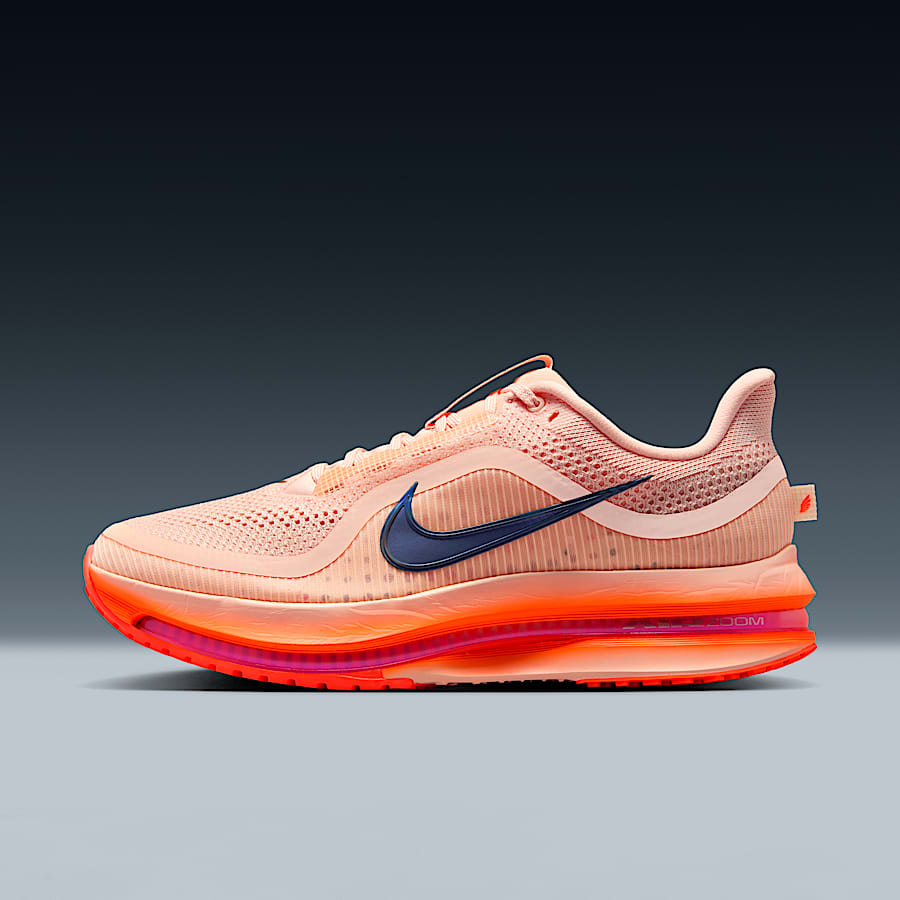
High-intensity training impacts shoe durability. Fast-paced runs or interval training stress shoes more. These activities wear out cushioning and support quickly. Runners should monitor shoes closely.
Low-intensity training is gentler on shoes. It helps extend their lifespan. Regular checks are still necessary. Look for signs like worn soles or decreased support. Replace shoes promptly to maintain performance and comfort.
Credit: www.nike.com
Environmental Conditions
Running shoes should be replaced every 300 to 500 miles to maintain support. Environmental conditions like wet or rough terrains can speed up wear and tear, requiring more frequent replacements.
Environmental conditions play a significant role in determining how often you should replace your running shoes. The surfaces you run on, the weather you face, and the overall environment can all impact the lifespan of your footwear. Understanding these factors can help you make informed decisions about when it’s time for a new pair.Impact Of Terrain
The type of terrain you run on can greatly affect your shoes’ durability. If you’re pounding the pavement daily, your shoes might wear out faster due to the hard surface. On the other hand, trail running on softer ground might allow your shoes to last longer, but they could suffer from added wear due to rocks and debris. Consider where you most often run. Is it concrete, grass, trails, or a treadmill? Each surface has its own impact on shoe longevity. Running shoes designed specifically for trail running might have reinforced materials to withstand rough terrains, but they can still wear down faster if used on hard city streets.Weather Conditions And Shoe Longevity
Weather plays a crucial role in the life of your running shoes. Wet conditions, for instance, can accelerate the breakdown of materials in your shoes. If you frequently run in the rain, ensure your shoes dry out properly to prevent mold and deterioration. Extreme heat can also affect shoe integrity. Hot weather can make the glue holding your shoes together less effective. If you run in high temperatures, consider rotating between multiple pairs to give each one a chance to recover. Think about the climate you live in. Are your runs often accompanied by rain, snow, or intense sun? These factors can all reduce your shoes’ lifespan, demanding more frequent replacements.Maintenance And Care
Taking care of running shoes extends their life and performance. Regular maintenance ensures your shoes remain comfortable and supportive. Proper care involves cleaning, drying, and storage techniques.
Cleaning And Drying Techniques
Regular cleaning keeps your running shoes fresh. Remove dirt using a soft brush. Use mild soap and water for stubborn stains. Avoid harsh chemicals that can damage materials. Rinse with clean water and pat dry with a towel.
Air-dry your shoes naturally. Avoid direct sunlight or heat sources. These can warp materials and affect fit.
Proper Storage Practices
Store your shoes in a cool, dry place. Avoid damp or humid areas. These can cause mold and odors. Use shoe trees to maintain shape. They help absorb moisture and keep shoes fresh.
Do not stack heavy items on your shoes. This can deform them and affect comfort.
Expert Recommendations
Running shoes play a crucial role in supporting your feet. The right pair can enhance performance and prevent injuries. But how often should they be replaced? Experts offer various insights to guide runners.
Insights From Professional Runners
Professional runners often suggest replacing shoes after 300 to 500 miles. This range depends on factors like running style and terrain. Some runners feel their shoes’ cushion wearing out sooner. Others may notice the shoe’s outer sole showing signs of wear. Regular runners might need new shoes every three to four months. Listening to your body is key. If you feel discomfort, it might be time for a new pair.
Advice From Sports Podiatrists
Sports podiatrists emphasize the importance of foot health. They recommend checking shoes for signs of wear regularly. Look for uneven wear patterns on the sole. Examine the midsole for signs of compression. They advise replacing shoes if you experience new aches or pains. A shoe’s support can degrade over time, leading to potential injuries. Regular assessment helps in maintaining optimal foot health and comfort.
Frequently Asked Questions
How Do I Know When To Replace My Running Shoes?
Check for worn out treads, discomfort, or reduced cushioning. Replace every 300-500 miles or 6-12 months. Listen to your body; aches might signal it’s time. Regular updates ensure optimal performance and injury prevention. Always prioritize comfort and support in your running shoes.
What Is The Lifespan Of A Running Shoe?
Running shoes typically last between 300 to 500 miles. Regular inspection can help determine wear and tear. Rotate shoes to extend their lifespan. Choose quality brands for durability. Replace them when you notice discomfort or reduced support. Proper care ensures longevity and optimal performance.
How Often Should I Replace My Hokas?
Replace your Hokas every 300-500 miles, depending on your running style and terrain. Check for signs of wear, like reduced cushioning or uneven tread, to decide if it’s time for a new pair. Regular replacement ensures optimal performance and injury prevention.
How Often Do Marathoners Change Shoes?
Marathoners typically change their running shoes every 300-500 miles. This depends on shoe quality and running conditions. Regular replacement helps maintain comfort and prevent injuries. Checking shoe wear patterns can also guide when to replace them.
Conclusion
Choosing the right time to replace running shoes is crucial. Worn-out shoes can cause discomfort and injuries. Check your shoes regularly for signs of wear. Cracked soles or torn fabric? It’s time for new shoes. Most runners replace their shoes every 300 to 500 miles.
Listen to your body too. Pain or blisters might mean it’s time. Investing in new shoes ensures a smooth run. Stay comfortable and safe with proper footwear. Your feet will thank you. Always prioritize your comfort and health when running.
Keep these tips in mind for a better running experience.