
Have you ever wondered about the perfect weight for a mountain bike? Whether you’re a seasoned rider or a beginner, understanding the ideal weight for your bike can make a significant difference in your biking experience.
Imagine gliding smoothly over rugged terrains, feeling the agility and control that comes with a well-weighted bike. You might be surprised to learn how much the weight can influence your ride, from maneuverability to speed and even endurance. You’ll uncover the secrets to choosing a mountain bike with the right weight for your needs.
Discover how the weight impacts your biking performance, and learn tips to find the perfect balance that suits your style. Get ready to transform your biking adventures with insights that might just change the way you ride forever. Keep reading to find out how you can optimize your mountain biking experience!

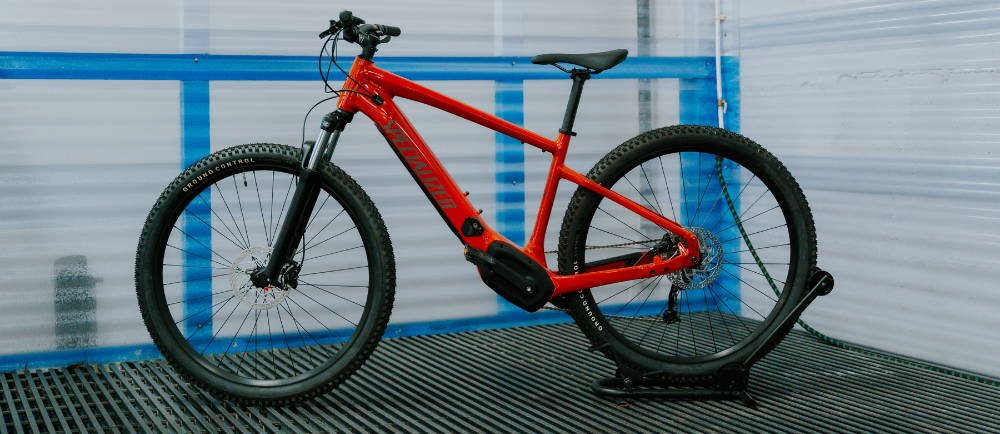
Credit: www.reddit.com
Factors Affecting Mountain Bike Weight
Mountain bike weight varies due to several factors. These factors influence performance and ride quality. Understanding these elements helps in choosing the right bike.
Frame Material Choices
The frame material affects the bike’s weight significantly. Common materials include aluminum, carbon fiber, steel, and titanium. Aluminum is lightweight and affordable. Carbon fiber offers a lighter frame with more stiffness. Steel frames are heavier but durable. Titanium provides a balance of strength and weight but at a higher cost.
Suspension Components
Suspension plays a key role in weight considerations. Bikes with full suspension tend to weigh more. This is due to the additional components like rear shocks. Hardtail bikes, with front suspension only, are lighter. Consider your riding style when choosing suspension type.
Wheel And Tire Selection
Wheels and tires contribute to overall bike weight. Larger wheels can weigh more but roll over obstacles easily. Tire width and tread also impact weight. Wider tires with aggressive tread patterns add weight. Choose based on terrain and personal preferences.
Additional Accessories
Accessories can increase the bike’s weight. Items like water bottle holders, lights, and racks add pounds. Consider essential accessories only to minimize weight. Assess what you need for your specific ride.
Ideal Weight For Different Riding Styles
Mountain bikes ideally weigh between 24 to 28 pounds. Lighter bikes offer faster climbs and agile handling. Heavier bikes provide stability and durability for rough terrains.
Choosing the ideal weight for your mountain bike can make a significant difference in your riding experience. The right weight enhances your control, speed, and overall enjoyment on the trails. Different riding styles demand different weight considerations, and knowing what suits your style can elevate your biking adventures.Cross-country Riding
Cross-country riders often prioritize speed and efficiency. A lighter bike, typically between 22 to 28 pounds, is desirable here. This weight range allows for quicker acceleration and easier climbing, which is crucial on long rides with varied terrain. Imagine flying up a steep hill without feeling like you’re dragging an anchor. I once swapped my heavier bike for a lightweight cross-country model and instantly noticed the ease in my uphill climbs. Wouldn’t you want to experience that effortless glide?Trail And All-mountain Biking
Trail and all-mountain biking demand versatility. These bikes usually weigh between 28 to 33 pounds. This weight provides a balance between durability and agility, perfect for tackling both technical climbs and descents. When you’re navigating rocky trails, having a bike that feels stable yet responsive can boost your confidence. On a recent trail ride, I felt secure on a slightly heavier bike that absorbed shocks better, making the ride smoother. Could your biking adventures benefit from this kind of stability?Downhill And Freeride
For downhill and freeride biking, robustness is key. Bikes for these styles generally weigh between 34 to 42 pounds. The extra weight helps in maintaining control during high-speed descents and over rough terrain. Envision yourself speeding downhill, knowing your bike can handle the bumps and jumps with ease. A friend of mine once shared how their heavier downhill bike gave them the courage to tackle more challenging trails. Is it time for you to conquer those daring descents with confidence? Understanding the ideal weight for your specific riding style can transform your mountain biking experience. Consider the trails you frequent and the performance you seek. What changes could you make to enhance your ride today?Pros And Cons Of Lightweight Bikes
Lightweight bikes offer easy handling on tough trails but may lack durability for rough terrain. Heavier bikes provide stability and strength, ideal for challenging rides.
Exploring the pros and cons of lightweight mountain bikes can help you make an informed decision about your next ride. Whether you’re tackling steep climbs or navigating rocky terrains, the weight of your bike plays a crucial role. But is a lighter bike always better? Let’s dive into the benefits and potential drawbacks of lightweight bikes to see if they’re the right fit for you.Performance Enhancements
A lightweight mountain bike can significantly boost your performance. With less weight to haul, you can accelerate faster and tackle uphill climbs with greater ease. This advantage is especially noticeable during long rides or races, where every gram counts. Riding a lighter bike can also enhance your agility on technical trails. You might find yourself maneuvering more smoothly around tight corners or over obstacles. This improved handling can lead to a more enjoyable and confidence-boosting ride. However, it’s essential to consider your riding style and terrain. If you mostly ride on flat trails or prioritize durability, the performance benefits of a lighter bike might be less noticeable.Durability Concerns
While lightweight bikes offer performance perks, they can sometimes compromise on durability. Materials like carbon fiber, often used to reduce weight, can be more susceptible to damage from crashes or rough handling. Have you ever wondered if the trade-off in durability is worth the performance gain? In my experience, having a lightweight bike was great for speed, but I found myself more cautious on rocky descents. A heavier, more robust bike might give you peace of mind if you frequently ride challenging trails. Before opting for a lightweight bike, consider how often you encounter rough terrains or extreme weather conditions. You might find that a slightly heavier bike offers a better balance between weight and durability for your needs.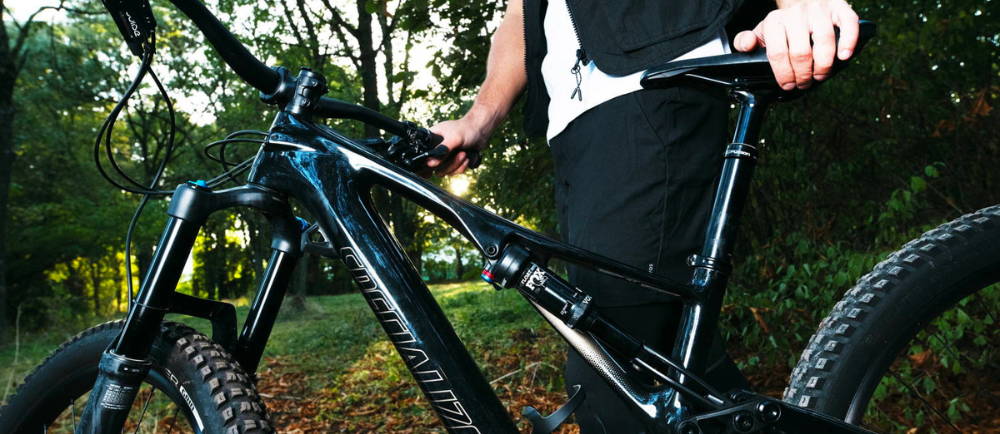
Credit: upway.co
Balancing Weight With Cost
Finding the perfect weight for a mountain bike involves considering both performance and cost. Lighter bikes offer better speed and handling, but can be more expensive. Balancing these factors ensures a practical and enjoyable riding experience.
Balancing weight with cost is crucial when choosing a mountain bike. A lighter bike often offers better performance, but it usually comes with a higher price tag. Understanding how weight affects cost can help you make an informed choice.Material And Component Costs
The materials used in a mountain bike greatly affect its weight and cost. Carbon fiber is light but expensive. Aluminum offers a good balance of weight and affordability. Steel is heavier but more budget-friendly. Components like gears and brakes also add weight and cost. High-end components are lighter and perform better, but they can increase the price.Budget-friendly Options
Choosing budget-friendly options doesn’t mean compromising quality. Look for bikes with aluminum frames. They are durable and lighter than steel. Consider mid-range components. They offer a balance between performance and cost. Second-hand bikes are another option. They can provide high-quality at a lower price.Expert Tips For Choosing The Right Weight
Choosing the right weight for a mountain bike can be challenging. A bike’s weight affects how it handles different terrains. To make the best decision, consider expert advice and personal experience. This section provides tips for picking the perfect bike weight.
Consulting With Professionals
Seek advice from bike shop experts. They understand various bike models and weights. Professionals can guide you based on your biking needs. Discuss the trails you like to ride. They can suggest the optimal weight for those conditions.
Consider attending bike workshops or demos. These events offer insights into bike technology. Learning from professionals helps you avoid common mistakes. It ensures you choose a bike that suits your riding style.
Testing And Personal Preference
Test ride different bikes to find what feels right. Bike weight affects speed and control. Try bikes of varying weights on similar trails. Notice how each handles turns and climbs.
Think about your comfort level. A lighter bike may be easier to handle. A heavier bike might offer more stability. Balance your preference with expert advice. This ensures a bike weight that matches your needs.
Impact Of Rider’s Weight On Bike Choice
Choosing the right mountain bike involves more than just picking the one with the coolest features; your weight plays a crucial role in this decision. The interplay between rider weight and bike weight can significantly affect your biking experience. If you’ve ever felt like your bike wasn’t quite right for you, it could be because your weight wasn’t factored into the choice. Let’s dig into how this impacts your biking adventure.
Adjusting For Rider Size
Your size directly influences the balance and control you have over a mountain bike. A lightweight rider on a heavy bike may struggle with maneuverability, while a heavier rider on a light bike may face durability issues. Consider your height and build when choosing a bike. A bike should complement your natural posture to maintain comfort and control.
Think about the frame size and material. A larger frame might seem intimidating, but it can offer the stability you need. Aluminum frames are popular for being lightweight, while steel frames provide extra durability. Test different options to find what fits your unique proportions.
Considerations For Heavier Riders
If you’re on the heavier side, you might worry about the impact on the bike. Fear not, mountain bikes are designed to handle varying weights. However, opting for a bike with reinforced components can ensure longevity and safety. Look for thicker tires and stronger frames.
Suspension matters too. A robust suspension system can absorb shocks effectively, allowing for a smoother ride. This is particularly important if you’re tackling rough terrains. Remember, a comfortable ride is key to enjoying your biking journey.
Ask yourself: Is your current bike supporting your weight comfortably? If not, it might be time to rethink your choice. A bike tailored to your weight can transform your biking experience into a more enjoyable and efficient activity.
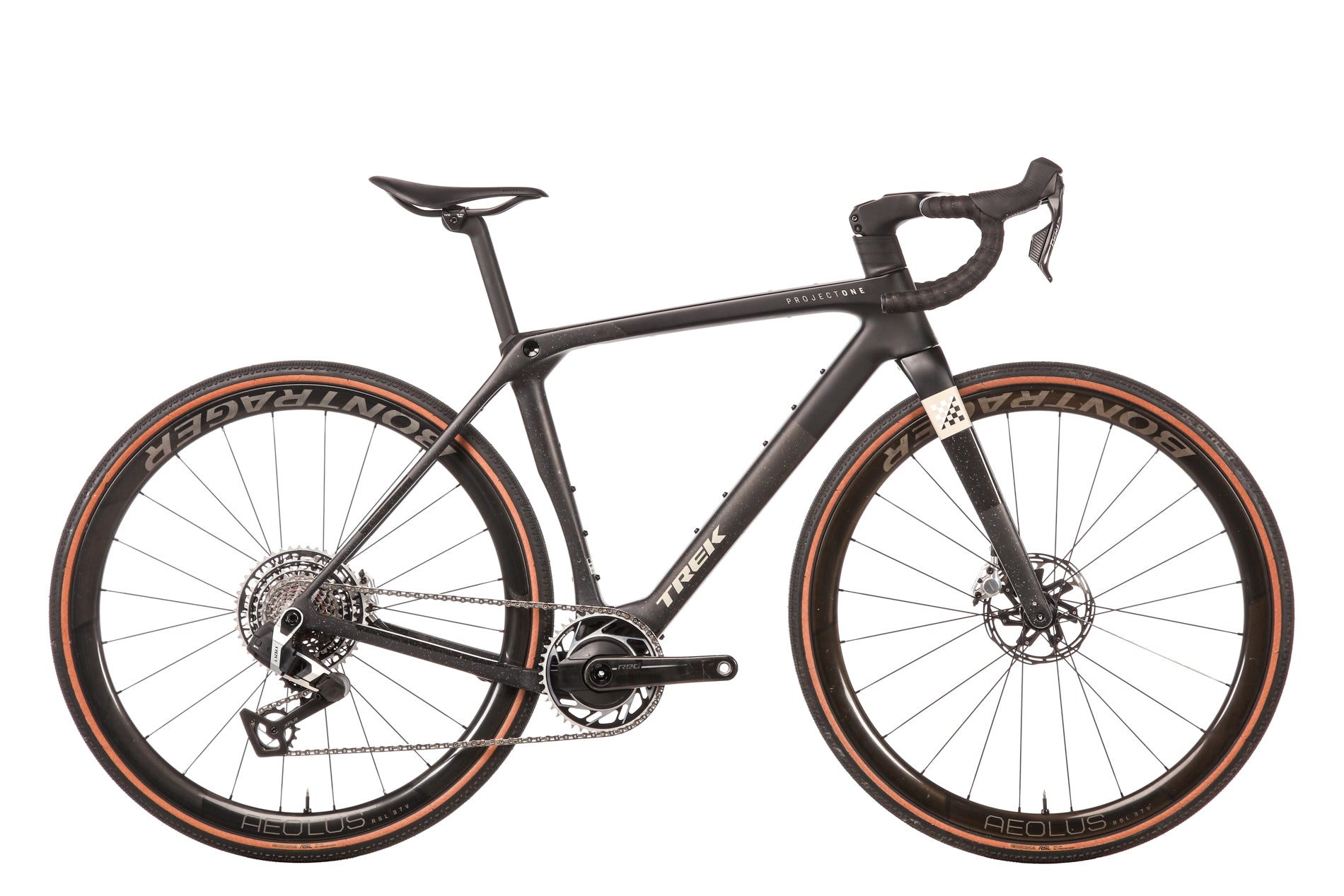
Credit: www.theproscloset.com
Frequently Asked Questions
Is 35lbs Heavy For A Mountain Bike?
A 35lbs mountain bike is considered average weight. Many mountain bikes range from 30 to 35 pounds. Weight affects handling, performance, and portability. Lighter bikes offer easier maneuverability, while heavier ones provide stability on rough terrains. Consider your riding style and terrain preferences when choosing.
Is 22 Pounds Heavy For A Bike?
A 22-pound bike is considered lightweight for road bikes but average for mountain bikes. Weight preferences vary based on riding style and bike type. Cyclists often prefer lighter bikes for speed and efficiency. Always consider the bike’s purpose and your personal needs.
What Is Considered A Lightweight Mountain Bike?
A lightweight mountain bike typically weighs between 20 to 30 pounds. These bikes use materials like carbon fiber and aluminum. Riders prefer them for easier climbs and better maneuverability. Lightweight components enhance speed and performance on trails. They are ideal for cross-country and competitive racing.
Is 30 Pounds Light For A Mountain Bike?
A mountain bike weighing 30 pounds is considered average. Lighter bikes offer better agility and speed. Competitive riders often choose bikes under 25 pounds. For casual riding or rugged terrains, 30 pounds is suitable. Consider weight based on your riding style and preferences for optimal performance.
Conclusion
Choosing the right bike weight is important. It affects your ride. Lighter bikes climb hills easily. Heavier bikes offer stability. Think about your needs. Consider where you ride most. Trails? Roads? Each terrain requires a different weight. Remember, personal comfort matters too.
Test different bikes if possible. Feel the difference yourself. Bike weight isn’t everything. Don’t forget other features. Gears, brakes, and tires matter too. They impact your biking experience. Balance all these factors. Make an informed choice. Enjoy your rides with confidence.
Happy biking!