
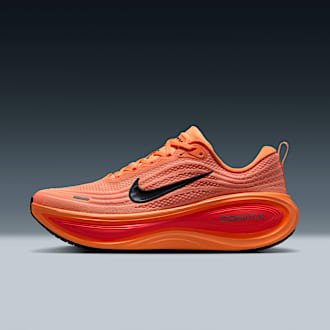
You’ve just purchased a new pair of running shoes, and you’re excited to hit the pavement. But before you dive into your next run, there’s an essential step you shouldn’t skip: breaking in your running shoes.
So, how long does it take to break in running shoes? The answer varies, but understanding the break-in process can significantly enhance your comfort and performance. By taking the time to properly break in your shoes, you can avoid blisters, reduce foot pain, and extend the life of your footwear.
Curious about how to break in running shoes effectively? This quick guide will provide you with tips and insights to ensure every run is enjoyable and pain-free.
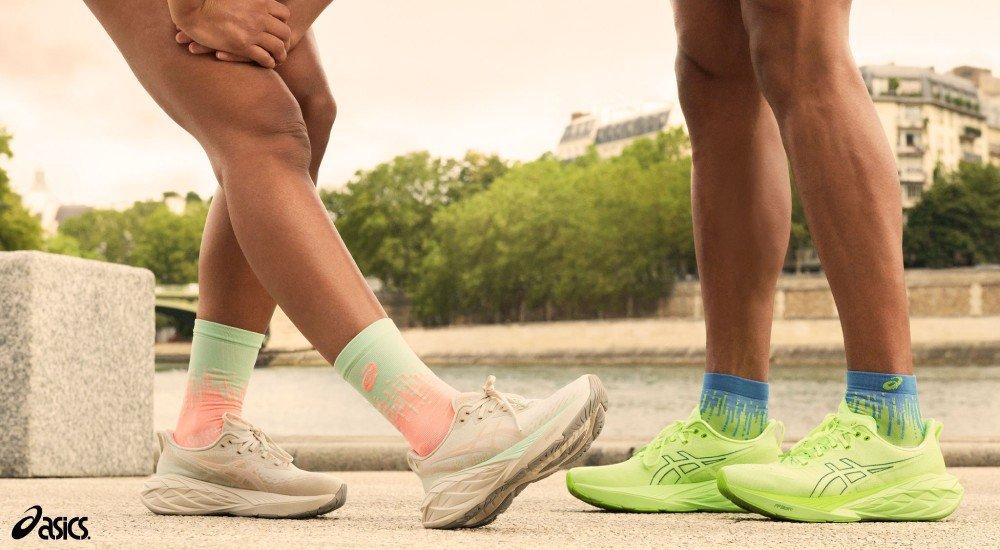
Credit: www.scheels.com
Why Breaking In Your Running Shoes Matters
Understanding the running shoe break-in period is crucial for ensuring comfort and preventing injuries. Properly broken-in shoes adapt to your feet, enhancing your performance and making each run more enjoyable. New shoes can feel stiff and may cause discomfort if not given time to adjust to your foot shape.
Think of breaking in your running shoes as a way for them to get to know your feet. This process allows the materials to conform to your unique foot shape, which is essential for both comfort and foot health. Skipping this step can lead to blisters and even more serious issues like joint pain or stress fractures.
Comfort and Fit
A proper break-in period ensures that your shoes feel comfortable during long runs. As you wear them, the shoes will start to feel more snug and supportive, allowing you to focus on your stride rather than any discomfort from a tight fit.
Performance Boost
Once your shoes have molded to your feet, you’ll notice a significant improvement in grip and stability. This is crucial for maintaining your form and reducing energy expenditure during your runs. We cover this in detail in our Break Running article.
How Long Does It Take to Break in Running Shoes?
The break-in period for running shoes typically ranges from a few days to a couple of weeks, depending on the shoe type and your running habits. Generally, you should aim to wear your new shoes for short distances at first, gradually increasing the mileage as they become more comfortable. According to Runner’s World, this is important for athletes.
Tips for Breaking in Running Shoes
- Start Slow: Begin with short runs or walks to allow your shoes to adjust.
- Wear Them Indoors: Use your new shoes around the house to help them loosen up.
- Alternate Shoes: Mix your new shoes with an older, well-broken-in pair to reduce strain.
- Check the Fit: Make sure your shoes fit well; a proper fit can speed up the break-in process.
Signs Your Running Shoes Are Broken In
You’ll know your running shoes are ready when they feel comfortable, supportive, and flexible. Look for a snug fit without tightness and a natural feel as you run.
FAQs
Q: How long to break in running shoes?
Breaking in running shoes typically takes a few days to a couple of weeks, depending on the shoe type and your running style. Start with short distances and gradually increase as they become more comfortable. You may also find our Long Running helpful.
Q: What is the best way to break in running shoes?
The best way to break in running shoes is to wear them for short runs or walks, gradually increasing the distance. You can also wear them indoors to help them adjust to your feet. For authoritative guidance, USA Track & Field provides detailed insights.
Q: Can you run in new shoes right away?
While you can run in new shoes right away, it’s recommended to break them in first to avoid discomfort and injuries. Start with shorter distances to allow your shoes to adapt.
Q: How do I know if my running shoes are broken in?
Your running shoes are broken in when they feel comfortable, flexible, and supportive without causing tightness or discomfort. They should feel like a natural extension of your feet. Learn more in our Long Running post.
Q: What happens if I don’t break in my running shoes?
If you skip the break-in process, you risk developing blisters, foot pain, and even serious injuries like joint pain or stress fractures due to improper support.
Q: How can I speed up the break-in process?
You can speed up the break-in process by wearing your new shoes for short periods, alternating them with your old shoes, and using them indoors to help them loosen up.
Q: Are there specific shoes that require more break-in time?
Yes, shoes with stiffer materials or specialized support features, such as those for overpronation or flat feet, may require a longer break-in period compared to more flexible models. For more, see our complete guide on Running Shoes Long Distance Runners:.
Q: Should I consider my running style when breaking in shoes?
Absolutely! Your running style can affect how quickly your shoes break in. Runners with a heavier foot strike may need to take extra care to ensure their shoes adapt properly.
Ready to find the perfect pair of running shoes for your needs? Check out our recommendations for the best running shoes tailored for various foot types and running styles. Whether you’re looking for shoes for flat feet or overpronation, we’ve got you covered!
🏆 Top Recommended Products
Based on expert testing and reviews, here are our top picks:
Best Running Shoes for Beginners
Ideal for new runners looking for comfort and support.
👉 See Today’s Price on Amazon →
✔ Free shipping · Ships 1–2 days · Easy returns