
Imagine the thrill of cruising effortlessly through city streets or scenic countryside paths without breaking a sweat. Electric bikes, or e-bikes, promise just that, combining the convenience of a bicycle with the power of a motor.
But how fast does an electric bike really go? If you’re curious about the speed capabilities of e-bikes and how they might fit into your lifestyle, you’re in the right place. Whether you’re considering an e-bike for your daily commute, weekend adventures, or simply to add some excitement to your ride, understanding their speed potential is crucial.
Stick around as we delve into the factors that influence e-bike speed, compare different models, and help you choose the perfect ride to match your pace. Get ready to unlock the secrets of electric bike speeds and discover how they can transform your journey.
Electric Bike Basics
Electric bikes, or e-bikes, are transforming the way we commute and explore. They offer a perfect blend of traditional cycling with a boost of electric power. Whether you’re navigating city streets or tackling hilly terrains, understanding the basics of e-bikes can help you make the most of your ride.
Components Affecting Speed
The speed of an electric bike depends on several key components. The motor is the heart of the e-bike, and its power is measured in watts. Higher wattage generally means more speed, but local regulations often limit the maximum power.
The battery capacity is another crucial factor. A higher capacity battery can maintain high speeds for longer distances. It’s essential to consider this if you’re planning long rides or commutes.
Weight plays a significant role too. Heavier bikes may have more difficulty reaching top speeds compared to lighter ones. Consider the materials used in the frame and components when assessing an e-bike’s potential speed.
Types Of Electric Bikes
Different types of electric bikes are designed for varied purposes, influencing their speed capabilities. Commuter e-bikes are built for city travel, focusing on steady speeds and comfort for daily use.
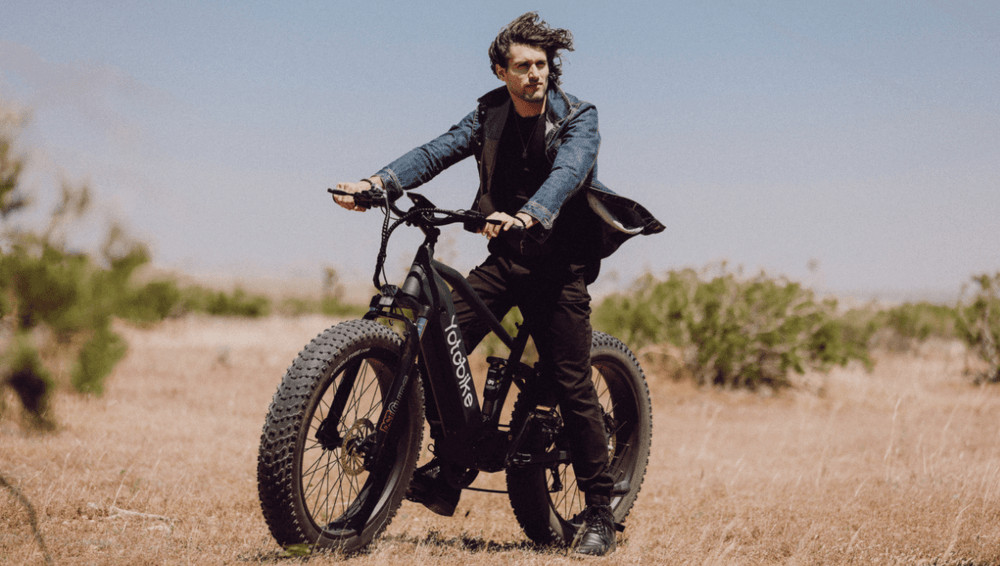
Mountain e-bikes are designed for off-road adventures, offering robust build and power to tackle challenging terrains. They can reach high speeds on downhill trails but may be slower on flat roads due to their weight.
Folding e-bikes are perfect for portability and urban use. While they may not match the speed of larger models, their convenience makes them ideal for short city commutes.
Understanding the type of e-bike that suits your needs ensures you can choose one that reaches the speeds necessary for your lifestyle. Have you considered how each bike type might fit into your daily routine?

Credit: leoguarbikes.com
Factors Influencing Speed
Electric bikes offer a fun and eco-friendly way to travel. But how fast can they go? Several factors influence their speed. Understanding these factors helps choose the right e-bike for your needs.
Motor Power
The motor is the heart of an electric bike. It determines how fast and efficiently the bike can go. Most e-bikes have motors ranging from 250 to 750 watts. A higher wattage means more power, which can increase speed. But, more power also means faster battery drain.
Battery Capacity
The battery powers the motor, influencing speed and range. A larger battery allows the bike to travel further and faster without needing a recharge. It is measured in watt-hours (Wh). More watt-hours mean more energy available to support higher speeds.
Terrain And Environment
The type of terrain affects the bike’s speed. Flat roads allow for higher speeds compared to hilly or rough terrains. Weather conditions also play a role. Wind resistance and temperature can impact speed and battery performance.
Rider’s Weight
The weight of the rider affects the e-bike’s speed. Heavier riders may experience slower speeds, especially on inclines. It’s important to consider the bike’s weight capacity for optimal performance.
Speed Regulations
Electric bikes are revolutionizing the way we commute, offering a blend of speed and convenience. Yet, how fast an electric bike can go is not solely dependent on its design or motor power. Speed regulations play a critical role in determining the maximum speed at which e-bikes can legally operate. Understanding these regulations is essential for both safety and compliance.
Legal Limits In Different Regions
Speed regulations for electric bikes vary significantly across different regions, reflecting unique safety standards and infrastructure capabilities. In the United States, the federal law classifies electric bikes into three classes, with speed limits ranging from 20 mph to 28 mph. However, individual states can enforce stricter speed limits, so it’s vital to check local laws.
Europe presents a different scenario. The European Union mandates a maximum speed of 25 km/h (about 15.5 mph) for pedelecs, which are e-bikes powered by pedaling. Some countries, like the UK, adhere strictly to this rule, while others allow higher speeds for certain e-bike categories. Knowing these differences can save you from unexpected fines.
Comparing Speed Classes
Electric bikes are typically categorized into distinct speed classes, each designed to cater to different needs and regulations. Class 1 e-bikes, known as pedal-assist bikes, offer assistance up to a maximum of 20 mph, making them ideal for urban commuting. Class 2 e-bikes provide throttle assistance up to the same speed limit, offering a bit more versatility.
Class 3 e-bikes, or speed pedelecs, push the boundaries with assistance up to 28 mph. However, these bikes often require additional safety gear and may be restricted on certain paths or trails. When choosing an e-bike, consider where you’ll be riding most often. Do you need a quick commute or a leisurely ride?
These speed classes not only affect your riding experience but also influence insurance and registration requirements. Always check if your e-bike class necessitates specific actions to remain compliant. Being informed about these classifications can enhance your riding experience and ensure peace of mind.
Credit: yotobike.com
Performance Enhancements
Electric bikes reach speeds between 20 to 28 mph, depending on the model and motor power. Faster models offer thrilling rides while ensuring safety and efficiency.
Electric bikes are gaining popularity for their speed and efficiency. Many riders seek ways to enhance their bike’s performance. By making a few adjustments, you can increase speed and ride quality. Two main areas to focus on are component upgrades and software tweaks. Let’s explore these enhancements further.Upgrading Components
Replacing or upgrading components can boost your e-bike’s speed. Consider investing in high-quality tires. They reduce rolling resistance and improve grip. This allows smoother and faster rides. Brakes also play a crucial role. Opt for advanced braking systems for better control. Lighter frames and parts can enhance speed too. They reduce the bike’s overall weight, allowing quicker acceleration. Choose components designed for performance and durability.Software Tweaks
Software adjustments can optimize your bike’s performance. Most e-bikes have programmable controllers. Tuning these can unlock more speed. Adjusting power settings can offer faster acceleration. Some models allow firmware updates. These updates often improve performance and efficiency. Ensure any software changes comply with safety and legal standards. Remember, software tweaks can void warranties. Always check with your manufacturer before proceeding.Real-world Speed Experiences
Electric bikes have transformed the way we perceive commuting, blending speed with sustainability. But how fast do they really go when you hit the open road or the bustling city streets? Let’s explore real-world speed experiences, offering insights into the differences between urban and rural riding environments and real user testimonials.
Urban Vs Rural Riding
In urban areas, electric bikes often face a mix of traffic lights, pedestrian crossings, and narrow lanes. Here, e-bikes typically cruise at around 15 to 20 mph. This speed is optimal for navigating through city congestion safely while still outpacing traditional bicycles.
Riding in rural areas offers a different experience. Open roads and fewer stops allow e-bikes to unleash their full potential. Riders often find themselves comfortably reaching speeds of 25 mph or more. The lack of urban obstacles enables a smoother, faster ride, making rural commutes quicker and more exhilarating.
User Testimonials
Jessica from San Francisco shares her urban commuting story. “In the city, my e-bike keeps a steady pace. I weave through traffic and get to work faster than by car.”
Meanwhile, Tom from a small town in Vermont enjoys his rural rides. “The open roads let my e-bike fly. I can maintain over 25 mph on my way to the local farmers’ market.”
These real-world experiences highlight the adaptability of electric bikes. Have you ever experienced the thrill of riding an e-bike? How did the speed compare in different settings?
Safety Considerations
Understanding electric bike speed is crucial for safe riding. Electric bikes can reach speeds up to 28 mph. Always wear protective gear and obey traffic rules to ensure a safe journey.
Riding an electric bike opens up a world of speed and convenience. However, as you zip through traffic or cruise along scenic paths, safety should be your top priority. High speeds can be exhilarating but come with their own set of challenges. Let’s delve into key safety considerations that can make your ride safer and more enjoyable.Protective Gear
Before you hit the road, ensure you have the right protective gear. A helmet is non-negotiable, no matter the speed. It’s your first line of defense against unexpected falls or collisions. Don’t forget about gloves. They not only provide a better grip but also protect your hands in case of a spill. Comfortable clothing that doesn’t restrict movement can make a big difference. Reflective clothing or accessories can enhance your visibility, especially in low-light conditions. Consider investing in knee and elbow pads. They might seem excessive but can save you from painful injuries. Are you prepared to prioritize safety over style?Handling High Speeds
Electric bikes can reach impressive speeds, but handling them requires skill and caution. Sudden acceleration can be thrilling but may catch you off guard. It’s important to familiarize yourself with the bike’s responsiveness. Practice braking in controlled environments. Sudden stops at high speeds can lead to skidding or loss of control. Familiarize yourself with the bike’s braking system to ensure smooth deceleration. Consider the terrain. Different surfaces demand different handling techniques. Wet roads or gravel paths can be tricky, so adjust your speed accordingly. Are you confident enough to navigate varying terrains safely?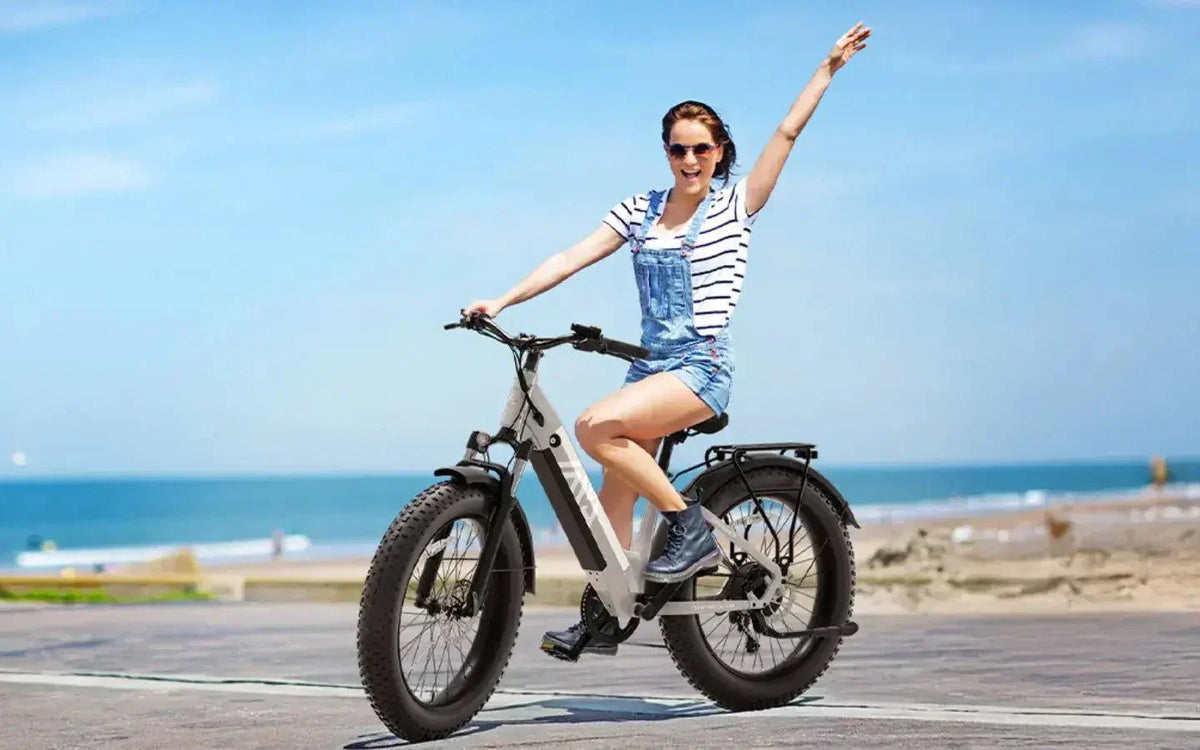
Credit: tstebike.com
Frequently Asked Questions
Can An Electric Bike Go 60 Mph?
Most electric bikes can’t reach 60 mph. High-performance models may achieve this speed, but they’re rare and expensive. Always check local regulations, as many places restrict e-bike speeds.
How Fast Can Electric Bikes Legally Go?
Electric bikes can legally travel up to 20 mph in the US. In the EU, the limit is 25 km/h (15. 5 mph). Always check local regulations for specific speed limits.
Do I Need A License For An Electric Bike?
Most electric bikes don’t require a license if their speed is below 20 mph and motor power is under 750 watts. Always check local regulations, as requirements can vary. Some regions might have specific rules for faster or more powerful e-bikes.
What Is The Top Speed Of The Electric Bike?
The top speed of an electric bike typically ranges from 20 to 28 mph (32 to 45 km/h). Different models may offer varied speeds depending on motor power and design. Always check the specifications for the exact speed of a particular model.
Conclusion
Electric bikes offer a thrilling way to get around. Speed varies based on the model. Most electric bikes reach 20 to 28 miles per hour. Faster models exist but may need extra regulations. Choosing the right bike depends on your needs.
Always consider battery life and terrain. Understanding speed helps make informed decisions. Safety should always be a priority. Wear a helmet and follow local laws. Electric bikes provide an exciting, eco-friendly ride. Perfect for short commutes and leisure trips. Enjoy the ride!