
Ever wondered what goes on inside a fishing reel when you’re out on the water casting your line? Understanding how fishing reels work can transform your experience from a simple pastime into a skilled adventure.
As you turn the handle and feel the tension on your line, there’s a fascinating mechanism at play, ensuring your bait reaches exactly where you want it. If you’ve ever been curious about the intricacies of these essential tools, you’re in the right place.
By the end of this article, you’ll not only gain a deeper appreciation for your fishing gear but also discover tips that could enhance your skills and success rate. Get ready to reel in some knowledge and elevate your fishing game!
Types Of Fishing Reels
Different fishing reels include spinning, baitcasting, and fly reels. Each type offers unique mechanics for casting and reeling in fish. Spinning reels are user-friendly, while baitcasting provides precision. Fly reels focus on smooth line release. Understanding their operation enhances your fishing experience.
Understanding the different types of fishing reels can truly enhance your angling experience. Each reel has its unique features and is designed for specific fishing techniques. Knowing which reel suits your style can make all the difference in your fishing success.Spinning Reels
Spinning reels are incredibly popular due to their versatility and ease of use. They are perfect for beginners and pros alike, offering smooth casting and retrieval. You simply flip the bail arm to release the line, making it ideal for lighter lures and baits. Many anglers love spinning reels for their straightforward design. They come in various sizes, so whether you’re fishing in freshwater lakes or the open sea, there’s a spinning reel for you. Have you tried using one for casting lightweight lures? It’s a game-changer!Baitcasting Reels
Baitcasting reels offer precision and control, making them a favorite among experienced anglers. They require a bit more skill to master but reward you with longer casts and better accuracy. These reels sit atop the rod, allowing you to control the spool with your thumb. If you’ve ever struggled with a backlash, you’re not alone. Baitcasters can be tricky, but once you get the hang of it, the control you gain is unmatched. Perfect for heavy lures and catching big fish, they are a worthy challenge to take on.Fly Reels
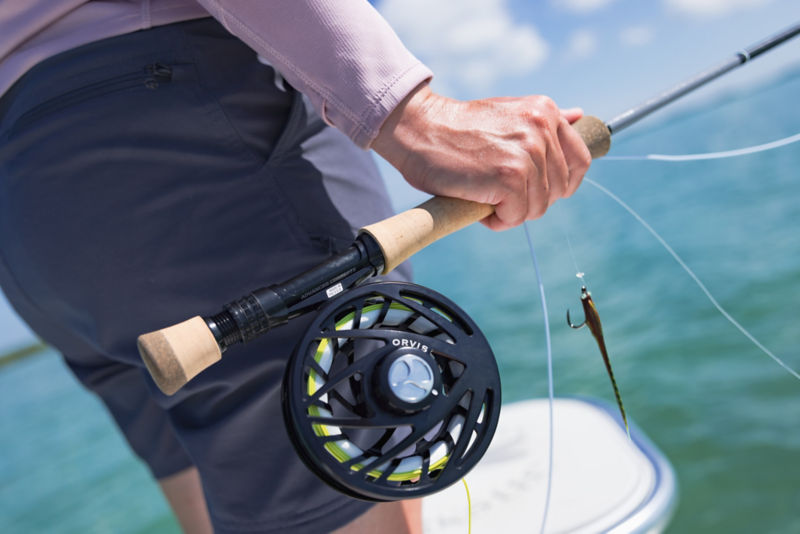
Fly reels are essential for fly fishing, a technique that requires a delicate touch and a lot of patience. These reels are simple in design, focusing more on balancing the rod and storing the line. They don’t have the complex gears of other reels, emphasizing the angler’s skill in casting. Have you ever watched an experienced fly fisherman gracefully cast their line? It’s almost an art form. Fly reels allow for such fluid motion, making them essential for those who love the tranquility of fly fishing.Spincast Reels
Spincast reels are the go-to choice for beginners and kids due to their simplicity and reliability. Enclosed in a cone-shaped cover, they eliminate the tangles that can frustrate new anglers. With a push-button mechanism, they are incredibly easy to cast. Remember your first time fishing? A spincast reel likely played a part in making it enjoyable. They are perfect for learning the basics without worrying about complicated mechanics. Are you teaching someone to fish? This reel could be their best starting point.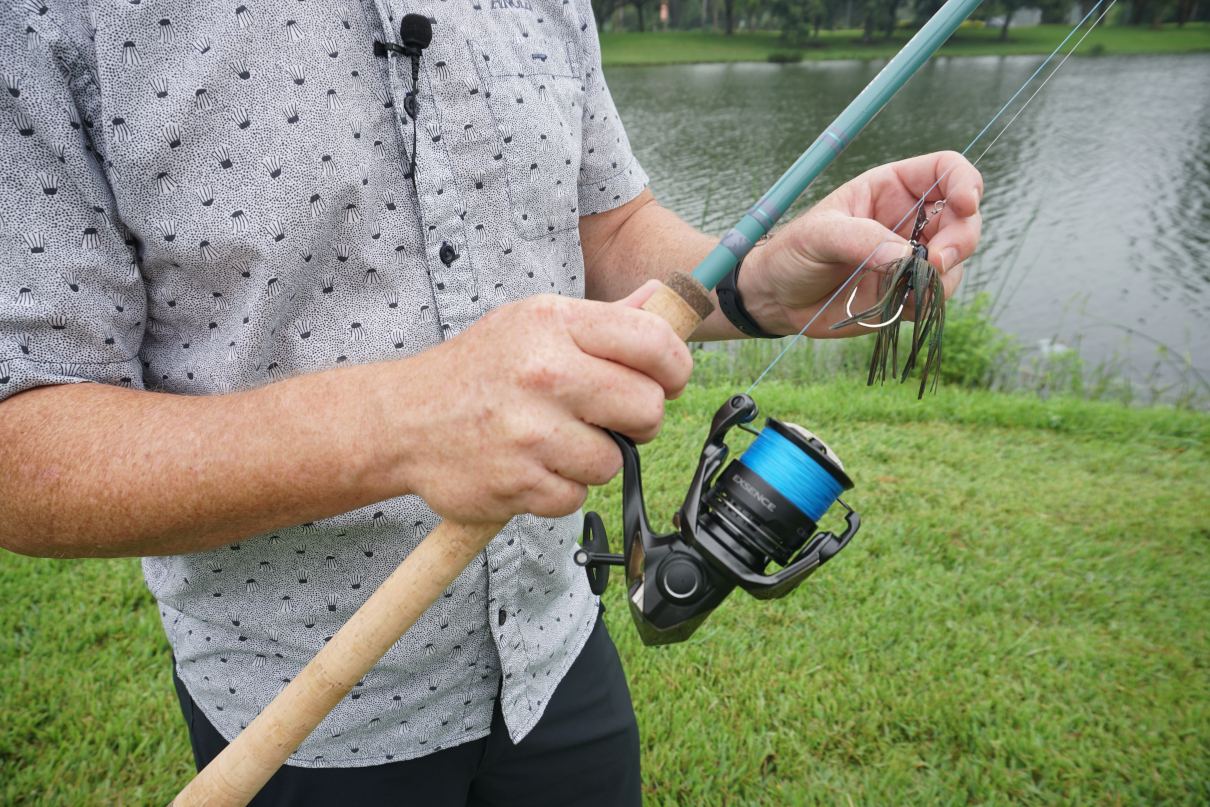
Credit: kayakanglermag.com
Main Components
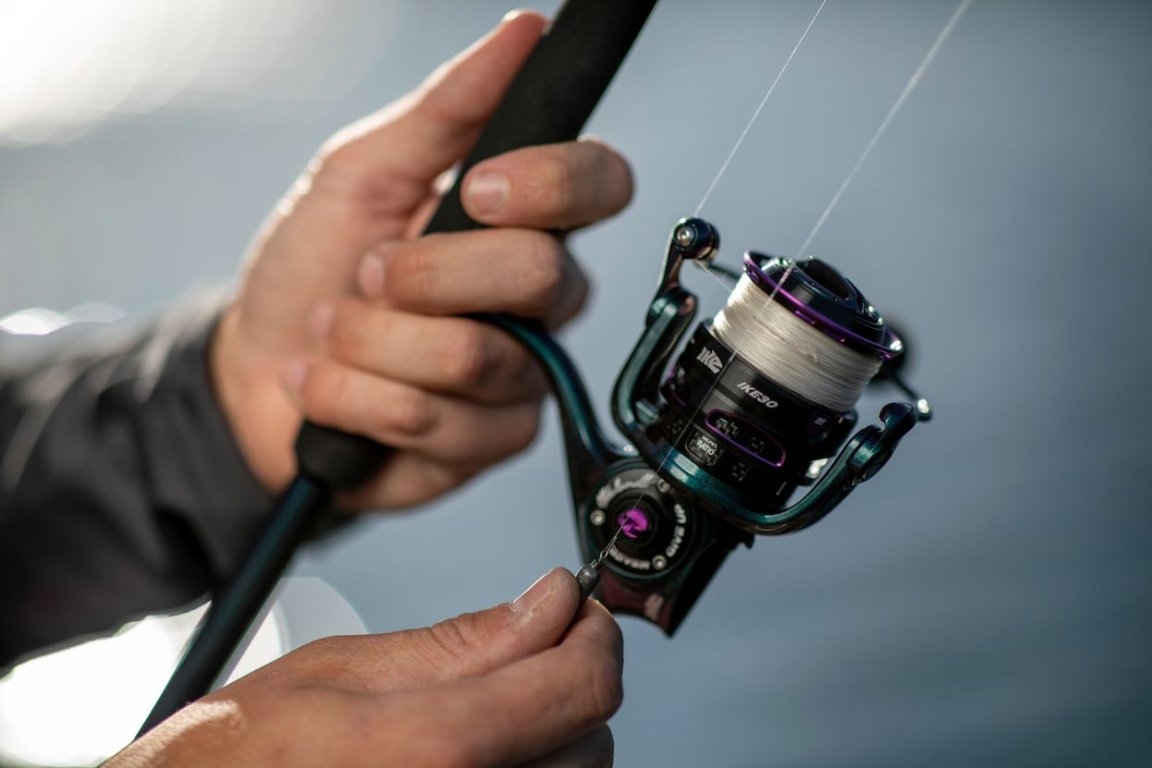
Fishing reels consist of a spool, handle, drag system, and bail. The spool holds the fishing line, while the handle turns the spool. The drag system controls line tension, and the bail guides the line back onto the spool. These components work together for smooth casting and retrieving.
Fishing reels are essential for anglers. They make fishing more efficient and enjoyable. Understanding their main components can help you choose and use them better.Reel Body
The reel body is the foundation. It holds everything together. It’s typically made of graphite or aluminum. Graphite is lighter but less durable. Aluminum is strong and long-lasting. Choose based on your fishing needs.Handle
The handle is what you turn to reel in fish. It’s usually attached to the side of the reel. A comfortable grip is crucial. Handles often have knobs for better control. They come in single or double configurations.Spool
The spool holds the fishing line. It’s located at the center of the reel. The size affects how much line you can store. Bigger spools hold more line. This is important for fishing in deep waters.Drag System
The drag system controls tension. It lets the line out under pressure. This is important when fighting a strong fish. Adjusting the drag helps prevent line breaks. It ensures a smooth fishing experience. Understanding the drag system is key to successful fishing.Spool Mechanics
Fishing reels work by winding the fishing line onto a spool. The handle turns gears inside the reel, making the spool spin. This mechanism helps in casting the line far and retrieving it smoothly.
Understanding the mechanics of a fishing reel spool is key to mastering the art of fishing. The spool is where your fishing line is stored, and its movement determines how smoothly you can cast and retrieve your line. Whether you’re a novice angler or seasoned pro, knowing how spools work can enhance your fishing experience.Casting Function
When you cast your line, the spool plays a crucial role in controlling the distance and accuracy of your cast. As you flick the rod, the spool releases the line, and this release needs to be smooth to avoid tangles or backlashes. Think of the spool as the heart of your reel, pumping out the line with precision. A well-tuned spool allows you to cast your lure exactly where you want it, even if you’re aiming for a tight spot under a tree. Consider experimenting with the tension settings on your spool. Adjusting this can prevent line overrun and give you better control, especially in windy conditions. Have you ever wondered why some casts feel effortless while others end in a tangled mess? Your spool settings might be the answer.Line Retrieval
Once your lure is in the water, it’s time to reel it back in, and here’s where the spool shows its other side. As you turn the handle, the spool rotates to wind the line back onto it. This mechanism needs to be fluid and consistent to prevent slack, which can lead to missed catches or lost lures. Imagine the frustration of losing a big catch because your line retrieval wasn’t smooth. By focusing on how your spool retrieves line, you can ensure that each crank is effective and your line stays taut. Try using a technique where you pause occasionally during retrieval, allowing your lure to mimic natural prey movement. This tactic can sometimes entice a reluctant fish to bite, all thanks to the efficient mechanics of your spool. Are you maximizing your reel’s potential with each retrieve? Understanding spool mechanics not only enhances your fishing but also makes the experience more enjoyable and less frustrating. Next time you’re out on the water, pay attention to how your reel’s spool functions and see the difference it makes.Drag System Functionality
Fishing reels use drag systems to control the tension on the line during a catch. This mechanism prevents the line from breaking by allowing it to release smoothly. Adjusting drag ensures fish can be reeled in without sudden snaps.
The drag system is a vital component of your fishing reel, allowing you to control the resistance a fish feels when it pulls on the line. This system ensures that the line doesn’t snap under pressure from a strong fish while providing you with the necessary leverage to reel it in. Understanding how the drag system works can significantly impact your fishing experience and success.Adjusting Drag
Adjusting the drag is about finding the sweet spot between too tight and too loose. If the drag is too tight, you risk breaking the line when a fish pulls hard. Too loose, and the fish may escape, taking your bait with it. To adjust the drag, you typically turn a knob or dial on the reel. The goal is to set it according to the strength of the fish you’re targeting and the line you’re using. A good rule of thumb is to set the drag to about one-third of the line’s breaking strength. Experimenting with different settings can help you learn what works best for your style and the types of fish you’re after. Consider what happened the last time you lost a fish due to poor drag adjustment. Was it too tight or too loose? Use these experiences to refine your technique.Impact On Fishing
The drag system’s impact on your fishing game is profound. Imagine hooking a big fish and feeling the exhilarating struggle as it tries to swim away. With the right drag setting, you maintain control without snapping the line, turning a potential loss into a thrilling catch. Proper drag adjustment can also save your tackle from unnecessary wear and tear. By letting the drag do the work, you reduce strain on the line and rod, prolonging their lifespan. Consider how your drag settings can be a game-changer in competitive fishing situations. Are you optimizing your drag to give you an edge over other anglers? By mastering the drag system, you become more adept at handling unexpected challenges, such as sudden changes in fish behavior or environmental conditions.Gear Ratio And Speed
Fishing reels use gear ratios to control line speed and reeling power. A higher gear ratio retrieves line quickly, perfect for fast fish. Lower ratios provide more power for reeling in bigger catches.
Fishing reels are more than just a spool of line on a stick; they are intricate machines designed to offer precision and control. At the heart of this machinery is the gear ratio, a critical factor that influences the speed and efficiency of your fishing experience. Understanding how gear ratios work can significantly enhance your success rate, making your time on the water more rewarding.Understanding Gear Ratios
The gear ratio in a fishing reel determines how many times the spool turns with each crank of the handle. For example, a gear ratio of 6:1 means that the spool rotates six times for every single turn of the handle. This ratio is crucial because it dictates the speed at which you can retrieve your line. Imagine cranking the handle and feeling the lure glide through the water with ease. Higher gear ratios are excellent for fast retrievals, ideal when you’re aiming to cover a lot of water quickly or when fishing species that strike fast-moving baits. Lower gear ratios, on the other hand, provide more power and control, perfect for reeling in heavy fish or when using deep-diving lures.Speed And Efficiency
Speed isn’t just about how fast you can reel in your line; it’s also about efficiency. A higher gear ratio allows you to quickly bring in slack line, helping you maintain tension and better control over your lure’s action. This can make all the difference when you spot that fish of a lifetime and need to react quickly. Have you ever missed a catch because your line was slack at the wrong moment? A higher gear ratio can help prevent such frustrating moments by keeping your line taut and your lure in motion. However, remember that speed isn’t always the goal; sometimes, a slower, more controlled retrieve is what you need to entice a wary fish. Ultimately, the choice of gear ratio should align with your fishing style and the species you’re targeting. Are you a fan of fast-moving baits, or do you prefer a methodical, slow approach? Understanding gear ratios and how they affect speed can help you make informed decisions, ensuring your reel is a trusty companion on every fishing trip.Maintenance Tips
Understanding fishing reels helps in their maintenance. The spool holds the line, while gears control the line’s release and retrieval. Regular cleaning and lubrication keep reels smooth and efficient.
Fishing reels require regular maintenance for optimal performance. Keeping them in good condition ensures a smooth fishing experience. Here, we’ll explore simple tips to maintain your fishing reel.Cleaning The Reel
Regular cleaning prevents dirt buildup. Rinse the reel with fresh water after each use. Use a soft cloth to wipe it dry. Pay attention to the line and spool areas. Remove any sand or debris gently. For deeper cleaning, disassemble the reel. Follow the manufacturer’s instructions. Use a toothbrush for hard-to-reach areas. Ensure all parts are completely dry before reassembling.Lubrication
Lubrication keeps the reel functioning smoothly. Apply oil to moving parts like the handle and gears. Use grease for the internal mechanisms. Avoid over-lubricating. It can attract more dirt. Use products recommended by the reel manufacturer. Check and lubricate the reel every few months. More frequent use may require more frequent lubrication.Storage Best Practices
Proper storage extends reel life. Store the reel in a dry place. Avoid direct sunlight. Use a protective cover if available. Loosen the drag when storing. This reduces tension on the internal parts. Check the reel periodically during storage. Make sure it remains in good condition. Keep it away from corrosive substances. Proper storage keeps your reel ready for the next fishing trip.Common Issues And Troubleshooting
Fishing reels are intricate devices that can encounter various issues over time. Knowing common problems and how to fix them can save your fishing day. Regular maintenance and timely troubleshooting are key to ensuring smooth operation.
Line Twists
Line twists are frequent and frustrating for anglers. These twists occur due to improper spooling or casting technique. To solve this, ensure the line is loaded correctly onto the reel. Check that the spool rotates in the right direction during retrieval. Using high-quality line can reduce twisting significantly.
Drag Malfunctions
Drag systems manage the tension on the line. Malfunctions can lead to lost catches. Drag issues often stem from dirt or worn-out parts. Clean the drag system regularly. Replace worn components to maintain consistent performance. Adjust the drag settings to suit different fishing conditions.
Gear Wear
Gear wear affects the smoothness of reel operations. Over time, gears can deteriorate due to constant use. Lubricate gears to prevent excessive wear. Regular maintenance extends the lifespan of gears. If you notice grinding noises, inspect the gears immediately. Replace damaged gears to avoid further issues.
Credit: www.orvis.com
Credit: www.outdoorlife.com
Frequently Asked Questions
What Does 3000 Or 4000 Mean On A Fishing Reel?
The numbers 3000 or 4000 on a fishing reel indicate the reel’s size. Larger numbers mean bigger reels, suitable for heavier lines and larger fish. Smaller numbers are perfect for lighter lines and smaller fish. Choose based on your fishing needs and targeted species.
How Do You Use A Fishing Reel?
To use a fishing reel, attach it to your rod securely. Thread the fishing line through the rod guides. Open the bail, pull the line, and tie your hook. Close the bail, hold the line taut, and turn the reel handle to retrieve.
Adjust the drag for fish resistance. Cast with a smooth motion.
What Does 2500 Mean On A Fishing Reel?
A 2500 on a fishing reel signifies its size. It’s suitable for light to medium freshwater fishing. This size balances line capacity and weight, ideal for small to medium fish. Choose a 2500 reel for improved casting and handling efficiency in various fishing conditions.
How To Reel In Fish For Beginners?
Start by keeping your rod tip high and reel smoothly. Use steady pressure to tire the fish. Adjust drag settings to avoid line breaks. Watch for fish direction changes and react quickly. Practice patience and maintain control throughout the process.
Conclusion
Fishing reels are vital for any angler’s success. They help control line flow and fish retrieval. Understanding their mechanics makes fishing easier and more enjoyable. Different types serve various needs, from spinning to baitcasting. Choose the right reel to improve your fishing experience.
Practice and patience are key. With a well-suited reel, handling fish becomes smoother. Explore local shops or online for diverse options. Remember, the right reel can make fishing more fun. Happy fishing! Enjoy the adventure and the calm it brings.