
Imagine you’re gliding effortlessly across a serene lake or tackling gentle ocean waves, all thanks to your trusty paddleboard. But have you ever wondered, “How big is a paddleboard?”
Understanding the size of a paddleboard is crucial for ensuring you have the best experience on the water. Whether you’re a seasoned pro or a curious beginner, knowing the right size can enhance your stability, speed, and overall enjoyment. You’ll discover what influences paddleboard size and how it impacts your ride.
Dive in, and find out how the perfect paddleboard size can transform your aquatic adventures.

Credit: thursosurf.com
Paddleboard Dimensions
Paddleboard dimensions play a crucial role in performance. They influence stability, speed, and maneuverability. Understanding the size variations helps in choosing the right board. Different dimensions cater to various skill levels and water conditions. Below, explore the essential aspects of paddleboard size.
Length Variations
Paddleboards come in different lengths, affecting their use. Short boards, less than 10 feet, offer agility. Ideal for surfing, they turn quickly. Medium boards, around 10 to 12 feet, suit casual paddling. They balance speed and stability. Long boards, over 12 feet, excel in touring. They glide easily over long distances.
Width Considerations
Width impacts the board’s stability. Narrow boards, under 30 inches, move faster. Suitable for racing, they require balance skills. Wide boards, over 30 inches, provide greater stability. Perfect for beginners and yoga enthusiasts. Some boards have adjustable widths for versatility. Choosing the right width enhances comfort on the water.
Thickness Factors
Thickness affects buoyancy and weight capacity. Thicker boards support more weight. Ideal for carrying gear or multiple riders. Common thickness ranges from 4 to 6 inches. Thinner boards offer less buoyancy but are lighter. They are easier to carry. Select thickness based on intended use and personal preference. Proper thickness ensures a stable and enjoyable experience.
Choosing The Right Size
Choosing the right paddleboard size depends on your weight and skill level. Larger boards offer stability, perfect for beginners. Smaller boards provide agility, ideal for experienced paddlers.
Choosing the right size paddleboard is crucial to ensure a rewarding and enjoyable experience on the water. The size of your board can impact your balance, speed, and overall performance. Selecting the perfect fit involves considering several factors that align with your personal needs and preferences.Skill Level Impacts
Your skill level plays a significant role in determining the paddleboard size you need. Beginners often benefit from larger, wider boards because they offer more stability and are easier to balance on. As you gain experience, you might prefer a smaller board for its agility and faster response in the water. Think about your comfort level and ability to handle different board sizes. Are you ready to challenge yourself with a more dynamic experience, or do you prefer the security of a stable platform?Weight And Size Compatibility
Your weight is another essential consideration when choosing a paddleboard. Boards come with weight capacity ratings that help ensure optimal performance and safety. A board that’s too small may sink or feel unstable, while an oversized board might be harder to maneuver. It’s not just about your weight but also your height. Taller individuals might feel more comfortable on a longer board that complements their reach. Always check the manufacturer’s guidelines to ensure compatibility.Intended Use And Environment
The purpose of your paddleboarding adventures can influence the size of your board. If you plan to surf, a shorter, more maneuverable board might be ideal. For long-distance paddling or yoga, a longer, more stable board could be more suitable. Consider the environment where you’ll be using your board. Calm lakes and rivers might allow for a broader range of sizes, while choppy ocean waters may require a more specialized choice. What kind of adventures are you envisioning for yourself? Choosing the right size paddleboard involves a mix of understanding your needs, assessing your abilities, and thinking about your goals on the water. With these insights, you’re well on your way to making an informed choice that enhances your paddleboarding experience.Types Of Paddleboards
Paddleboarding is a versatile water sport. Different types of paddleboards serve various purposes. Each type offers unique features. Choosing the right one enhances your experience. Let’s explore the types of paddleboards available.
All-around Boards
All-around boards are ideal for beginners. They are versatile and stable. Suitable for different water conditions. Perfect for casual paddlers. These boards are typically wide and long. Great for families and leisure activities.
Touring Boards
Touring boards are designed for long-distance paddling. They are long and narrow. This design provides speed and efficiency. Perfect for exploring lakes and rivers. They offer storage space for gear. A great choice for adventurous paddlers.
Racing Boards
Racing boards are built for speed. They are sleek and lightweight. Designed for competitive paddling. Narrow shape enhances speed. Ideal for skilled paddlers. These boards require balance and skill.
Surfing Boards
Surfing boards are made for catching waves. They are shorter and more maneuverable. Perfect for ocean surf. Agile design allows quick turns. Suitable for experienced surfers. Offers thrilling wave-riding experiences.
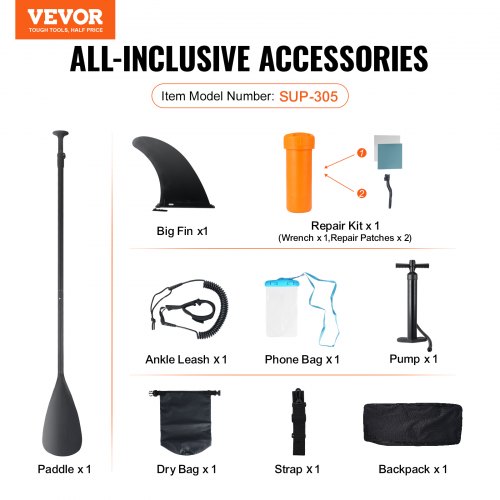
Credit: www.vevor.com
Size Recommendations
Paddleboards typically range from 9 to 14 feet in length, ideal for various water activities. Consider board width for stability. Choose the right size for your skill and water type.
Choosing the right paddleboard size is crucial for a great experience on the water. A board that’s too big or too small can affect stability and maneuverability. The right size depends on your skill level, weight, and intended use. Let’s delve into size recommendations for different skill levels: beginners, intermediate paddlers, and advanced users.Beginners
For those just starting out, stability is key. A wider and longer board offers more balance and is easier to control. Look for boards that are around 10 to 12 feet long and at least 32 inches wide. This size offers a generous platform that helps you feel secure, making it easier to learn the basics. You might feel like you’re mastering a new skill on training wheels, but this foundation will boost your confidence.Intermediate Paddlers
As you gain experience, you may want to challenge yourself with more dynamic paddling. Intermediate paddlers often opt for boards that are slightly narrower and shorter. Aim for boards between 9 to 11 feet in length and about 30 to 32 inches wide. This size allows for increased speed and maneuverability. You’ll enjoy a more responsive ride, perfect for exploring varied water conditions or trying out some gentle waves.Advanced Users
Advanced paddlers often seek performance over stability. If you’re experienced, you might prefer a narrower board for enhanced agility. Sizes can vary widely depending on the specific activity, such as racing or surfing. For racing, boards can be as narrow as 26 inches and up to 14 feet long. Surfing boards might be shorter, around 8 to 10 feet, to handle waves effectively. Choosing the right size can feel like unlocking a new level of excitement on the water.Common Size Mistakes
Selecting the right paddleboard size can be tricky. Many choose boards too small or too large, affecting stability. It’s crucial to match board size with user height and weight for optimal performance.
Choosing the right size paddleboard can be tricky, and many make common mistakes that impact their experience on the water. Your paddleboard should feel like an extension of you, not a cumbersome piece of equipment that hinders your adventure. To avoid these pitfalls, let’s dive into the frequent size errors many paddlers make and how you can steer clear of them.Overestimating Needs
One prevalent mistake is overestimating what you need. You might think a longer or wider board is better for stability, but that’s not always true. A bigger board can be harder to maneuver, especially in choppy waters or when making quick turns. Consider the type of water you’ll primarily be paddling on. A larger board might be suitable for calm lakes but could be a burden in the ocean or rivers. Reflect on your paddling goals and choose a board size that aligns with those objectives.Ignoring Weight Limits
Overlooking weight limits is another common blunder. Paddleboards are designed with specific weight capacities in mind, and exceeding them can affect performance and safety. A board that’s too small for your weight can sink lower in the water, making it difficult to paddle and control. Check the manufacturer’s weight recommendations before purchasing. Keep in mind any additional weight from gear or companions, like a child or pet, that you might bring along. Ensuring your board supports your weight can make your experience more enjoyable and safer.Misjudging Skill Level
Misjudging your skill level can lead to picking the wrong size board. A beginner might choose a smaller board thinking it will be easier to handle, only to find it too unstable. Similarly, an advanced paddler might opt for a larger board, expecting versatility, but end up with something sluggish. Evaluate your paddling proficiency honestly. If you’re new, a wider and longer board can offer more stability as you learn. As you gain confidence and skills, you can transition to a smaller, more agile board. Remember, the right size paddleboard can significantly enhance your learning and enjoyment on the water.
Credit: www.amazon.com
Adjusting To Your Paddleboard
Finding the right paddleboard size is key to enjoying water adventures. Consider your weight and skill level. Different sizes offer stability and maneuverability for various activities.
Adjusting to your paddleboard can feel a bit like learning to ride a bike for the first time. The thrill is there, mixed with a hint of uncertainty. But once you get the hang of it, the freedom you feel gliding across the water is unmatched. The key is to embrace the learning process and not rush. After all, every paddleboarder was once a beginner, wobbling with each wave.Balancing Techniques
Balancing on a paddleboard is all about finding your center of gravity. Start by standing in the middle of the board, feet shoulder-width apart. Keep your knees slightly bent to absorb any movement from the water. Practice shifting your weight from one foot to the other. This helps improve your balance and makes it easier to navigate turns. Remember, your paddle is not just for paddling; it’s also a great tool to help stabilize you.Stability Tips
Stability is crucial for a smooth paddling experience. The board’s width and length play a significant role in this. A wider board offers more stability and is ideal for beginners. If you’re struggling with stability, try sitting or kneeling on the board first. This lowers your center of gravity and can give you more control. Consider the conditions too; calm waters are best for practicing stability. As you gain confidence, you can challenge yourself with choppier waters.Handling Different Waters
Paddleboarding isn’t just about the board—it’s about mastering the waters. Flat lakes and calm seas are beginner-friendly, offering a serene environment to practice. Once you’re comfortable, you might want to tackle rivers with gentle currents. Remember, each type of water presents its own challenges. Are you ready to face the thrill of the ocean waves? Start slow and always prioritize safety. Equip yourself with knowledge about tides and currents before venturing into new waters.Frequently Asked Questions
What Is The Standard Size Of A Paddleboard?
The standard size of a paddleboard is typically 10 to 12 feet long and 30 to 34 inches wide. This size offers stability and versatility for most activities, including paddling on flat water or small waves. Beginners and intermediate users often find this size suitable for general use.
Is A 12 Foot Paddle Board Too Big?
A 12-foot paddle board is not too big for most users. It’s ideal for stability and long-distance paddling. Beginners and larger paddlers often benefit from the extra length. It provides better glide and tracking in the water. Always consider your weight and intended use when choosing board size.
Is A 10ft Or 11ft Paddle Board Better?
A 10ft paddle board is more maneuverable and suitable for beginners. An 11ft paddle board offers better stability and speed, ideal for longer trips. Choose based on your skill level and intended use.
What Size Paddle Board For 2 Adults?
For two adults, choose a paddle board between 11 to 12 feet long and 32 to 36 inches wide. This size provides stability and ample space for both riders. Consider weight capacity, ideally 450 pounds or more, ensuring a safe and enjoyable experience.
Conclusion
Choosing the right paddleboard size is crucial for a great experience. Consider your weight and skill level. A longer board offers stability. Shorter boards are more agile. Measure the width too; it impacts balance. Think about your paddling style. Touring boards are longer.
Surf-style boards are shorter. Always test before buying if possible. It ensures comfort and performance. Remember, the right size enhances your fun. Paddleboarding is an adventure. Find the perfect fit for you. Enjoy the water confidently and safely. Happy paddleboarding!