
Have you ever wondered if hitting the pavement for your daily run could bulk up your legs? This question might have crossed your mind as you lace up your running shoes, especially if you’re aiming for leaner legs rather than muscle-packed thighs.
The idea of running potentially altering the size of your legs can be intriguing—and maybe even a little intimidating. You’re not alone in pondering this; many fitness enthusiasts and casual runners alike are curious about how their favorite form of cardio might shape their bodies.
Stick around as we delve into the truth behind running and its effects on your leg size. By the end, you’ll have the clarity you need to stride forward confidently in your fitness journey.

Credit: betterme.world
Impact Of Running On Leg Muscles
Running can enhance leg muscle tone and endurance. Some may notice bigger legs due to increased muscle mass. Yet, significant size changes depend on individual body type and exercise intensity.
Running affects leg muscles in various ways. It engages multiple muscle groups. This includes the quadriceps, hamstrings, calves, and glutes. The intensity and type of running determine muscle growth. Let’s explore how different running styles impact leg muscles.Types Of Running And Their Effects
Different running styles influence muscle development. Sprinting involves short bursts of speed. It builds muscle mass. It targets fast-twitch muscle fibers. These fibers are responsible for explosive movements. Long-distance running uses slow-twitch fibers. These fibers enhance endurance. They do not grow in size like fast-twitch fibers.Short-distance Vs Long-distance Running
Short-distance running, like sprints, increases muscle size. It requires power and speed. Sprinters often have defined and bulky legs. Their muscles adapt to quick and forceful actions. Long-distance running focuses on stamina. It leads to leaner muscle development. Marathon runners have toned but less bulky legs. Their muscles sustain long periods of activity. Both types of running improve cardiovascular health. Each offers distinct physical benefits.
Credit: www.tiktok.com
Muscle Growth And Running
Running is a popular activity for both fitness enthusiasts and those seeking a simple way to stay active. While it’s commonly associated with weight loss and cardiovascular health, many wonder if running can make your legs bigger. The relationship between muscle growth and running is intriguing, as it depends on various factors such as the type of running, duration, and intensity. Understanding how running influences muscle growth can help you tailor your workouts to meet your fitness goals.
Aerobic Vs Anaerobic Exercise
Running primarily falls under aerobic exercise, characterized by moderate intensity and extended durations. This type of exercise focuses on endurance and can lead to lean muscle development rather than bulky muscles. Consider sprinting or interval training if you’re aiming for anaerobic exercise. These high-intensity workouts engage fast-twitch muscle fibers, promoting muscle growth and strength.
Think about your running routine. Do you incorporate sprints or prefer long-distance runs? Different styles impact muscle growth differently. If your goal is bigger legs, balancing both aerobic and anaerobic exercises could be key.
Role Of Resistance In Muscle Development
Muscle growth is heavily influenced by resistance training. Running on flat surfaces offers less resistance, leading to toned rather than enlarged muscles. Adding resistance, such as uphill running or using ankle weights, challenges your leg muscles further. This added resistance can help build larger muscles over time.
Imagine running up a steep hill. Your muscles exert more effort, leading to increased muscle fiber activation. Is your running route challenging enough to stimulate muscle growth? Incorporate resistance elements to your running routine to see noticeable changes in your leg size.
Ultimately, the impact of running on muscle growth is nuanced. By understanding the balance between aerobic and anaerobic exercises and the role of resistance, you can tailor your running routine to achieve your desired leg muscle size. Experiment with different running styles and resistance techniques to discover what works best for your body.
Factors Influencing Leg Size
Running can increase leg size due to muscle growth and improved blood circulation. Intensity and frequency play a key role in muscle development. Combining running with strength exercises further enhances leg muscle growth.
Running is a popular exercise choice for many, but the impact on leg size can vary significantly. Several factors influence whether your legs become larger and more muscular or leaner through running. Understanding these elements can help you tailor your running routine to your fitness goals.Genetic Predispositions
Your genetic makeup plays a crucial role in determining how your legs respond to running. Some people naturally have a tendency to develop muscle mass quickly, while others may struggle to see significant changes. If your family has a history of muscular builds, you might notice your legs growing more pronounced with regular running. However, if leaner legs run in your family, you might find your muscles toning rather than bulking up. Consider your body type as well. If you’re naturally more of a mesomorph, you might gain muscle mass easier. On the other hand, ectomorphs often have a harder time adding bulk, even with intense training.Dietary Considerations
What you eat is just as important as how you train. To support muscle growth, ensure your diet includes adequate protein. Protein helps repair and build muscle tissue, which can lead to larger legs if paired with consistent running. Carbohydrates are also essential as they provide the energy needed for those long runs. Without enough carbs, your body might use muscle for energy, potentially leading to a leaner leg appearance instead of bulkier muscles. Are you fueling your body adequately to support your running goals? Eating a balanced diet rich in vitamins and minerals can also impact how your legs develop, influencing muscle recovery and growth.Comparing Running With Other Exercises
When it comes to building muscle in your legs, many people wonder if running is the best exercise for achieving larger leg muscles. While running is an excellent cardiovascular workout, it’s worth comparing it to other popular exercises to understand its impact on leg size. Let’s delve into how cycling and weight training stack up against running in terms of muscle growth and overall fitness benefits.
Cycling
Cycling is often considered a great alternative to running, especially for those looking to enhance leg muscle. Unlike running, cycling provides consistent resistance throughout the workout, which can lead to more muscle growth in the legs. Think about those steep hill climbs—your thighs and calves get quite the workout! The repetitive motion of pedaling can also tone your muscles, making them more defined over time.
Moreover, cycling is easier on the joints compared to running, making it a preferred choice for those with knee concerns. Do you notice how cyclists often have well-defined legs? This is due to the sustained pressure and resistance involved in cycling. Consider adding a cycling session to your routine if you’re aiming for stronger, more muscular legs.
Weight Training
If you’re specifically targeting leg growth, weight training is a powerful ally. Exercises like squats, lunges, and leg presses directly engage the muscles in your legs, promoting hypertrophy and strength. Unlike running, which is primarily aerobic, weight training is anaerobic, focusing on muscle exertion and endurance.
Have you ever observed how bodybuilders achieve significant muscle mass? They rely heavily on weight training. By incrementally increasing weights and reps, you can stimulate muscle growth more effectively than with running. This approach allows for targeted workouts, enabling you to focus on specific muscle groups in your legs.
Are you ready to see noticeable results? Consider incorporating weight training into your exercise regime for those coveted bigger, stronger legs.
Tips For Desired Leg Shape
Achieving the desired shape for your legs often involves a balance of different workout strategies. While running is a popular exercise choice, it might not always align with your specific fitness goals. If you’re worried about running making your legs bigger, there are ways to tailor your fitness routine to achieve the leg shape you want. Let’s explore some practical tips to help you along the way.
Balancing Cardio And Strength Training
Finding the right mix of cardio and strength training is crucial for shaping your legs. Running is an excellent cardio workout that burns calories and can help slim your legs. However, pairing it with targeted strength exercises can lead to a more toned appearance without adding bulk.
- Incorporate squats and lunges to strengthen and tone muscles without significant size increase.
- Use lighter weights and higher repetitions to focus on endurance and definition.
- Mix in other forms of cardio like cycling or swimming to provide variety and prevent overuse injuries.
Have you ever noticed how professional runners have different leg shapes? It’s often due to their unique balance of cardio and strength training.
Stretching And Recovery
Stretching plays a vital role in achieving lean, flexible muscles. After running, take time to stretch your legs thoroughly. This helps prevent tight muscles that can contribute to a bulky appearance.
- Focus on stretches like hamstring and quadriceps stretches to maintain flexibility.
- Incorporate yoga or Pilates into your routine for added benefits.
- Allow adequate rest days to give muscles time to recover and grow leaner.
How often do you skip stretching due to a busy schedule? A few minutes post-workout can make a significant difference in your leg shape over time.
Remember, your leg shape can be influenced by various factors, including genetics and diet. By adjusting your workout routine and focusing on these tips, you can work towards the leg shape you desire.
Myths And Misconceptions
Running often leads to leaner legs rather than bulkier ones. The misconception arises from muscle tone improvements. Regular running enhances endurance and muscle definition, giving a slimmer appearance.
Running is a popular exercise with many benefits. But, myths and misconceptions surround it. Many believe running changes leg size. This creates confusion for those who want toned legs.Spot Reduction Myth
Many think they can target fat loss in specific areas. This is known as spot reduction. People believe running can slim thighs specifically. But, spot reduction is a myth. Fat loss happens all over the body. It depends on genetics and body type. Running helps burn calories, aiding overall fat loss. But it won’t target just the legs.Running And Bulky Legs
Another common concern is about bulky legs. Some think running will make their legs bulky. This is not true for most people. Running primarily engages endurance muscle fibers. These fibers do not grow large like strength fibers. Running helps tone and define muscles. It does not typically lead to increased muscle mass. For bulky legs, heavy weight training is usually required.Expert Opinions And Studies
Expert opinions suggest running may tone muscles without significantly increasing leg size. Some studies show consistent running helps maintain leaner legs.
When it comes to understanding if running makes your legs bigger, expert opinions and scientific studies provide valuable insights. The topic often sparks debate among fitness enthusiasts. While some argue that running leads to bulkier legs, others believe it results in leaner muscles. Let’s dive into what research and fitness professionals have to say.Research On Running And Muscle Hypertrophy
Scientific studies have delved into the effects of running on leg muscle growth. Generally, running is considered an aerobic exercise, primarily enhancing cardiovascular endurance. However, its impact on muscle hypertrophy, or muscle growth, is less straightforward. A study from the Journal of Applied Physiology highlights that high-intensity interval training (HIIT) can lead to some muscle growth. This is due to the bursts of intense activity that stimulate muscle fibers. Regular long-distance running, on the other hand, tends to promote leaner muscle development. Running primarily engages Type I muscle fibers, which are more suited for endurance and do not grow as large as Type II fibers used in strength training. So, if you’re running moderate distances at a steady pace, you’re more likely to develop lean, toned legs rather than bulky ones.Insights From Fitness Professionals
Fitness professionals often weigh in on this common question. Many trainers suggest that running alone is unlikely to significantly increase leg size. Instead, they emphasize the role of genetics and diet in determining muscle growth. Personal trainers often recommend combining running with strength training for those looking to build muscle. For instance, squats and lunges can complement running to enhance muscle definition without excessive bulk. Consider the advice of a trainer I once worked with, who said, “Running is like sculpting; it chips away the excess to reveal definition.” This perspective highlights running’s role in muscle toning rather than growth. Are you aiming for bigger legs or leaner ones? Your goals should guide your fitness routine. Remember, combining different types of exercises can help you achieve a balanced physique.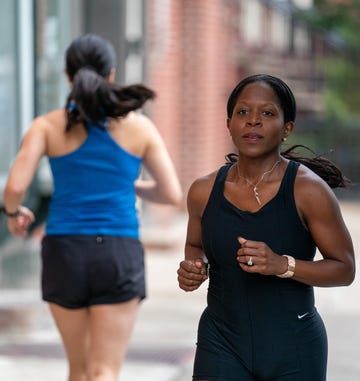
Credit: www.runnersworld.com
Frequently Asked Questions
Does Running Make Your Legs Bigger Or Thinner?
Running can tone and slim your legs by burning fat. Muscle mass may increase slightly, making legs more defined. The overall impact depends on your running routine and diet. Regular running often leads to leaner legs, while intense strength training could increase leg muscle size.
Does Running Increase Leg Muscle Size?
Running primarily tones and strengthens leg muscles rather than significantly increasing their size. It enhances endurance and muscle definition. If you’re aiming for larger muscles, consider incorporating strength training exercises like squats and lunges into your routine. Running alone focuses on cardiovascular fitness and overall leg tone.
Can Running Slim Down My Legs?
Yes, running can help slim down legs by burning fat and improving muscle tone. It’s an effective cardiovascular exercise that aids in weight loss and enhances overall leg appearance. Combining running with a balanced diet and strength training can further optimize results for leaner legs.
How Does Running Affect Leg Shape?
Running impacts leg shape by toning muscles and improving overall definition. It targets calf, thigh, and glute muscles, enhancing their appearance. While it doesn’t drastically increase size, it contributes to a more sculpted and athletic look. Incorporate varied running routines for balanced muscle development.
Conclusion
Running can impact leg size in different ways. Some runners notice muscle growth. Others see legs becoming leaner. It depends on factors like intensity and duration. Genetics also play a role. Running alone may not drastically change leg size. Combine it with strength exercises for balanced results.
Listen to your body and adjust your routine. Finding what works best is key. Aim for a mix of cardio and strength training. This ensures healthy muscle development. Remember, every body is unique. Embrace the journey towards fitness. Enjoy running and the benefits it brings.