
Have you ever pondered the fate of a fish after it’s released back into the water? The sight of a fish struggling on the end of a line can evoke a range of feelings—excitement, triumph, and perhaps a hint of guilt.
At the core of this contemplation is a pressing question: do fish hooks hurt fish? This question may linger in your mind, especially if you enjoy fishing while also caring for aquatic life. Understanding the true impact of catch-and-release fishing can provide peace of mind for anglers who prioritize fish welfare.
In this article, we will explore the science behind fish hooks and their effects on fish. Prepare to uncover surprising insights that could transform your next fishing experience.
Fish Hooks and Their Purpose
Fish hooks are indispensable tools in the fishing world, designed not only to catch fish but also to hold them securely. Different types of fish hooks serve various purposes, and understanding their functions can help anglers select the right hook for their needs.
Fish hooks come in numerous shapes and sizes, each tailored for specific uses. For instance, circle hooks are favored for catch-and-release practices as they minimize harm to fish, while J-hooks are commonly used in deep-sea fishing. Treble hooks, featuring multiple points, improve catch rates. Knowing the type of hook is crucial for both successful fishing and ensuring the safety of the fish.
How Fish Hooks Function
Fish hooks are designed to pierce the fish’s mouth, with sharp points ensuring a secure grip. Barb hooks prevent the fish from slipping off, making them effective for holding the catch. Their durability and construction are vital for effective fishing, but they can also lead to injuries if not used properly.
The Impact on Fish
Fish hooks can indeed cause discomfort and injuries to fish. The piercing action can lead to physical harm, but proper techniques and awareness can reduce this impact. Anglers who prioritize fish welfare often adopt less damaging methods and choose the right hook types to minimize potential harm.
Choosing the Right Hook
- Consider the species of fish you are targeting.
- Select hooks that align with your fishing method.
- Opt for hooks designed to minimize harm to fish.
- Ensure the hook is durable and sharp.
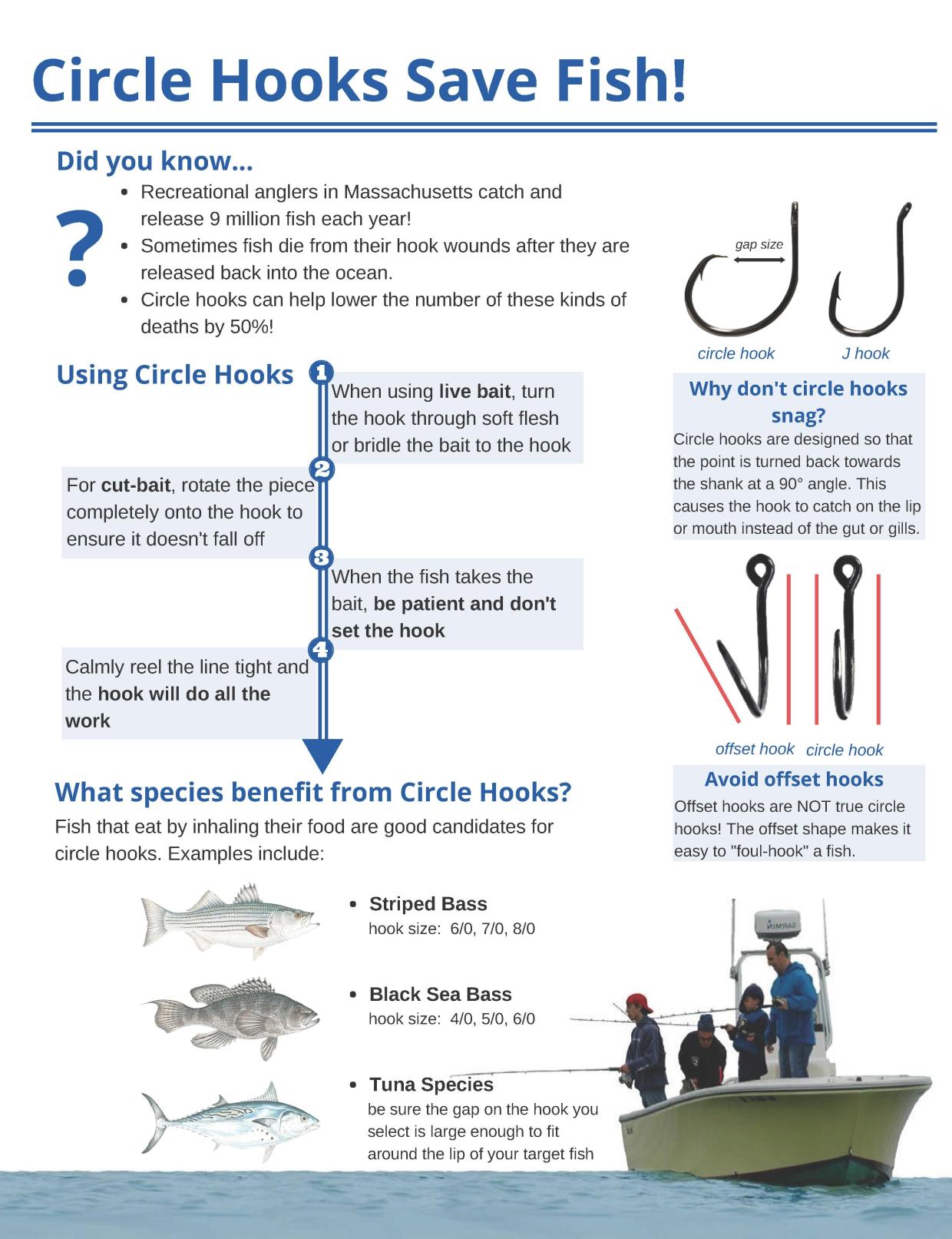
Credit: www.mass.gov
Types of Fish Hooks
Understanding the various types of fish hooks can significantly enhance your fishing experience and the well-being of the fish. Different hooks are engineered for specific fishing techniques and species. Selecting the appropriate hook is not only about increasing your catch rate but also about ensuring the fish’s safety, especially when practicing catch and release.
| Type of Hook | Best Use | Impact on Fish |
|---|---|---|
| Circle Hooks | Catch and release | Minimizes injury |
| J-Hooks | Deep-sea fishing | Higher injury risk |
| Treble Hooks | Improving catch rates | Increased injury potential |
FAQs
Q: Do fish feel pain from hooks?
Yes, research suggests that fish can feel pain. Their nervous systems are capable of processing painful stimuli, which means that being hooked can cause them distress.
Q: How do fish hooks hurt fish?
Fish hooks can pierce the fish’s mouth or throat, leading to injuries that may cause pain, bleeding, or even death if not handled properly. According to Mayo Clinic fitness guide, this is important for athletes.
Q: What happens to fish after being hooked?
After being hooked, fish may experience stress and injury. If released, their chances of survival depend on the severity of the injury and how they are handled during the catch-and-release process. For more, see our complete guide on Hooks Fish.
Q: Can fish survive after being hooked?
Many fish can survive after being hooked, especially if they are handled carefully and released quickly. However, severe injuries can reduce their chances of survival.
Q: Are fish hooks harmful to aquatic life?
Yes, fish hooks can be harmful to aquatic life, causing injuries and stress. Responsible fishing practices can help mitigate these effects.
Q: How do fish hooks affect fish health?
Fish hooks can lead to physical injuries and stress, impacting their overall health and well-being. Choosing the right hook and handling techniques can help reduce these risks.
Q: What are the best fish hooks for catch and release?
Circle hooks are often recommended for catch-and-release fishing as they minimize injury to the fish. They allow for a secure catch while reducing harm.
Q: What tools can help with fish hook removal?
Fish hook removal tools, such as pliers and dehookers, can assist in safely removing hooks from fish, minimizing injury during the release process.
In conclusion, understanding the impact of fish hooks on fish is crucial for responsible fishing practices. By choosing the right hooks and employing proper techniques, you can enjoy your fishing adventures while promoting the welfare of aquatic life. For more information on fishing gear that supports conservation, check out our recommended products below!
🏆 Top Recommended Products
Based on expert testing and reviews, here are our top picks:
Best Fish Hooks for Catch and Release
Minimize harm to fish while maximizing catch success.
👉 See Today’s Price on Amazon →
✔ Free shipping · Ships 1–2 days · Easy returns
Fish Hook Removal Tools
Safely remove hooks to ensure fish welfare during release.
✔ Free shipping · Ships 1–2 days · Easy returns
Fishing Gear for Conservation
Support sustainable fishing practices with eco-friendly gear.
🔥 Don’t Miss This Deal on Amazon →
✔ Free shipping · Ships 1–2 days · Easy returns