
Have you ever found yourself staring at your trusty soccer cleats and wondered if they could double as rugby boots? You’re not alone.
Many people consider this idea, especially if they’re new to rugby or trying to save a few bucks. But before you lace up those cleats and hit the rugby field, it’s important to know whether they truly fit the bill.
What if using the wrong footwear could affect your performance or even put your safety at risk? We’ll explore the similarities and differences between soccer and rugby cleats, helping you make an informed decision that keeps you at the top of your game. Ready to find out? Let’s dive in!
Soccer Vs Rugby Cleats
Choosing the right cleats is crucial for safety and performance. Soccer cleats can work for rugby, but they lack optimal grip and protection needed for the sport’s physical demands. Consider rugby-specific cleats for better support and durability.
The debate over whether you can wear soccer cleats for rugby often boils down to the differences between the two types of footwear. Soccer and rugby, while both involving a ball and a field, demand unique skills and movements. This translates into distinct requirements for cleats designed specifically for each sport. Understanding these differences can help you decide if wearing soccer cleats for rugby is a good idea or not.
Design Differences
Soccer cleats are designed for agility and speed. They are typically lightweight and offer a snug fit to allow quick direction changes. Rugby cleats, on the other hand, are built to withstand more physical contact and provide greater stability. Rugby cleats often have a higher cut to support the ankles, given the nature of the scrums and tackles. Soccer cleats, with their low-cut design, prioritize freedom of movement and touch on the ball.
Material Composition
The materials used in soccer cleats focus on touch and control. You’ll often find leather or synthetic uppers designed to enhance ball handling. Rugby cleats are crafted from more robust materials to endure the sport’s rough conditions. Rugby shoes might be heavier, featuring durable materials that can withstand muddy fields and physical play. The emphasis here is on durability and protection rather than just lightweight agility.
Sole Patterns
The sole patterns of these cleats also highlight their distinct purposes. Soccer cleats have smaller, more numerous studs to provide grip on firm ground without hindering speed. This helps in quick sprints and agile moves. Rugby cleats, however, often come with fewer, larger studs, which can be metal-tipped. This setup offers more traction and stability on soft or wet grounds, crucial for scrums and mauls. Could the wrong choice of cleats make or break your game? Choosing the right footwear is not just about comfort; it’s about optimizing your performance and ensuring safety on the field. So, next time you reach for those cleats, consider what your game truly demands.
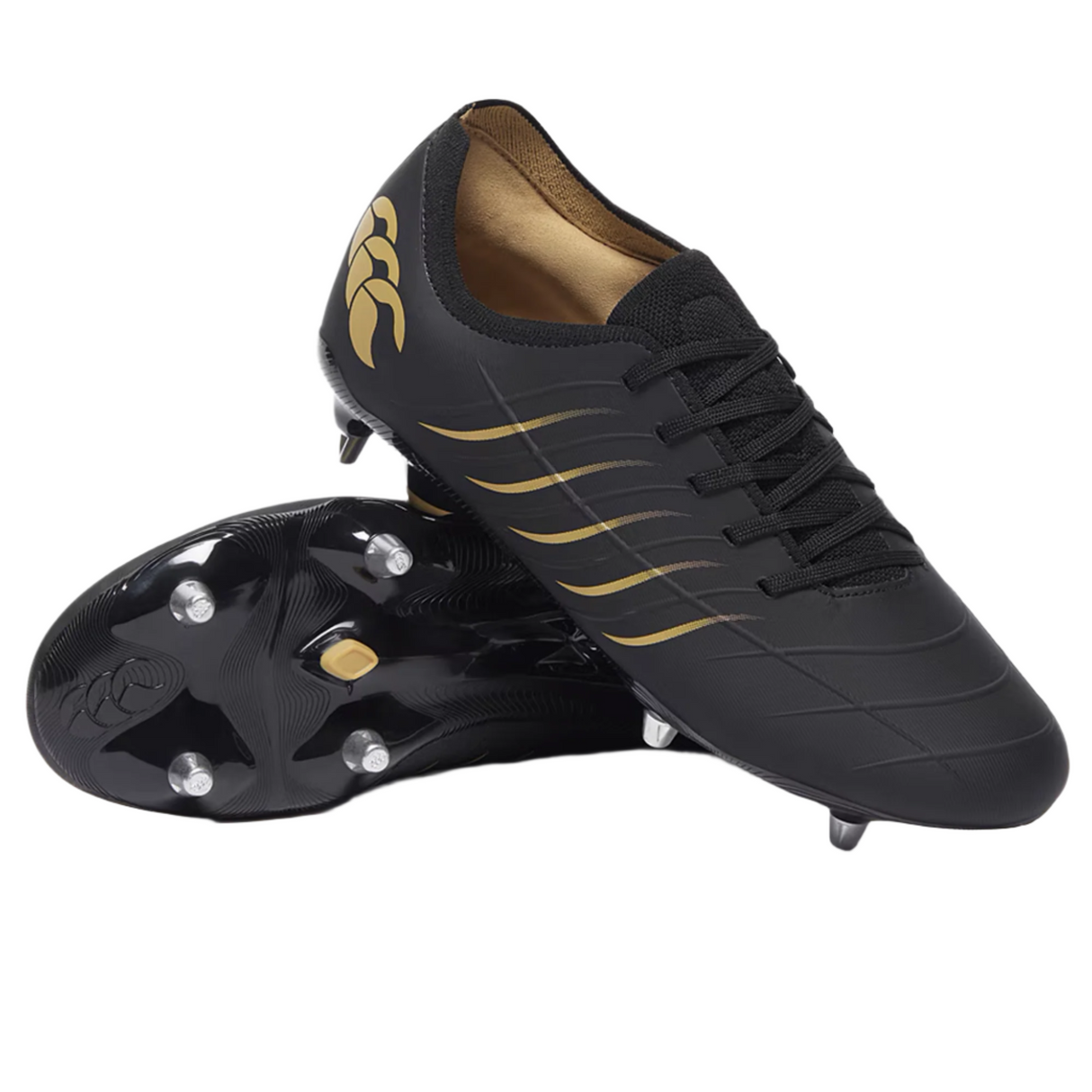
Credit: www.worldrugbyshop.com
Performance Considerations
Wearing soccer cleats for rugby may affect performance due to differences in traction and safety. Soccer cleats offer less ankle support and different stud patterns, impacting grip and stability on the rugby field.
When considering whether to wear soccer cleats for rugby, it’s crucial to assess how they affect your performance on the field. Soccer cleats and rugby boots are designed with different priorities in mind, and these differences can significantly impact grip, weight, comfort, and speed. Let’s dive into these performance considerations to help you make an informed decision.
Grip And Traction
Soccer cleats are designed for quick movements and sudden changes in direction, providing excellent grip on firm ground surfaces. In rugby, however, you face varying terrains and often need robust traction for scrums and tackles. Soccer cleats may lack the necessary grip on soft or muddy fields, potentially affecting your stability. Reflect on your playing conditions—will your cleats hold up during a wet, slippery match?
Weight And Comfort
Soccer cleats tend to be lighter, which is ideal for speed and agility. Rugby boots, on the other hand, are generally more sturdy, offering protection and support during intense physical contact. This difference in construction can impact how comfortable you feel throughout the game. Are you willing to trade off some protection for a lighter feel? Your decision might hinge on your playing style and position on the rugby field.
Impact On Speed
The lighter weight of soccer cleats can enhance your sprinting abilities, which is a definite advantage for wingers or players focusing on speed in rugby. However, the lack of ankle support compared to rugby boots might hinder your overall performance, especially during tackles or aggressive play. Consider how crucial speed is to your role in the team. Is maintaining top speed worth the potential compromise in support and safety?
Safety Implications
Wearing soccer cleats for rugby might seem convenient. But it raises safety concerns. Soccer cleats differ from rugby boots in design and function. This difference can affect player safety on the field. Understanding these safety implications is crucial for players. Let’s explore potential injuries and regulatory compliance related to this choice.
Potential Injuries
Soccer cleats have a narrower sole than rugby boots. This can lead to stability issues on the field. Players may twist ankles or suffer from foot injuries. The studs on soccer cleats are often longer. This can increase the risk of slipping on wet grass. Rugby involves heavy physical contact. Soccer cleats offer less protection against impact injuries. This can lead to bruises or more serious injuries.
Regulatory Compliance
Rugby has specific rules about footwear. These rules ensure fair play and safety. Soccer cleats might not meet these requirements. For instance, rugby cleats have rounded studs for player safety. Soccer cleats might have sharp edges. This could violate rugby regulations. Officials check footwear before matches. Wearing non-compliant cleats might lead to disqualification. It’s important to check league rules before choosing cleats.
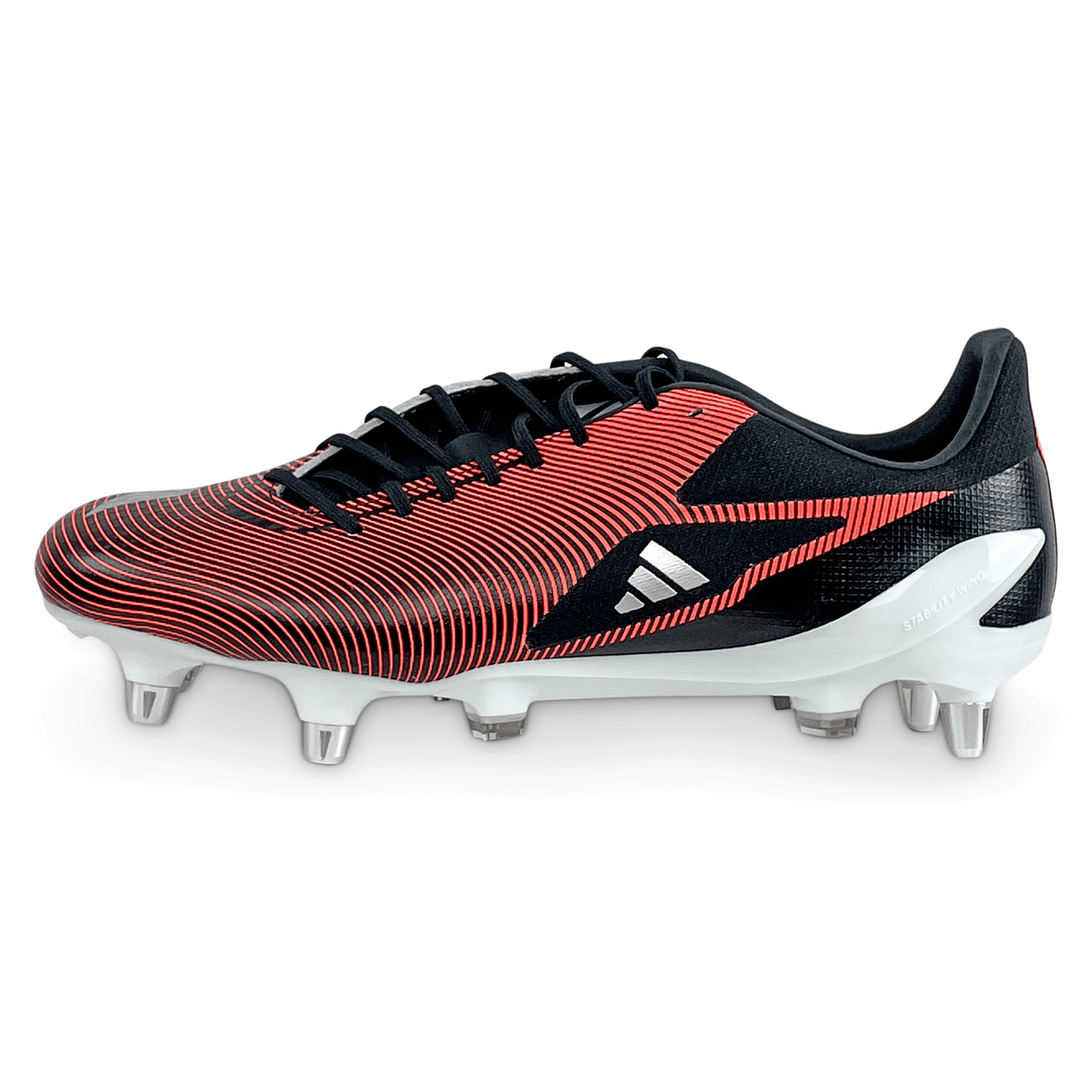
Credit: www.worldrugbyshop.com
Weather And Field Conditions
Understanding how weather and field conditions affect your choice of footwear is crucial, especially if you’re considering wearing soccer cleats for rugby. Different surfaces present unique challenges, and the right cleats can significantly improve your performance and safety. Let’s dive into how these conditions might influence your decision.
Wet And Muddy Surfaces
Wet and muddy fields demand cleats that offer excellent grip to prevent slipping. Soccer cleats often have shorter studs, which may not provide the traction needed in rugby’s more challenging conditions. Imagine playing on a slick, muddy surface where maintaining your footing is a constant battle. Rugby cleats are designed with longer, deeper studs to dig into the muck, helping you stay stable and agile. If you’ve ever felt your feet slipping in the mud, you know how critical this can be.
Grass And Turf
On grass and turf, the scenario shifts slightly. Soccer cleats can perform adequately because their design caters to similar conditions. However, rugby involves more physical contact and lateral movement, which demands additional support and grip. Have you ever noticed how players in rugby seem to effortlessly change direction? Their cleats play a big role in this, providing the necessary grip and stability. You might wonder if soccer cleats can handle these quick pivots and bursts of speed. The answer depends on the turf’s firmness and your playing style. While soccer cleats can suffice, rugby cleats are engineered for the sport’s dynamic demands.
Ultimately, considering weather and field conditions is vital when choosing between soccer and rugby cleats. The right choice ensures your safety and enhances your performance. What’s your experience with playing on different surfaces? Share your insights and let’s discover the best cleats together!
Cost And Accessibility
Soccer cleats and rugby boots share some similarities. Many wonder if soccer cleats can be used for rugby. Cost and accessibility play a big role in this decision. Let’s explore how affordability and availability impact your choice.
Affordability
Soccer cleats often come in various price ranges. This makes them accessible for different budgets. Rugby boots might be more specialized, leading to higher costs. Buying soccer cleats can save money. Especially for beginners or those on a tight budget.
Many brands produce soccer cleats. This competition helps keep prices low. You might find discounts or sales more often. Soccer cleats provide an affordable entry point for those new to rugby.
Availability In Stores
Soccer cleats are widely available in sports stores. You can find them in most local shops. This makes them easy to try on and purchase. Rugby boots may not be as common in every store.
For those living in areas without specialized rugby stores, soccer cleats are a viable option. This accessibility helps players start playing without much hassle. Online platforms also offer a wide range of soccer cleats. This further enhances their availability for potential buyers.
Expert Opinions
Wearing soccer cleats for rugby might not be the best idea. Rugby requires footwear with different grip and stability. Soccer cleats may not provide the support needed for rugby’s physical demands.
When it comes to choosing the right footwear for sports, the question of whether soccer cleats can be worn for rugby often arises. Understanding this requires insights from both seasoned coaches and experienced players. Let’s dive into what the experts have to say.
Insights From Coaches
Coaches often emphasize the importance of using sport-specific gear. While soccer cleats are designed for agility and speed on the field, rugby requires more stability and grip. A rugby coach I spoke to shared that players wearing soccer cleats often struggle with traction during scrums and lineouts. Another coach highlighted that soccer cleats can lead to increased risk of injury in rugby due to the difference in stud length and placement. They advise always opting for rugby-specific cleats to ensure safety and performance.
Feedback From Players
Players who have tried both types of cleats often have strong opinions. A friend who plays both soccer and rugby mentioned feeling unstable when wearing soccer cleats during a rugby match. The shorter studs made it difficult to maintain balance, especially on wet grass. Another player pointed out that while soccer cleats are lighter and more comfortable, they lack the necessary support for rugby’s physical demands. They suggested that for casual, non-competitive play, soccer cleats might suffice, but for serious matches, rugby cleats are a must. Have you considered the impact your choice of cleats could have on your game? Understanding the nuances from those who live and breathe the sport can guide your decision.
Alternatives To Soccer Cleats
When it comes to playing rugby, choosing the right footwear is crucial for your performance and safety. Soccer cleats might seem like a convenient option, especially if you already own a pair, but there are better alternatives designed specifically for rugby. These alternatives can provide enhanced grip, support, and protection tailored to the unique demands of the sport. Let’s dive into some options that could significantly improve your game.
Specialized Rugby Boots
Rugby boots are crafted with the sport’s specific needs in mind. They often feature a higher ankle cut for added support during scrums and tackles. Unlike soccer cleats, rugby boots have removable studs, allowing you to adjust based on field conditions. This customization can drastically affect your grip on muddy or wet grounds, making them a smart choice for serious players.
Have you ever felt your foot sliding during a critical game moment? Investing in rugby boots could prevent these slips, giving you the stability to make those game-changing plays. Brands like Canterbury and Gilbert offer excellent options that cater to various playing styles and positions.
Multi-sport Cleats
If you play multiple sports, multi-sport cleats might be your best bet. Designed to offer flexibility, they provide decent performance across various sports including rugby, soccer, and even field hockey. These cleats are perfect for those who juggle multiple sports but don’t want to invest in multiple pairs of shoes.
Imagine the convenience of having one pair of cleats for your weekend rugby match and your weekday soccer game. While they might not offer the specialized features of rugby boots, multi-sport cleats like those from brands such as Nike and Adidas can still offer solid grip and comfort.
Ultimately, it comes down to your needs and commitment level to rugby. Are you prepared to make the investment for optimized performance, or do you prefer versatility across your sporting activities? The choice is yours, but with these alternatives, you’ll be stepping onto the field with confidence and style.

Credit: www.ebay.com
Frequently Asked Questions
What Type Of Cleats To Wear For Rugby?
Wear rugby-specific cleats with studs for grip on grass. Choose molded or screw-in studs depending on field conditions. Ensure they provide ankle support and fit comfortably. Avoid soccer or football cleats as they may not offer adequate traction or safety for rugby play.
What Cleats Are Allowed In Rugby?
Rugby cleats must have rounded studs, no sharp edges, and a maximum length of 21mm. Metal and plastic studs are allowed. Molded cleats are also permitted. Cleats should provide good traction and support. Ensure they meet World Rugby’s safety regulations for optimal performance.
Is There A Difference Between Rugby Cleats And Soccer Cleats?
Yes, rugby cleats differ from soccer cleats. Rugby cleats often have more studs and a higher ankle support. Soccer cleats are lighter with lower ankle support and fewer studs for agility. Both are designed for their respective sport’s specific needs and field conditions.
Can You Use Soccer Boots For Touch Rugby?
Yes, you can use soccer boots for touch rugby. Ensure they have rubber or molded studs for safety. Avoid metal studs to prevent injury. Soccer boots provide good grip and support on the field. Always check your league’s rules for specific footwear requirements.
Conclusion
Choosing the right footwear is crucial for safety and performance. Soccer cleats can be worn for rugby in some cases. But, they may not provide the best grip or protection. Rugby-specific cleats offer better support and durability. They help prevent injuries on the field.
Consider the playing surface and your position. These factors impact your cleat choice. Always prioritize comfort and fit. Trying both types might help you decide. Remember, every sport has unique demands. Equip yourself accordingly for a better experience.