
Imagine the scent of sizzling bacon wafting through your living room or the comforting warmth of hot cocoa on a chilly night, all thanks to your trusty camp stove. But wait—before you light up indoors, there are essential things you need to know.
You might be wondering, “Can you use a camp stove inside without risking your safety? ” This question might feel urgent, especially if you’re craving that camping vibe or faced with an unexpected power outage. Your curiosity is valid, and it’s crucial to get the right answers.
Using a camp stove inside your home can seem convenient and adventurous, but it also poses potential dangers that you shouldn’t overlook. We’ll explore the ins and outs of using camp stoves indoors, addressing safety concerns, proper ventilation, and alternative solutions. By the end, you’ll have a clear understanding of whether it’s a smart move or if you should consider other options. Stick around to learn more about how to enjoy the benefits of a camp stove without compromising your safety.
Credit: www.glawning.com
Indoor Use Of Camp Stoves
Using a camp stove indoors might sound like a convenient idea. It can be tempting during power outages or in tight spaces. Yet, it’s crucial to weigh the risks and benefits. Safety should always come first. Let’s delve into the potential risks and benefits.
Risks And Considerations
Camp stoves are designed for outdoor use. Using them indoors poses several risks. The most significant risk is carbon monoxide poisoning. Camp stoves can produce harmful gases. In an enclosed space, these gases can be deadly. Ventilation is vital, but often insufficient indoors. Fire hazards are another concern. Flammable materials are common in homes. A small spark can lead to a large fire. Inspect your stove regularly for leaks or damage. Always have a fire extinguisher nearby.
Potential Benefits
Despite risks, there are some benefits to indoor camp stove use. They provide a quick cooking solution when power is out. Camp stoves are portable and easy to set up. This makes them a convenient backup. They are also efficient on fuel. A small amount can last a long time. This makes them cost-effective for short-term use. In emergencies, they offer a reliable cooking method. Ensure all safety precautions are followed.
Types Of Camp Stoves
Using a camp stove inside requires caution. Types include gas, liquid fuel, and alcohol stoves. Proper ventilation and safety measures are essential to prevent harmful fumes and accidents.
Exploring the types of camp stoves can be quite enlightening, especially when you’re considering using one indoors. Each type has its unique features and potential safety concerns. Let’s dive into the different types of camp stoves and what you should know about using them indoors.Gas-powered Stoves
Gas-powered stoves are a popular choice among campers due to their portability and efficiency. They typically run on propane or butane, making them easy to light and control. However, using them indoors requires caution. When using gas-powered stoves inside, ensure proper ventilation. Gas stoves can produce carbon monoxide, which is dangerous in enclosed spaces. Always check for leaks before use, and never leave the stove unattended.Wood-burning Stoves
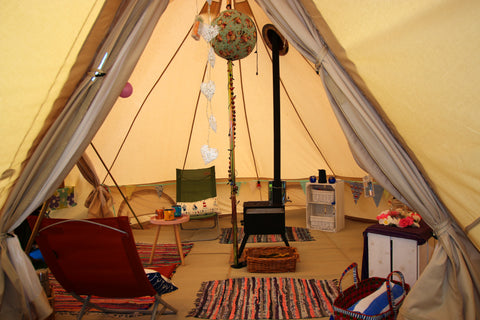
Wood-burning stoves offer a rustic cooking experience, often evoking a sense of adventure. They are ideal for outdoor settings but can be tricky indoors. If you’re considering a wood-burning stove inside, think about ventilation and fire safety. These stoves need a chimney or exhaust system to safely vent smoke. Indoor use can be risky without a proper setup. Additionally, keep a close eye on the fire to prevent any accidents.Electric Stoves
Electric stoves might be your safest bet for indoor use, provided you have access to power. They eliminate the concerns of gas leaks and open flames. Plus, they offer precise temperature control. With electric stoves, the primary concern is ensuring you have a reliable power source. They can be a bit heavier than other options, but the safety benefits often outweigh this drawback. Consider your power needs and cooking space before choosing an electric stove. Have you thought about which type of stove fits your indoor camping needs? Each has its pros and cons, but safety should always be your top priority.Safety Precautions
Using a camp stove indoors can be risky. Ensure proper ventilation to avoid carbon monoxide poisoning. Keep flammable materials away for safety.
Ensuring safety while using a camp stove indoors is paramount. Although it might seem convenient, there are several precautions you need to take to prevent hazards. By understanding the necessary safety measures, you can enjoy the warmth and convenience of your camp stove without compromising your safety.Ventilation Requirements
Proper ventilation is non-negotiable when using a camp stove inside. The last thing you want is harmful gases accumulating in your living space. Always ensure there’s a clear path for air to circulate. Open windows or doors to allow fresh air in. This helps disperse any potentially dangerous fumes. If you have an exhaust fan, make good use of it. It can greatly enhance air circulation and help maintain a safe environment.Monitoring Carbon Monoxide
Carbon monoxide is a silent threat. It’s odorless and colorless, making it nearly impossible to detect without proper tools. Invest in a carbon monoxide detector. This device is your best line of defense against this invisible danger. Keep the detector in the same room as the camp stove. Regularly check its batteries and functionality to ensure it’s always ready to alert you. Have you ever considered how easily preventable accidents can be with just a little preparation? By taking these precautions, you’re not only protecting yourself but also those around you. Stay vigilant and prioritize safety.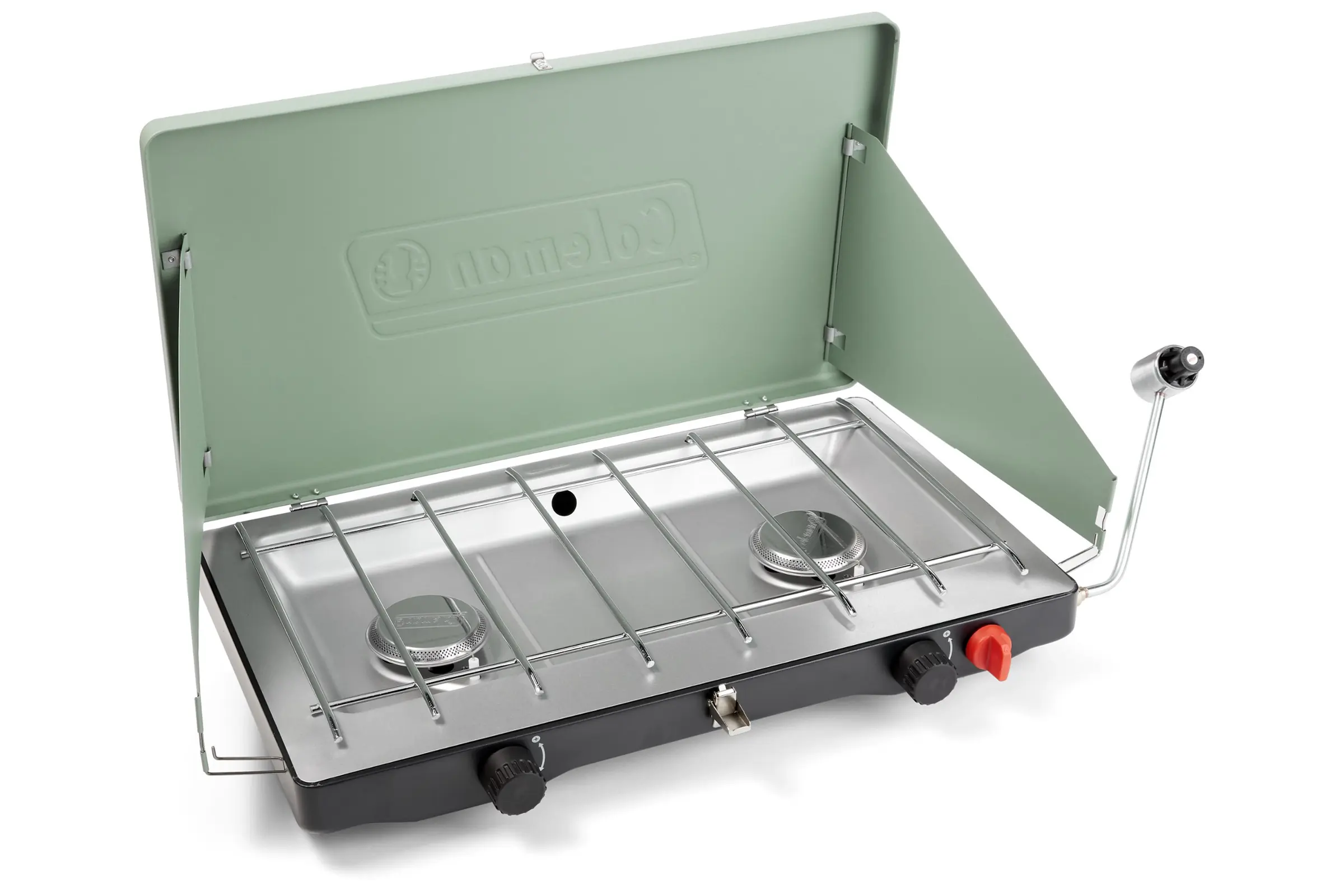
Credit: gearjunkie.com
Alternative Cooking Options
Cooking indoors requires safe and efficient methods. While camp stoves are popular for outdoor use, they aren’t always suitable for indoor cooking. Fortunately, there are various alternatives that offer convenience and safety for indoor culinary tasks. These options ensure that you can cook meals efficiently without compromising safety.
Electric Appliances
Electric appliances are a reliable choice for indoor cooking. They are safe and easy to use. Devices like electric griddles and hot plates offer versatility. You can cook a range of foods with them. Electric kettles quickly boil water for drinks or meals. They help in making soups or instant noodles. These appliances require minimal setup. They are perfect for small kitchens or temporary setups.
Microwaves And Ovens
Microwaves provide quick and easy cooking options. They are ideal for reheating food or cooking simple dishes. You can steam vegetables or defrost meats. Microwaves are energy-efficient and save time. Ovens offer broader cooking capabilities. They allow baking, roasting, and broiling. You can cook various meals with consistent heat distribution. Both microwaves and ovens are essential in modern kitchens. They cater to diverse cooking needs efficiently.
Emergency Situations
Using a camp stove indoors during emergencies can be hazardous. Ventilation is crucial to prevent dangerous fumes. Opt for alternative indoor-safe cooking methods to ensure safety.
In emergency situations, having a reliable source of heat and cooking can be crucial. A camp stove can be a vital tool during such times. But can you safely use a camp stove indoors? Let’s explore this under different emergency scenarios.Power Outages
During power outages, cooking becomes a challenge. A camp stove can provide a solution. Ensure proper ventilation to avoid dangerous fumes. Use the stove near a window or in a well-ventilated area. Always follow the manufacturer’s safety guidelines. Avoid using the stove on flammable surfaces. Keep a fire extinguisher nearby for safety.Natural Disasters
Natural disasters can disrupt normal life. Access to cooking facilities might be limited. A camp stove can help in such situations. Ensure the room is well-ventilated. Avoid using the stove in confined spaces. Always keep an eye on the flame. Keep flammable materials away from the stove. Follow safety instructions to prevent accidents.Legal Regulations
Understanding legal regulations is crucial before using a camp stove indoors. Potential risks include carbon monoxide poisoning. Ensure proper ventilation and safety measures to comply with local laws.
Using a camp stove indoors might seem convenient. Yet, it’s crucial to be aware of legal regulations. This ensures safety and compliance with local rules. Misunderstanding or neglecting these regulations can lead to serious consequences.Building Codes
Building codes are essential for indoor safety. They define how buildings should be constructed. This includes ventilation and fire safety standards. Using a camp stove inside can violate these codes. Poor ventilation can lead to carbon monoxide build-up. This poses a significant risk to health. Always check your local building codes before using such appliances indoors.Local Laws And Ordinances
Local laws vary from place to place. They can be strict about using camp stoves indoors. Some areas may permit it with specific conditions. Others might ban it entirely. Violating these laws can result in fines or legal action. It’s wise to consult your local authorities. This ensures you are not breaking any laws. Understanding local ordinances helps in making informed decisions.Expert Advice
Using a camp stove inside poses risks due to carbon monoxide emissions. Ensure proper ventilation to minimize hazards. Safety should always be the top priority when using a stove indoors.
When considering the use of a camp stove indoors, it’s crucial to consult expert advice to ensure your safety and well-being. The convenience of cooking inside might be tempting, especially during inclement weather or in emergency situations. However, before you light up that stove, it’s important to understand the potential risks and necessary precautions.Fire Safety Experts
Fire safety experts strongly advise against using camp stoves inside your home. The primary concern is the risk of fire. Camp stoves are designed for outdoor use and may not have the necessary safety features for indoor use. They can easily tip over, causing flames to spread quickly. Consider the materials around you. Is your space filled with flammable items like curtains or paper? Even a small spark can lead to a dangerous blaze. Firefighters often stress the importance of having a fire extinguisher nearby if you decide to take the risk.Health Professionals
Health professionals warn about the dangers of carbon monoxide poisoning when using camp stoves indoors. These stoves can emit harmful gases that are not easily detected without proper ventilation. Would you knowingly expose your loved ones to an invisible threat? Proper ventilation is crucial, but it might not be sufficient in confined spaces. Symptoms of carbon monoxide poisoning include headaches, dizziness, and nausea. It’s better to avoid using a camp stove indoors altogether to protect your health. Ultimately, while the idea of using a camp stove indoors might seem like a quick fix, the risks often outweigh the benefits. Always prioritize safety and consider alternative indoor cooking methods designed for home use.
Credit: www.amazon.com
Frequently Asked Questions
Can A Camping Stove Be Used Indoors?
Using a camping stove indoors is unsafe due to carbon monoxide risks. Ensure proper ventilation if necessary. Consider electric alternatives for indoor use. Always prioritize safety and follow manufacturer guidelines.
Can You Use A Butane Camp Stove In The House?
Using a butane camp stove indoors is risky due to carbon monoxide production. Ensure proper ventilation. Preferably use electric stoves. Always follow safety guidelines to prevent accidents. Consider alternatives designed for indoor use to avoid hazards. Safety should be your top priority when choosing cooking appliances for home use.
Can Coleman Fuel Be Used Indoors?
Coleman fuel should not be used indoors. It produces harmful fumes and poses fire risks. Ventilation is crucial. Use it outdoors in open spaces for safety. Always prioritize proper ventilation and follow safety guidelines to avoid health hazards.
Are Propane Stoves Safe To Use Inside?
Propane stoves are safe indoors with proper ventilation. Ensure a carbon monoxide detector is installed. Follow manufacturer guidelines for safety. Regularly check for leaks. Always turn off when not in use. Proper maintenance prevents hazards. Avoid using stoves in small, enclosed spaces.
Prioritize safety for comfortable indoor cooking.
Conclusion
Using a camp stove indoors is risky. Safety should always come first. Ventilation is key to preventing accidents. Stoves release harmful gases indoors. Carbon monoxide is a silent threat. Choose electric options for indoor use. They don’t emit dangerous fumes.
Read product guidelines carefully before using indoors. Always prioritize safety over convenience. Proper stove use ensures everyone stays safe. Outdoors remains the best place for camp stoves. Enjoy cooking while keeping health risks at bay. Remember, safety turns adventures into memorable experiences.