

Have you ever wondered if soccer cleats are made of metal? Whether you’re browsing in a sports store or preparing for your next match, understanding the materials of soccer cleats can significantly impact your performance on the field.
Knowing the right type of cleats can enhance your grip, stability, and overall confidence during gameplay. In this article, we’ll explore the truth behind soccer cleats and whether they feature metal components, as well as how these materials can affect your game.
Materials Used In Soccer Cleats
Soccer cleats are crafted from various materials to enhance performance, comfort, and durability. Understanding these materials is crucial when selecting the right pair for your needs.
Traditional Materials
Leather has long been a favorite for Soccer Cleats due to its durability and flexibility. Kangaroo leather, in particular, is favored for its softness and ability to mold to the foot, providing a custom fit. Leather cleats are especially effective on natural grass fields.
Modern Innovations
With advancements in technology, many cleats now utilize synthetic materials. These options tend to be lightweight, often waterproof, and easy to clean. Some designs incorporate mesh for breathability, ensuring your feet stay cool during intense matches. Additionally, carbon fiber is increasingly used in high-performance cleats, offering strength without added weight, which supports quick movements and enhances stability.
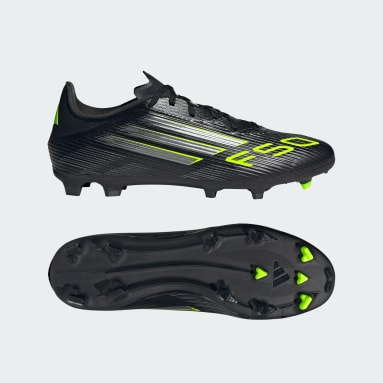
Credit: www.adidas.com
Metal Cleats: Myth Or Reality
The debate surrounding metal cleats has intrigued soccer players and coaches for years. Are they a myth or a reality? Let’s delve into the history and current regulations regarding metal studs in soccer cleats.
Historical Usage
Historically, metal cleats were common in soccer, providing superior grip on muddy fields. Players appreciated their durability and performance in adverse weather conditions.
Current Regulations
Today, many soccer leagues have strict regulations regarding cleat materials. Most leagues prohibit metal cleats for safety reasons, particularly in youth leagues where player safety is paramount. Understanding these regulations is essential for players at all levels. According to FIFA official regulations, this is important for athletes.
Benefits of Metal Studs on Soccer Cleats
While metal studs are often banned, they do offer specific advantages. Metal studs can provide better traction on soft ground, allowing for quicker acceleration and sharper turns. However, the risk of injury to other players has led to their decline in popularity.
Choosing the Right Soccer Cleats
When selecting Soccer Cleats, consider the type of playing surface and the regulations of your league. If metal studs are allowed, weigh the benefits against potential risks. For most players, cleats with plastic or rubber studs are a safer and more versatile option.
Comparison of Metal vs. Plastic Studs
| Feature | Metal Studs | Plastic Studs |
|---|---|---|
| Traction | Superior on soft ground | Good on various surfaces |
| Durability | Long-lasting | Wear out faster |
| Safety | Higher risk of injury | Safer for players |
| Weight | Heavier | Lighter |
FAQs About Soccer Cleats
Q: Are soccer cleats metal?
No, soccer cleats are not made entirely of metal. They typically feature a combination of materials, including leather, synthetic fabrics, and plastic or rubber studs. For authoritative guidance, Mayo Clinic fitness guide provides detailed insights.
Q: What are soccer cleats made of?
Soccer cleats are generally made from leather or synthetic materials, with rubber or plastic studs for traction. Some high-end models may incorporate carbon fiber for added strength.
Q: Do soccer cleats have metal studs?
While some older models featured metal studs, most modern soccer cleats use plastic or rubber studs due to safety regulations in many leagues.
Q: How do metal studs affect performance?
Metal studs can enhance traction on soft surfaces, improving acceleration and stability. However, they also pose a higher risk of injury, leading to their decline in use.
Q: What are the best soccer cleats with metal studs?
While metal studs are less common today, some brands may still offer models with metal options. Always check league regulations before purchasing.
Q: How to choose soccer cleats with metal spikes?
When selecting cleats with metal spikes, consider your playing surface, league rules, and personal comfort. Ensure the fit is snug but not too tight. For more, see our complete guide on Soccer Cleats.
Q: Are there alternatives to metal studs?
Yes, plastic and rubber studs are widely used as safer alternatives to metal studs, providing good traction without the risk of injury.
Q: Can I use soccer cleats for other sports?
While soccer cleats are designed for soccer, they may not provide the necessary support or traction for other sports. It’s best to use sport-specific footwear.
In conclusion, understanding the materials and types of soccer cleats can greatly influence your performance on the field. Whether you’re looking for the best soccer cleats with metal studs or exploring alternatives, make sure to consider your playing style and league regulations. Your choice of cleats can make all the difference in your game. For more insights and recommendations, check out our product section below!
🏆 Top Recommended Products
Based on expert testing and reviews, here are our top picks:
Best Soccer Cleats with Metal Studs
Enhance traction and performance on soft ground.
👉 See Today’s Price on Amazon →
✔ Free shipping · Ships 1–2 days · Easy returns
Top Rated Soccer Cleats Reviews
Find the best options based on player feedback and expert reviews.
✔ Free shipping · Ships 1–2 days · Easy returns
Affordable Soccer Cleats for Sale
Get quality cleats without breaking the bank.
🔥 Don’t Miss This Deal on Amazon →
✔ Free shipping · Ships 1–2 days · Easy returns