
Imagine lining up for a race and wondering if technology could give you an edge. As you prepare to take your first step, a thought crosses your mind: are running blades faster than legs?
This question isn’t just about speed; it’s about innovation, possibility, and the future of athletic performance. You might have seen athletes with running blades on TV or in competitions, and perhaps you’ve even marveled at their speed. But do these high-tech prosthetics truly surpass the capabilities of natural legs?
You’ll uncover the truths behind running blades and how they compare to human legs. We’ll dive deep into the science, explore real-life examples, and unravel myths that might be clouding your understanding. Whether you’re an athlete, a curious observer, or someone passionate about technology, this exploration will change the way you view the intersection of nature and innovation. Are you ready to discover the secrets that could redefine what you know about speed?
Running Blades Technology
Running blades technology is transforming the world of athletics by offering those with limb differences a unique opportunity to compete. These specialized prosthetics are designed to mimic the function of a natural leg while enhancing speed and agility. You might wonder how a piece of engineered equipment can rival human biology. Let’s dive into the intricate details of what makes running blades so unique and powerful.
Materials And Design
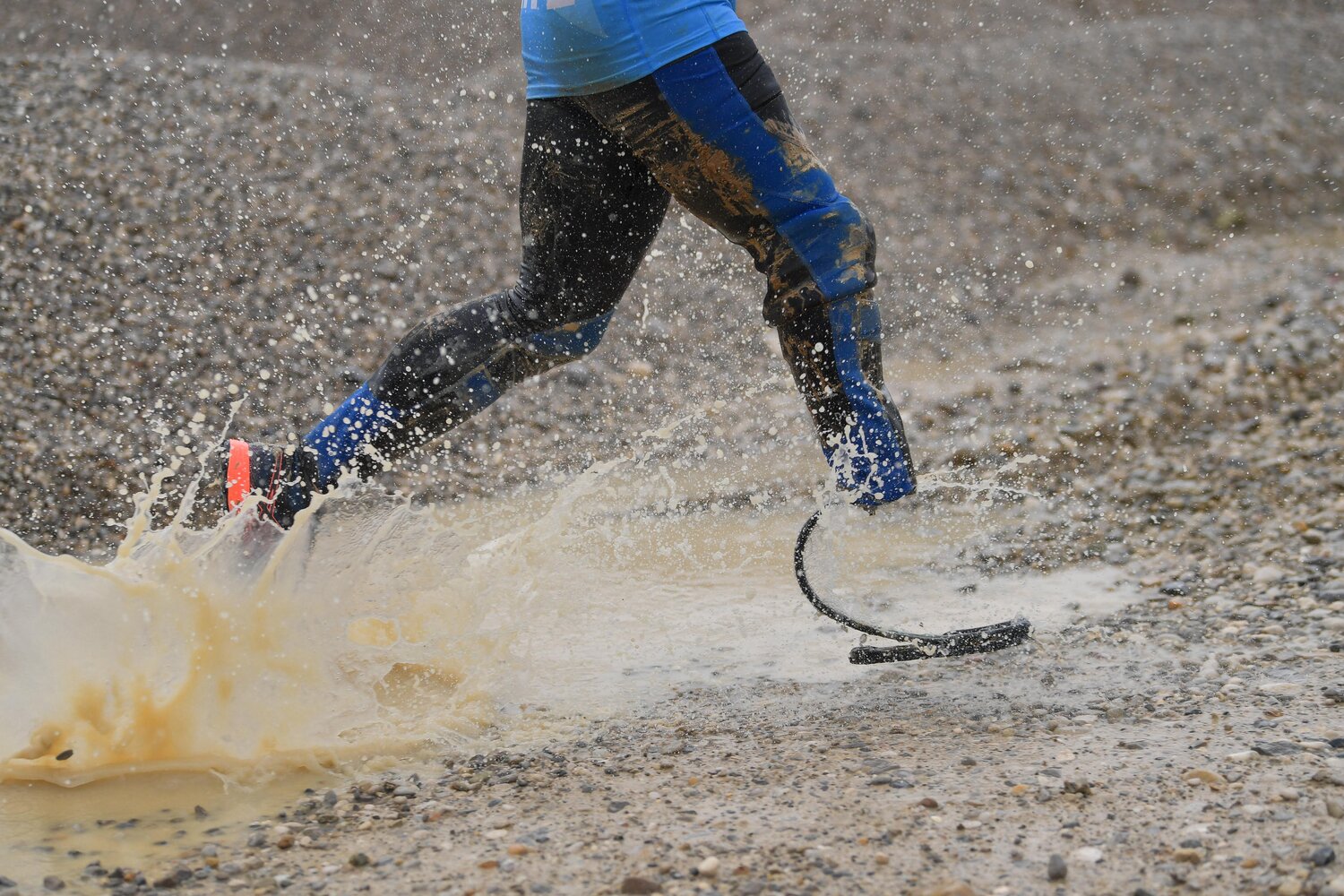
The materials used in running blades play a crucial role in their performance. Typically, they are made from lightweight carbon fiber, which provides strength and flexibility. This material allows the blade to absorb energy when it contacts the ground and release it as the athlete pushes off, much like a spring. The design is meticulously crafted to replicate the natural gait cycle, ensuring a smooth and efficient movement.
Design aspects such as curvature and length are tailored to the athlete’s needs and preferences. Some blades feature a J-shape, which offers stability and speed, while others have a C-shape for enhanced energy return. This customization highlights the intersection of engineering and personal comfort, allowing athletes to choose blades that best suit their performance goals.
Functionality And Mechanics
Understanding the mechanics behind running blades is key to appreciating their impact. These prosthetics work by storing kinetic energy as the athlete’s weight compresses the blade, then releasing that energy to propel forward. This mechanism mimics the way muscles and tendons function in a natural leg, providing a seamless transition between steps.
The functionality also extends to ground adaptation. Running blades are designed to maintain traction and stability on various surfaces, from track lanes to uneven terrains. This feature ensures that athletes can perform confidently without compromising speed or control. As you consider the potential of running blades, think about how this technology could redefine what we perceive as possible in sports.
Performance Comparisons
In the realm of athletic performance, running blades have stirred considerable debate. Are they faster than natural legs? This question intrigues many, especially those interested in the advancements of technology in sports. Understanding how these blades stack up against human legs requires a detailed look at various performance metrics.
Speed Analysis
Speed is a crucial factor when evaluating performance. Running blades are designed to maximize efficiency and reduce drag. Unlike natural legs, blades can offer a spring-like effect, propelling athletes forward with less energy expenditure.
Consider the triumphs of renowned Paralympic athletes who have shattered records, challenging perceptions of speed. What does this mean for you? If you’re an aspiring runner, it suggests that technology can play a pivotal role in enhancing speed.
Endurance Factors
Endurance is another vital aspect where comparisons are intriguing. While blades can offer speed, the question of endurance remains complex. Natural legs boast muscle fibers that adapt over time, potentially offering more sustained energy.
However, blades aren’t limited by fatigue in the same way muscles are. This could mean longer distances with less strain. Think about how this might alter your approach to long-distance running. Could a focus on technology provide you with the tools to go further?
Reflect on these insights and consider how technology might influence your training regime. Are you ready to embrace innovation in your pursuit of athletic excellence?
Biomechanical Differences
Running blades have sparked intriguing conversations about their biomechanical differences compared to natural legs. As technology advances, these prosthetics are not just about restoring mobility but potentially enhancing performance. This raises the question: could they actually be faster than human legs?
Energy Efficiency
Running blades are designed to mimic the spring-like action of a human foot, which can create an efficient energy return. They store kinetic energy when the foot strikes the ground and release it as the runner pushes off, somewhat like a trampoline effect. This efficiency can sometimes make running blades feel like they require less energy to move forward, especially over long distances.
However, this energy efficiency can vary based on the design and material of the blade. Some blades are optimized for sprinting, while others are more suited to endurance running. If you were to wear these blades, would you be able to conserve energy for that final sprint?
Impact On Muscles
Running with blades alters the muscle groups engaged during a run. While traditional running heavily relies on calf muscles for propulsion, blades shift some of this workload to the thighs and glutes. This adjustment might lead to different muscle fatigue patterns, impacting overall performance.
For runners transitioning from natural legs to blades, this change can require significant adaptation. Personal stories highlight the need for tailored training to build the necessary muscle strength. Would your muscles adapt quickly enough to harness the potential speed advantage of blades?
Understanding these biomechanical differences can help you decide if running blades are the right choice for your athletic goals. Whether you’re a competitive runner or someone seeking enhanced mobility, these insights can guide your journey. What would you choose: the natural rhythm of legs or the engineered precision of blades?
Psychological Aspects
The psychological aspects of running with blades versus legs are profoundly intriguing. While the debate often centers around physical capabilities, the mental dynamics play an equally significant role. How does an athlete’s perception and competitive mindset shift when they trade natural legs for prosthetic blades?
Athlete Perception
Imagine yourself standing on the track, the world watching. With blades strapped on, every step feels different. For some athletes, this switch can boost confidence, feeling empowered by the advanced technology. Others might face internal challenges, questioning their abilities compared to their peers with natural legs.
The perception of speed and agility changes when blades replace legs. Athletes often report feeling lighter and more agile, but does this translate to a psychological edge? Consider how perception influences performance. Would you run differently if you believed you were faster?
Competitive Mindset
Competition is as much mental as it is physical. Athletes using blades might experience an altered competitive mindset. They might feel they have something to prove, driving them to push harder than ever before.
How do you approach a race knowing you have technology aiding your stride? Some athletes see blades as a tool to level the playing field, while others might feel an added pressure to perform exceptionally. It’s a unique mindset—balancing the advantages and societal expectations.
Reflect on the psychological impact of these expectations. Do they fuel determination or create undue stress? Your mindset in competition can be your greatest ally or your toughest opponent.
Regulatory Considerations
Running blades raise important regulatory questions about fairness in competitions. Rules balance speed advantages of prosthetics with traditional legs. Evaluations ensure fair play and athlete safety.
Running blades have sparked discussions about fairness in sports. These prosthetic devices offer amputees a chance to compete at high levels. Their unique design raises questions on regulations and fairness. Understanding the rules surrounding running blades is crucial for fair competition.Sports Regulations
Sports bodies have set rules for running blades. They aim to ensure no advantage over able-bodied athletes. The International Paralympic Committee monitors blade use closely. Guidelines specify blade length and design. Compliance with these rules maintains fairness. Athletes undergo testing to ensure blades meet regulations. These measures protect the integrity of the sport.Ethical Debates
Running blades stir ethical discussions. Some argue they provide an unfair advantage. Others believe they level the playing field. This debate centers on technology versus natural ability. The question of fairness persists. Should technology enhance human performance? Ethical considerations influence policy decisions in sports. Understanding these debates helps shape future regulations.
Credit: www.instagram.com
Case Studies
Exploring the speed of running blades versus natural legs reveals intriguing insights. Athletes with prosthetic blades often achieve remarkable speeds. The efficiency of these blades sparks debate in sports communities.
The debate over whether running blades are faster than legs is an ongoing conversation in the athletic world. To truly understand the dynamics, it’s essential to look at real-life examples through case studies. These studies offer insights into the performances of athletes using both natural legs and prosthetic blades, showcasing how technology and human capability intersect on the track.Notable Athletes
Several athletes have made headlines using running blades, demonstrating incredible speed and agility. Oscar Pistorius, known as the “Blade Runner,” was the first double-leg amputee to compete in the Olympics, challenging traditional notions of ability. His participation sparked discussions on whether running blades provided an unfair advantage. Another remarkable athlete is Markus Rehm, a long jumper who consistently outperforms many of his competitors. Rehm’s achievements have led to debates about the potential benefits of prosthetics in sports, raising questions about the future of athletic competitions. These athletes are not just breaking records; they are redefining the boundaries of what’s possible with prosthetics. Would they have achieved similar success without their running blades?Race Outcomes
The race outcomes involving athletes with running blades have been varied and intriguing. In some cases, athletes using blades have outpaced their non-amputee counterparts, leading to discussions about the mechanical advantages of prosthetics. For example, the Paralympic Games often showcase athletes who achieve times comparable to those in the Olympics. This parity has led to a reexamination of what constitutes a “fair” race. However, not all races result in victories for blade runners, indicating that skill and training still play a significant role. Is it the technology or the athlete that truly makes the difference in these races? These case studies highlight a crucial point: while technology can enhance performance, the human element remains pivotal. How do these insights change your perception of athletic ability and fairness?Future Of Running Blades
Running blades are designed for speed and efficiency. They can often outperform natural legs in races. Their lightweight structure and spring-like energy return provide competitive advantages for athletes.
The future of running blades holds incredible potential, shaping the way athletes with disabilities compete and train. As technology advances, running blades are becoming more sophisticated and accessible. These innovations not only enhance performance but also break down barriers, allowing more individuals to participate in sports.Technological Advancements
Running blades are no longer just simple prosthetics. Modern designs incorporate lightweight materials like carbon fiber, providing both strength and flexibility. These materials mimic the natural movement of a human leg, allowing for smoother and more efficient strides. Some blades even feature adjustable elements, enabling customization for different terrains and running styles. This adaptability ensures athletes can optimize their performance, whether sprinting on a track or navigating a rugged trail. Imagine being able to tweak your equipment to match your specific needs. This personalized approach could revolutionize training and competition.Potential Impacts
The advancement of running blades could redefine competitive sports. As they become more efficient, the gap between athletes with prosthetics and those without may narrow. This raises questions about fairness and competition rules, sparking debates in the sports community. Increased accessibility to advanced blades can lead to more people engaging in sports. With reduced costs and improved technology, barriers to entry decrease, fostering inclusivity. What if running blades were available to everyone who needed them? The sports world could see a surge in participation, talent, and innovation.
Credit: www.instagram.com
Credit: www.jamiegane.com
Frequently Asked Questions
Do Blades Give Runners An Advantage?
Blades can offer some runners an advantage by enhancing speed and efficiency. They are designed to mimic natural running movements. Performance varies based on individual skill, training, and blade design. Not all runners experience the same benefits. Debate continues on fairness in competitive sports.
What Are The Benefits Of Blade Running?
Blade running improves cardiovascular fitness and boosts endurance. It strengthens leg muscles and enhances balance. This sport also increases agility and reduces stress levels. Blade running is an eco-friendly and efficient way to commute. It offers a fun, challenging workout for all fitness levels.
Did Oscar Pistorius’ Blades Give Him An Advantage?
Oscar Pistorius’ blades were debated for possible advantages in speed and efficiency. Experts remain divided on their impact. The Court of Arbitration for Sport ruled they did not give a significant advantage, allowing him to compete. Ultimately, the decision was based on available scientific evidence and expert opinions.
Are Running Blades Bouncy?
Running blades can feel bouncy due to their spring-like design. They provide energy return, enhancing speed and efficiency. The bounce varies based on the blade’s material and design, tailored for different athletic needs. Athletes often adjust to this bounce, which can improve performance.
Conclusion
Running blades offer unique benefits and challenges. They can enhance speed. Yet, they require skill and practice. Some athletes achieve incredible feats with blades. But, natural legs have their own advantages. Personal preference and need play a huge role. Both options have distinct merits.
Choosing depends on individual goals and comfort. With technology advancing, the future holds potential for both. Whether using blades or legs, running remains a powerful expression. Each choice supports personal achievement. The key is finding what works best for you.
Remember, every runner is unique. Celebrate your journey, no matter the choice.