

Imagine running as if you were barefoot, feeling the ground beneath your feet with every step. This is the promise of minimalist running shoes.
But are they really good for you? This question sparks curiosity, especially if you’re looking to enhance your running experience. You might have heard both praise and skepticism about these shoes, leaving you wondering if they might be the game-changer you need or a risk not worth taking.
By understanding the benefits and potential drawbacks, you can make an informed decision that aligns with your running goals. You’ll discover the truth about minimalist running shoes and whether they are the right fit for your lifestyle. Keep reading to unveil insights that could transform the way you run.
Benefits Of Minimalist Running Shoes
Minimalist running shoes are gaining popularity among runners. They offer a unique experience by mimicking barefoot running. These shoes come with several benefits that can improve your running performance and foot health.
Natural Foot Movement
Minimalist shoes allow your feet to move naturally. They provide a barefoot-like experience. This helps in promoting better toe splay and flexibility. Your feet can feel the ground better, leading to a more natural stride.
Improved Balance And Stability
These shoes offer a closer connection to the ground. This enhances your balance and stability. With less cushioning, your body adapts better to different terrains. You develop a stronger sense of footing, reducing the risk of falls.
Enhanced Muscle Strength
Running in minimalist shoes engages more muscles in your feet and legs. This strengthens your lower body over time. The lack of support forces your muscles to work harder. This can lead to improved endurance and muscle tone.

Credit: www.amazon.com
Potential Risks
Potential risks of minimalist running shoes can be significant. While these shoes promote natural movement, they also pose some dangers. Understanding these risks can help you make informed choices.
Injury Concerns
Minimalist shoes offer less cushioning. This increases the chance of injuries. Runners may experience stress fractures or tendonitis. Lack of support can strain muscles and joints. Beginners should be cautious when transitioning. Gradual adaptation minimizes risks.
Adaptation Challenges
Switching to minimalist shoes requires time. The body needs to adjust to new mechanics. Sudden changes can lead to discomfort or injury. Start with short runs to build tolerance. Increasing distance slowly is advisable. Listen to your body and rest if needed.
Biomechanical Impact
Minimalist shoes affect your running style. They encourage forefoot striking. This can alter your natural gait. Some runners may struggle with this change. Proper technique is essential for safe running. Consider consulting a coach for guidance.
Comparing Minimalist And Traditional Shoes
When you’re on the hunt for the perfect running shoe, the debate between minimalist and traditional shoes often comes into play. Minimalist shoes promise a natural feel, while traditional shoes are known for their cushioning and support. But which one truly enhances your running experience? Let’s dive into the design, performance, and comfort aspects of both to help you make an informed decision.
Design Differences
Minimalist running shoes are characterized by their lightweight and flexible design. They typically have a thin sole and little to no heel-to-toe drop, mimicking the sensation of barefoot running. This design aims to foster a more natural stride.
In contrast, traditional running shoes come with ample cushioning and arch support. They often have a thicker sole and a noticeable heel-to-toe drop, designed to absorb impact and provide stability. These shoes are ideal for runners who prioritize comfort over the barefoot feel.
Performance Outcomes
Minimalist shoes encourage a forefoot or midfoot strike, which can lead to improved running efficiency. Some runners report feeling more connected to the ground, allowing for quicker adjustments in their stride.
However, traditional shoes are favored by those who seek consistency and injury prevention. The cushioning helps in absorbing shock, making them a go-to choice for long-distance runners or those recovering from injuries. The question is, do you prefer agility or protection?
Comfort And Support
Comfort is subjective and varies with running style. Minimalist shoes offer freedom of movement and a sense of liberation. Yet, they may lack sufficient support for those with specific foot conditions.
Traditional shoes shine in providing all-round support and comfort, especially during prolonged runs. They cater to runners looking for support to prevent fatigue and discomfort. Your foot type and running terrain might influence your preference.
As you weigh your options, consider what aligns best with your running goals and personal comfort. Your choice can significantly impact your running journey, both in performance and enjoyment. Are you ready to embrace the natural feel, or does the promise of support and cushioning hold more appeal for you?

Credit: www.wired.com
Considerations For Transitioning
Exploring minimalist running shoes requires careful consideration. These shoes mimic barefoot running, promoting natural foot movement. Transition gradually to avoid injuries and allow time for your feet to adapt.
Transitioning to minimalist running shoes requires thoughtful preparation. These shoes offer a unique experience. They mimic barefoot running. But, moving too quickly can lead to injury. Understanding the transition is essential for a safe journey.Gradual Adaptation
Switching to minimalist shoes should be slow. Start by wearing them for short distances. Gradually increase the distance over weeks. This allows your feet to strengthen. Your muscles and tendons need time to adjust. Rushing this process can cause discomfort or injury.Proper Techniques
Running with minimalist shoes requires a change in technique. Focus on landing mid-foot rather than heel-first. This reduces impact on your joints. Keep your strides short and quick. This helps maintain balance and control. Practicing good posture enhances your running efficiency.Listening To Your Body
Pay attention to what your body tells you. If you feel pain, it’s a sign to slow down. Soreness is normal, but sharp pain is not. Rest when needed to prevent injuries. Adjust your pace or distance based on how you feel. Your body will guide you through the transition.Who Should Consider Minimalist Shoes?
Individuals seeking a natural running experience may benefit from minimalist shoes. These shoes suit runners aiming to improve foot strength and proprioception.
Who Should Consider Minimalist Shoes? Minimalist running shoes are gaining attention. They offer a natural running experience. But who are they best suited for? Let’s explore the ideal candidates for these unique shoes.Experienced Runners
Experienced runners often have strong foot muscles. They have developed proper running form over time. Minimalist shoes can complement their skills. These shoes allow experienced runners to feel the ground better. They offer less cushioning, which demands better technique. Runners who understand their body’s signals may benefit from this style.Those Seeking Natural Feel
Minimalist shoes provide a closer connection to the ground. They mimic barefoot running sensations. People who enjoy feeling each step might love these shoes. This natural feel can improve foot strength. It can also enhance balance and agility. If you enjoy a raw, less cushioned experience, consider minimalist shoes.Individuals With Specific Foot Conditions
Some foot conditions can benefit from minimalist shoes. Flat feet or high arches might find relief. These shoes encourage natural foot movement. They can help in strengthening foot muscles. Always consult a healthcare professional first. They can guide you on the best choice for your feet.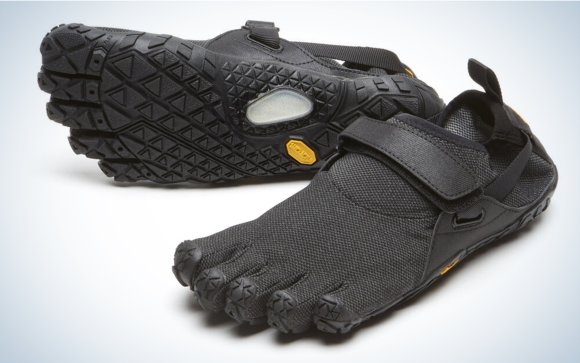
Credit: www.outdoorlife.com
Frequently Asked Questions
Is Running In Minimalist Shoes Good?
Running in minimalist shoes can strengthen feet and improve form. They offer less cushioning, requiring gradual adaptation. Consult a professional for personalized advice.
What Are The Disadvantages Of Minimalist Shoes?
Minimalist shoes offer less cushioning, increasing injury risk. They require gradual adaptation. Insufficient support may cause foot pain, especially in flat-footed individuals. Transitioning too quickly can lead to strain or discomfort. They might not be suitable for all terrains, potentially reducing performance.
What Do Podiatrists Say About Zero Drop Shoes?
Podiatrists often recommend zero drop shoes for their natural foot alignment benefits. They can enhance posture and reduce injury risk. However, individual needs vary, so consultation is advised. Zero drop shoes may not suit everyone, especially those with foot conditions or discomfort.
Always prioritize comfort and proper fit.
What Are The Downsides Of Barefoot Running?
Barefoot running can cause injuries like cuts, bruises, and stress fractures. It lacks arch support, leading to discomfort. Transitioning too quickly may result in strained calves and Achilles tendons. Rough surfaces increase risk of puncture wounds. Not suitable for individuals with foot conditions or poor running form.
Conclusion
Minimalist running shoes offer unique benefits. They improve foot strength and flexibility. Many runners enjoy their lightweight design. Others find them uncomfortable or lacking support. It’s crucial to test them first. Everyone’s feet are different. Listening to your body is key.
Some may need more cushioning. Others thrive with less. Consider your running goals. Try them on shorter runs first. Slowly transition to avoid injury. Discover what suits your style and comfort. Remember, the perfect shoe varies for each person. Make informed choices for your feet’s health.