
Are you curious about the financial perks of your fitness journey? Imagine being able to track your steps, heart rate, and calories burned while potentially saving money.
Fitness trackers have become an essential part of modern wellness routines, and you’re not alone if you’re wondering how to make them more affordable. Here’s where things get interesting: Health Savings Accounts (HSAs) might just be the secret ingredient to making your fitness tracker more budget-friendly.
But are fitness trackers HSA eligible? This is the million-dollar question that could change how you plan your health expenses. Dive in, and discover whether your passion for fitness can align with smart financial decisions. Your quest for health and savings starts here!
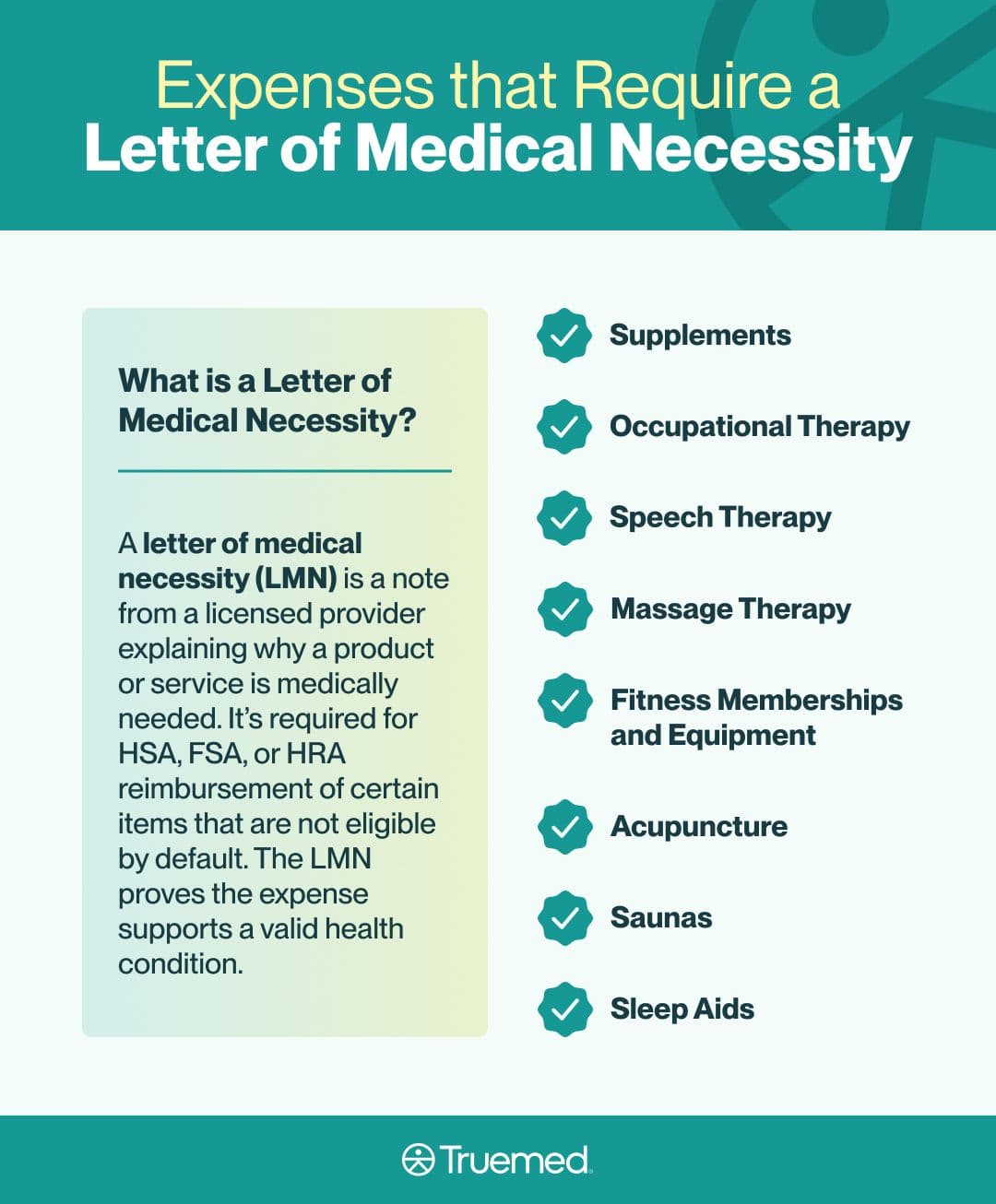
Credit: www.truemed.com
What Is Hsa?
Understanding Health Savings Accounts (HSAs) is vital for managing healthcare costs. HSAs offer a tax-advantaged way to save money for medical expenses. They are available to people with high-deductible health plans. This financial tool can be a significant asset.
Hsa Basics
HSAs are tax-favored savings accounts. They help cover qualified medical expenses. Contributions to HSAs are tax-deductible, reducing taxable income. Withdrawals for medical expenses are tax-free. Funds in an HSA roll over each year. You never lose unused money.
Benefits Of An Hsa
HSAs offer numerous advantages. They provide a triple tax advantage. Contributions, earnings, and withdrawals for medical expenses are tax-free. You can invest HSA funds, potentially growing your savings. HSAs are portable. You can take them with you if you change jobs or retire.

Credit: www.garmin.com
Fitness Trackers Defined
Fitness trackers have become essential tools for those wanting to stay active and monitor their health. They offer a convenient way to track your steps, heart rate, and even your sleep patterns. But what exactly are fitness trackers, and how do they fit into your wellness journey?
Types Of Fitness Trackers
Fitness trackers come in various forms, each catering to different needs. Basic models focus on step counting and calorie tracking, perfect for those starting their fitness journey. More advanced versions include heart rate monitoring, GPS functionality, and even stress level tracking.
Some people prefer wristbands, which are discreet and comfortable for everyday wear. Clip-on models offer a less obtrusive option if you don’t like wearing things on your wrist. Then there are smartwatches, which combine fitness tracking with smartphone capabilities, providing a comprehensive health tool right on your wrist.
Popular Brands And Models
Several brands have made a name for themselves in the fitness tracker industry. Fitbit is a household name, known for its user-friendly interface and range of models from basic to advanced. Garmin offers robust options, especially for outdoor enthusiasts and athletes.
Apple Watch is another popular choice, especially for those who want a seamless integration with other Apple products. Its health features are extensive, catering to both casual users and fitness enthusiasts. Samsung Galaxy Fit provides a solid alternative with its sleek design and comprehensive health tracking features.
Have you considered what type of fitness tracker best suits your lifestyle? Whether you need something basic or advanced, there’s likely a model out there that fits your needs perfectly.
Hsa Eligibility Criteria
Health Savings Accounts (HSAs) offer a smart way to manage your healthcare expenses while enjoying tax benefits. But when it comes to fitness trackers, are they eligible for HSA spending? Understanding the eligibility criteria is crucial before you make a purchase.
Qualified Medical Expenses
HSAs are designed to cover qualified medical expenses. These typically include costs directly related to health care, such as doctor’s visits, prescription medications, and medical equipment. Fitness trackers can fall into a grey area since they are often associated with lifestyle management rather than direct medical care.
However, if a fitness tracker is prescribed by a healthcare professional to monitor a specific health condition, it may qualify. Imagine having a doctor recommend it to track heart rate for a cardiac issue—this could potentially make it eligible.
Irs Guidelines
The IRS provides guidelines on what constitutes a qualified medical expense. According to these rules, the expense must be primarily for the prevention or alleviation of a physical or mental defect or illness.
Fitness trackers, under these circumstances, might be considered eligible if they are part of a treatment plan. Yet, the IRS guidelines can be complex, and it’s essential to consult them or a tax professional to ensure compliance.
So, how do you know if your fitness tracker qualifies? Have you ever wondered if that new smartwatch can be covered by your HSA? It’s worth investigating, especially if your doctor believes it could benefit your health.

Credit: www.instagram.com
Fitness Trackers And Hsa
Fitness trackers have become an essential part of our daily lives. They motivate you to stay active and keep track of your progress. But did you know that some fitness trackers might be eligible for purchase with your Health Savings Account (HSA)? Understanding the connection between fitness trackers and HSAs can help you make informed decisions about your health expenses.
Are They Covered?
Determining whether fitness trackers are covered by HSAs can be a bit tricky. Generally, HSA funds are intended for medical expenses. To be eligible, the purchase must have a health-related justification. Some fitness trackers offer features like heart rate monitoring or fall detection, which could potentially qualify them as eligible expenses. It’s essential to check with your HSA provider to understand their specific eligibility criteria.
Common Misconceptions
There are several misconceptions about what qualifies as a medical expense under an HSA. Many assume that all health-related gadgets are automatically covered, but that’s not always the case. It’s easy to think that since fitness trackers promote wellness, they should be covered. However, not every tracker meets the criteria set by HSA providers. Before making a purchase, review the guidelines and communicate with your provider to clarify what is eligible.
Have you ever bought a fitness tracker hoping it would be covered, only to find out it wasn’t? You’re not alone. It’s a common experience that highlights the importance of understanding your HSA’s rules. By staying informed, you can make smarter choices that align with both your health goals and financial plans.
Alternative Options
Exploring HSA eligibility for fitness trackers can be confusing. Many wonder if they can use their Health Savings Account for this purchase. If fitness trackers are not eligible, consider alternative options. These options can still help maintain your health and wellness without breaking the bank.
Other Health Devices
Some health devices qualify for HSA reimbursement. These devices include items like blood pressure monitors and thermometers. These tools help track vital health metrics at home. They offer insights into your overall health condition. Some electronic scales even qualify, especially those tracking body composition.
CPAP machines and supplies are another option. For those with sleep apnea, these devices are essential. They ensure restful sleep and better health outcomes. Hearing aids also qualify, assisting those with hearing impairments.
Reimbursable Wellness Products
Several wellness products may also be HSA eligible. Items like sunscreen and first-aid kits fall under this category. They play a key role in everyday health maintenance. Many over-the-counter medications qualify too. Pain relievers, allergy medicines, and antacids are common examples.
Consider using your HSA for eye care products. Prescription glasses and contact lenses often qualify. These products ensure clear vision and eye health. Smoking cessation programs may also be reimbursable. They support efforts to quit smoking and improve overall health.
Future Trends
Exploring HSA eligibility for fitness trackers showcases evolving healthcare trends. These devices could soon qualify for Health Savings Accounts, reflecting growing interest in wellness and preventive care. Understanding this shift helps consumers make informed decisions about fitness investments.
The future of fitness trackers is an exciting space to watch, especially when considering their eligibility for Health Savings Accounts (HSAs). As technology advances and healthcare policies evolve, the landscape of health-related expenditures is likely to change. This raises the question: will fitness trackers become an indispensable part of our health routines, covered by our HSAs?Evolving Health Tech
The rapid evolution of health technology is hard to ignore. Fitness trackers are no longer just step counters; they offer heart rate monitoring, sleep analysis, and even stress level detection. Imagine a device on your wrist that can predict potential health issues before they arise. New features and improvements are constantly being developed. Some trackers now offer ECG capabilities and blood oxygen monitoring. These advancements might position fitness trackers as essential health tools, making them more likely to be HSA eligible in the future.Potential Policy Changes
Policy changes could significantly impact the HSA eligibility of fitness trackers. As the healthcare industry recognizes the preventive benefits of these devices, lawmakers might reconsider what qualifies as a health expense. You might wonder how soon these changes could happen. While no one can predict the future, increased advocacy for preventive care and wellness could hasten policy adjustments. If fitness trackers are proven to reduce healthcare costs, their HSA eligibility might be on the horizon. Have you ever thought about how technology and policy might shape your health choices? As these trends unfold, staying informed will help you make the most of your health investments.Frequently Asked Questions
Can I Use My Hsa To Buy A Garmin Watch?
You can’t use your HSA to buy a Garmin watch. HSAs cover only medical expenses. Garmin watches are generally not considered medical devices. Always check with your HSA provider for eligible purchases.
What Fitness Equipment Can I Buy With Hsa?
You can buy fitness equipment with HSA if it’s medically necessary and prescribed by a healthcare professional. Always consult your HSA provider for eligibility. Common eligible items include therapy bands, exercise bikes, and treadmills. Ensure you have documentation to support your purchase for HSA reimbursement.
What Smart Devices Are Covered By Hsa?
HSA covers smart devices like fitness trackers and blood pressure monitors. These devices must track health-related metrics. Ensure they qualify as medical expenses under IRS guidelines. Always verify with your HSA provider for specific eligibility.
Can I Use Hsa To Buy An Apple Watch?
You cannot use HSA funds to buy an Apple Watch. The IRS considers it a luxury item, not a medical expense.
Conclusion
Fitness trackers can be HSA eligible. It often depends on their purpose. If they’re used for medical reasons, they may qualify. Always check with your HSA provider. Ensure the tracker meets necessary criteria. Understanding eligibility can save money. Investing in health is wise.
Trackers offer valuable insights into your fitness. They motivate healthy habits and routines. HSA can help reduce costs. Make informed choices about your health tools. Remember, your health is a priority. Take steps to improve it. Always consult with professionals for financial advice.
Keep an eye on changes in eligibility rules. Stay informed and proactive.