
Have you ever wondered if adding compression socks to your running gear could enhance your performance? You’re not alone.
Many runners like you are exploring the potential benefits of these seemingly simple accessories. Whether you’re an experienced marathoner or just starting your running journey, the idea of gaining an edge is undoubtedly enticing. Compression socks promise to improve circulation, reduce muscle fatigue, and speed up recovery.
But do they really deliver on these claims? Stick around to discover how these socks could transform your running experience and whether they’re worth the investment for your athletic goals.
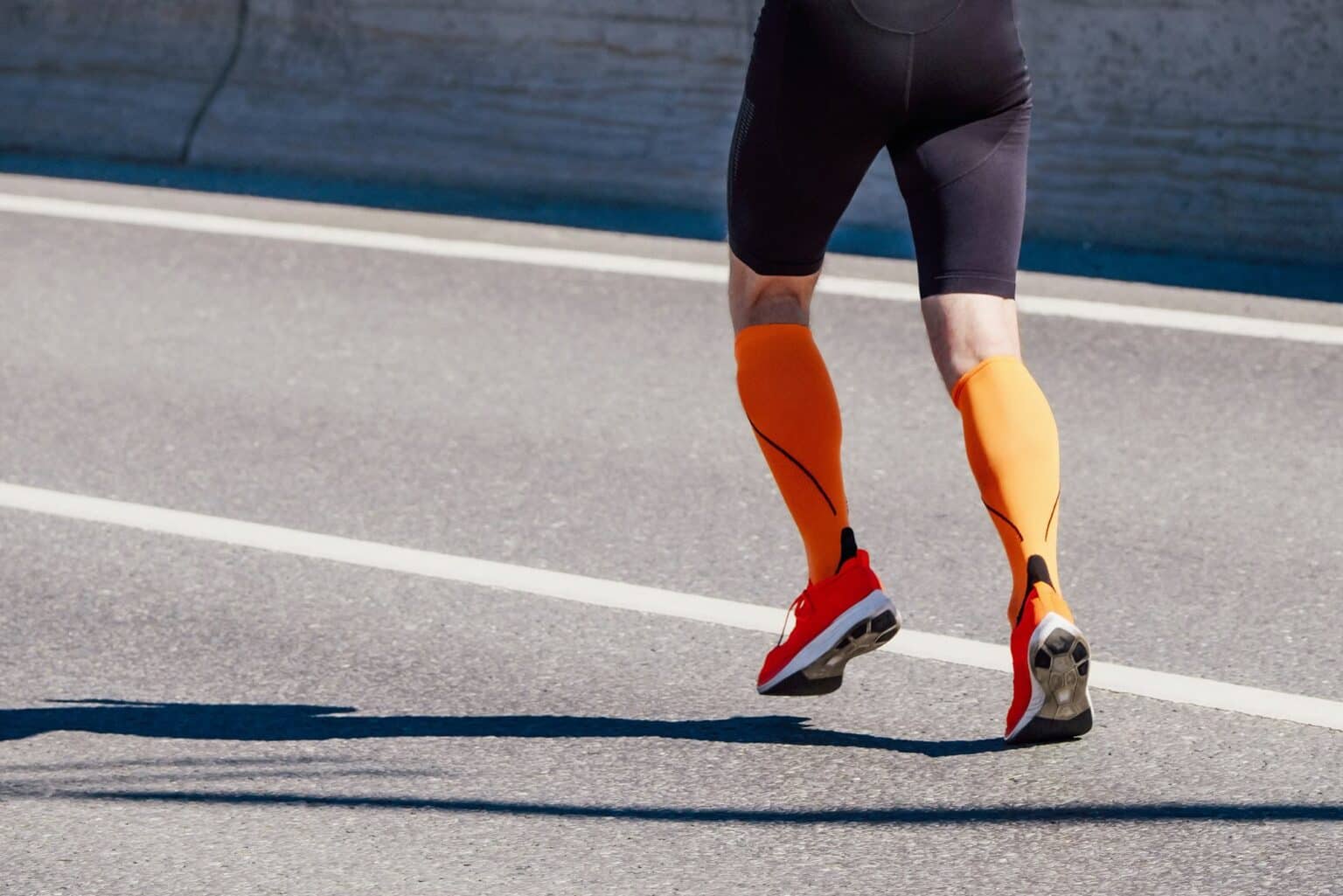
Credit: coachtherun.com
Benefits Of Compression Socks
Compression socks are popular among runners for their numerous benefits. These specialized socks offer support and comfort during runs. They are designed to improve performance and enhance recovery. Let’s explore the key benefits of using compression socks for running.
Improved Blood Circulation
Compression socks help in boosting blood flow in the legs. They apply gentle pressure on the veins. This aids the return of blood to the heart. Better circulation means more oxygen reaches muscles. This can improve endurance and energy levels during runs. Enhanced circulation may also reduce the risk of swelling.
Reduced Muscle Fatigue
Runners often experience muscle fatigue after intense workouts. Compression socks can alleviate this issue. They provide support to the calf muscles. This minimizes vibrations caused by running impact. Less muscle movement leads to reduced fatigue. As a result, runners can maintain their pace for longer periods.
Enhanced Recovery
Recovery time is crucial for any athlete. Compression socks aid in faster recovery post-run. They help in reducing soreness and stiffness. The improved blood flow speeds up the removal of waste products like lactic acid. Runners can return to their training routine quicker. This makes compression socks a valuable tool for regular runners.
How Compression Socks Work
Have you ever wondered how compression socks can boost your running performance? These snug-fitting socks aren’t just for show. They work by applying gentle pressure to your legs, which can enhance your blood flow and reduce fatigue. Curious about how they achieve this? Let’s dive into the fascinating mechanics behind compression socks.
Graduated Compression Explained
Graduated compression is the secret sauce of these socks. The magic lies in how the pressure is distributed. It’s tighter at the ankle and gradually loosens as it moves up the leg.
This design encourages blood to flow back to your heart efficiently. When I first tried them, I noticed less swelling after a long run. Have you ever felt that heavy leg sensation after a workout?
Impact On Blood Flow
Compression socks are like a gentle hug for your legs, promoting better circulation. By applying pressure, they help push blood through the veins, improving oxygen delivery to your muscles.
This can mean less muscle soreness and quicker recovery times. Imagine finishing a run feeling less exhausted and ready to hit the trails again sooner. Have you experienced quicker recovery with compression socks?
These insights might make you rethink your running gear. Could compression socks be the secret weapon you’ve been missing?
Choosing The Right Compression Socks
Compression socks can help runners by improving blood flow and reducing muscle soreness. Choosing the right pair ensures better comfort and performance during runs. Consider factors like fit, material, and compression level for the best results.
Choosing the right compression socks can make a significant difference in your running experience. With the myriad of options available, understanding what suits your needs is essential. Whether you’re running a marathon or enjoying a leisurely jog, the correct pair of compression socks will enhance your performance and recovery. So, what should you look for?Material And Fit
The material of your compression socks should offer breathability and moisture-wicking properties. Look for materials like nylon or polyester blends that keep your feet dry and comfortable. Avoid anything that feels too tight or loose; they should fit snugly without causing discomfort. Consider trying different brands or asking for recommendations from fellow runners. A personal anecdote: I once chose socks simply because they looked stylish, only to end up with blisters after a long run. Lesson learned—comfort over aesthetics always wins!Compression Levels
Compression levels are crucial in determining how much support your socks will offer. Typically, compression socks range from light to firm pressure. Beginners might prefer lighter compression, while seasoned runners could benefit from firmer support. Take note of your running conditions and personal preferences. If you’re tackling trail runs or intense training sessions, firmer compression might be more beneficial. But for casual runs, lighter options are often sufficient. Have you ever wondered why some people swear by compression socks, while others don’t notice a difference? It often boils down to choosing the right compression level tailored to their specific needs.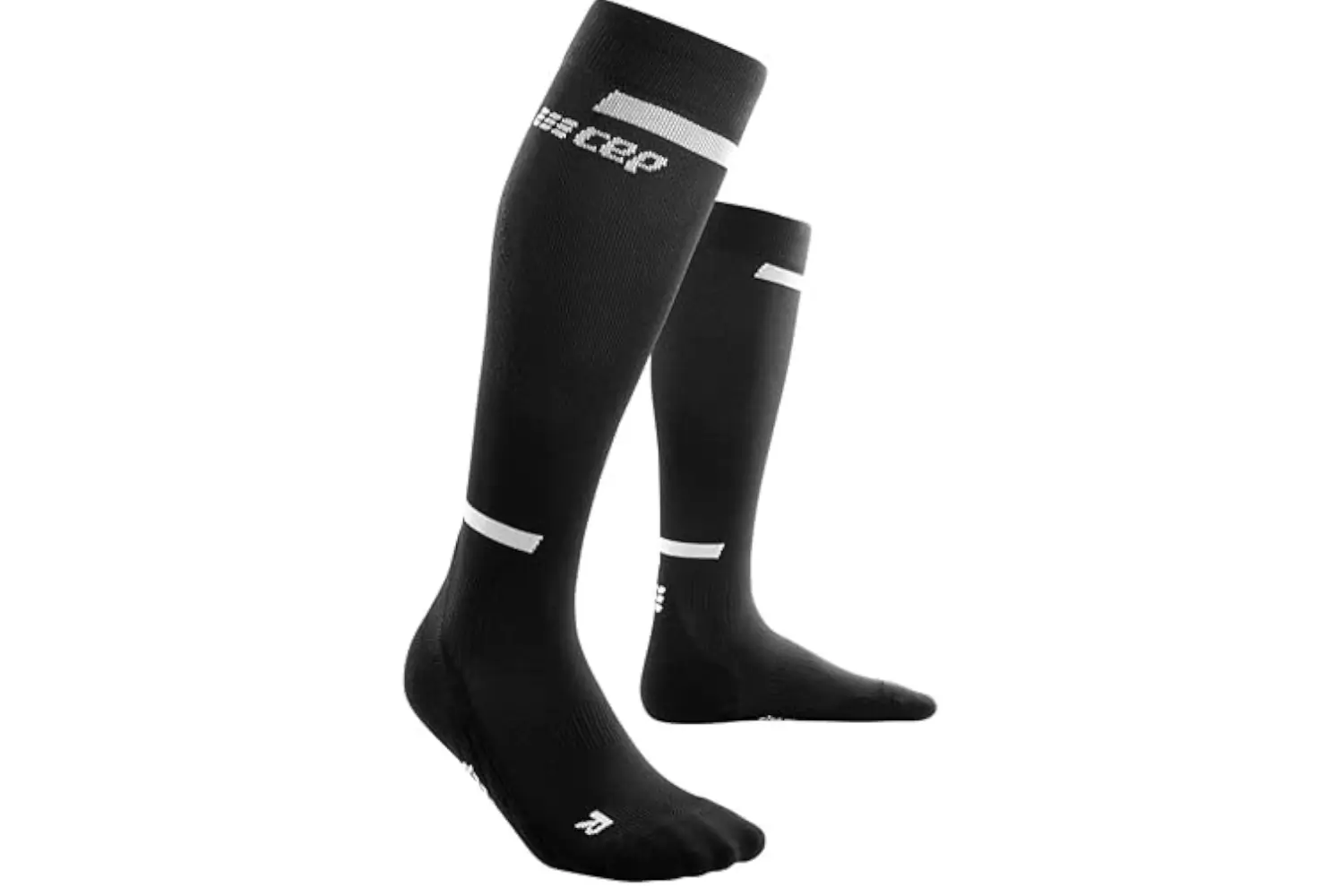
Credit: gearjunkie.com
Potential Downsides
While compression socks can be beneficial for many runners, it’s crucial to be aware of potential downsides. Understanding these drawbacks can help you make an informed decision about whether they are right for you. Let’s explore some common concerns.
Possible Discomfort
Compression socks can sometimes be a tight squeeze. They are designed to fit snugly, which might not feel comfortable for everyone. If you’re not used to them, they might feel restrictive and distracting during your run.
Have you ever worn shoes that were just a bit too tight? The sensation can be similar with compression socks. It’s essential to find the right fit to avoid unnecessary discomfort.
Skin Irritation Concerns
Some runners experience skin irritation from compression socks. This can be due to materials that don’t agree with their skin or from prolonged use. If you have sensitive skin, this could be a concern.
Pay attention to how your skin reacts after wearing them. A minor irritation might seem trivial, but it can become a significant issue over time. Consider alternating with regular socks to give your skin a break.
Ultimately, the key is to listen to your body. Are the benefits of compression socks outweighing these potential downsides for you? Each runner’s experience is unique, so it’s about finding what works best for your routine.
Scientific Research Insights
Scientific research offers valuable insights into the benefits of compression socks for runners. These studies explore their impact on performance and recovery. Understanding these findings helps runners make informed choices.
Studies On Performance Enhancement
Research shows mixed results on compression socks enhancing running performance. Some studies suggest improved blood flow and reduced muscle vibration. Enhanced circulation may lead to better oxygen delivery to muscles. This could help runners maintain speed and endurance.
Not all studies find significant performance gains. Some researchers note no noticeable difference in speed or time. Personal experiences may vary. Individual differences play a role in effectiveness. More research is needed to understand performance benefits fully.
Research On Recovery Benefits
Compression socks may aid in post-run recovery. Many studies focus on reduced muscle soreness. Athletes report feeling less tired after wearing them. Improved circulation helps remove lactic acid more efficiently. This may speed up recovery times.
Research also shows decreased swelling and inflammation. Runners might experience fewer injuries and faster healing. Consistent use could lead to long-term recovery improvements. While not a miracle solution, they offer potential support. Consider them as part of a broader recovery strategy.
Practical Tips For Runners
Running with compression socks offers many benefits. They improve blood flow, reduce swelling, and enhance recovery. But how can runners use them effectively? Here are some practical tips to help you make the most of compression socks during your runs.
When To Wear Compression Socks
Wear compression socks during long runs or intense workouts. They support your calves and lower legs. Use them when running on uneven terrains to prevent muscle fatigue. Wear them post-run to aid recovery and reduce soreness. They are also useful during travel to races, keeping your legs fresh.
Caring For Your Compression Socks
Proper care extends the life of your compression socks. Wash them in cold water to maintain elasticity. Avoid using bleach or fabric softeners. Lay them flat to dry, away from direct sunlight. Store them rolled up to avoid stretching. Follow the care instructions for best results.
Personal Experiences From Runners
Compression socks have become a popular choice among runners. Many athletes swear by their benefits, including improved circulation and reduced muscle fatigue. Despite varying opinions, personal experiences from runners offer valuable insights into their effectiveness.
Success Stories
Some runners have shared amazing results with compression socks. They feel less tired after long runs. This is a common sentiment among many athletes. One runner mentioned a noticeable decrease in calf soreness. This allowed them to train more consistently and recover faster. Another runner praised the socks for providing extra support during marathons. This helped them maintain a steady pace without discomfort.
Challenges Faced
Not all experiences with compression socks are positive. Some runners find them too tight and uncomfortable. This can lead to distractions during a run. Others have reported issues with skin irritation. They feel the socks are not breathable enough for long distances. A few athletes struggle to find the right fit. This can make the socks less effective and can lead to frustration.

Credit: danishendurance.com
Frequently Asked Questions
Are You Supposed To Wear Compression Socks While Running?
Wearing compression socks while running can enhance blood circulation and reduce muscle fatigue. Many runners find them beneficial for recovery and performance. It’s essential to ensure a proper fit for maximum benefits. Always consult a professional if unsure about using compression socks for running.
When Should You Not Wear Compression Socks?
Avoid wearing compression socks if you have peripheral artery disease or open wounds. Consult a doctor for advice.
How Long Should I Wear Compression Socks After A Run?
Wear compression socks for 1 to 2 hours after running. They aid in recovery and reduce muscle soreness. Adjust duration based on personal comfort and needs. Consult a healthcare professional for personalized advice.
What Are Compression Socks?
Compression socks are specialized hosiery designed to improve blood flow. They apply pressure to the legs, aiding circulation. This can help reduce swelling and discomfort during physical activities like running.
Conclusion
Compression socks can be a great choice for runners. They offer support and improve circulation. This can help reduce muscle fatigue. Many runners find them comfortable and beneficial. They can aid recovery and prevent injury. Choose the right fit for your needs.
Try them during your next run. See if they enhance your performance. Listen to your body and adjust as needed. Compression socks might be the boost your running routine needs. Always prioritize comfort and well-being. Happy running!