
Are you ready to elevate your cooking game with a perfectly seasoned cast iron skillet? Knowing the right temperature to set your oven for seasoning can be the key to unlocking the full potential of your cookware.
Imagine cooking meals that don’t stick, offering flavors that are rich and evenly distributed. This guide will walk you through the precise temperature setting that ensures your cast iron becomes your kitchen’s best ally. You’ll discover why a well-seasoned skillet can transform your cooking experience, making it easier and more enjoyable.
Stick with us, and you’ll soon be the proud owner of a cast iron skillet that works wonders for every dish you create.
Importance Of Seasoning Cast Iron
Set your oven to 350-400°F to season cast iron. This temperature range allows the oil to bond effectively, creating a non-stick surface. Proper seasoning also prevents rust, enhancing the skillet’s durability and performance.
Seasoning your cast iron cookware is a crucial step in maintaining its quality and ensuring it stands the test of time. This process involves applying a thin layer of oil to the cookware’s surface and heating it to a specific temperature. This creates a protective, non-stick layer that enhances your cooking experience and prevents rust. But why exactly is this step so important?Preserving Your Cookware
Seasoning is akin to giving your cast iron a shield. When you heat the oil, it bonds to the metal, creating a slick surface. This not only makes cooking and cleaning easier but also protects the pan from rust and wear. Without proper seasoning, your cookware could deteriorate quickly.Enhancing Food Flavor
A well-seasoned cast iron pan can transform your dishes. As you cook, the seasoning improves, adding layers of flavor to each meal. Imagine the delight of a perfectly seared steak or crispy fried eggs, all thanks to that well-maintained surface.Ensuring Non-stick Performance
Struggling with food sticking to your pan? Proper seasoning might be the solution. A seasoned cast iron skillet offers a natural non-stick surface. This means you can use less oil for cooking, resulting in healthier meals.Longevity And Durability
A seasoned cast iron skillet can last generations. It’s not just a kitchen tool; it’s an heirloom. With proper care, including regular seasoning, your pan can be passed down, creating memories and meals for years to come.Cost-effectiveness
Investing in a good cast iron pan and maintaining it is cost-effective. It reduces the need for non-stick sprays and costly replacements. Plus, it enhances the quality of your meals, saving you from dining out. So, what temperature should you set your oven to for this magical transformation? The sweet spot is typically around 375°F to 400°F. Heating your pan at this temperature allows the oil to bond effectively, ensuring a perfect seasoning coat. Have you been seasoning your cast iron correctly, or is it time for a refresher? Your cookware will thank you.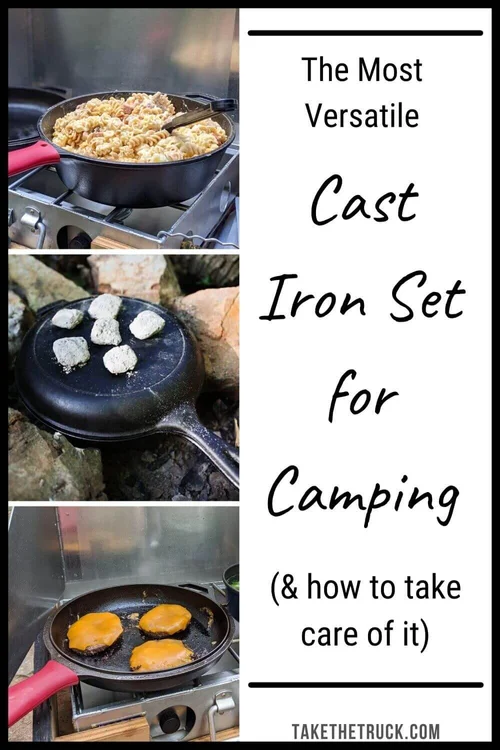
Credit: www.takethetruck.com
Ideal Temperature For Seasoning
The ideal temperature for seasoning your cast iron can make all the difference in achieving that perfect non-stick surface. Seasoning a cast iron skillet involves applying a thin layer of oil and baking it to bond with the metal. This creates a protective layer that not only prevents rust but also enhances its cooking capabilities. But what temperature should your oven be set to for optimal results?
Understanding The Temperature Range
Many experts suggest that the sweet spot for seasoning cast iron is between 350°F and 450°F. This range is hot enough to polymerize the oil, bonding it to the metal, but not so hot that it smokes excessively. If you’ve ever had an oven filled with smoke, you’ll appreciate sticking to this range.
Why 400°f Is Often Recommended
Setting your oven at 400°F is a popular choice because it balances heat and safety. At this temperature, the oil reaches its smoke point efficiently, creating a durable layer without overwhelming your kitchen with smoke. Plus, it’s a temperature many ovens can maintain steadily, ensuring even seasoning.
Adjusting For Different Oils
The type of oil you use affects the temperature setting. Flaxseed oil, for example, has a lower smoke point and is often favored for its polymerization properties. Conversely, you might use vegetable oil if you prefer a more accessible option, adjusting the oven temperature slightly to match the oil’s smoke point.
Personal Experience With Temperature Settings
I’ve tried seasoning cast iron at both higher and lower temperatures. Once, I set my oven to 500°F, thinking hotter would be better. Big mistake! The kitchen filled with smoke, and the seasoning turned brittle. Sticking to around 400°F has consistently provided the best results with minimal fuss.
Temperature Consistency Matters
It’s not just about setting the right temperature but ensuring your oven maintains it. Older ovens may have hot spots or struggle to hold a steady temperature. Using an oven thermometer can help you verify if your oven is truly at the temperature you set, leading to more successful seasoning.
So, what temperature have you found works best for your cast iron? Feel free to experiment within the 350°F to 450°F range and see what results you get. The perfect seasoning might just be a temperature tweak away!
Benefits Of Proper Temperature
Setting the oven to the right temperature ensures cast iron seasoning is effective. A temperature of 350-400°F helps create a durable, non-stick surface. Proper heat allows oils to bond tightly, enhancing the pan’s longevity and performance.
Setting the right temperature when seasoning your cast iron is crucial. It ensures your cookware develops a non-stick surface and lasts longer. Proper temperature helps the oil polymerize, creating a durable coating that withstands everyday cooking challenges. But what happens when you get it just right?Enhanced Non-stick Properties
A well-seasoned cast iron pan is your best friend in the kitchen. At the correct temperature, the oil bonds with the surface, reducing the chance of sticking. Imagine flipping pancakes with ease or sliding a perfectly cooked omelet onto your plate.Extended Longevity
Getting the temperature right prolongs the life of your cast iron. The seasoned layer acts as a protective shield against rust and damage. This means less maintenance and more time cooking your favorite meals. Wouldn’t you want your cookware to stand the test of time?Improved Flavor
The seasoned surface enhances the flavors of your dishes. Over time, it absorbs the essence of spices and ingredients, adding depth to each meal. It’s like having a secret ingredient that only your cast iron can offer.Reduced Effort In Cleaning
Cleaning becomes a breeze when your cast iron is properly seasoned. Food residue is less likely to cling, making post-meal cleanup quick and painless. Who wouldn’t appreciate more time enjoying their meal and less time scrubbing pans?Optimal Heat Distribution
Proper seasoning at the right temperature ensures even heat distribution. This means fewer hot spots and more consistent cooking results. Whether you’re searing a steak or simmering a sauce, your cast iron delivers perfection every time. Have you ever considered how a small adjustment in temperature could transform your cooking experience? Embrace the benefits of proper seasoning and make your cast iron a kitchen staple.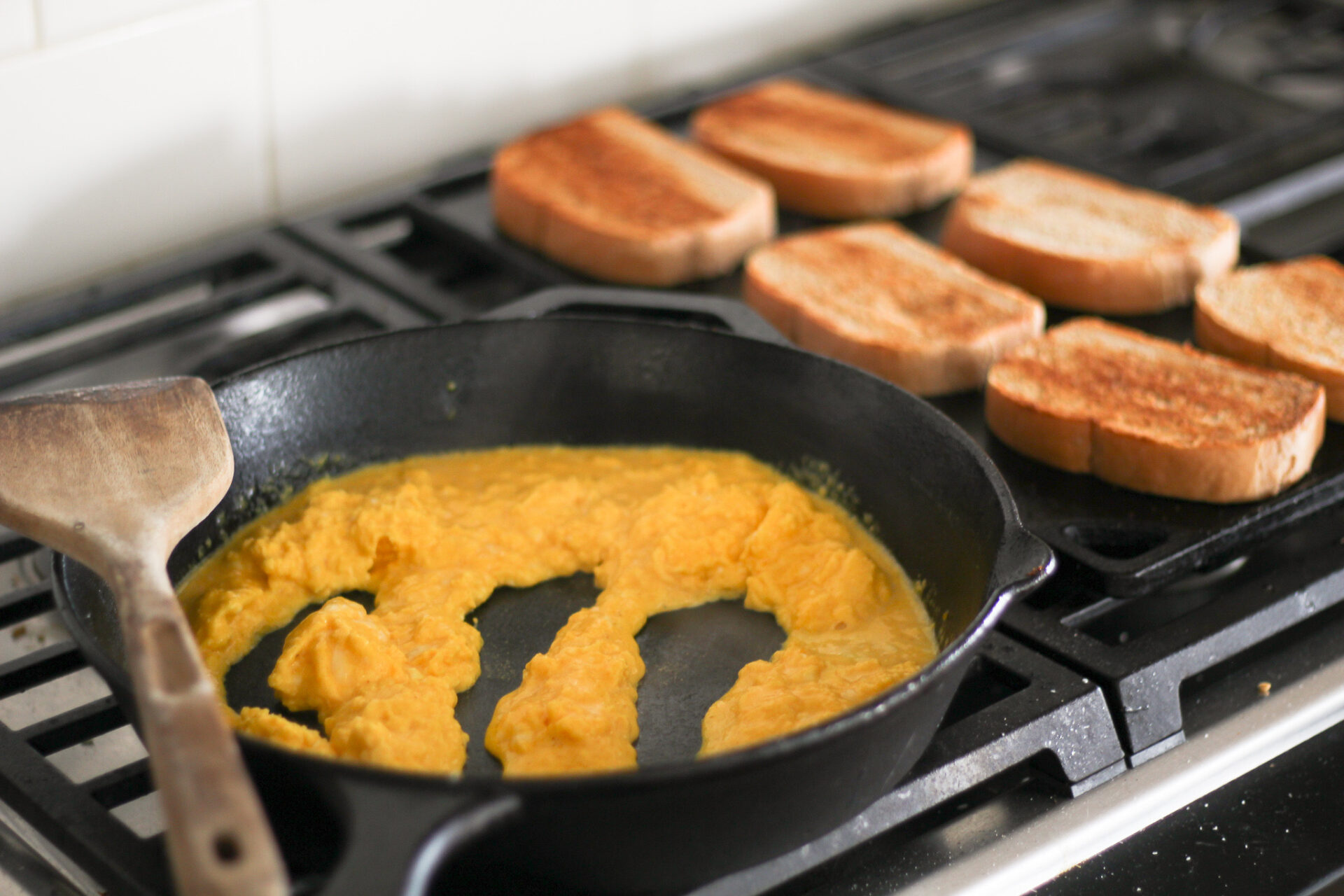
Credit: hopewellheightsblog.com
Common Mistakes To Avoid
Choosing the right oven temperature is key to seasoning cast iron effectively. Avoid setting the oven too high, as it can cause the oil to smoke and become sticky. Keep the temperature around 350-400°F for optimal results.
Setting the right temperature is crucial when seasoning cast iron, but many people make common mistakes that can affect the outcome. Understanding these pitfalls can save you time and effort, ensuring your cast iron pan develops that sought-after non-stick surface. Let’s explore some of these missteps so you can avoid them and achieve perfect seasoning every time.Using Too High A Temperature
Cranking up the oven to speed up the process might seem tempting, but it can backfire. High temperatures can cause the oil to polymerize improperly, resulting in a sticky surface. Stick to a moderate temperature, around 350°F to 400°F, for optimal results.Skipping The Cleaning Step
It’s easy to overlook cleaning before seasoning, especially if the pan looks clean. Any residual food or rust can ruin the seasoning layer. Make sure to scrub thoroughly and dry completely to start with a pristine surface.Applying Too Much Oil
More oil doesn’t mean better seasoning; in fact, it can lead to a gummy surface. A thin, even layer is all you need. Use a cloth or paper towel to apply and wipe off any excess for a smooth finish.Not Allowing Enough Time
Patience is key when seasoning cast iron. Rushing the process by cutting down on time can prevent the oil from bonding properly. Allow at least an hour for the oil to bake into the surface, ensuring a durable layer.Using The Wrong Type Of Oil
Not all oils are created equal for seasoning. Oils with a low smoke point can leave your pan sticky. Opt for oils like flaxseed or canola, which have high smoke points and are ideal for this purpose. Avoiding these common mistakes can significantly improve your cast iron seasoning process. Have you encountered any other pitfalls while seasoning your cast iron? Share your experiences and tips in the comments below!Expert Tips For Perfect Seasoning
Seasoning cast iron keeps it non-stick and rust-free. Setting the right oven temperature is crucial. Learn expert tips for perfect seasoning below. These guidelines ensure your cast iron shines.
Choose The Right Oil
Choose a high-smoke-point oil like flaxseed or vegetable oil. These oils bond well with the iron. They create a strong, protective layer.
Preheat The Oven
Preheat your oven to 375°F (190°C). This temperature allows even oil distribution. It also ensures proper bonding with the iron.
Apply Oil Evenly
Apply a thin oil layer over the entire pan. Use a cloth or paper towel. Excess oil can lead to sticky spots.
Place The Pan Upside Down
Place the cast iron upside down in the oven. This position prevents pooling. Use a baking sheet below to catch drips.
Let It Bake
Bake the cast iron for 60 minutes. This time allows the oil to polymerize. It forms a durable, protective coating.
Cool Slowly
Turn off the oven and let the pan cool inside. Slow cooling enhances bonding. It also helps maintain the coating’s integrity.
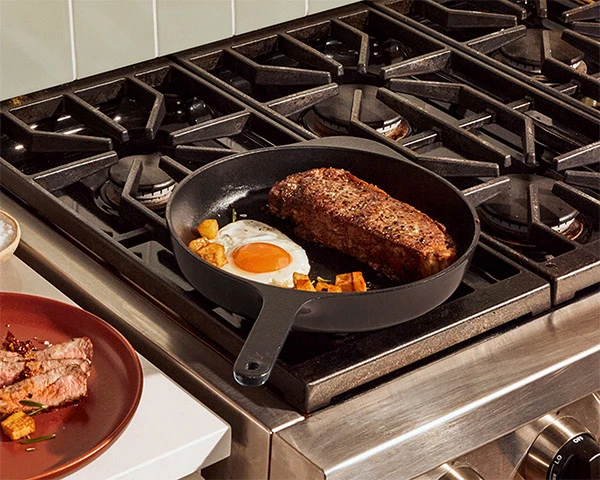
Credit: www.carawayhome.com
Maintenance After Seasoning
Set the oven to 375°F for seasoning cast iron. Ensure the oven is preheated before placing the cookware inside. Maintain this temperature for an hour to allow the oil to bond properly with the cast iron surface.
Maintaining your cast iron skillet after seasoning is crucial to ensure its longevity and performance in the kitchen. Seasoning creates a protective layer that enhances the skillet’s non-stick properties and prevents rusting. However, without proper maintenance, this layer can degrade over time. Let’s explore how you can keep your cast iron in pristine condition with a few simple steps.Regular Cleaning
Avoid using soap when cleaning your seasoned cast iron. Instead, use hot water and a stiff brush or sponge to remove food particles. If stubborn residue persists, add some coarse salt and scrub gently. Dry it immediately to prevent rust.Re-seasoning Tips
Occasionally, your cast iron may require re-seasoning. Apply a thin layer of vegetable oil to the interior and exterior. Then, place it in your oven at 350°F for an hour. This will help maintain its slick surface and protect it from moisture.Storage Solutions
Always store your cast iron in a dry place. If stacking with other cookware, use a paper towel to separate them. This prevents scratches and maintains the integrity of the seasoning.Handle With Care
Be mindful of sudden temperature changes, which can cause cast iron to crack. Avoid placing a cold skillet on a hot stove or pouring cold water into a hot pan. This simple practice will prolong its lifespan. Maintaining your cast iron doesn’t require a lot of effort, but consistency is key. Have you tried any of these tips before? How do you keep your cast iron in top shape?Frequently Asked Questions
Should I Season Cast Iron At 350 Or 450?
Season cast iron at 450°F for optimal results. Higher temperature ensures better polymerization of oil, creating a durable non-stick surface. Use thin layers of oil and bake for one hour. Proper seasoning enhances performance, longevity, and cooking experience. Adjust temperature based on your cast iron’s condition and manufacturer’s instructions.
What Temperature Should I Season My Cast Iron At?
Season your cast iron at 450°F (232°C) for optimal results. This temperature ensures a perfect, durable seasoning layer. Make sure to apply a thin layer of oil and bake the pan upside down. Cool it completely before storing. Enjoy improved non-stick performance and longevity of your cast iron cookware.
Can You Put Cast Iron In The Oven At 450?
Yes, you can put cast iron in the oven at 450°F. Ensure it’s seasoned properly to prevent sticking. Cast iron is durable and retains heat well, making it perfect for high-temperature baking. Always use oven mitts to handle the hot cookware safely.
Is 500 Degrees Too Hot To Season Cast Iron?
No, 500 degrees is ideal for seasoning cast iron. It allows oil to polymerize effectively, creating a smooth, non-stick surface. Ensure the pan is clean and dry before applying a thin layer of oil. Bake it upside down for an hour, then cool completely.
This method enhances durability and performance.
Conclusion
Setting the right oven temperature is key for seasoning cast iron. Aim for 350°F to 400°F. This range helps oil bond properly. Proper seasoning protects your pan from rust. It also enhances food flavor. Follow this temperature guide for best results.
Remember to clean your cast iron before seasoning. Use a light coat of oil for even coverage. Patience is important. Allow your pan to cool before storing it. Consistent care ensures your cast iron lasts for generations. Enjoy cooking with your perfectly seasoned cast iron!