

Imagine the excitement of unboxing a fresh pair of running shoes. You can almost feel the pavement beneath your feet, ready to conquer new distances.
But wait! Before hitting the track, there’s one crucial step you can’t overlook: breaking in your new shoes. Skipping this can lead to discomfort, blisters, and even injuries that could sideline your running goals. How do you ensure a smooth transition from the store shelf to your daily run?
By following a few simple, proven steps, you can make your new shoes feel like an extension of your feet. Stick around to discover the secrets to a pain-free break-in process that will keep you on your toes and eager for your next run.

Credit: www.tiktok.com
Choosing The Right Running Shoes
Ease into new running shoes to prevent blisters. Gradually increase wear time to help them mold to your feet. Opt for short runs initially to ensure comfort and proper fit.
Choosing the right running shoes is not just about picking a pair that looks good. It’s about finding the perfect partner for your feet that can enhance your performance and prevent injuries. The right shoes can make a world of difference in your running experience, providing support, comfort, and protection.Understanding Your Foot Type
Your foot type plays a crucial role in selecting the right shoes. Do you have flat feet, high arches, or a neutral arch? Each foot type requires specific support to ensure comfort and avoid pain. A simple wet test can help you determine your arch type. Step on a piece of paper with wet feet and examine the footprint. This insight will guide you in choosing shoes with the right level of arch support.Considering Terrain And Distance
Think about where you’ll be running. Are you hitting the trails, the treadmill, or pounding the pavement? Different terrains require different shoe features. For trail running, you need shoes with good traction and durability. If you’re running long distances, look for shoes with extra cushioning to absorb impact and reduce fatigue. Consider the distance and terrain to ensure your shoes meet the demands of your running routine.Importance Of Proper Fit
A well-fitting shoe is essential for comfort and performance. Shoes that are too tight can cause blisters, while loose shoes can lead to instability. When trying on shoes, wear your running socks and make sure there’s about a thumb’s width of space in the toe box. Your heel should fit snugly without slipping. Remember, your feet may swell during a run, so ensure the fit accommodates that change. Ever bought shoes that felt perfect in the store but hurt during a run? That’s often due to ignoring these fit principles. Pay attention to how the shoes feel in motion, not just when standing still.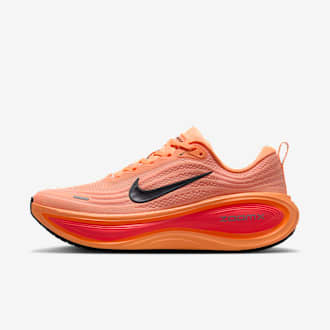
Credit: www.nike.com
Gradual Adjustment Techniques
Breaking in new running shoes requires patience and a thoughtful approach. Gradual adjustment techniques help ensure comfort and prevent injuries. Let’s explore how to ease into using new running shoes effectively.
Starting With Short Walks
Begin by wearing your new shoes for short walks. This lets your feet adapt to the shoe’s fit and feel. Start with walks around the house or block. Gradually increase the distance as your feet adjust. This slow introduction minimizes the risk of blisters and discomfort. It’s a gentle way to break in new shoes.
Increasing Running Duration
Once comfortable with walking, start incorporating short runs. Begin with brief jogs, around ten to fifteen minutes. Monitor how your feet respond to these short runs. Gradually increase duration as your feet get used to the shoes. Keep a pace that feels natural. This helps your shoes mold to your running style.
Listening To Your Feet
Pay attention to any signs of discomfort or pain. Your feet can tell you if adjustments are necessary. If you feel pressure points or blisters forming, take a break. Ensure the shoes are properly laced and fitted. Listening to your feet ensures a comfortable transition into new running shoes.
Utilizing Socks And Insoles
Utilizing socks and insoles can ease the process of breaking in new running shoes. Thick socks provide extra cushioning, reducing friction. Insoles offer additional support, helping to distribute pressure evenly across your feet.
Breaking in new running shoes can be an exciting journey, but without the right approach, it might lead to discomfort or even injury. One often overlooked aspect of this process is the role of socks and insoles. The right combination can significantly enhance your comfort and performance, turning your new shoes into a perfect fit.Selecting The Right Socks
Choosing the right socks is crucial. They act as a barrier between your feet and shoes, providing cushioning and preventing blisters. Look for moisture-wicking materials to keep your feet dry. Cotton might feel soft, but it retains moisture, leading to potential discomfort on longer runs. Consider the thickness of the socks as well. Thicker socks can provide extra padding, but ensure they don’t make your shoes feel too snug. It’s all about finding the balance that suits your foot shape and the shoe fit.Exploring Insole Options
Insoles can be a game-changer in achieving the perfect fit. If your new running shoes feel too rigid, a cushioned insole might offer the needed softness. On the other hand, if you require more support, opt for insoles designed for stability. There are insoles available for specific needs such as arch support or heel cushioning. Test different types to see what best complements your shoe and foot structure. Remember, the right insole can transform your running experience, making each stride more comfortable. Have you ever thought about how much a simple sock or insole can alter your running experience? It’s the small tweaks that can lead to big changes in comfort and performance.Maintaining Shoe Condition
Ease into wearing new running shoes gradually to prevent discomfort. Wear them for short periods initially. Increase time as your feet adjust.
Maintaining Shoe Condition Ensuring your running shoes stay in top condition can extend their lifespan and enhance your running experience. If you’ve ever had to cut a run short due to discomfort from worn-out shoes, you’ll know the importance of good maintenance. Let’s explore some practical ways to keep your shoes in great shape, so they continue to support your every stride.Proper Cleaning Methods
Regular cleaning is vital to maintaining your shoes. After a muddy trail run, remove excess dirt using a soft brush or cloth. If your shoes are particularly dirty, hand wash them with mild soap and water, avoiding the washing machine which can damage the structure. Always air dry your shoes naturally. Stuffing them with newspaper can help absorb moisture and maintain their shape. Avoid direct sunlight and heat sources like radiators, as they can warp or weaken materials.Storage Tips
Proper storage can prevent your running shoes from deteriorating prematurely. Keep them in a cool, dry place away from direct sunlight. Storing them in a shoe bag or box can protect them from dust and accidental damage. If you rotate multiple pairs of running shoes, consider a storage rack to keep them organized and aired out. This not only makes it easier to grab the right pair but also helps them maintain their form and function. Do you have a favorite pair of running shoes that have seen better days? Reflecting on how you cared for them might reveal small changes you can make to extend the life of your next pair.Common Mistakes To Avoid
Choosing the wrong size can lead to discomfort. Wearing new shoes for long runs immediately may cause blisters. Ignoring proper sock selection might result in irritation.
Embarking on a journey with new running shoes is often an exciting experience, but overlooking key steps can turn it into a painful ordeal. Many runners, eager to hit the road, make avoidable mistakes when breaking in their new shoes. These missteps can lead to discomfort, injury, and even a dislike for what could have been the perfect pair of shoes. Understanding and avoiding common mistakes will help you enjoy a smooth transition to your new footwear.Skipping The Break-in Period
Rushing straight into your regular running routine without allowing for a break-in period is a common mistake. New shoes need time to mold to your feet. Wearing them for short walks around the house or errands can help them adapt. Have you ever worn new shoes on a long run only to end up with blisters? It’s tempting to assume that new technology in shoe design eliminates the need for a break-in, but even the most advanced running shoes benefit from this step.Ignoring Discomfort
It’s crucial not to dismiss any discomfort you feel during the initial wear. A common misbelief is that all new shoes hurt at first, and this pain will eventually go away. Persistent pain is a red flag that the shoe may not be the right fit. Listen to your body; if a shoe feels wrong, it probably is. Consider trying different lacing techniques or adjusting the insoles to improve comfort. If discomfort persists, it might be wise to consult with a professional at a running store. Your feet will thank you for paying attention to these signals.Seeking Professional Advice
Breaking in new running shoes can be a tricky process. Each runner’s foot is unique, requiring careful consideration to avoid discomfort or injury. Seeking professional advice can make this process smoother and more effective. Experts can provide insights tailored to your specific needs, ensuring your new shoes fit perfectly and enhance your performance.
Consulting A Podiatrist
A podiatrist is a foot specialist who understands the complexities of foot mechanics. They can assess your foot structure and gait, providing personalized recommendations. This helps in choosing the right type of running shoe. Consider scheduling an appointment before purchasing your new pair. Their insights can prevent common issues like blisters or joint pain.
Podiatrists may suggest orthotic inserts, improving comfort and support. They also offer advice on foot care, which is crucial when breaking in new shoes. Regular check-ups can help monitor your foot health, ensuring your running journey is pain-free.
Visiting Specialty Running Stores
Specialty running stores are staffed with trained professionals. They offer valuable advice on shoe selection based on your running style. These stores often provide gait analysis, which evaluates your running pattern. This analysis helps in finding shoes that match your unique stride.
Staff can recommend shoes that cater to your specific needs, whether you need stability or cushioning. Trying on various pairs in-store allows you to test comfort and fit. Specialty stores often have a wider range of brands and styles, increasing your chances of finding the perfect pair.
Engaging with knowledgeable staff can ease the shoe-breaking process. Their expertise ensures you leave with shoes that support your running goals.
Credit: www.stylerunner.com
Frequently Asked Questions
How Do You Break In Running Shoes Fast?
Wear them for short walks first. Gradually increase distance and intensity. Use thick socks to stretch them. Bend and flex the shoes manually. Avoid using heat to soften them.
How Long Do New Running Shoes Take To Break In?
New running shoes typically take 2-3 weeks to break in. Wear them for short runs initially. Gradually increase your running distance to allow the shoes to mold to your feet comfortably. Always ensure a proper fit to avoid discomfort and maximize performance.
Is It Normal For Feet To Hurt With New Running Shoes?
Yes, it’s common for feet to hurt with new running shoes. They may need time to break in. Ensure proper fit and support to minimize discomfort. Gradually increase running distance to allow your feet to adjust. Use cushioned socks and check for any tight spots in the shoes.
How To Soften The Back Of New Running Shoes?
Break in new running shoes by wearing them around your home. Use a shoe stretcher or apply leather conditioner. Apply heat with a hairdryer to soften rigid areas. Gently flex the shoe back and forth to loosen stiffness. Always ensure shoes fit properly to avoid discomfort.
Conclusion
Breaking in new running shoes takes patience and care. Start with short walks. Gradually increase the distance to avoid discomfort. Always listen to your feet for any signs of trouble. Rotate your shoes to give them time to adjust. This helps in preventing blisters and pain.
Remember, comfort improves performance. Investing time in this process pays off. Happy running in your perfectly broken-in shoes!