
Are you looking to give your favorite baked goods a nutritional boost without sacrificing taste? Adding protein powder to your baking might just be the game-changer you need.
Imagine biting into a delicious muffin or cookie that not only satisfies your sweet tooth but also contributes to your daily protein intake. It sounds perfect, right? But you might be wondering, how exactly do you incorporate protein powder into your recipes without altering their texture or flavor?
Don’t worry; you’re not alone in this quest. This guide will walk you through the simple yet effective steps to seamlessly blend protein powder into your baked creations. You’ll discover tips, tricks, and a few secrets that will turn your kitchen into a hub of healthy and delicious treats. Ready to transform your baking? Let’s dive in!
Benefits Of Protein Powder In Baking
Enhancing baked goods with protein powder boosts nutritional value and adds a subtle flavor. It blends easily into recipes like muffins, pancakes, and cookies, offering a healthier twist without altering texture.
Adding protein powder to your baked goods not only enhances their nutritional value but also brings a multitude of benefits. Imagine biting into a delicious muffin that not only satisfies your sweet tooth but also supports your fitness goals. By integrating protein powder into your baking routine, you’re not just creating treats; you’re crafting snacks that fuel your body with essential nutrients. Let’s explore the key benefits of using protein powder in your baking endeavors.Boosts Nutritional Content
Protein powder instantly increases the nutritional profile of your baked goods. A simple scoop can add up to 20 grams of protein, transforming a regular cookie into a more balanced snack. This is especially beneficial if you’re trying to increase your protein intake without consuming too many calories.Improves Satiety
Baked goods with added protein powder can help you feel fuller for longer. This means less snacking throughout the day and more control over your appetite. If you’re on a weight management journey, this could be a game-changer.Enhances Texture And Flavor
Certain protein powders can improve the texture of your baked items, making them fluffier and more moist. For example, whey protein can add a creamy texture to your muffins, while plant-based protein might give a nutty flavor. Have you ever tried a chocolate brownie with chocolate protein powder? It’s a double chocolate delight!Supports Muscle Recovery
If you’re someone who exercises regularly, adding protein to your baked goods can support muscle recovery. Consuming protein post-workout is essential, and what better way than through a tasty treat? Next time, consider having a protein-packed cookie after your gym session.Customizable To Dietary Needs
Protein powders come in various types like whey, soy, and pea, catering to different dietary preferences and restrictions. Whether you’re vegan, lactose-intolerant, or just prefer a certain flavor, there’s a protein powder out there for you. This versatility allows you to bake treats that align with your dietary choices. Adding protein powder to your baking is more than just a trend; it’s a strategic way to enjoy delicious treats while nourishing your body. What are you waiting for? Grab that protein scoop and start baking!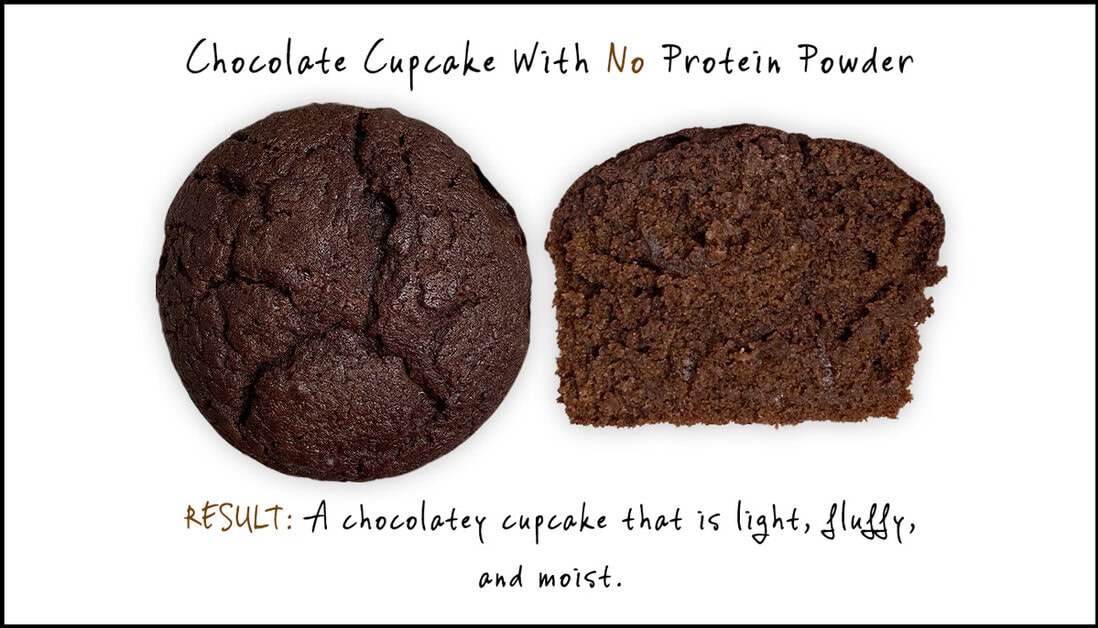
Credit: cheatdaydesign.com
Choosing The Right Protein Powder
Adding protein powder to baked goods can boost their nutritional value. But, choosing the right protein powder is crucial for the taste and texture. Here are key factors to consider to get the best results.
Types Of Protein Powders
Protein powders come in various types. Whey protein is popular and mixes well in recipes. It has a smooth texture and mild flavor. Plant-based proteins like pea and soy are great for vegans. They offer a different texture but blend nicely. Collagen protein is another option for a unique texture.
Each type has distinct properties. Whey protein absorbs quickly and is creamy. Plant proteins may be grittier but are high in fiber. Collagen is great for a smooth finish in baked goods.
Flavor Considerations
Protein powders come in many flavors. Chocolate and vanilla are common choices. They blend easily with sweet recipes. Unflavored protein powder is versatile and adaptable. It lets you control the taste without adding sweetness. If you prefer fruity flavors, berry or banana protein powders can enhance muffins and cakes.
Choose flavors that complement your recipe. Think about the end taste you want. Blending flavors can enhance your baked goods. Always taste test small batches to ensure the flavor is right.
Basic Tips For Baking With Protein Powder
Incorporating protein powder into baked goods can enhance nutritional value. Substitute a portion of flour with protein powder for added benefits. Ensure balance in recipes to maintain flavor and texture.
Baking with protein powder is a fantastic way to boost the nutritional content of your favorite baked goods. Whether you’re whipping up a batch of muffins or crafting a delicious loaf of bread, adding protein powder can enhance the taste and health benefits of your creations. But before you start experimenting, it’s crucial to understand some basic tips to ensure your baked goods turn out just right.Adjusting Recipes
When adding protein powder to your recipe, consider how it might affect the overall texture and flavor. Protein powder can sometimes dry out the batter, so you might need to adjust the amount of liquid or fat you use. Start by substituting a small portion of the flour with protein powder, such as replacing 1/4 cup of flour with protein powder. This helps maintain the integrity of your baked goods without making them too dense or dry. Taste-test your mixture. If the protein powder has a strong flavor, like chocolate or vanilla, ensure it complements the other ingredients.Balancing Ingredients
Balancing ingredients is key to achieving delicious results. Protein powder can alter the taste and moisture balance, so you might need to tweak the amounts of sugar, baking powder, or baking soda. Think of your favorite muffin recipe. If you add protein powder, consider increasing the milk or yogurt to keep the batter moist. Keep an eye on consistency. If your batter feels too thick, gradually add more liquid until it reaches the desired texture. Have you ever wondered how slight ingredient changes can transform a recipe? Experimenting with protein powder might just surprise you with delightful results!Protein Powder Substitution Guide
Protein powder is a versatile ingredient. You can enhance baked goods with it. This substitution guide helps you use protein powder effectively. Maximize your nutrition without sacrificing taste.
Replacing Flour
Swap part of the flour with protein powder. Use a quarter of the flour amount. For example, if a recipe needs 1 cup of flour, use 3/4 cup flour and 1/4 cup protein powder. This keeps the texture balanced. Choose a neutral-flavored protein powder for best results.
Replacing Other Ingredients
Protein powder can replace dry ingredients like oats or almond meal. Substitute 1/4 of these ingredients with protein powder. This method adds protein without altering the flavor much. Adjust liquid ingredients slightly if needed. This ensures the right consistency.
Enhancing Texture And Flavor
Adding protein powder to baked goods can enhance both texture and flavor. It can transform your baking experience, making your treats more nutritious. The key is to balance moisture and taste. Below are some tips to help you do just that.
Moisture Retention
Protein powder can affect the moisture content in your baked goods. To maintain moisture, consider adding extra liquids like milk or water. A little applesauce or yogurt can also help. These additions keep your treats soft and moist. Avoid making them dry or crumbly.
Flavor Pairing
Choose protein powder flavors that complement your recipe. For chocolate-based treats, chocolate or vanilla protein works well. For fruity baked goods, try strawberry or banana protein powder. Match flavors to enhance the overall taste. This approach ensures your baked goods taste delicious and balanced.

Credit: www.instagram.com
Troubleshooting Common Issues
Adding protein powder to baked goods can be tricky. Use recipes designed for protein powder to ensure proper texture. Balance wet and dry ingredients to prevent dryness.
Adding protein powder to your baked goods can transform your favorite treats into nutritional powerhouses. However, it can sometimes lead to unexpected issues like dryness or clumping. Don’t let these challenges deter you. With the right techniques, you can master the art of protein-packed baking, making your creations both healthy and delicious. Let’s delve into some common problems and their solutions.Avoiding Dryness
Dryness is a common issue when adding protein powder to your recipes. Protein powder can absorb moisture, leaving your baked goods less moist than desired. To combat this, consider adjusting the liquid ingredients in your recipe. Adding a splash of milk or a dollop of yogurt can make a significant difference. Another tip is to decrease the baking time slightly. Protein-enriched batter can dry out faster, so keep an eye on your oven. Have you ever tried adding fruit purées? They can enhance moisture while complementing the flavor of your protein powder.Preventing Clumping
Clumping can be a frustrating obstacle. When protein powder isn’t evenly distributed, it can create undesirable lumps. One effective method is to sift your protein powder before adding it to the mix. This helps break up any clumps and ensures an even blend. Try mixing the protein powder with other dry ingredients first. This evenly distributes the powder and minimizes clumping. You can also use a whisk or a hand mixer to integrate the protein powder thoroughly. Isn’t it amazing how a few simple changes can lead to perfectly smooth batter?Creative Recipe Ideas
Adding protein powder to baked goods opens up a world of delicious possibilities. You can enjoy your favorite treats while boosting your protein intake. This approach is perfect for those seeking healthier alternatives without sacrificing taste. Dive into these creative recipe ideas to transform your baking routine.
Protein-packed Cookies
Protein-packed cookies are a nutritious twist on a classic favorite. Start by substituting a portion of flour with protein powder. This change enhances the nutritional profile while keeping the taste delightful. Use ingredients like oats, nuts, and dried fruits for extra texture and flavor. Chocolate chips or peanut butter blend well with protein powder. These elements create a cookie that’s both tasty and satisfying. Aim for a balanced mix to maintain the right texture. Experiment with flavors like vanilla or chocolate protein powder. This will help you find your perfect cookie recipe.
Protein-enhanced Muffins
Protein-enhanced muffins make a great breakfast or snack option. Replace some flour with protein powder for a healthy boost. Choose flavors like blueberry, banana, or chocolate to complement the protein. Incorporate yogurt or applesauce for added moisture and taste. These ingredients also help balance the muffin’s texture. Adding nuts or seeds can increase the protein content further. This addition also provides a delightful crunch. Try different combinations to discover your ideal muffin recipe. Enjoy these muffins warm or packed for a quick on-the-go snack.
Nutritional Benefits Of Protein-infused Baked Goods
Enhance baked goods by incorporating protein powder into the mix. This boosts nutritional value without altering taste. Enjoy healthier treats that still satisfy sweet cravings.
Adding protein powder to your baked goods is like giving them a nutritional makeover. Not only do you enhance the taste, but you also boost the health benefits. Think about enjoying a cookie that not only satisfies your sweet tooth but also fuels your muscles. Intrigued?Boosted Protein Intake
Protein is essential for building and repairing tissues. By adding protein powder to your baked treats, you can effortlessly increase your daily protein intake. This is particularly useful for those who struggle to meet their protein needs through regular meals.Improved Satiety
Protein has a high satiety factor, which means it helps you feel fuller for longer. When you incorporate protein into your baked goods, you create snacks that curb hunger better than traditional treats. Imagine enjoying a muffin that not only tastes great but also keeps you satisfied until your next meal.Enhanced Muscle Recovery
For anyone who exercises regularly, protein is crucial for muscle recovery. Consuming protein-infused baked goods post-workout can aid in muscle repair and growth. Next time you’re tempted to reach for a sugary snack, think about the benefits of a protein-rich alternative.Balanced Macronutrients
Baked goods are often high in carbs and fats but low in protein. By adding protein powder, you create a more balanced snack with improved macronutrient ratios. This balance can support better energy levels and overall health.Customizable Nutrition
One of the best things about baking with protein powder is the ability to customize your nutrition. You can adjust the amount of protein based on your dietary needs or fitness goals. Whether you’re looking to build muscle or simply eat healthier, protein-infused baked goods can be tailored to suit your lifestyle. So, why not try adding a scoop of protein powder the next time you bake? You’ll be amazed at how easy it is to transform your treats into nutritional powerhouses. Your body will thank you, and your taste buds will too!
Credit: www.instagram.com
Frequently Asked Questions
How Do You Add Protein Powder To Baking?
Mix protein powder with dry ingredients first. Adjust liquid ratios to maintain consistency. Use unflavored or complementary flavors for best results. Bake at lower temperatures to prevent drying. Experiment with recipes for desired texture.
How To Add Protein To A Baked Good?
Add protein powder, Greek yogurt, or nut butters to your baked goods. Use almond or oat flour for a protein boost. Include seeds like chia or flaxseeds to enhance protein content. These ingredients improve nutritional value without compromising taste.
How Does Adding Protein Powder Affect Baking?
Adding protein powder enhances nutritional value and alters texture. It can make baked goods denser and chewier. Use it to boost protein content in recipes without significantly changing flavor. Adjust liquid ingredients to maintain the right consistency.
Does Baking Break Down Protein Powder?
Baking can slightly reduce protein content due to heat, but it doesn’t destroy protein completely. Most protein powder retains its nutritional benefits after baking, making it suitable for baked goods. Use recipes designed for protein powder to ensure optimal results.
Conclusion
Adding protein powder to baked goods is simple. Start with small amounts. Experiment with different recipes. Cakes, muffins, and pancakes work well. Be mindful of texture changes. Some powders absorb more moisture. Adjust liquids accordingly. Flavor choices matter too. Chocolate, vanilla, or unflavored are popular.
You can boost nutrition without sacrificing taste. Enjoy your healthier treats. Share with friends and family. Watch them savor every bite. Baking becomes a nutritious adventure. Have fun creating delicious protein-packed goodies. Happy baking!