
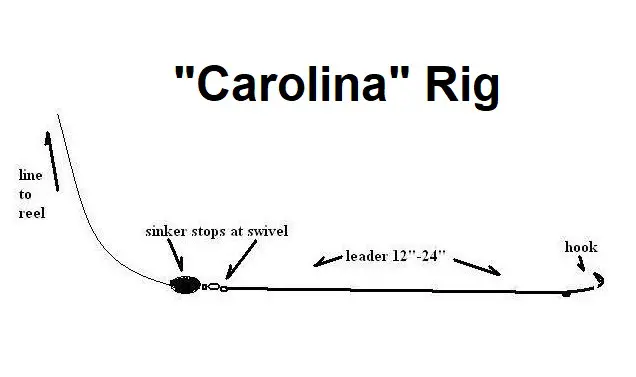
Setting up a fishing rod with a hook and sinker is a fundamental skill for any angler. Whether you’re a novice or an experienced fisherman, knowing how to set fishing rod hook properly can significantly enhance your fishing experience. With the right techniques and tools, you can ensure that your setup is effective and ready for action.
In this guide, we will walk you through the essential steps to set up your fishing rod, including choosing the right hook and sinker. By the end, you’ll be equipped with expert tips to maximize your chances of landing that big catch.
Choosing the Right Fishing Rod
Before you can set your fishing rod hook, it’s essential to select the right fishing rod. The type of rod you choose impacts your casting ability and overall fishing success. Consider the following factors:
Types of Fishing Rods
Fishing rods come in various types, each suited for different fishing styles. Spinning rods are great for beginners due to their versatility. Casting rods provide better accuracy for experienced anglers, while fly rods are designed for fly fishing. Surf rods are longer and ideal for shore fishing. For more, see our complete guide on How Set Hook Fishing: Master.
Material Considerations
Fishing rods are typically made from graphite, fiberglass, or composite materials. Graphite rods are lightweight and sensitive, making them great for detecting bites. Fiberglass rods are durable and flexible, perfect for heavy-duty fishing. Composite rods offer a balance of performance and durability.
Length and Action
The length of your rod influences casting distance; longer rods cast further, while shorter rods provide better precision. The action of the rod refers to its flexibility. Fast action rods bend at the tip, ideal for quick hook sets, while slow action rods bend throughout, suitable for lighter baits.
Selecting the Perfect Hook
Choosing the right hook is just as crucial as selecting your rod. The size, shape, and material of the hook can significantly affect your catch rate. Here’s how to select the perfect hook for your fishing rod setup:
Hook Sizes
Hooks come in various sizes, and the right size depends on the type of fish you’re targeting. Smaller hooks are better for panfish, while larger hooks are needed for bigger species like bass or catfish. Always check local regulations for hook size limits.
Hook Types
There are several types of hooks, including circle hooks, J-hooks, and treble hooks. Circle hooks are great for catch-and-release fishing, while J-hooks are versatile for various baits. Treble hooks are effective for lures but can be challenging to remove from fish.
Attaching the Sinker
Once your hook is selected, the next step is to attach the sinker. Sinkers help your bait reach the desired depth. Here’s how to do it: You may also find our Fishing Hook helpful.
How to Attach a Sinker
To attach a sinker, slide it onto your fishing line above the hook. You can use a swivel to prevent line twist or tie it directly to the line. Ensure the sinker is secure but can slide freely to allow for natural bait movement. According to Mayo Clinic fitness guide, this is important for athletes.
Expert Tips for Setting Fishing Rod Hook and Sinker
Here are some expert tips to enhance your fishing rod setup:
- Use a knot that secures the hook firmly, such as the improved clinch knot.
- Adjust the sinker weight based on water conditions; heavier sinkers work in fast currents.
- Experiment with different hook sizes and types until you find what works best for your target species.
FAQs
Q: How to set up a fishing rod hook?
To set up a fishing rod hook, thread the fishing line through the hook’s eye, tie a secure knot, and trim any excess line. Ensure the hook is firmly attached for optimal performance.
Q: What is the best way to set a fishing hook?
The best way to set a Fishing Hook is to use a quick, upward motion once you feel a bite. This ensures the hook penetrates the fish’s mouth effectively.
Q: How to attach a sinker to a fishing rod?
To attach a sinker, slide it onto the fishing line above the hook. You can either tie it directly or use a swivel for added flexibility.
Q: What type of sinker should I use?
The type of sinker you should use depends on the fishing conditions. Egg sinkers are versatile, while split shot sinkers are great for finesse fishing.
Q: Can I use multiple hooks on one line?
Yes, you can use multiple hooks on one line, but be sure to check local regulations regarding the number of hooks allowed. For more, see our complete guide on Hook Fishing.
Q: How often should I check my setup?
Regularly check your setup for wear and tear, especially after catching fish. This ensures your gear remains reliable and effective.
Q: What is the best fishing hook for beginners?
For beginners, J-hooks are often recommended due to their versatility and ease of use. They work well with various baits and fishing techniques.
Q: How do I know if my sinker is the right weight?
Your sinker should be heavy enough to keep your bait at the desired depth without being too heavy to scare fish away. Experiment with different weights based on the water conditions.
In summary, setting up a fishing rod hook and sinker is a straightforward process that can greatly enhance your fishing experience. By choosing the right equipment and following these expert tips, you’ll be well on your way to a successful day on the water. Remember to practice and adjust your setup based on the conditions and target species for the best results.