
Have you ever found yourself at the water’s edge, excited for a day of fishing, only to struggle with how to tie a fishing hook on line? You’re not alone! Mastering this essential skill can significantly enhance your fishing experience.
Imagine confidently preparing your line, knowing your hook is securely tied and ready to catch the big one. In this guide, we’ll provide you with easy steps and expert tips to tie a fishing hook on your line, ensuring a successful and enjoyable fishing adventure.
Let’s transform those frustrating moments into triumphs with a few straightforward techniques. Your next great catch is just a knot away!
Credit: n1outdoors.com
Choosing the Right Fishing Line
Choosing the right fishing line is crucial for a successful fishing experience. The type of line you select can influence your casting distance, bait presentation, and your ability to reel in a catch. With various options available, how do you decide which line is perfect for your fishing adventure? Let’s explore the essentials.
Types of Fishing Lines
Fishing lines are primarily classified into three types: monofilament, braided, and fluorocarbon. Each type has unique characteristics that cater to different fishing needs.
- Monofilament: This versatile line is known for its stretch and ease of handling, making it ideal for beginners.
- Braided: Known for its strength and minimal stretch, this line is excellent for catching larger fish and casting long distances.
- Fluorocarbon: Almost invisible underwater, this line is perfect for stealthy fishing and is resistant to abrasion.
Factors to Consider
When choosing the right fishing line, several factors should guide your decision.
Fishing Environment: Are you fishing in freshwater or saltwater? Clear or murky water? The environment significantly influences your line choice. We cover this in detail in our How Tie Knot Fishing Hook: article.
Target Fish Species: Consider the size and type of fish you aim to catch. Larger fish may require the strength of braided lines, while smaller fish can be caught with monofilament.
Personal Preference: Your comfort with handling different lines matters. Do you prefer the ease of tying knots with monofilament or the strength of braided lines?
Reflecting on these factors can help you make an informed choice. Now, let’s dive into the techniques for tying a fishing hook on line.
Step-by-Step Guide to Tie a Fishing Hook on Line
Follow these simple steps to tie a fishing hook securely to your line:
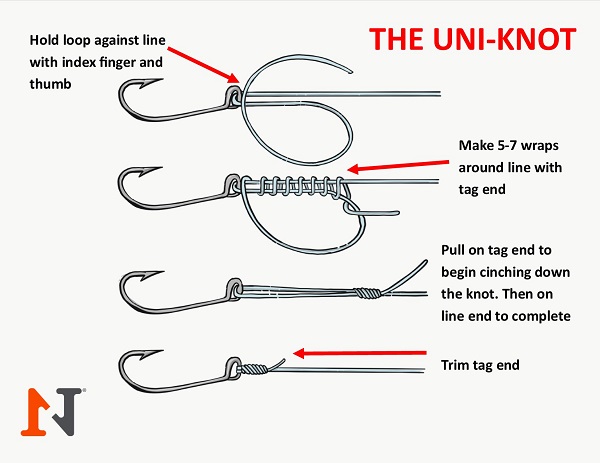
- Thread the Line: Pass the end of your fishing line through the eye of the hook.
- Wrap the Line: Wrap the line around itself and the hook shank 5-7 times, moving from the hook eye toward the hook point.
- Thread Back Through: Take the end of the line and thread it back through the loop created near the hook eye.
- Moisten and Tighten: Moisten the knot with saliva or water to reduce friction, then pull both ends of the line to tighten the knot securely.
- Trim Excess: Cut off any excess line, leaving a small tag end to ensure the knot stays secure.
Best Knots for Tying Fishing Hooks to Line
While there are several knots you can use, here are a few of the best knots for tying fishing hooks: According to Mayo Clinic fitness guide, this is important for athletes.
- Palomar Knot: Known for its strength and simplicity, this knot is great for all types of fishing.
- Improved Clinch Knot: A popular choice among anglers, this knot is reliable and easy to tie.
- Uni Knot: Versatile and strong, the Uni knot is excellent for tying hooks to both monofilament and braided lines.
FAQs
Q: How do you tie a fishing hook?
To tie a fishing hook, thread the line through the hook eye, wrap it around the shank several times, and then pass the end back through the loop. Moisten and pull tight to secure.
Q: What is the best knot for fishing hooks?
The Palomar knot is often considered one of the best for fishing hooks due to its strength and ease of tying.
Q: How to tie a fishing hook to braided line?
When tying a fishing hook to braided line, use the Uni knot or Palomar knot for a secure connection that holds well under pressure.
Q: What knot should I use to tie a fishing hook?
The Improved Clinch knot is a reliable choice for tying fishing hooks, offering strength and simplicity for various fishing scenarios. For more, see our complete guide on Tie Hook Fishing.
Q: How do you tie a fishing line to a hook?
To tie a fishing line to a hook, use a knot like the Palomar or Improved Clinch, ensuring you wrap the line securely around the hook shank.
Q: Can you tie a fishing hook without slipping?
Yes, using knots like the Palomar or Uni knot ensures a secure tie that minimizes slipping, especially when using braided lines.
Q: What is the easiest knot to tie for fishing?
The Palomar knot is widely regarded as one of the easiest knots to tie, making it ideal for beginners.
Q: How do you tie a hook on a fishing pole?
Tie a hook on a fishing pole by threading the line through the hook eye and securing it with a strong knot like the Improved Clinch or Palomar knot.
Summary
Mastering how to tie a fishing hook on line is a fundamental skill that can enhance your fishing experience. By choosing the right fishing line and employing effective knot techniques, you can ensure your gear is ready for a successful day on the water. Whether you’re a beginner or an experienced angler, these tips will help you secure your hook and increase your chances of landing that big catch!