
Ever wondered what happens to a hook once a fish breaks free? You might be surprised to learn that this is a question many anglers, both novice and seasoned, often ponder.
Do hooks dissolve in fish, or do they stay lodged forever? Understanding this can change how you feel about catch-and-release fishing, and it might even alter the way you fish. Picture this: you’re out on the water, the sun is shining, the moment is perfect, and you catch a fish.
It wriggles free, but the hook remains. What happens next is crucial, not just for the fish, but for the ecosystem. Your curiosity is about to be satisfied, and the answers might just transform your fishing experience. Stay with us, because what you’ll discover about hooks and fish might change the way you think about fishing forever.
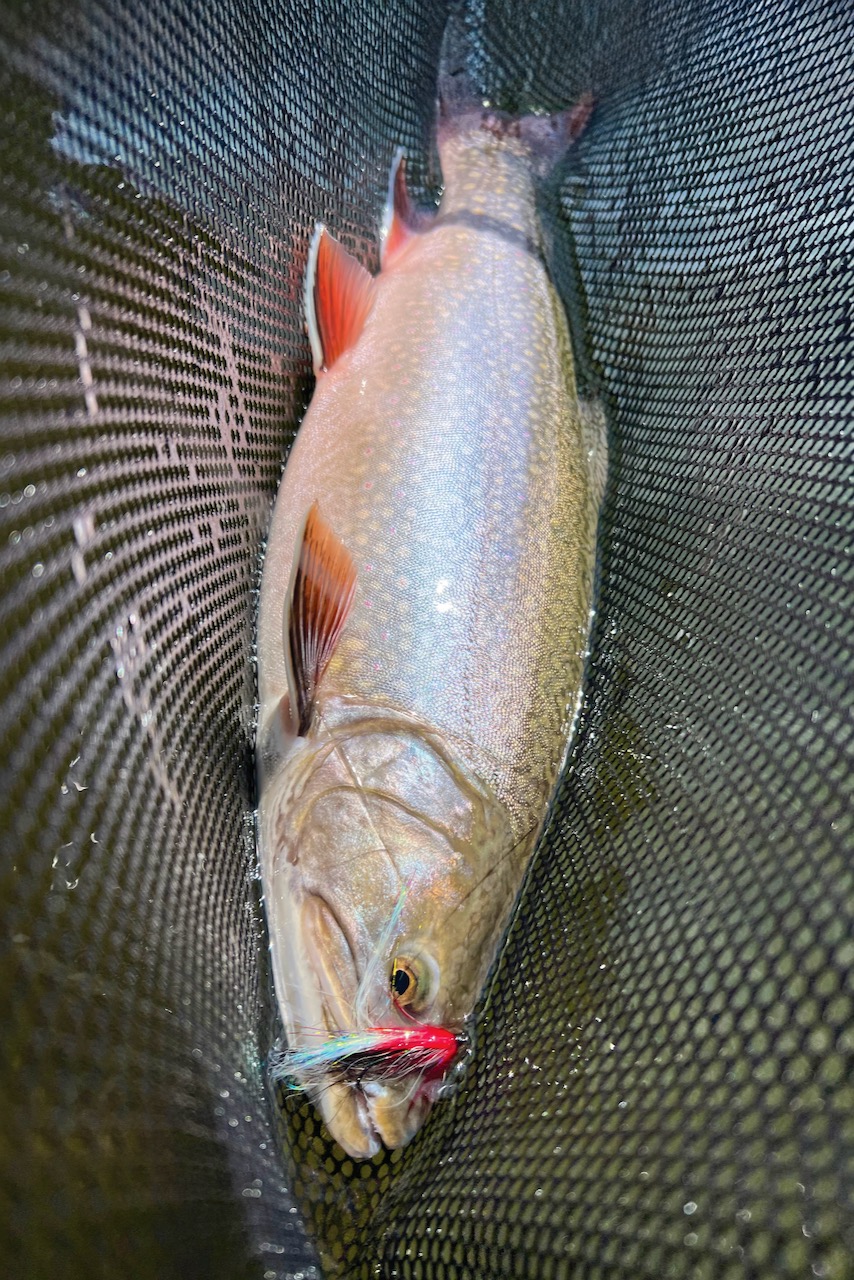
Credit: www.outdoorcanada.ca
Impact Of Fishing Hooks On Fish
Fishing hooks can impact fish health and survival. Some hooks dissolve slowly, causing prolonged stress and injury. This can affect fish behavior and growth, raising concerns about their long-term welfare.
The impact of fishing hooks on fish is a topic of concern. Hooks can harm fish in various ways. Understanding these effects can promote better fishing practices.
Physical Effects On Fish
Hooks can cause physical injuries to fish. They often pierce delicate areas like the mouth. Sometimes, hooks can even reach deeper into the body. These injuries can lead to bleeding and infections. Fish may experience pain and stress. A hooked fish may struggle to swim properly. This affects their ability to escape predators.
Long-term Survival
The survival of fish after being hooked is uncertain. Some fish manage to survive and heal. But others may face severe consequences. Injuries can lead to long-term health issues. Fish may find it harder to hunt for food. Their weakened state makes them vulnerable. The stress from being hooked can also impact their immune system. This reduces their chances of survival in the wild.
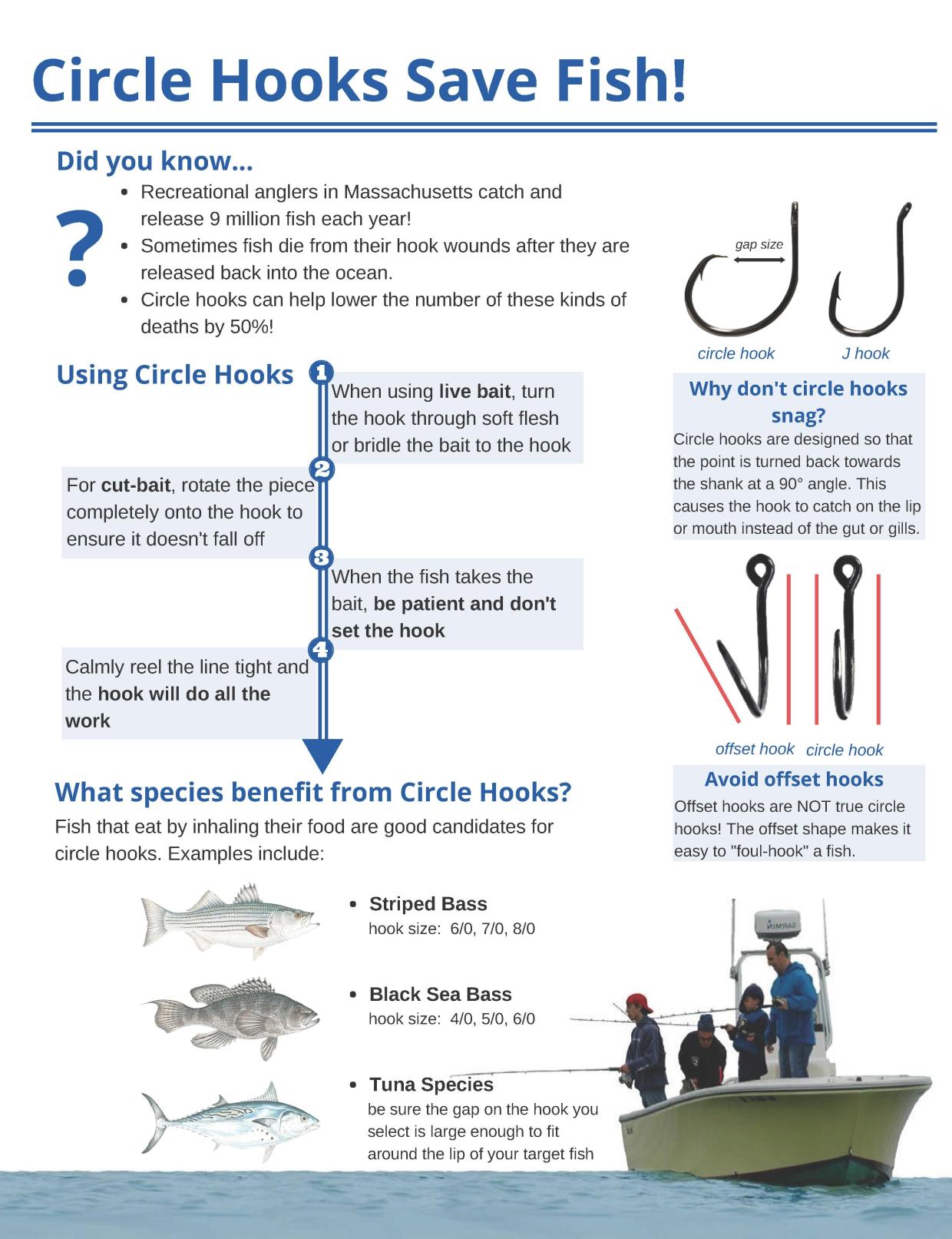
Credit: www.mass.gov
Materials Used In Fishing Hooks
Fishing hooks come in various materials, each serving unique purposes. The material affects a hook’s strength, durability, and environmental impact. Understanding these materials helps anglers make informed choices.
Common Hook Materials
Most fishing hooks are made from steel or carbon steel. These materials offer durability and strength. Steel hooks are resistant to corrosion, lasting longer in saltwater. Carbon steel hooks are lighter and sharper. They penetrate fish mouths easily, providing a secure catch.
Some hooks use nickel plating. This adds an extra layer of corrosion resistance. Nickel-plated hooks have a shiny finish. They attract fish effectively under sunlight.
Hooks may also contain vanadium steel. This is a high-grade material. It adds extra toughness. Ideal for catching larger fish.
Biodegradable Hooks
Biodegradable hooks are gaining popularity. Made from materials that break down naturally, they reduce environmental impact. These hooks dissolve in water after a certain period. They minimize harm to marine life.
Polymers and natural fibers are common in biodegradable hooks. They offer good strength while being eco-friendly. Anglers can fish responsibly with these options.
Some biodegradable hooks have coatings that increase their lifespan. They stay effective longer but still dissolve eventually. These coatings ensure optimal performance without sacrificing environmental benefits.
Natural Dissolution Process
The natural dissolution process of fish hooks in water is fascinating. Fish hooks made from certain materials gradually break down. This process reduces harm to marine life. As the hook dissolves, it becomes less of a threat to fish. Understanding this process helps in promoting eco-friendly fishing practices.
Factors Affecting Dissolution
Several factors influence how quickly a hook dissolves. One key factor is the material of the hook. Hooks made from metal dissolve faster than those made from synthetic materials. Water temperature also plays a role. Warmer water speeds up the dissolution process. Salinity levels affect how hooks break down too. Higher salt concentrations lead to quicker dissolution.
Timeframe For Decomposition
The timeframe for a hook to dissolve varies greatly. Metal hooks may take weeks or months to dissolve. Hooks made from biodegradable materials can dissolve faster. Environmental conditions impact this timeframe as well. In salty, warm waters, dissolution is quicker. In cold, fresh waters, it takes longer.
Scientific Studies And Findings
In the fascinating world of angling, the question of whether hooks dissolve in fish is a topic that has sparked curiosity and debate. Scientific studies and findings provide intriguing insights into this subject, exploring the impact of hooks left in fish and their eventual fate. Whether you’re an avid angler or a conservation enthusiast, understanding the scientific perspective on hook dissolution can enhance your fishing practices and contribute to sustainable fishing.
Research On Hook Dissolution
Several studies have examined the materials used in fishing hooks and their potential to dissolve over time. Researchers have found that hooks made from metals like steel can slowly corrode in aquatic environments. Factors such as water salinity, temperature, and the type of metal significantly influence the rate of dissolution.
In one study, hooks were placed in various water conditions to observe corrosion rates. It was discovered that hooks in saltwater environments corroded faster compared to those in freshwater. This finding suggests that the type of water you fish in may affect how long a hook stays intact within a fish.
Case Studies And Observations
Observations from anglers and scientists have provided practical insights into hook dissolution in fish. Some anglers report catching fish with hooks that appear to be partially dissolved, indicating that the process may take weeks or even months.
In another case study, biologists monitored fish that had swallowed hooks. Over time, they noticed that some hooks were expelled naturally or dissolved, causing minimal harm to the fish. This observation supports the idea that hooks can eventually break down, albeit slowly.
Have you ever wondered how your choice of hook affects fish survival? Understanding these findings might inspire you to consider hook material when shopping for fishing gear. Are you willing to opt for hooks that dissolve quicker to minimize fish injury? Your choice could make a meaningful difference in fish welfare.
Environmental Impact
Fishing hooks play a crucial role in angling, but their environmental impact often goes unnoticed. When hooks remain in fish or water, they can take months or years to dissolve. This persistence can lead to significant ecological consequences. Understanding their effects on the environment is essential for sustainable fishing practices.
Effects On Aquatic Ecosystems
Hooks left in water can harm aquatic ecosystems. These metal objects may hurt fish and other marine life. When fish swallow hooks, it can cause injuries or even death. This disrupts the food chain and affects biodiversity. Moreover, hooks can corrode and release harmful substances. These substances may pollute water bodies, affecting plant and animal life.
Waste Management In Fishing
Effective waste management in fishing is vital for protecting nature. Disposing of old or broken hooks properly helps reduce environmental harm. Anglers should carry containers for collecting used hooks. This prevents them from ending up in water bodies. Adopting biodegradable hooks can also mitigate environmental impact. These hooks dissolve faster, reducing long-term pollution.

Credit: www.reddit.com
Alternatives To Traditional Hooks
Biodegradable hooks offer an eco-friendly alternative to traditional ones. These hooks dissolve in a fish’s body, reducing harm. They are designed to break down naturally over time, minimizing environmental impact.
Exploring alternatives to traditional fishing hooks isn’t just about finding new tools—it’s about embracing more sustainable fishing methods that protect our waterways and marine life. Traditional hooks, often made from materials that can take years to break down, pose a risk to fish and other aquatic creatures. But what if you could fish responsibly without compromising on performance?
Innovative Hook Designs
Today, innovative hook designs are transforming the way we fish. Some companies are creating hooks from biodegradable materials that dissolve naturally in water over time, reducing the environmental footprint. These hooks maintain strength and sharpness, ensuring you don’t miss a catch while being eco-conscious. Another design innovation is the use of barbless hooks. These make catch-and-release fishing more humane, as they cause less injury to the fish. Plus, they make the release process quicker, giving the fish a better chance to survive. Have you tried using these modern hooks yet?
Eco-friendly Fishing Practices
Adopting eco-friendly fishing practices goes beyond using the right hook. Consider using non-toxic weights and lines made from recycled materials. These small changes can significantly reduce your environmental impact. Implementing catch-and-release techniques can also contribute to conservation efforts. Using the right tools, such as fish-friendly nets and gloves, ensures the fish return to their habitat with minimal stress. What steps can you take to make your fishing trips more sustainable? By choosing these alternatives and practices, you’re not just catching fish—you’re playing a vital role in preserving aquatic ecosystems for future generations.
Frequently Asked Questions
Will A Hook Eventually Fall Out Of A Fish’s Mouth?
Yes, a hook can eventually fall out of a fish’s mouth. Fish often dislodge hooks naturally over time. If not removed, the hook may rust or dissolve, allowing it to fall out. Always prioritize fish safety and remove hooks when possible.
Can A Fish’s Stomach Dissolve A Hook?
A fish’s stomach usually cannot dissolve a hook. Hooks are made of metal and highly resistant. Over time, a fish may expel or pass the hook naturally. Always use barbless or biodegradable hooks to minimize harm.
Do They Make Dissolvable Fish Hooks?
Yes, dissolvable fish hooks exist. They are designed to minimize environmental impact and reduce harm to fish. These hooks dissolve in water over time, helping to prevent pollution and injuries to marine life. They are ideal for catch-and-release fishing, promoting sustainable practices in the fishing industry.
How To Remove A Hook When A Fish Is Swallowed?
Use long-nose pliers to gently remove the hook. If deeply swallowed, cut the line close to the mouth. Seek a professional if unsure to avoid harming the fish. Always handle fish with wet hands to protect their slime coat. Release it gently back into the water.
Conclusion
Hooks usually don’t dissolve quickly in fish. It can take time. Stainless steel hooks last longer. Fish can live with hooks inside them. Sometimes, hooks fall out naturally. Choosing the right hook matters. Consider using biodegradable hooks. They dissolve faster in water.
This helps fish recover. Protecting fish is crucial. We must fish responsibly. Always think about the fish’s safety. Use techniques that minimize harm. Release fish gently. Every angler should care for marine life. Enjoy fishing while being mindful. Let’s keep our waters safe.
For both fish and future generations.