
Imagine yourself nestled in a cozy tent, surrounded by the tranquil beauty of nature. The stars are twinkling overhead, and the crisp night air fills your lungs.
But there’s one challenge you must conquer: staying warm. Whether you’re an experienced camper or new to the world of outdoor adventures, staying warm in a tent can make or break your experience. You deserve the comfort and joy of a snug night’s sleep, free from shivers and chattering teeth.
This guide is your ticket to mastering the art of warmth in the wilderness. Dive in, and discover simple, effective strategies to keep the cold at bay, ensuring your camping trip is memorable for all the right reasons. Your adventure awaits, and it starts with keeping warm.
Choosing The Right Tent
Choosing a tent with good insulation helps keep warmth inside. Look for tents with a rainfly and a sturdy frame to block cold winds. Consider a tent with a smaller interior space, which is easier to heat with body warmth.
Choosing the right tent is the cornerstone of ensuring warmth during your camping adventure. The tent you select can significantly affect your comfort levels, shielding you from cold winds and keeping the warmth inside. Let’s explore some key aspects you need to consider when picking the perfect tent for cold-weather camping.Material Considerations
The material of your tent plays a crucial role in maintaining warmth. Tents made from high-quality, durable fabrics like ripstop nylon or polyester are ideal as they offer excellent insulation. Look for tents that come with a double-layer design, as these provide an additional barrier against the cold. Waterproofing is another essential feature. Even a small amount of moisture can make a tent cold and uncomfortable. Ensure your tent has a water-resistant or waterproof coating to keep you dry and warm.Size And Shape
Size matters when it comes to staying warm in a tent. A tent that’s too large will have more airspace to heat, making it harder to maintain a comfortable temperature. Choose a tent that fits the number of campers snugly, with just enough room to move around and store gear. The shape of your tent also impacts warmth. Dome-shaped tents are excellent for shedding wind, while geodesic designs offer stability in harsh conditions. Consider the weather conditions you might face and choose a shape that provides the best protection against the elements. Have you ever spent a night shivering in a tent that felt more like a wind tunnel? It’s not just about the sleeping bag you choose—your tent is your first line of defense against the chill. By understanding these aspects, you can make informed choices and ensure a cozy night’s sleep in the great outdoors.Insulating Your Tent
Insulating your tent can keep you warm during chilly camping nights. Use sleeping pads and thermal blankets to create a cozy layer. Seal any gaps to block cold air from entering.
Insulating your tent is crucial for a warm camping experience. Proper insulation helps retain heat, keeping you cozy during chilly nights. There are several effective ways to insulate your tent, ensuring a comfortable stay.Ground Insulation
The ground can sap heat from your tent. Use a footprint or tarp beneath your tent. This barrier reduces heat loss. Consider foam pads or insulated mats for added warmth. They provide cushioning and insulation. Reflective blankets can also help. Place them under your sleeping area. This traps heat and keeps it close.Tent Liners And Covers
Tent liners are great for insulation. They fit inside the tent and add a layer of warmth. Choose liners made from thermal materials. They can significantly increase temperature inside. Tent covers work similarly. They create an additional shield against cold air. Use an extra rainfly for added protection. This keeps warmth in and moisture out. A well-insulated tent ensures a pleasant camping experience.Sleeping Gear Essentials
Staying warm in a tent requires proper sleeping gear. Choose a high-quality sleeping bag designed for cold weather. Layering with thermal blankets can add extra warmth and comfort.
Sleeping comfortably in a tent requires proper gear. The right equipment keeps you warm on chilly nights. Selecting the right sleeping gear makes a big difference. Let’s explore the essentials for a cozy camping experience.Sleeping Bags And Pads
A good sleeping bag is vital. Choose one designed for cold temperatures. Check the temperature rating before buying. A mummy-style sleeping bag offers extra warmth. It fits snugly, keeping heat close to your body. Sleeping pads add insulation. They create a barrier between you and the cold ground. Foam pads are lightweight and easy to carry. Inflatable pads offer more comfort. Consider the R-value of the pad. A higher R-value means better insulation.Thermal Blankets
Thermal blankets are handy in cold weather. They reflect your body heat back to you. Use them inside your sleeping bag for extra warmth. They are lightweight and pack easily. Keep a couple in your camping gear for emergencies. These blankets can also serve other purposes. Wrap them around yourself when sitting outside. They help maintain your body heat. Always pack thermal blankets for any camping trip. They are a simple but effective way to stay warm.
Credit: cosycamp.com.au
Layering Techniques
Layering techniques are essential for staying warm while camping in a tent. Wear thermal base layers to retain body heat. Add insulating layers like fleece or wool and finish with a waterproof outer layer to block wind and moisture.
Layering Techniques are a game-changer when camping in a tent during chilly nights. Instead of packing heavy, bulky items, focus on smart layering to trap heat effectively. Think of it as building a personal cocoon of warmth that adjusts with the fluctuating temperatures outside. By strategically choosing layers, you can stay comfortable and snug without overloading your backpack. Let’s dive into how you can master the art of layering through your clothing, footwear, and accessories.Clothing Layers
When dressing for cold weather camping, the key is to start with a solid base layer. This layer should be moisture-wicking, keeping sweat away from your skin, which helps maintain your body heat. Consider materials like merino wool or synthetic fibers. Your middle layer acts as insulation. Fleece or down jackets are excellent choices here as they keep the warmth close to your body. These layers are versatile, letting you adjust as temperatures change. Finally, your outer layer should be a weather-resistant jacket to protect against wind and rain. A good shell jacket will ensure your warmth is not compromised by the elements. Remember, layering is about flexibility, so choose pieces that can be easily added or removed.Footwear And Accessories
Keeping your feet warm is crucial as they are prone to getting cold quickly. Start with wool socks that provide warmth and wick away moisture. Avoid cotton as it retains moisture and can lead to cold feet. Invest in insulated, waterproof boots that can handle damp and cold conditions. They not only keep your feet warm but also protect against any unexpected weather shifts. Accessories like gloves, hats, and neck gaiters are essential. Your head loses heat quickly, so a thermal beanie can make a big difference. Likewise, gloves should be insulated yet breathable, allowing you to manage tasks without losing dexterity. Think about the small details. Little things like hand warmers can be lifesavers, tucked into your gloves or boots for extra warmth. Now, consider your camp setup. Are you maximizing your tent’s insulation capability? Or perhaps overlooking a simple trick like keeping a wool blanket at your tent’s entrance?Heating Options
Sleeping bags designed for cold weather keep the chill at bay. Portable heaters provide consistent warmth inside the tent. Insulated sleeping pads add a layer between you and the cold ground, enhancing comfort.
Staying warm in a tent during a camping trip can be a challenge. Selecting the right heating options ensures comfort and safety. Let’s explore some effective methods to keep the chill at bay.Portable Heaters
Portable heaters offer instant warmth in a tent. Choose models specifically designed for camping. They are safe and efficient. Battery-powered or propane heaters are popular choices. Always ensure proper ventilation to avoid any risks. Follow safety instructions to prevent accidents. These heaters are compact and easy to pack.Hot Water Bottles
Hot water bottles are a classic choice for warmth. Fill them with hot water before bedtime. Place them inside your sleeping bag for a cozy night. They are lightweight and easy to carry. Use a cover to prevent burns and maintain warmth longer. This method is both economical and effective. Plus, they double as a comforting heat source.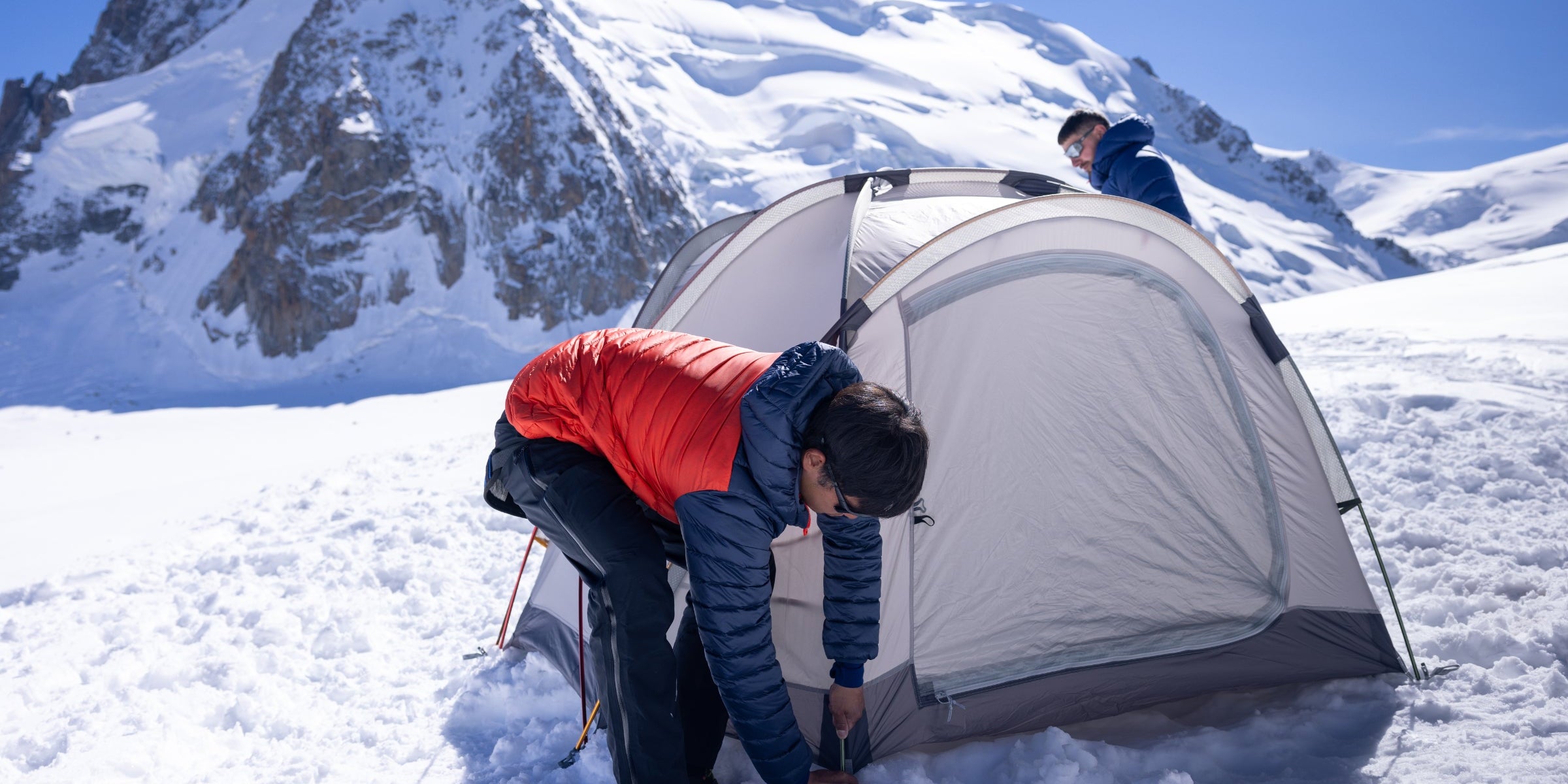
Credit: alpkit.com
Managing Moisture
Managing moisture is crucial for warmth while camping. Keep your tent ventilated to reduce condensation. Use moisture-wicking clothing to stay dry and comfortable.
Managing moisture is crucial when camping in a tent. It helps keep your gear dry and your body warm. Moisture buildup can lead to discomfort and even illness. By using proper techniques, you can ensure a cozy camping experience.Ventilation Strategies
Proper ventilation is key in managing moisture inside your tent. Use mesh windows or vents to allow air circulation. Open them during the day when it’s not raining. This helps expel moist air and reduce condensation. Keep a small gap at the tent door while sleeping. It ensures fresh air flow and minimizes humidity buildup.Moisture-wicking Materials
Choose moisture-wicking materials for your clothing and sleeping gear. These fabrics draw sweat away from your skin. Synthetic materials like polyester and nylon work well. They dry faster than cotton. Use a moisture-wicking base layer to stay dry and warm. Sleeping bags made from these materials help keep you comfortable. Look for sleeping pads with moisture barriers to prevent ground moisture.Food And Drink For Warmth
Hot meals and warm drinks can boost body heat while camping in cold conditions. Soups, stews, and herbal teas offer comforting warmth and essential hydration. Consuming these can help maintain energy levels and keep the chill at bay inside your tent.
When camping in a tent during cooler months, what you eat and drink can play a pivotal role in keeping you warm. The right food and beverages not only fuel your body but also help maintain your core temperature. Choosing meals wisely and staying hydrated are key strategies to ensure you stay cozy and comfortable in the great outdoors.Warm Meals
Cooking warm meals not only fills your belly but also warms your soul. Consider meals that are easy to prepare but provide lasting warmth, like hearty soups or stews. A portable camping stove can be a lifesaver, allowing you to whip up a hot meal quickly. Think about meals high in carbohydrates and proteins, as they can provide sustained energy and warmth. Oatmeal in the morning, for instance, can kick-start your day with warmth and energy. Don’t forget the power of spices like ginger or cinnamon, which can add warmth to your meals and drinks. They not only enhance flavor but can also boost circulation.Hydration Tips
Staying hydrated is crucial, but it’s easy to overlook when it’s cold outside. Warm drinks like herbal teas or hot chocolate can be comforting and keep you hydrated. Carrying an insulated bottle can ensure your drinks remain warm for hours. Avoid excessive caffeine and alcohol, as they can lead to dehydration and make you feel colder. Instead, opt for warm water with a slice of lemon or a touch of honey for a soothing effect. Consider making a hydration schedule. It can be easy to forget drinking enough fluids while enjoying nature, but your body needs water to function optimally, especially in cold weather. How will you ensure you’re sipping enough throughout the day?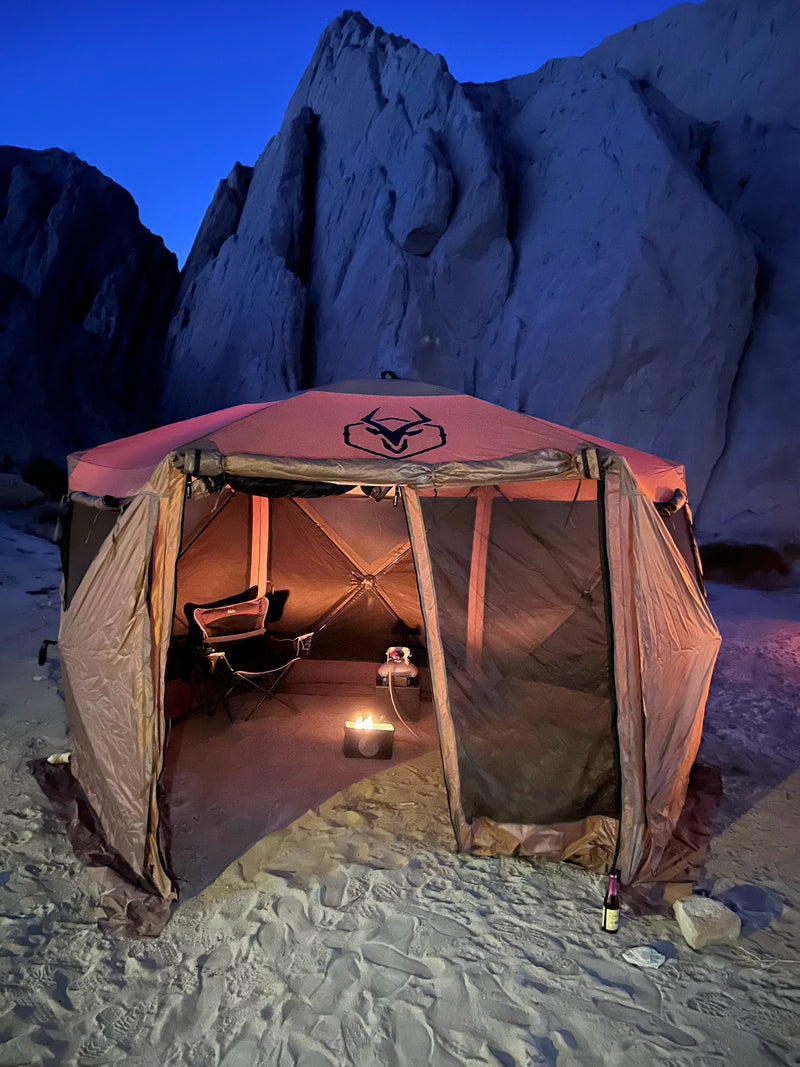
Credit: www.theshowerpouch.com
Safety Precautions
Stay warm in your tent by using insulated sleeping pads and quality sleeping bags. Dress in layers, focusing on thermal wear. Keep the tent well-ventilated to reduce condensation and maintain warmth.
Camping can be a thrilling adventure, but staying warm in a tent requires more than just piling on layers. Safety precautions are crucial to ensure your comfort doesn’t compromise your wellbeing. Being prepared can transform your camping experience from chilly to cozy without unnecessary risks.Fire Safety
Maintaining a safe environment in your tent starts with fire safety. While portable heaters can be tempting, they need careful handling. Always use heaters designed for indoor use, and ensure they have safety features like automatic shut-off. Position heaters far from flammable materials like sleeping bags and tent walls. This minimizes the risk of accidental fires. Consider using battery-powered heated blankets or wearables to reduce the need for open flames. How do you ensure warmth without compromising safety?Emergency Preparedness
Being prepared for unexpected situations is essential. Pack a reliable first-aid kit that includes items for treating burns or frostbite. Keep emergency contact numbers easily accessible. Ensure your phone is charged and consider bringing a portable charger. Communication can be a lifesaver in isolated locations. Familiarize yourself with the campsite’s emergency protocols. Is there a designated area for emergencies? Knowing this can provide peace of mind and guide swift action if needed. Staying warm while camping is about balancing comfort with safety. By preparing adequately, you can enjoy the serenity of nature without sacrificing your wellbeing.Frequently Asked Questions
How Do You Survive A Cold Night In A Tent?
Use a quality sleeping bag and thermal mat for insulation. Wear layered clothing to retain body heat. Keep your tent well-ventilated to prevent condensation. Warm up with hot drinks or food before sleeping. Use a hat and socks to keep extremities warm.
How Cold Is Too Cold For Camping In A Tent?
Camping in a tent becomes too cold below 30°F (-1°C). Hypothermia risk increases significantly. Use insulated sleeping bags and layers. Choose a tent designed for cold weather. Always monitor weather conditions closely. Stay safe by avoiding extreme temperatures and ensuring proper gear.
How Do I Add Warmth To My Tent?
Use a portable heater or thermal blankets to warm your tent. Layer sleeping bags and wear insulated clothing. Ensure proper ventilation and safety when using heating devices. Add a sleeping pad for ground insulation. Avoid open flames inside the tent for safety.
How To Stay Warm In A Tent Without Electricity Overnight?
Use insulating sleeping pads and warm sleeping bags. Dress in thermal clothing layers. Keep a hot water bottle inside your sleeping bag. Opt for a smaller tent to reduce heat loss. Block drafts with extra blankets or tarps for added warmth.
Conclusion
Staying warm while camping in a tent is crucial for comfort. Use layers to trap heat effectively. Don’t forget a quality sleeping bag. A thick sleeping pad can prevent cold ground from chilling you. Choose a tent site wisely; avoid wind and damp areas.
Bring extra blankets for added warmth. Wear a hat to keep body heat in. Hot drinks warm you from the inside. Don’t overlook the importance of a good campfire. With these tips, your tent camping experience will be cozy. Enjoy the great outdoors without freezing.
One Response