

When you think of spending time on the water, kayaks might come to mind as a fun and adventurous option. But have you ever found yourself questioning whether kayaks are meant for one person or two?
You’re not alone. This question puzzles many enthusiasts and beginners alike. Understanding the difference between 1P (one-person) and 2P (two-person) kayaks is crucial for choosing the right one that fits your adventure style. Imagine gliding smoothly on a serene lake or maneuvering through thrilling rapids, with your choice affecting every stroke.
The decision isn’t just about space; it influences your entire kayaking experience. Dive into this article to unravel the mystery and discover which kayak suits your needs. Your next adventure awaits, and it starts with making the right choice.
Types Of Kayaks
Kayaking offers an exciting way to explore water bodies. Choosing the right kayak type is crucial for your adventure. Kayaks mainly come in two types: single-person and two-person. Each type has unique features and benefits. Understanding these can help you make the best choice for your needs.
Single-person Kayaks
Single-person kayaks, or solo kayaks, are designed for individual use. They are lightweight and easy to maneuver. Solo kayaks are ideal for those seeking independence on the water. Their compact size makes them easy to transport and store. These kayaks are perfect for solo adventures or fishing trips. Enthusiasts love them for their agility and speed.
Two-person Kayaks
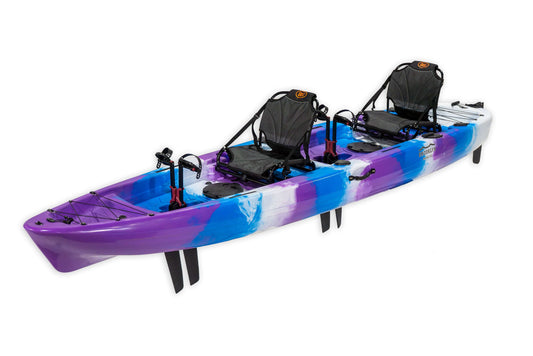
Two-person kayaks, also known as tandem kayaks, are built for pairs. They allow two people to paddle together. Tandem kayaks are great for couples or friends. They offer shared experiences on the water. These kayaks are stable and roomy, providing comfort for long trips. Tandem designs often include extra storage space for gear. They encourage teamwork and enhance social bonding.
Benefits Of Single-person Kayaks
Choosing between a single-person kayak and a tandem kayak can significantly impact your paddling experience. Single-person kayaks, also known as 1P kayaks, offer a unique set of benefits that cater to individual adventure seekers. These benefits range from enhanced control to personal fulfillment, making them an appealing choice for many kayaking enthusiasts.
Maneuverability
Single-person kayaks are often easier to maneuver than their larger counterparts. Their compact size allows you to navigate tight spaces and swiftly change directions, a feature particularly useful in narrow streams or when exploring intricate waterways. Imagine gliding effortlessly through a winding river, with each paddle stroke precisely guiding your path. This agility can transform your kayaking journey into a dynamic and exciting adventure.
Solo Experience
There’s something profoundly satisfying about paddling alone in a single-person kayak. You have the freedom to set your own pace, explore new areas without compromise, and truly connect with nature. This solo experience can be incredibly liberating, offering you the chance to reflect, recharge, and enjoy the serenity of your surroundings. Have you ever considered how a solo kayak trip could enhance your appreciation for nature’s beauty?
Advantages Of Two-person Kayaks
Two-person kayaks offer shared paddling, making them ideal for couples or friends. They provide stability and ease of use. Perfect for family outings or teamwork on the water.
Two-person kayaks offer unique benefits for paddlers. They bring people together and enhance the kayaking experience. From shared adventures to improved stability, these kayaks provide advantages that make them appealing to both beginners and seasoned kayakers.Shared Experience
Paddling with a partner creates lasting memories. Conversations flow easily as you glide through water. Teamwork strengthens bonds, making each trip more enjoyable. Sharing the workload reduces fatigue, allowing longer adventures. Each journey becomes a shared narrative, enhancing the overall experience.Enhanced Stability
Two-person kayaks are generally wider. This added width offers greater stability on water. Beginners find these kayaks less daunting, boosting confidence. Stability reduces the risk of tipping over. It’s ideal for navigating challenging waters safely. The sturdy design supports smooth paddling in diverse conditions.Choosing Based On Activity
Choosing a kayak depends on the activity planned. Solo adventures call for 1P kayaks, offering independence and maneuverability. For shared experiences, opt for 2P kayaks to enjoy companionship and teamwork.
Choosing the right kayak often depends on your planned activity. Are you envisioning serene lakes or adventurous fishing trips? The choice between a 1-person (1P) and 2-person (2P) kayak can significantly impact your experience. Consider the nature of your activity to make an informed decision.Recreational Paddling
For solo adventurers, a 1P kayak offers solitude and flexibility. Maneuvering is easier, allowing you to explore narrow inlets and winding rivers. If companionship enhances your paddling, a 2P kayak fosters shared experiences and teamwork. You can enjoy synchronized paddling with a friend or family member, creating lasting memories on the water.Fishing And Exploration
Fishing enthusiasts often prefer the stability of a 2P kayak. The additional space allows for fishing gear, coolers, and extra comfort. It’s a floating platform that accommodates your needs while you cast lines and wait for a bite. However, if you value stealth and ease of movement, a 1P kayak might be your best ally, enabling you to navigate and approach fishing spots quietly. Think about your fishing style. Do you prefer solitary meditation on the water, or do you thrive in shared exploration? This choice reflects more than just practicality; it shapes your entire kayaking experience. In the end, your decision should align with your passion and purpose on the water. Which kayak will elevate your adventure?Considerations For Beginners
Choosing between a 1P (one-person) or 2P (two-person) kayak can be confusing for beginners. Each type has unique benefits. Your decision depends on your needs and preferences. Understanding these can make your first kayaking experience more enjoyable.
Ease Of Use
Single kayaks are generally lighter and easier to maneuver. They require less effort to paddle, which is perfect for beginners. A single kayak allows you to learn at your own pace. Two-person kayaks are heavier and need teamwork. They can be challenging for solo paddlers. If you plan to kayak with a friend, a two-person kayak can be fun. But, be prepared to coordinate your movements.
Safety Features
Safety should be a top priority for beginners. Single kayaks often have simpler designs, reducing potential risks. They provide better control, which can prevent accidents. Two-person kayaks may offer more stability. This is useful in calm waters. They often come with extra safety features like additional flotation. Always check for life jackets and safety gear before starting your adventure.
Space And Storage Needs
When deciding between a 1-person (1P) or 2-person (2P) kayak, space and storage needs are crucial factors. Whether you’re a solo adventurer or prefer company on the water, understanding how much space each type requires can significantly impact your decision. Let’s dive into how transporting and storing kayaks can influence your choice.
Transporting Kayaks
Transporting a kayak can be a challenge, especially if you don’t have a lot of space. A 1P kayak is typically smaller and lighter, making it easier to fit on a roof rack or in the back of a truck. This can be particularly beneficial if you often paddle solo and need to handle the kayak by yourself.
In contrast, a 2P kayak is larger and requires more space. You may need a larger vehicle or a trailer for transport. Consider if you have the means to transport a larger kayak before purchasing.
Storage Solutions
Storing your kayak efficiently is just as important as transporting it. A 1P kayak can often fit in a garage or small storage area, allowing for easy access and reduced hassle. If you live in an apartment or have limited storage space, a 1P kayak might be the more practical choice.
On the other hand, a 2P kayak requires more storage room. Think about where you can safely store a larger kayak without it becoming a nuisance. Some opt for outdoor storage racks or dedicated shed space to accommodate their 2P kayak. Are you ready to commit that kind of space?
Ultimately, understanding your transportation and storage capabilities can guide you toward the right kayak choice. Consider your lifestyle, space, and how you plan to use the kayak to make the most informed decision.
Budget And Cost Implications
Choosing between a single-person (1P) or two-person (2P) kayak involves more than preference. Budget and cost implications play a significant role. Understanding the price range and long-term investment helps in making an informed decision.
Price Range For Kayaks
Kayak prices vary widely. Single-person kayaks generally cost less than two-person kayaks. Basic 1P models can start as low as $200. Meanwhile, entry-level 2P models often begin at $400. High-end kayaks, built for performance, can exceed $1,000. Consider the features and materials. They greatly influence the price. Fiberglass and carbon fiber kayaks tend to be pricier.
Long-term Investment
Think long-term when choosing a kayak. A quality kayak can last many years. Consider maintenance costs. Single-person kayaks usually have lower maintenance fees. Two-person kayaks might require more upkeep. Storage space also matters. 2P kayaks need more room. They can be harder to transport. Factor in these aspects for a smart investment.
.png)
Credit: www.watt-sup.com
Popular Brands And Models
Deciding between 1P and 2P kayaks depends on your adventure plans. Solo kayaks offer independence and agility. Tandem kayaks are perfect for shared experiences on water.
When choosing a kayak, the brand and model can significantly impact your experience on the water. Whether you’re paddling solo or with a partner, selecting the right kayak can enhance your adventure and provide superior comfort and efficiency. Let’s delve into some of the most popular brands and models for both single-person and two-person kayaks.Top Single-person Kayaks
Single-person kayaks are perfect for those who enjoy a solo adventure. Hobie Mirage Passport 10.5 is a favorite among many. Its pedal-driven system allows for hands-free navigation, ideal for fishing or photography enthusiasts. Another standout is the Perception Pescador Pro 10. Known for its stability, it’s great for beginners and experts alike. The adjustable seat ensures all-day comfort, making it a top choice for long paddling trips. Don’t overlook the Old Town Heron 9XT. It’s lightweight and easy to transport, yet robust enough to handle different water conditions. With features like a padded seat and rear hatch, it prioritizes both comfort and storage.Top Two-person Kayaks
Sharing the paddling experience can be incredibly rewarding. The Intex Explorer K2 is a well-loved inflatable option, providing excellent value and portability. It’s easy to set up and surprisingly sturdy on calm waters. For those looking for more, the Ocean Kayak Malibu Two offers great versatility. Its sit-on-top design allows for easy entry and exit, perfect for beach outings or lake adventures. The Sevylor Coleman Colorado is another fantastic choice, especially for fishing enthusiasts. With adjustable seats and ample storage, it’s designed to enhance your time on the water. Each of these kayaks offers unique benefits, but the best choice depends on your specific needs and preferences. Consider what features matter most to you, and you’re sure to find a kayak that will elevate your outdoor experiences. Which model are you leaning towards for your next adventure?Tips For Kayak Selection
Choosing between a 1-person (1P) or 2-person (2P) kayak depends on your adventure style. Solo paddlers often prefer 1P kayaks for better control and maneuverability. For shared experiences, 2P kayaks offer space and comfort, ideal for couples or friends paddling together.
Selecting the right kayak can greatly enhance your paddling experience. Whether you’re navigating serene lakes or tackling challenging rivers, the choice between a 1-person (1P) or 2-person (2P) kayak is crucial. Here are some tips to help you make an informed decision.Assessing Personal Needs
Think about your kayaking goals. Are you seeking solo adventures, or do you plan to share the experience with a partner? Solo kayaks offer independence and are often easier to maneuver, making them ideal for those who enjoy paddling alone. If you’re new to kayaking, a 1P kayak might be more manageable. On the other hand, 2P kayaks foster social interaction and are perfect for couples or friends who want to paddle together. Consider your storage space and transportation options too. A 1P kayak is usually lighter and requires less space, whereas a 2P kayak might need a larger vehicle or trailer for transport.Trying Before Buying
Testing different kayaks can provide valuable insights. Many rental shops offer various models for trial, allowing you to experience how each one feels in the water. Focus on comfort and stability during your trial. Do you feel secure in a 1P kayak, or do you prefer the shared balance of a 2P? Pay attention to the kayak’s response to your paddling style and the conditions you plan to explore. Don’t hesitate to ask for advice from experienced paddlers or shop staff. Their firsthand knowledge can guide you in making the right choice. Remember, the best kayak is one that feels right for you, aligns with your needs, and enhances your enjoyment on the water. What kind of kayaking experience are you dreaming of?
Credit: device.report
Credit: brooklynkayakcompany.com
Frequently Asked Questions
Is A Kayak Single Or Double?
A kayak can be single or double. Single kayaks fit one person and offer more maneuverability. Double kayaks, also known as tandem kayaks, accommodate two people and provide a shared paddling experience. Choose based on your preference for solo or shared adventures.
Is Kayaking 1 Or 2 People?
Kayaking can be for one or two people. Single kayaks accommodate solo paddlers, while tandem kayaks are designed for two. Consider your preference when choosing a kayak for your adventure.
What Is The Average Size Of A Kayak?
The average kayak length ranges from 9 to 14 feet. Recreational kayaks are typically shorter, around 10-12 feet. Touring kayaks are longer, often 12-14 feet, providing better speed and tracking. Width generally varies between 28 to 34 inches, offering stability for different water conditions and paddling styles.
What Category Of Boat Is A Kayak?
A kayak is a small, narrow watercraft in the category of paddle boats. It is primarily designed for individual use. Kayaks are propelled using a double-bladed paddle, making them popular for recreational activities and sports. They are versatile and used in various water environments, including lakes, rivers, and oceans.
Conclusion
Choosing between a 1P or 2P kayak depends on your needs. Solo trips or group adventures? Both options offer unique experiences. Consider space, stability, and purpose. Think about how much gear you carry. 1P kayaks are lighter and easier to maneuver.
2P kayaks provide company and shared effort. Perfect for couples or friends. It’s important to assess your preferences. Decide based on what suits your lifestyle. Make the right choice for your kayaking journey. Enjoy the water and create lasting memories.
Happy paddling!