
Imagine you’re lacing up your running shoes, ready to hit the pavement or trail. But have you ever stopped to think about the socks you’re wearing?
You might be surprised to learn just how much those seemingly simple pieces of fabric can impact your running experience. Every runner, from beginner to seasoned marathoner, knows the importance of comfort and performance. The right socks can mean the difference between a joyful run and one marred by blisters or discomfort.
Curious about how your choice of socks might be affecting your stride, endurance, and overall running joy? Dive into this article to uncover the secrets of how socks play a pivotal role in your running routine. Let’s make sure that every step you take is a step in the right direction!

Credit: darntough.com
Sock Material Choices
Different materials affect running comfort and performance. Cotton socks can cause blisters due to moisture retention. Synthetic blends, like polyester, offer better moisture management, keeping feet dry. Wool socks provide warmth and cushioning, ideal for cold weather runs. Choosing the right sock material enhances your running experience.
Choosing the right sock material can significantly enhance your running experience. Not all socks are created equal, and their material plays a vital role in comfort and performance. Whether you’re a seasoned marathoner or just starting, understanding sock material choices can make a noticeable difference in your runs.Synthetic Vs Natural Fibers
Synthetic fibers like polyester, nylon, and acrylic are popular choices among runners. These materials are known for their durability and ability to hold their shape even after numerous washes. They tend to be lightweight, making them perfect for long-distance running. On the other hand, natural fibers, particularly merino wool, offer unique benefits. Wool naturally regulates temperature, keeping your feet warm in cold conditions and cool in the heat. It also has natural odor-resistant properties, which can be a game-changer for those sweaty runs. Have you ever considered how the material of your socks could impact your run? Synthetic options might offer the performance edge you need, while natural fibers could provide unparalleled comfort.Moisture-wicking Properties
Moisture management is crucial when choosing running socks. The last thing you want is your feet swimming in sweat during a run. Synthetic materials excel in moisture-wicking, drawing sweat away from your skin and helping it evaporate quickly. Merino wool, although a natural fiber, also offers excellent moisture-wicking properties. It can absorb up to 30% of its weight in moisture without feeling wet, keeping your feet dry and blister-free. Imagine finishing a run with dry feet and no blisters—sounds like a dream, right? Choosing socks with strong moisture-wicking capabilities can make this a reality. Next time you lace up for a run, think about your socks. The right material choice can be the difference between a good run and a great one.Impact On Foot Health
Quality socks play a crucial role in running. They provide support, reduce friction, and prevent blisters. Proper socks maintain foot health by ensuring comfort and moisture control.
Running is a great way to stay fit and healthy. Yet, the right gear is essential. Socks play a crucial role in foot health during running. They provide comfort, support, and protection. Let’s explore how socks impact foot health.Blister Prevention
Blisters can turn a good run into a painful experience. Wearing the right socks helps prevent blisters. They reduce friction between your foot and shoe. Look for socks made from moisture-wicking materials. These keep your feet dry and less prone to blisters. Proper fit is also important. Socks should not be too tight or too loose.Arch Support And Cushioning
Running puts stress on your feet. Good socks provide arch support and cushioning. This helps absorb impact and reduce strain. Some socks have built-in arch support. This feature supports the natural curve of your foot. Cushioned socks protect the heel and ball of the foot. This reduces the risk of injury. Choose socks that match your running style and needs.Performance Enhancement
Running socks play a crucial role in performance enhancement. The right pair can make all the difference. They help in keeping feet comfortable and efficient during runs. Performance socks provide support, cushion, and protection. They ensure you can go the extra mile without discomfort.
Temperature Regulation
Socks manage foot temperature during runs. They wick away sweat, keeping feet dry. This prevents overheating in warm conditions. In cold weather, they offer insulation. This balance is key for maintaining comfort. Performance socks often use materials like merino wool or synthetic fibers. These materials adapt to temperature changes, ensuring optimal foot climate.
Reduced Friction
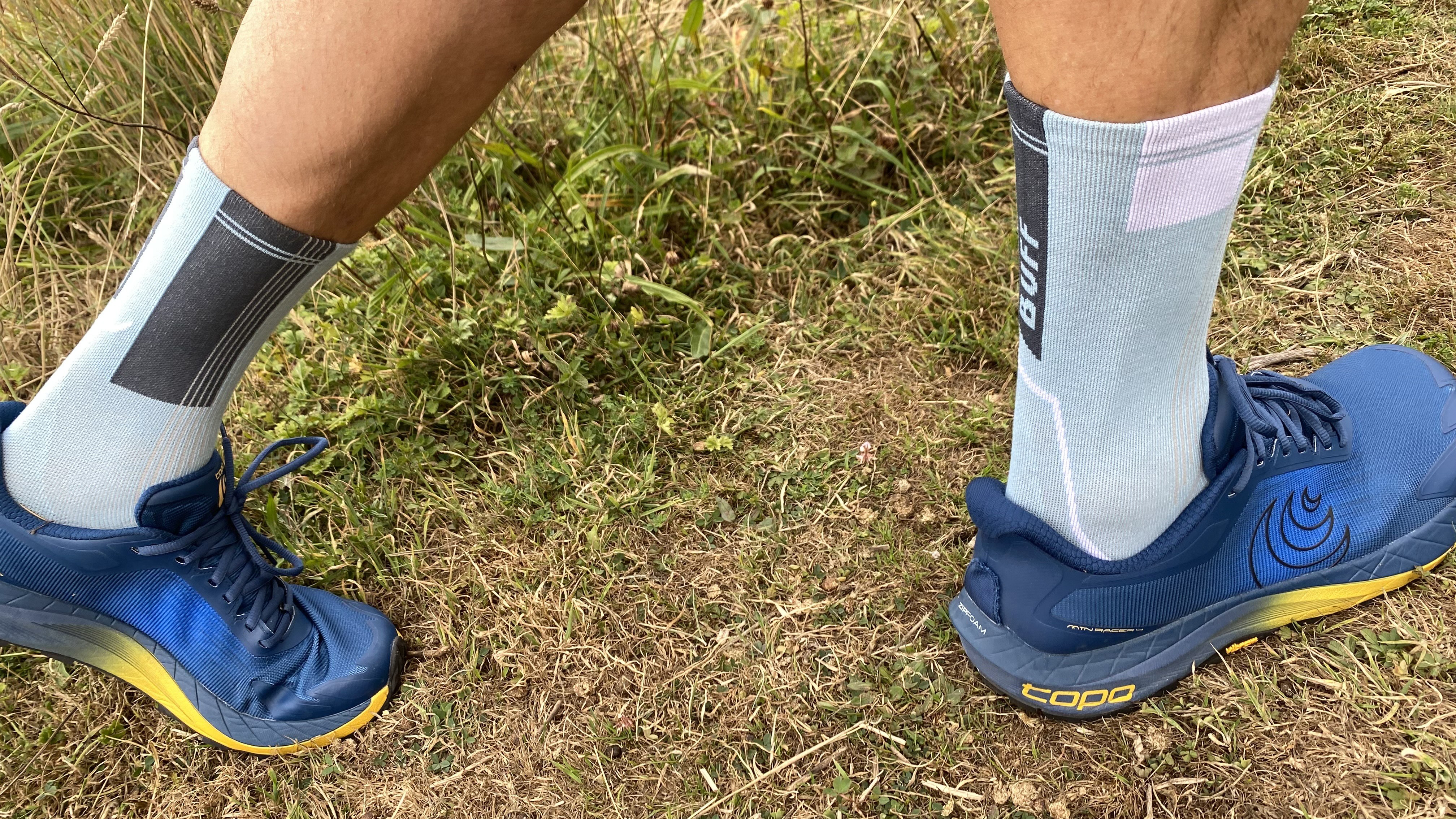
Friction can lead to blisters and discomfort. Performance socks reduce this risk significantly. They are designed with seamless construction. This minimizes irritation from seams. The snug fit prevents sliding inside shoes. It holds the sock in place, reducing friction. Many socks have reinforced heels and toes. This adds durability and comfort, even on long runs.
Credit: www.advnture.com
Durability And Longevity
Choosing the right socks for running impacts durability and longevity. The right pair can withstand miles of running without falling apart. Proper socks enhance comfort and performance over time. They also prevent blisters and other foot problems. Investing in quality socks can save money in the long run.
Wear And Tear Resistance
Running socks face constant friction and pressure. They need to resist wear and tear effectively. Good socks use materials like nylon or spandex. These materials provide strength and elasticity. Double stitching also adds extra durability. Reinforced heels and toes help prevent holes. Breathable fabrics keep feet dry and comfortable. Dry feet reduce the risk of blisters and infections. Durable socks maintain their shape and support for longer.
Cost-effectiveness
Durable socks may seem more expensive initially. Yet, they prove cost-effective over time. Cheap socks often wear out quickly. Replacing them frequently adds up in cost. High-quality socks last longer and need fewer replacements. Investing in durable socks saves money in the long term. They offer better comfort and performance, enhancing your running experience. Consider durability an investment in your foot health and budget.
Style And Personal Preference
Socks are more than just functional for runners. They express style and personal taste. Choosing the right pair can enhance comfort and reflect personality. The way socks look and feel matters. It can make a run more enjoyable.
Color And Design
Color and design can be exciting. Bright colors add fun to your running gear. Patterns and prints can show off your personality. Some runners prefer simple, solid colors. Others might choose bold and flashy designs. The choice is entirely personal. Picking a color that matches your running shoes can be satisfying. It creates a coordinated look.
Fit And Comfort
Comfort is key for a pleasant run. Socks should fit well without being too tight. A snug fit prevents blisters and discomfort. Consider the material for breathability and moisture control. Some prefer thin socks for a lightweight feel. Others opt for cushioned socks for added support. Finding the right fit is important for every run.

Credit: www.stridenortheast.co.uk
Frequently Asked Questions
Do Socks Make A Difference For Running?
Yes, socks significantly impact running performance and comfort. They reduce friction, prevent blisters, and offer cushioning. Moisture-wicking materials keep feet dry, enhancing breathability. Opt for high-quality running socks for better support and fit. Proper socks improve overall running experience and foot health.
Can I Use Normal Socks For Running?
Normal socks can cause blisters and discomfort during running. Opt for moisture-wicking running socks for better support and comfort.
Why Do Pro Runners Not Wear Socks?
Pro runners often skip socks for a closer shoe fit, reducing friction and blisters. Enhanced foot sensitivity aids performance. Less moisture buildup improves comfort and speed, allowing optimal foot movement. Lightweight shoe feel contributes to faster runs and better race results.
Is It Better To Run With No Socks?
Running without socks can cause blisters and discomfort. Socks provide cushioning and moisture-wicking benefits. Choose breathable, seamless socks for better support and protection. Running with socks generally offers more comfort and reduces injury risks, but personal preference plays a role.
Ensure your shoes fit well to prevent issues.
Conclusion
Socks play an essential role in your running experience. They provide comfort. They prevent blisters. They help keep your feet dry. Choose socks that fit well. Material matters too. Cotton can hold moisture. Synthetic blends wick away sweat. Good socks can improve your run.
They support your feet. They reduce friction. Invest in quality socks. Your feet deserve the best. Happy running starts with happy feet. Find the right pair today. Enjoy your runs with comfort and support. Your feet will thank you. Keep moving forward with confidence and comfort.