
Ever feel like you need to let off some steam or boost your fitness game? Punching a bag can do wonders for both your mind and body.
Whether you’re a beginner looking to relieve stress or an athlete aiming to enhance your skills, knowing how to punch a punching bag correctly is crucial. You might think it’s just about swinging your fists, but there’s more to it than meets the eye.
Imagine feeling the power of a perfectly executed punch, your form aligning just right, and the satisfaction that comes with it. Intrigued? This guide is packed with practical tips and insights to get you punching like a pro. Let’s dive into the art of punching a bag and unlock a new level of energy and confidence.
Choosing The Right Punching Bag
Choosing the right punching bag is crucial for maximizing your workout and skill development. Whether you’re a beginner or a seasoned boxer, the right equipment can make all the difference in your training. It’s about finding a bag that suits your needs, goals, and space. Are you ready to make an informed choice?
Types Of Punching Bags
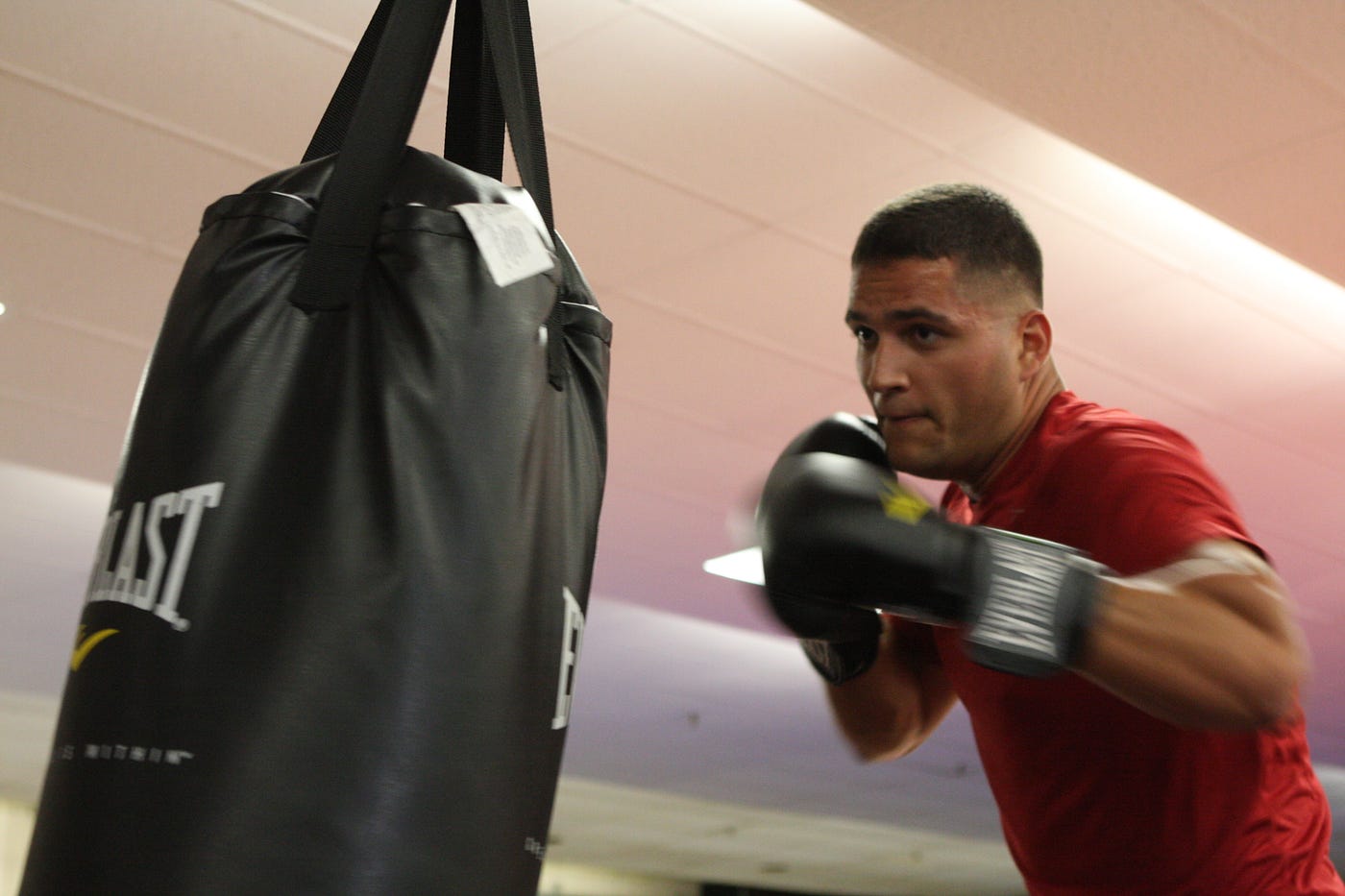
Different types of punching bags serve different training purposes. A heavy bag, usually hanging and filled with sand or fabric, is perfect for power punches. They’re great for building strength and endurance. A speed bag, on the other hand, helps improve hand-eye coordination and speed. It’s smaller and lighter, and ideal for refining your rhythm. There’s also the double-end bag, which tests your accuracy and timing. Each type brings unique benefits, so think about what you want to focus on.
Size And Weight Considerations
The size and weight of the punching bag you choose can significantly impact your training. If you’re focusing on power, a heavier bag is preferable as it offers resistance and stability. But be cautious; it should not be too heavy for your current strength level. Conversely, lighter bags allow for quicker movements, making them suitable for speed and agility workouts. Always consider the space you have available—will it accommodate a larger bag? Also, think about the height: will you be punching upwards or straight ahead? Matching the bag to your physical attributes is key.
Credit: boxingathome.medium.com
Essential Gear For Bag Work
When you’re gearing up to hit the punching bag, selecting the right equipment can make all the difference in your workout experience. Having the essential gear not only enhances your performance but also ensures your safety and comfort during bag work. Let’s dive into the crucial items you need to have in your arsenal.
Gloves And Hand Wraps
Protecting your hands should be your top priority when working with a punching bag. Gloves come in various types, but for bag work, you’ll want those designed specifically for training. They provide necessary padding to absorb the impact and protect your knuckles.
Hand wraps are equally important. They offer support to your wrists and knuckles, preventing injuries. Imagine punching without them—it’s like driving without seat belts. Ensure you wrap them snugly but not too tight, allowing for circulation while safeguarding your hands.
Footwear And Clothing
Choosing the right footwear can greatly affect your stability and agility. Lightweight boxing shoes or cross-training sneakers are ideal. They provide the grip needed for quick movements and pivots without weighing you down.
Your clothing should allow for freedom of movement while offering protection. Opt for moisture-wicking materials to keep sweat at bay. This keeps you cool and focused, allowing you to fully engage in your workout. What you wear can empower your performance—so choose wisely!
Remember, each piece of gear you choose plays a role in your overall experience. How would you gear up to maximize your punching bag workout? Reflect on your current setup and consider if any tweaks could enhance your performance.
Proper Stance And Footwork
Proper stance and footwork ensure balance and power while punching. Keep feet shoulder-width apart for stability. Shift weight between feet to maintain fluid movement and enhance punch effectiveness.
Proper stance and footwork are the foundation of effective punching. They provide stability, power, and precision in each punch you throw. Without them, even the strongest punch loses its impact. Let’s dive into the essentials of finding your balance and mastering movement techniques.Finding Your Balance
Balance is crucial when facing a punching bag. Picture yourself standing with feet shoulder-width apart. Bend your knees slightly and distribute your weight evenly. This position allows you to react quickly and maintain control. Imagine a string pulling you up from the top of your head, keeping your posture upright. Your dominant foot should be slightly behind the other, forming a natural angle. This setup ensures that your punches come from a place of stability.Movement Techniques
Footwork is not just about moving; it’s about moving with purpose. Practice the “step-drag” technique: step with your lead foot and drag the other to follow. This keeps your stance intact while closing or creating distance. Remember, your feet should always be under you, ready to pivot or shift direction. Incorporate lateral movements to avoid being predictable. Side-stepping and quick pivots can open up new angles for your punches. Consider this: how often do you think about your feet while punching? Start paying attention, and you’ll notice a significant improvement in your overall technique.Basic Punching Techniques
Punching bags are great for learning basic punching techniques. These techniques build strength and improve coordination. Mastering them gives confidence and boosts fitness levels. Let’s explore some essential punches.
Jab
The jab is quick and precise. Start with your feet shoulder-width apart. Keep your dominant hand near your chin. Extend your non-dominant hand in a straight line. Snap your fist forward while rotating your shoulder. The jab is effective in distracting opponents.
Cross
The cross is powerful and direct. Begin in a basic stance. Use your dominant hand to deliver the punch. Rotate your hips and shoulders. This adds force to the punch. Aim for the center of the bag. The cross can break through defenses.
Hook
The hook is curved and strong. Position your body sideways. Use your dominant hand for the punch. Swing your arm in a horizontal arc. Keep your elbow bent at a 90-degree angle. The hook targets the side of the bag. It’s great for close-range attacks.
Uppercut
The uppercut is upward and sharp. Stand with a solid base. Bend your knees slightly. Drive your dominant hand upward. Use your legs to add power. The uppercut is perfect for hitting below the chin. It surprises opponents with its angle.
Advanced Punching Combinations
Enhance your punching skills with advanced combinations on a punching bag. Mix jabs, hooks, and uppercuts for effective practice. Focus on speed, precision, and technique to maximize your workout and improve coordination.
Mastering the art of punching a bag goes beyond simple jabs and crosses. Advanced punching combinations can elevate your training, making it more dynamic and effective. These combinations challenge both your mind and body, pushing you to think quickly and react even faster.Combining Punches
Combining punches is about fluidity and precision. Instead of throwing isolated punches, mix them into seamless combinations. Try a jab-cross-hook-uppercut sequence. Feel the rhythm as you move from one punch to the next. Each punch should lead naturally into the next, like a choreographed dance. Practice slowly at first, focusing on form, then gradually increase speed.Adding Footwork
Adding footwork to your combinations is a game-changer. It keeps you agile and unpredictable. Move in and out of range with a quick step forward or backward. Imagine you’re in a real fight; footwork is your lifeline, helping you dodge and weave. Experiment with lateral movements, circling the bag as you punch. This not only enhances your agility but also improves your ability to maintain balance and control. How can you make your punches more unpredictable? By integrating these advanced combinations and footwork, you transform your routine into a dynamic workout, engaging both body and mind.Breathing And Rhythm
When you’re working with a punching bag, breathing and rhythm are your silent partners. They help you maintain focus and maximize your power. If you’ve ever felt out of breath or off-beat while punching, it’s time to rethink your approach. Proper breathing ensures that your body gets the oxygen it needs while rhythm keeps your movements fluid and precise. These elements are crucial for effective training and can dramatically improve your performance.
Maintaining Control
Control starts with your breath. As you prepare to strike, inhale deeply. This fills your lungs and prepares your body for the exertion. Upon impact, exhale sharply. This not only helps with power but keeps you grounded. Ever notice how fighters seem calm even in intense moments? That’s the magic of controlled breathing.
Think about the rhythm of your punches. It’s not just about speed; it’s about consistency and flow. A steady rhythm ensures that each punch is deliberate and efficient. This keeps you from tiring quickly and helps maintain your control over the bag.
Timing Your Strikes
Timing is everything in boxing. Your strikes should be in sync with your breathing. Picture this: inhale as you draw back and exhale as you release your punch. This harmony between breath and strike ensures maximum impact.
Consider the rhythm of music. Just like a drumbeat guides a song, your breathing and rhythm guide your strikes. This cadence helps you anticipate and react swiftly, making your punches more effective. Are you hitting the bag in a sporadic pattern or do you follow a beat? That’s the difference between random hits and strategic strikes.
Each session is an opportunity to refine your technique. Observe how your breathing and rhythm evolve. With practice, you’ll find a natural flow, leading to improved performance and endurance. Can you feel the difference when your breath aligns with your punches?
Common Mistakes To Avoid
Training with a punching bag can be immensely rewarding, helping you improve your technique, build strength, and boost your confidence. However, to get the most out of your sessions, it’s crucial to avoid common mistakes that could hinder your progress or lead to injury. Let’s explore these pitfalls and how you can overcome them.
Overextending
One frequent mistake in punching bag workouts is overextending your punches. It’s tempting to reach for that extra power, but doing so can lead to loss of balance and strain on your joints. Ensure your punches are controlled and within the range of your body.
- Maintain a solid stance to keep your balance.
- Focus on precision rather than power.
- Keep your elbows slightly bent to absorb impact.
Consider this: Are you sacrificing technique for strength? Center your training on skill and control, and watch your performance improve.
Neglecting Defense
Another common oversight is neglecting defense. Punching is only part of the equation; being able to defend effectively is crucial. If you don’t practice defense, you’re leaving yourself open to counterattacks in real-life scenarios.
- Incorporate defensive movements like blocking and slipping into your routine.
- Practice maintaining a guard even while punching.
- Visualize a sparring opponent to enhance your defensive reflexes.
How often do you think about defense during your training? Prioritize it, and you’ll become a well-rounded fighter, equipped to handle any situation.
Training Tips And Drills
Learn to punch a bag by focusing on form, strength, and technique. Practice consistent drills to improve accuracy and power. Engage in varied exercises to build endurance and control.
Training with a punching bag can be an exhilarating experience, offering both physical benefits and a boost in mental discipline. To get the most out of your sessions, it’s essential to incorporate effective training tips and drills. These methods not only enhance your technique but also improve your stamina and precision. Whether you’re a beginner or a seasoned boxer, refining your skills with structured drills can make a significant difference. Let’s delve into some key training tips that can elevate your punching bag workout.Interval Training
Interval training is a powerful tool to increase your endurance and power. By alternating between high-intensity bursts and rest periods, you can simulate the varying pace of a real fight. For instance, punch the bag with full force for 30 seconds, then rest for 15 seconds. Repeat this cycle for several minutes. It challenges your cardiovascular system and builds muscle endurance. Have you tried timing your punches to a favorite song? It can add rhythm and fun to your routine, making you push harder without realizing it.Focus On Precision
Precision is as important as power. Aiming correctly ensures that your punches land with maximum effect. Picture a small target on the bag and aim for it with each hit. This mental focus helps improve your accuracy and hand-eye coordination. Consider starting with jab and cross combinations, making sure each punch lands precisely on the target. As you become more comfortable, incorporate hooks and uppercuts. Remember, quality trumps quantity—hitting the right spot is more beneficial than countless wild swings. Engage your core and keep your stance steady; this stability enhances precision and reduces the risk of injury. Are your punches landing where you want them to? Adjust your stance and aim until they do.Evaluating Your Progress
Evaluating your progress is crucial for effective training with a punching bag. It helps you understand your strengths and areas to improve. Regular assessment keeps your motivation high and ensures you stay on track. Let’s delve into how you can evaluate your progress effectively.
Tracking Improvements
Start by setting clear goals. Track your progress with a simple journal. Record the number of punches and time spent each session. Note any changes in speed and strength. Use video recordings to observe your form. Compare recordings over time to see improvements. Small victories keep you motivated.
Adjusting Your Routine
Analyze your recorded data and make necessary adjustments. If speed improves, increase intensity. If endurance lags, focus on longer sessions. Mix different punching techniques to keep your routine diverse. Change your workout plan every few weeks. This prevents plateaus and keeps training effective. Listen to your body. Rest when needed.

Credit: www.youtube.com

Credit: www.instagram.com
Frequently Asked Questions
How To Punch A Punching Bag For Beginners?
Start with a solid stance, feet shoulder-width apart. Keep your hands up, elbows in. Use straight punches and jabs. Focus on technique, not power. Breathe consistently and maintain balance. Gradually increase intensity as you improve. Always wear hand wraps and gloves for protection.
Is There A Trick To The Punching Bag Game?
Yes, practice timing and accuracy. Hit the bag with consistent force and rhythm to score higher.
Should I Get A 70 Lb Or 100 Lb Punching Bag?
Choose a 70 lb bag for beginners or lighter workouts. Opt for a 100 lb bag for more intense training and strength building. Consider your experience level and fitness goals. Both options offer benefits, but heavier bags provide better resistance.
Ensure proper installation for safety and effectiveness.
Is It Okay To Punch A Punching Bag With Bare Hands?
Punching a bag with bare hands can cause injuries. Use gloves or hand wraps for protection. Proper technique reduces risk. Start slowly and increase intensity gradually. Regular breaks help prevent strain. Always prioritize safety and comfort while training.
Conclusion
Learning to punch a bag is simple and beneficial. It boosts confidence. Improves fitness. Enhances self-defense skills. Start by focusing on your stance. Keep your feet steady. Practice your punches slowly at first. Build power and speed gradually. Always protect your hands with gloves.
Stay relaxed and breathe evenly. Remember, regular practice makes progress. Don’t rush your movements. Enjoy the process. Listen to your body. Stay consistent and patient. Soon you’ll see improvement. Punching a bag is a rewarding journey. Embrace it with commitment.
Keep your goals in mind. Stay motivated and keep punching!