
Imagine gliding through city streets or winding country roads effortlessly, feeling the wind on your face. You’re not just commuting; you’re experiencing freedom on two wheels.
Electric bikes are revolutionizing the way you travel, offering a blend of convenience, speed, and sustainability. But how fast can these innovative machines really go? If you’ve ever wondered about the speed capabilities of electric bikes, you’re in the right place.
We’ll delve into the factors that influence their speed, helping you understand what you can expect from your ride. Whether you’re considering buying one or simply curious, learning about the speed potential of electric bikes could change the way you see personal transportation. Let’s uncover the secrets of electric bike speed and discover what makes them an exciting choice for modern travel.
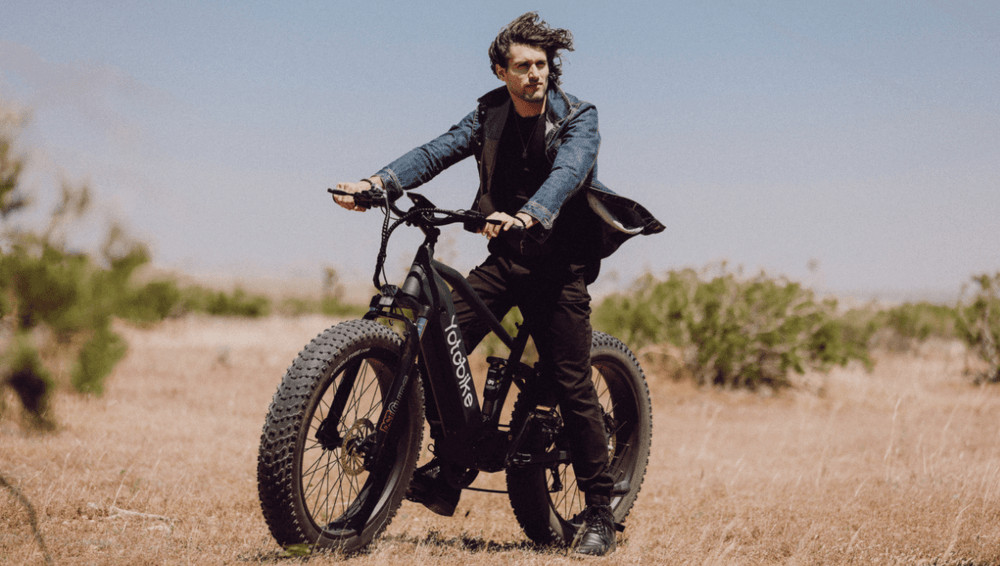
Credit: yotobike.com
Electric Bike Speed Basics
Electric bikes, or e-bikes, have rapidly become a popular mode of transportation, blending the convenience of cycling with the speed of a motor. Understanding the speed capabilities of an e-bike can help you determine if it suits your commuting needs or leisure activities. Let’s dive into the basics of electric bike speed and explore how different factors influence it.
What Is The Average Speed Of An Electric Bike?
Most electric bikes have a top speed ranging from 20 to 28 miles per hour (mph). This range varies based on the type of e-bike and the motor power. For city commuters, an e-bike with a speed of 20 mph is usually sufficient. However, for those seeking more thrill or tackling longer commutes, models offering 28 mph might be more appealing.
Factors Influencing Electric Bike Speed
Several elements can affect how fast your e-bike can go. The motor wattage plays a crucial role; higher wattage typically means higher speeds. Battery capacity also impacts performance, as a more powerful battery can sustain higher speeds for longer periods.
Weight is another factor. Both the weight of the rider and any additional cargo can slow down the bike. Consider how hills and terrain impact speed; climbing can reduce speed significantly unless your e-bike has a powerful motor.
Legality And Speed Limits
Before you hit the road, it’s essential to be aware of local regulations regarding e-bike speeds. In many regions, e-bikes are classified into categories that determine their maximum legal speed. For instance, in the United States, Class 1 e-bikes are limited to 20 mph with pedal assist, while Class 3 bikes can reach up to 28 mph.
Understanding these classifications ensures you stay compliant with the law, preventing any unexpected fines or penalties. Always check local laws before purchasing or riding an e-bike to ensure it meets your needs and legal requirements.
How To Maximize Your Electric Bike’s Speed
Maintaining your e-bike properly can help maximize its speed. Regularly check the tire pressure, as under-inflated tires can slow you down. Keeping the chain well-lubricated ensures smooth operation, enhancing speed and efficiency.
Consider your riding style as well. Utilizing pedal assist strategically can conserve battery life and maintain higher speeds over long distances. Experiment with different settings to find what works best for your commute or ride.
Do you find yourself often exceeding the speed limits on your e-bike, or are you content with a leisurely pace? Understanding and optimizing your e-bike’s speed can significantly enhance your riding experience.

Credit: leoguarbikes.com
Factors Influencing Speed
Electric bike speed is influenced by motor power, battery capacity, and rider weight. Terrain and weather conditions also play a role. Legal speed limits can further affect how fast an electric bike can go.
Understanding how fast an electric bike can go involves more than just looking at the motor specs. Various factors come into play, impacting your ride in ways you might not expect. It’s essential to know these elements if you’re aiming for a speedier journey or simply want to optimize your e-bike’s performance.Motor Power And Type
The motor is the heart of your e-bike, and its power significantly affects speed. A more powerful motor, measured in watts, generally means a faster ride. However, be mindful of local regulations that may limit motor wattage. Different motor types also influence speed. Hub motors offer simplicity and reliability but can be heavier. Mid-drive motors provide better weight distribution and efficiency, often resulting in higher speeds.Battery Capacity
Battery capacity directly correlates with how long and fast you can ride. A larger battery capacity means more power for the motor, allowing sustained high speeds. High-capacity batteries can be heavier, affecting the bike’s overall weight and handling. Always consider a balance between battery size and weight for optimal performance.Terrain And Environment
The terrain you ride on plays a crucial role in determining speed. Smooth, flat surfaces allow for maximum velocity, while hills and rough terrain can slow you down. Environmental conditions like wind and temperature also impact speed. Riding against strong winds or in extreme temperatures can reduce your bike’s efficiency and speed.Rider Weight And Position
Your weight and how you position yourself on the bike can affect speed significantly. A lighter rider generally experiences faster speeds due to less resistance. Positioning matters too; a more aerodynamic stance can reduce drag and increase speed. Experiment with different positions to find what feels comfortable and efficient for you. Have you ever noticed how a simple shift in your body weight can change your ride? Paying attention to these details can turn a good ride into a great one.Average Speed Ranges
Electric bikes typically reach speeds between 15 to 28 miles per hour. This varies based on model and conditions. Some can go even faster with pedal assistance.
Electric bikes are becoming popular for commuting and leisure. One key factor is their speed. Electric bikes come in different models with varying speed capabilities. Understanding the average speed ranges can help you choose the right bike for your needs.Understanding Speed Variations
Electric bikes vary in speed due to motor power and design. Some models are built for leisurely rides, while others target speed enthusiasts. The motor, battery, and bike design all play a role. Knowing these factors helps in choosing a bike that matches your speed preference.Typical Speed Range For City Bikes
City electric bikes often have moderate speed ranges. They are designed for urban commuting. These bikes typically reach speeds between 15 to 20 miles per hour. This speed is ideal for navigating city streets. It offers a safe and efficient ride for daily commutes.Speed Range For Mountain Bikes
Electric mountain bikes offer higher speeds. They are built for rough terrains and adventurous rides. These bikes can reach speeds of 20 to 28 miles per hour. The robust design and powerful motors support higher speeds. This makes them suitable for trail riding and off-road adventures.High-speed E-bike Models
Some electric bikes are designed for speed enthusiasts. These models can reach speeds over 30 miles per hour. They feature powerful motors and advanced technology. High-speed models are perfect for thrill seekers. They allow riders to experience the excitement of faster rides. Several factors affect the speed of an electric bike. Motor power, battery capacity, and bike design are crucial. The terrain and rider’s weight also play a role. Understanding these factors helps in optimizing bike performance. It ensures you get the most out of your electric bike.Comparing Electric Bikes And Traditional Bikes
When you’re contemplating the switch from a traditional bike to an electric one, the question of speed often comes up. How do they stack up against each other? Are electric bikes really faster, and if so, how much faster? Let’s dive into comparing electric bikes and traditional bikes through the lens of speed capabilities, efficiency, and the effort required.
Speed Capabilities
Electric bikes have a significant advantage when it comes to speed. Most electric bikes can reach speeds of up to 20 mph without much effort. This is particularly useful for commuting or long rides where maintaining a consistent speed is crucial. On the other hand, traditional bikes rely solely on your physical power, which means your speed will vary based on your fitness level and terrain.
Imagine cycling uphill on a traditional bike—your speed plummets, and your legs feel the burn. With an electric bike, you can effortlessly glide up that same hill, maintaining a steady pace. This difference can be a game changer for daily commuters or those who prefer longer rides without exhausting themselves.
Efficiency And Effort
Efficiency is where electric bikes shine. They allow you to cover greater distances with less effort, making them ideal for those who want to ride more without feeling drained. The electric motor assists in pedaling, which means you can travel further without breaking a sweat, literally!
Traditional bikes, while excellent for fitness, require consistent effort and energy, especially over long distances. If you’re looking to get a workout, this might be perfect. However, if you want to enjoy a ride without feeling exhausted, the electric bike is your friend. It balances effort and efficiency, giving you a sense of freedom and empowerment on the road.
But here’s a thought: Do you prefer the challenge of a traditional bike or the effortless glide of an electric one? Your choice might depend on what you value more—speed or the workout. Both have their merits, and understanding these differences can help you make an informed decision. What will you choose for your next ride?
Legal Speed Limits
Electric bikes offer convenient travel, but their speed is often regulated. These legal speed limits ensure safety and compliance with local laws. Different countries have varied regulations, which can impact daily commuting experiences.
Regulations In Different Countries
Different countries set unique speed limits for electric bikes. In the United States, the general limit is 20 mph for Class 1 and Class 2 e-bikes. Class 3 e-bikes can reach up to 28 mph. In the UK, electric bikes are limited to 15.5 mph. This helps align with local traffic norms. Germany allows speeds up to 15.5 mph on standard e-bikes. High-speed pedelecs can reach 28 mph with a proper license.
Australia divides regulations by state. Most allow speeds up to 15.5 mph for standard e-bikes. Some areas permit higher speeds with additional compliance requirements. Understanding these regulations helps riders enjoy their bikes safely.
Impact On Commuting
Legal speed limits influence commuting efficiency. Lower speed limits can extend commute times. Yet, they enhance safety for riders and pedestrians. Commuting in busy urban areas might benefit from lower speeds. It allows better maneuverability and control in traffic.
Higher legal limits can make long-distance commuting faster. This can appeal to those traveling from suburbs to city centers. Knowing your e-bike’s limits helps plan efficient routes. It ensures compliance with local regulations and enhances commuting experiences.
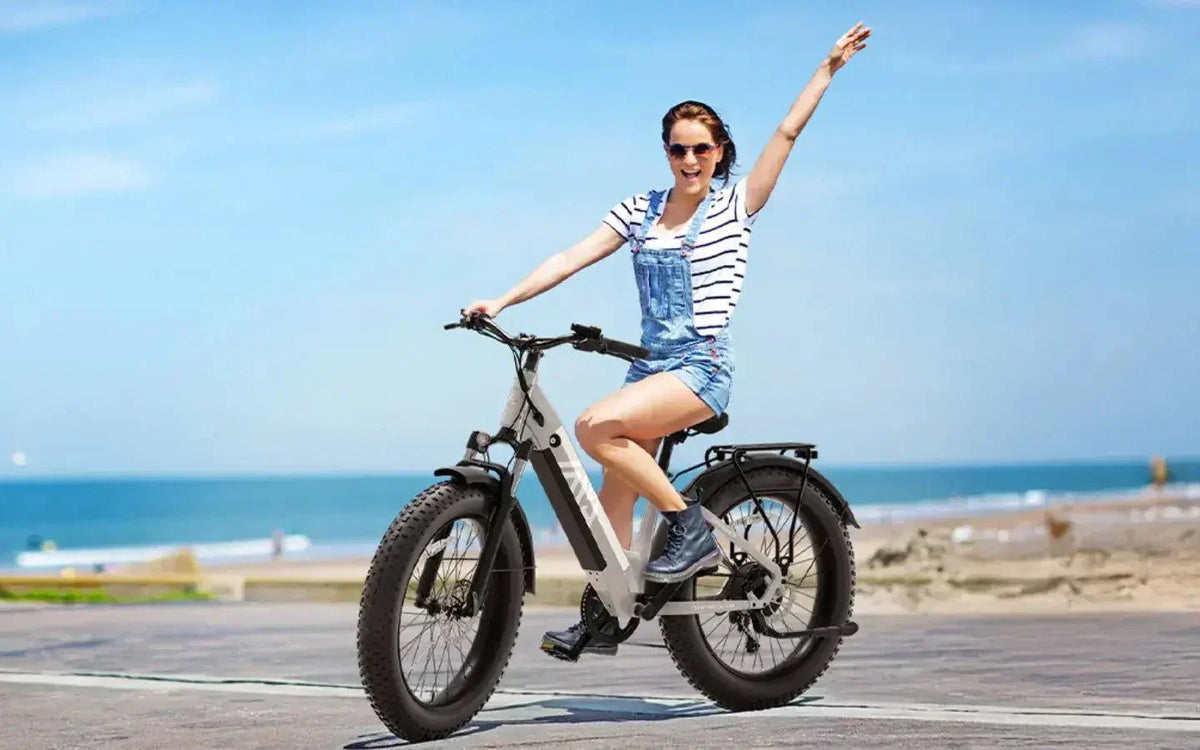
Credit: tstebike.com
Maximizing Speed
Discover the thrill of electric bikes, capable of reaching speeds up to 28 mph. Speed varies based on motor power, terrain, and battery life. Enjoy a fast, eco-friendly ride!
Maximizing Speed Electric bikes offer a thrilling ride with the potential for high speeds. Reaching top speeds requires more than just a powerful motor. Understanding the nuances can help you get the most out of your e-bike.Maintenance Tips
Regular maintenance keeps your e-bike in peak condition. Check the tire pressure frequently. Properly inflated tires reduce rolling resistance. Clean the chain and gears to ensure smooth operation. Lubricate moving parts to prevent wear and tear. Inspect the brakes regularly. Effective brakes ensure a safe ride at high speeds.Choosing The Right Bike
Select an e-bike suited for speed. Consider models with high wattage motors. Check for a lightweight frame. A lighter bike accelerates faster. Look for e-bikes with multiple speed settings. This allows flexibility based on terrain. Choose a battery with a long range. A robust battery maintains speed over distances.Future Of Electric Bike Speed
Electric bikes are gaining popularity, offering speeds up to 28 mph. Future advancements may boost these speeds even further. As technology evolves, faster and more efficient electric bikes could become a common sight on roads worldwide.
The future of electric bike speed is exciting. With growing interest in eco-friendly transportation, electric bikes are gaining popularity. Speed is a major factor that attracts enthusiasts. Improvements in technology and changes in market trends are driving advancements in electric bike speed. Let’s explore how these factors are shaping the future.Technological Advancements
Battery technology is evolving rapidly. Newer batteries offer higher energy densities. This means longer rides and faster speeds. Motors are becoming more efficient. Lightweight materials are reducing bike weight. This enhances speed without compromising safety. Smart technology is integrating into bikes. Features like speed control and GPS navigation are becoming standard. These advancements make bikes faster and smarter.Market Trends
Demand for faster electric bikes is rising. More people are choosing bikes for commuting. This pushes manufacturers to focus on speed and efficiency. Urban areas are embracing e-bikes. Infrastructure is adapting to support them. Regulations are becoming more flexible. This supports higher speed limits for electric bikes. Companies are investing in speed-related research. Partnerships with tech firms are common. These trends indicate a promising future for electric bike speed.Frequently Asked Questions
Can An Electric Bike Go 60 Mph?
Most electric bikes can’t reach 60 mph. High-performance models can achieve it, but they’re rare and often illegal for public roads. Always check local regulations and manufacturer specifications before buying.
What Is The Top Speed Of An Electric Bike?
Electric bikes typically reach speeds of 20 to 28 mph. Some models can exceed these speeds, depending on their design. Always check local regulations as they may limit the top speed of electric bikes in your area.
How Fast Can Electric Bikes Legally Go?
Electric bikes legally travel up to 20 mph in the US and 15. 5 mph in most European countries. Laws vary by region, so check local regulations. Riders should ensure their e-bike complies with legal speed limits to avoid penalties.
Always prioritize safety and adhere to traffic rules while riding.
Can Ebikes Go 50 Mph?
Yes, some ebikes can reach 50 mph. These are typically high-performance models. Legal restrictions often limit maximum speeds. Always check local laws before riding fast ebikes.
Conclusion
Electric bikes offer exciting speeds for all riders. They can reach up to 28 mph. This depends on the motor and local laws. Some bikes have settings to control speed. This ensures safety and meets legal requirements. Riders should always check their bike’s manual.
Understanding features helps enjoy rides safely. Electric bikes are eco-friendly and efficient. Perfect for short commutes and fun rides. They provide a good balance of speed and safety. Happy riding!