

Ever wonder what makes a punching bag so reliable and resilient? If you’ve ever thrown a punch or kick at one, you might have felt the satisfying resistance that helps hone your skills.
But what’s inside a punching bag that gives it that perfect balance of firmness and flexibility? You’re about to uncover the secrets hidden beneath its tough exterior. Imagine knowing exactly why your punching bag withstands every hit, every strike, and lasts through countless training sessions.
This knowledge not only satisfies your curiosity but also guides you in choosing the right one for your needs. Dive into the core of a punching bag and discover how its construction can transform your workouts and enhance your training experience. Keep reading, because the mystery inside is more intriguing than you might think!
Types Of Punching Bags
When you think about honing your boxing skills or simply getting a great workout, punching bags are an essential part of your routine. But did you know there are different types tailored for specific purposes? From building strength to improving speed, each type offers unique benefits. Let’s dive into the fascinating world of punching bags and discover what makes each type special.
Heavy Bags
Heavy bags are the cornerstone of boxing training. They typically weigh between 70 to 150 pounds and provide a durable target for powerful punches and kicks. Filled with materials like sand, cloth, or water, they help you build strength and endurance. Picture yourself landing a punch on a heavy bag; it’s almost like hitting a solid wall, giving your muscles a real challenge.
Speed Bags
Speed bags are smaller and lighter compared to heavy bags, and they focus on improving your hand-eye coordination and rhythm. As they rebound quickly, you’ll find yourself in a dance of quick punches, enhancing your speed and timing. Imagine the satisfying rhythm of punches echoing in the gym as you strike the speed bag with precision.
Double-end Bags
Double-end bags, suspended between the floor and ceiling, are perfect for practicing accuracy and timing. These bags move unpredictably, simulating a real opponent’s movements. You’ll learn to anticipate and react swiftly, sharpening your reflexes. Have you ever felt the thrill of dodging a swift counter-punch? Double-end bags offer that exhilarating experience.
Body Opponent Bags
Body opponent bags, often resembling human torsos, are ideal for practicing targeted strikes. They allow you to visualize and aim at specific body parts, enhancing your technique. Imagine throwing a jab at a realistic opponent, helping you perfect your aim and power. These bags are perfect for those looking to bridge the gap between bag work and sparring.
Which type of punching bag will you choose to elevate your training? Each offers unique benefits and challenges, tailoring to your specific needs. Consider your goals and dive into the world of punching bags with confidence.

Credit: www.amazon.com
Materials Used In Punching Bags
Punching bags are essential for martial arts, boxing, and fitness training. Understanding the materials used in these bags helps in choosing the right one. Different materials impact the durability and feel of the bag. Let’s explore what goes into making a punching bag.
Outer Shell Materials
The outer shell is the first contact point with the bag. Common materials include leather, synthetic leather, and canvas. Leather offers durability and a classic look. Synthetic leather is more affordable and resists wear. Canvas is rugged and suitable for outdoor use. Each material affects the feel and lifespan of the bag.
Filling Materials
The filling defines the bag’s weight and firmness. Options include sand, foam, and fabric strips. Sand provides a heavy, solid feel but can be harsh. Foam offers a softer punch and absorbs impact well. Fabric strips create a balanced weight and are eco-friendly. The choice of filling affects your training experience.
Hanging Mechanisms
Hanging mechanisms ensure the bag stays in place. Chains and straps are common options. Chains offer stability and are adjustable for different heights. Straps are quieter and reduce swing. The right mechanism ensures safety and optimal bag performance.
Filling Options Explained
Exploring what’s inside a punching bag unveils a variety of filling options. Sand offers weight and firmness, while shredded cloth provides a softer feel. Water-filled bags deliver a unique resistance, ideal for beginners. Each filling choice impacts training experience, catering to different skill levels and preferences.
Understanding what fills a punching bag can impact your training experience. Different fillings offer various benefits and challenges. Each type changes the bag’s weight, feel, and durability. Here’s a breakdown of common filling options.Sand
Sand is a popular choice for filling punching bags. It makes the bag heavy and stable. This weight provides resistance, enhancing strength training. Sand can settle, creating hard spots in the bag. Regularly check and adjust the filling to maintain balance.Water
Water-filled bags offer a unique training experience. They absorb impact well, reducing strain on joints. Water bags are easy to fill and empty. This makes them portable. Ensure there are no leaks, as this can affect the bag’s performance.Textiles
Textile filling includes old clothes or fabric scraps. This option is soft and forgiving on the hands. It offers a lighter bag compared to sand or water. Textiles can shift, requiring occasional fluffing. This helps to keep the bag evenly filled.Foam
Foam is a lightweight filling for punching bags. It’s ideal for beginners. Foam provides a soft surface, minimizing injury risk. It maintains shape well and needs little maintenance. This filling is less durable for heavy hitters.
Credit: bulldozafightwear.co.uk
Impact On Training
Understanding what’s inside a punching bag can significantly impact your training routine. The composition of a punching bag influences how you develop your techniques, build strength, and enhance endurance. Let’s explore how weight distribution, resistance levels, and durability play vital roles in your training.
Weight Distribution
Have you ever noticed how the weight of a punching bag affects your punches? Proper weight distribution is essential for realistic training. A well-balanced bag ensures that your strikes feel authentic, mimicking the resistance of a real opponent.
Consider how a bag with uneven weight might sway unpredictably, hindering your ability to practice precise movements. Opt for bags designed with even weight distribution for a more controlled experience.
How does your current punching bag’s weight distribution affect your training sessions?
Resistance Levels
Resistance levels in a punching bag determine how much force you need to exert. This impacts muscle development and endurance. Bags filled with materials like sand offer high resistance, ideal for building strength.
On the other hand, lighter bags filled with foam or textile fibers provide less resistance, focusing more on speed and technique refinement. Choose a bag that aligns with your training goals.
Which resistance level do you find most beneficial for your training objectives?
Durability
Durability is a crucial factor, especially if you’re training regularly. A durable punching bag withstands the test of time, saving you from frequent replacements. Materials like leather and heavy-duty vinyl ensure longevity.
Consider how frequently you practice and the intensity of your sessions. Investing in a durable bag prevents wear and tear, allowing consistent training without interruption.
Is your punching bag holding up against your rigorous training schedule?
Choosing The Right Punching Bag
Exploring what’s inside a punching bag can guide your choice. They often contain sand, fabric, or foam fillers. Each material affects the bag’s weight, feel, and durability, influencing your training experience.
Choosing the right punching bag is more than just picking the first one you see at the store. It’s about understanding your needs and finding a bag that matches them. Whether you’re training for fitness, stress relief, or competitive boxing, the right bag can make all the difference.Personal Goals
Before buying a punching bag, think about what you want to achieve. Are you looking to improve your striking power or just get a good cardio workout? For power training, a heavy bag filled with sand or water may be ideal. If speed and agility are your focus, a lighter bag like a speed bag can be more beneficial.Space Considerations
Space can significantly impact your choice. Do you have a dedicated gym area, or are you squeezing this into your living room? A heavy bag might require more room and a sturdy support system. On the other hand, a free-standing bag might be more versatile and easily moved if you’re limited on space.Budget Constraints
Your budget will also influence your decision. Punching bags can range from affordable to quite pricey, depending on materials and brand. Consider what features are non-negotiable for you and what you can compromise on. Sometimes, investing a little more can provide a durable product that lasts longer, saving you money in the long run. Choosing the right punching bag involves balancing your personal goals, available space, and budget. What type of training are you aiming for, and how does each option align with your lifestyle?Maintenance Tips
Discover the secrets inside a punching bag to ensure proper maintenance. Most bags contain sand, textiles, or foam. Regularly check for tears and maintain the filling to extend its lifespan.
Maintaining your punching bag is crucial for its longevity and effectiveness. Regular upkeep ensures that your equipment remains in top condition, providing you with the best possible training experience. Whether you’re a seasoned boxer or just starting out, these maintenance tips can help you keep your punching bag in perfect shape.Regular Cleaning
Dust and dirt can accumulate on the surface of your punching bag, affecting its appearance and potentially its performance. Make it a habit to wipe down your bag with a damp cloth weekly. Consider using a mild soap solution to remove any stubborn stains. Remember, a clean bag not only looks good but can also prevent skin irritation during your workouts.Inspecting For Damage
Check your punching bag regularly for signs of wear and tear. Look out for any tears in the outer material or leaks in the inner filling. Catch minor issues early to prevent them from worsening. Small repairs can save you from replacing the entire bag, keeping your investment intact for longer.Proper Storage
Where you store your punching bag matters. Ensure it’s kept in a dry, cool place, away from direct sunlight. Exposure to heat and moisture can degrade the material faster. If your bag is hung, ensure the hooks and straps are secure to avoid accidental falls. Taking these simple steps to maintain your punching bag can enhance your training sessions and prolong the life of your equipment. Are you ready to take care of your punching bag like a pro?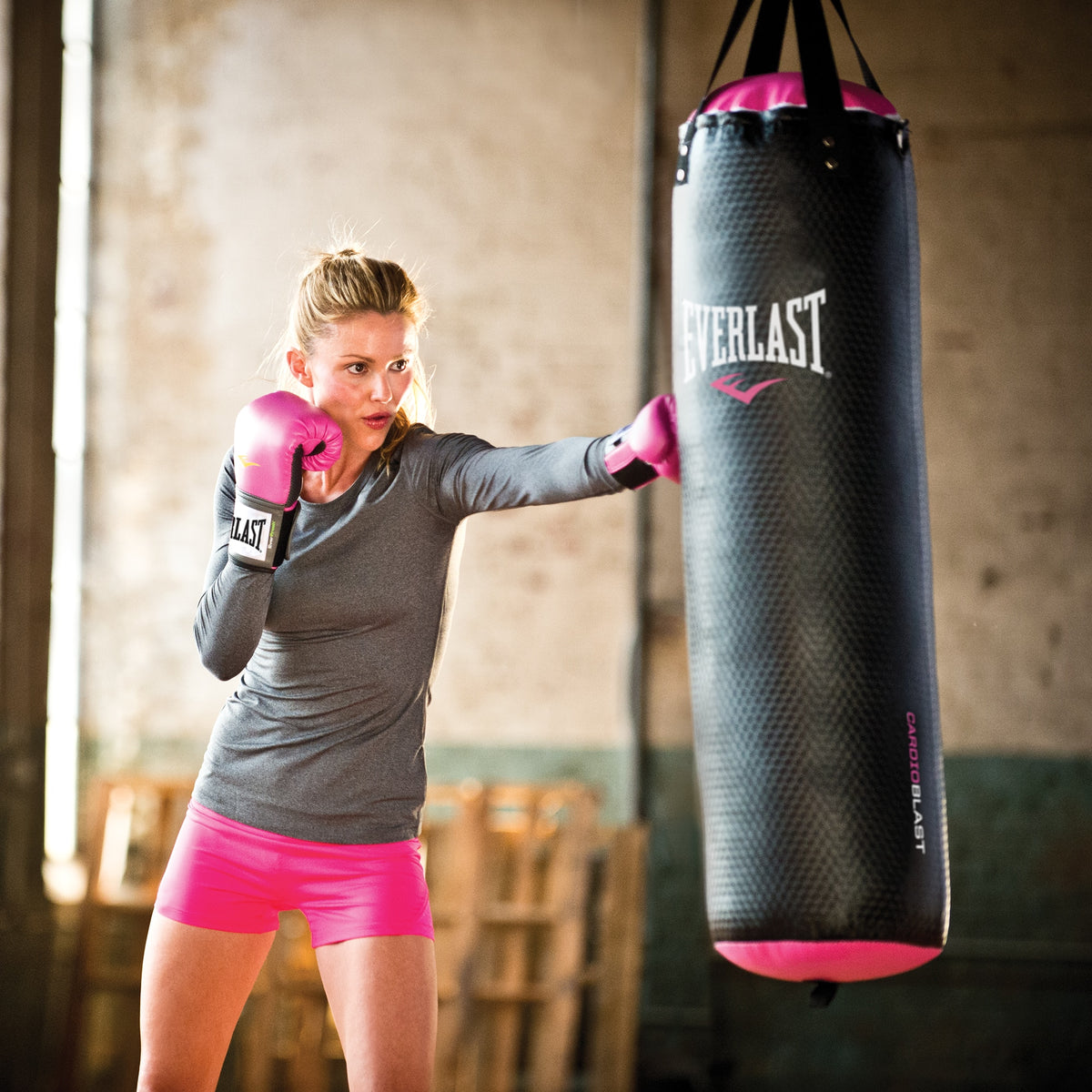
Credit: everlast.ca
Frequently Asked Questions
What Are Punching Bags Filled With?
Punching bags are filled with materials like sand, fabric, water, or foam. Fabric filling provides a softer feel. Sand offers a denser, heavier bag. Water-filled bags are adjustable in weight. Foam is light and suitable for beginners. The choice depends on the user’s training needs.
What’s Inside An Everlast Punching Bag?
Everlast punching bags typically contain a blend of natural and synthetic fibers. These materials provide a firm yet cushioned impact. Some models might also include sand or water for added weight. The outer shell is usually made of durable leather or synthetic materials.
Are Punching Bags Already Filled?
Most punching bags come pre-filled, ready for use. Some bags are sold empty for personalized filling options. Check product details before purchasing to ensure you get the desired type. Pre-filled bags save time and effort while providing convenience for immediate training.
Is A Punching Bag Filled With Sand Good?
A punching bag filled with sand offers a firm, dense surface for intense training. It enhances strength and endurance. However, it can be too hard for beginners and may cause joint strain. Ensure proper technique and consider your skill level before choosing a sand-filled bag.
Conclusion
Exploring the insides of a punching bag reveals its unique components. Each layer serves a purpose, ensuring durability and safety. From the outer shell to the filling, every part matters. These elements provide the resistance needed for effective training. Quality materials extend the bag’s lifespan, supporting long-term use.
Understanding these parts helps in choosing the right bag for your needs. Whether filled with sand, water, or textiles, each option offers different benefits. Your workout experience can improve with the right choice. A well-crafted punching bag enhances both skill and fitness.