

Are you itching to take your dirt bike for a spin beyond the trails and into the open roads of Texas? You’re not alone.
The thrill of riding a dirt bike is undeniable, but when it comes to hitting the pavement in Texas, things can get a bit tricky. You might be wondering if it’s legal, or if you need to make any special modifications to your bike.
Understanding these details not only helps you stay on the right side of the law but also enhances your riding experience. Dive into this article to uncover the ins and outs of riding dirt bikes on Texas roads, and make sure you’re ready for your next adventure. Your curiosity will be satisfied, and you might just find some surprising facts along the way.
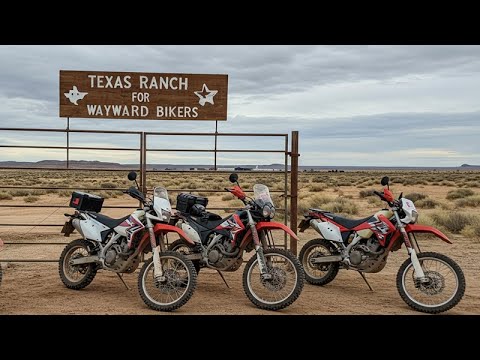
Credit: m.youtube.com
Texas Dirt Bike Regulations
Riding dirt bikes on Texas roads is subject to specific regulations. Understanding these rules ensures safety and legality. Texas dirt bike regulations define what makes a dirt bike street legal and how they are classified. Let’s explore these important aspects.
Street Legal Requirements
To ride dirt bikes legally on Texas roads, they must meet certain criteria. A dirt bike needs basic safety features to be street legal. These include:
- Headlights
- Taillights
- Brake lights
- Mirrors
- Horn
- Street-approved tires
Each feature must function correctly. A license plate is also required. Proper registration with the Texas Department of Motor Vehicles is necessary. Insurance is another requirement for legal road use. Without these, riding a dirt bike on public roads is illegal.
Classification Of Dirt Bikes
Texas classifies dirt bikes based on their design and purpose. Off-road dirt bikes lack the features needed for street use. These are typically used on trails or tracks. Dual-sport bikes are designed for both off-road and street use. They come equipped with the needed street-legal features.
Understanding the classification helps determine where you can ride. Dual-sport bikes offer versatility for riders. Knowing your bike’s classification ensures compliance with state laws. This prevents penalties and unsafe riding conditions.
Licensing And Registration
Riding dirt bikes on the road in Texas requires proper licensing and registration. Texas law ensures safety for riders and others on the road. Understanding these requirements can help you ride legally and confidently.
Necessary Documentation
To ride legally, you need specific documents. A valid driver’s license is essential. This shows you understand road rules and can operate vehicles safely. You also need proof of ownership for your dirt bike. This could be a title or bill of sale. Insurance documentation is another requirement. It protects you and others in accidents. Without these documents, riding on public roads is illegal.
Cost Implications
Licensing and registration come with costs. The price of a license varies based on age and type. Registering your dirt bike involves fees too. This ensures your bike is in the state system. Insurance is another cost. It depends on your coverage level and provider. These costs are necessary for legal road use.
Safety Standards
Riding dirt bikes on Texas roads requires meeting specific safety standards. Riders must adhere to registration, insurance, and equipment regulations. Proper lighting and safety gear are essential for compliance.
Riding dirt bikes in Texas can be an exhilarating experience, but it’s crucial to be aware of the safety standards set by the state to ensure your ride is both safe and legal. Understanding these standards not only keeps you compliant with the law but also protects you and other road users. Let’s dive into the essential safety measures you need to take before hitting the road on your dirt bike.Helmet And Gear Requirements
Wearing the right helmet and gear is not just a suggestion; it’s a requirement in Texas. A DOT-approved helmet is mandatory for all riders, providing crucial protection for your head. Consider adding gloves, boots, and a durable jacket to your riding gear for additional safety. Proper gear can make a significant difference in case of an accident. Reflect on that time you took a spill off-road—imagine the consequences on a paved street. Investing in quality gear is a small price to pay for your safety.Safety Inspection Protocols
Before you can legally ride your dirt bike on Texas roads, it must pass a safety inspection. This ensures your bike meets the necessary standards for road use. An inspection typically checks for working headlights, taillights, and brakes, among other things. Do you remember the last time you checked your bike’s lights or brakes? Regular inspections are not only a legal requirement but also a smart practice to ensure your bike is road-ready. Keeping a maintenance checklist could be your best friend here. — By adhering to these safety standards, you ensure not just your safety, but also that of others sharing the road with you. What steps will you take today to ensure your dirt bike is compliant and safe for road use?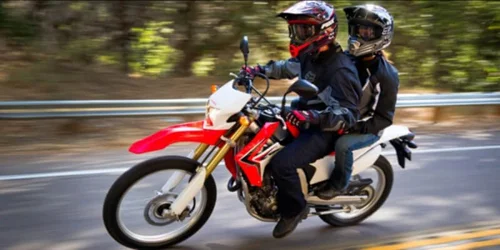
Credit: www.dirtlegal.com
Restricted Areas
In Texas, dirt biking on the road involves understanding restricted areas. Not all roads welcome these adventurous rides. Knowing where you can and cannot ride is crucial. Understanding restricted areas helps avoid fines and legal trouble.
Prohibited Roads
Many public roads prohibit dirt bikes. Texas law restricts dirt bikes from highways and major roads. These areas are not safe or legal for dirt biking. Riders should avoid these routes to stay within the law.
Designated Off-road Trails
Texas offers designated trails for dirt biking. These trails are safe and legal. Riders can enjoy the thrill without breaking any laws. Many parks provide these trails specifically for off-road vehicles. Check local regulations before heading out.
Penalties For Non-compliance
Riding dirt bikes on roads in Texas can lead to fines and legal issues. These penalties ensure riders follow traffic laws.
Riding dirt bikes on the road in Texas might seem like an exhilarating idea, but it’s essential to understand the penalties for non-compliance. Operating these off-road vehicles on public roads without adhering to state regulations can lead to serious consequences. Before you hit the pavement, it’s crucial to be aware of what could happen if you don’t follow the rules.Fines And Fees
Non-compliance can hit your wallet hard. If you’re caught riding a dirt bike on public roads without the necessary permits or modifications, you could face hefty fines. These fines can range from a few hundred to several thousand dollars, depending on the severity of the violation. Imagine getting pulled over and slapped with a significant fee that could have been avoided. You might think you’re saving time or money by not adhering to regulations, but the cost of fines can far outweigh any perceived benefits. The financial implications can add up quickly, turning your joyride into an expensive mistake.Impact On Driving Record
Your driving record is more than just a piece of paper; it reflects your responsibility as a driver. Riding a dirt bike illegally on the road can lead to points on your record. These points can affect your insurance rates, making it more expensive to stay on the road legally in the future. Consider how this might influence your long-term driving privileges. Could you risk losing your license or paying more for insurance because of a momentary thrill? It’s crucial to weigh these potential consequences before making a decision that could haunt your driving history. In conclusion, while the thrill of riding a dirt bike on the road may be tempting, the penalties for non-compliance in Texas are significant. By understanding the fines and potential impacts on your driving record, you can make informed decisions and avoid unnecessary headaches.Future Legal Changes
As Texas continues to grow, so does the interest in off-road adventures, including dirt biking. However, the question remains: will the laws evolve to accommodate riding dirt bikes on public roads? The future may hold legal changes that could transform the landscape for dirt bike enthusiasts in Texas.
Upcoming Legislation
Texas lawmakers are considering new bills that could allow dirt bikes on certain roads. These changes might include specific safety requirements like lights and mirrors. With increasing demand from riders, local governments are also exploring pilot programs to test the feasibility of these changes.
Potential Impact On Riders
If passed, these legal changes could offer riders more freedom and flexibility. Imagine riding your dirt bike to work or school, blending adventure with your daily routine. But are these changes all good news? Riders might face new regulations, such as mandatory insurance and registration fees.
Would these requirements make dirt biking on roads less appealing? Share your thoughts below.
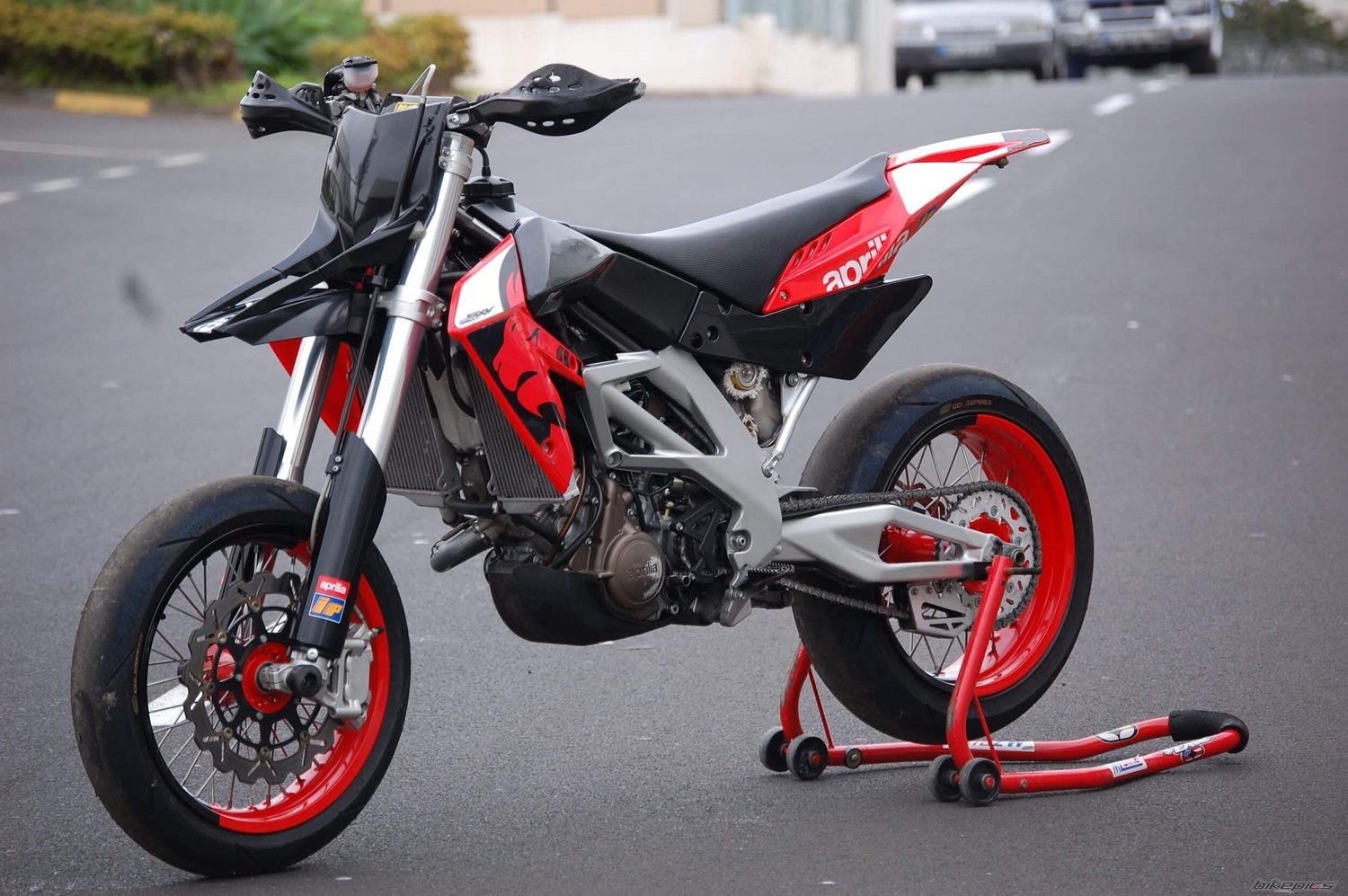
Credit: www.dirtlegal.com
Frequently Asked Questions
Is It Legal To Ride Dirt Bikes On The Street In Texas?
Riding dirt bikes on Texas streets is generally illegal. They lack the necessary safety features for street use. Some exceptions exist if you modify the bike to meet street-legal requirements. Always check local laws for specific regulations and requirements before riding on public roads.
What Happens If You Get Caught Riding A Dirtbike On The Street?
Riding a dirtbike on the street can result in fines or impoundment. Police may issue tickets for illegal riding. Compliance with local laws is crucial to avoid penalties. Insurance rates might increase, and repeated offenses could lead to harsher consequences.
Always ride where it’s legal and safe.
Can I Ride My Dirt Bike Around My Neighborhood?
Check local laws before riding a dirt bike in your neighborhood. Some areas have noise and safety regulations. Always prioritize safety and consider neighbors’ concerns. Using designated trails or off-road areas might be a better option to avoid issues.
Can Dirt Bikes Go On Normal Roads?
Dirt bikes can ride on normal roads if street legal requirements are met. They need mirrors, lights, and registration. Check local laws before riding to ensure compliance. Riding without proper modifications and permits may lead to fines or legal issues.
Always prioritize safety and legality on public roads.
Conclusion
Riding dirt bikes on Texas roads comes with rules. Know the legal requirements first. Check if your bike meets street standards. Lights, mirrors, and license plates are often needed. Safety gear matters too. Helmets and protective clothing keep you safe.
Local laws vary, so research your area. Following these steps can ensure a smooth ride. Remember, respecting traffic laws is crucial. It keeps you safe and avoids fines. Explore Texas roads responsibly. Enjoy the thrill of riding legally. Always prioritize safety and legal guidelines.
Happy riding!