
Have you ever unzipped your sleeping bag after a weekend in the wilderness, only to be greeted by less-than-pleasant odors or mysterious stains? If so, you’re not alone.
Whether you’re an experienced camper or a newbie adventurer, knowing how to properly wash your sleeping bag is crucial. It’s not just about hygiene; it’s about extending the life of your gear and ensuring each future sleep under the stars is as cozy as the first.
Imagine slipping into your sleeping bag, enveloped in freshness, and drifting off without a care. You deserve that kind of comfort every time. Dive into our guide, and discover how simple steps can make all the difference in your outdoor experience.
Types Of Sleeping Bags
Washing sleeping bags requires gentle care to maintain their quality. Use a front-loading machine or hand wash to avoid damage. Air-dry thoroughly to preserve insulation and shape.
Washing sleeping bags can seem daunting, but understanding the type of sleeping bag you have is crucial for proper care. Different materials require different cleaning methods to maintain their effectiveness. Let’s explore the two main types of sleeping bags: down and synthetic.Down Sleeping Bags
Down sleeping bags are known for their exceptional warmth and lightweight characteristics. They are filled with the soft feathers from ducks or geese, making them an excellent choice for cold weather camping. However, they require a bit of extra care when washing. To maintain the loft and insulating power of down, use a gentle detergent specifically designed for down products. Avoid regular detergents as they can strip the natural oils from the feathers. Consider using a front-loading washing machine or hand washing to prevent damaging the delicate filling. After washing, dry your down sleeping bag with a few clean tennis balls to help fluff up the feathers. Have you ever tried drying a down sleeping bag without tennis balls? It can end up looking like a flat pancake!Synthetic Sleeping Bags
Synthetic sleeping bags are made from man-made fibers and are generally easier to care for than down bags. They tend to dry faster and retain insulation even when wet, making them a practical choice for damp conditions. You can wash synthetic sleeping bags with a regular mild detergent. They can typically handle more agitation, so using a standard washing machine is usually fine. Drying synthetic bags is simpler too. You can air dry them or use a dryer on a low heat setting. Just be sure to check the care label. Ever left a synthetic bag too close to a heater? It’s an easy mistake that can lead to melted fibers—something you definitely want to avoid! Understanding the type of sleeping bag you own can make washing it much more straightforward. By following these specific tips, you can ensure your sleeping bag lasts longer and keeps you cozy on every adventure. So, which type of sleeping bag do you have?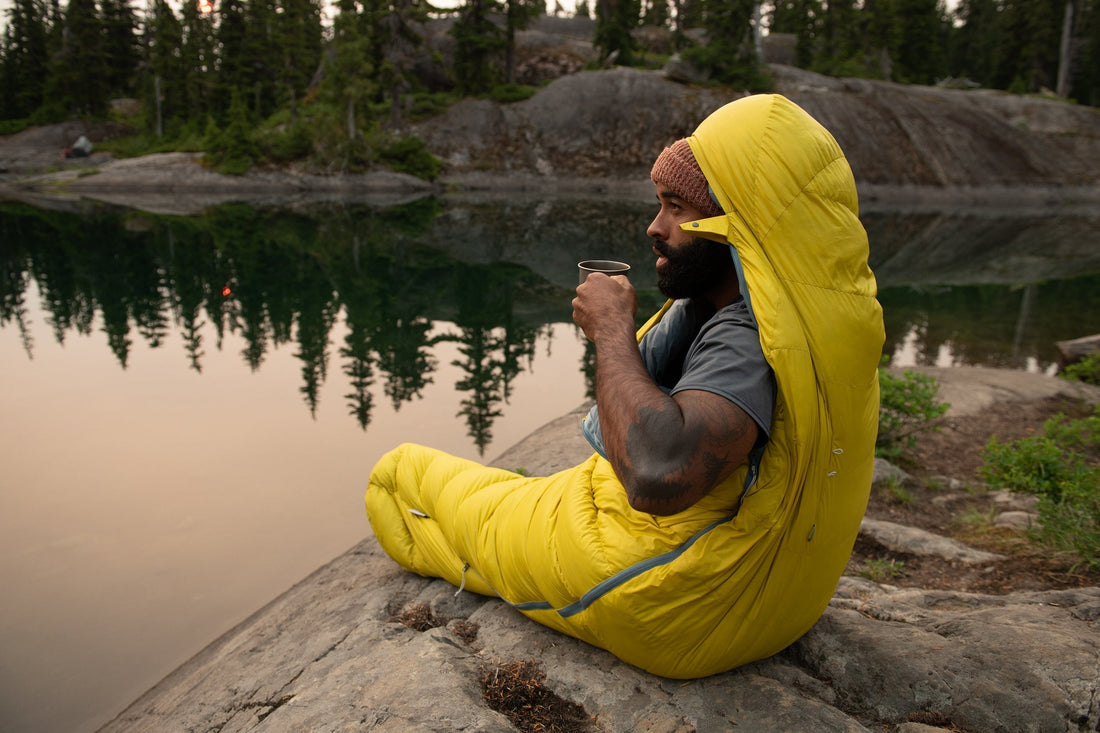
Credit: cascadedesigns.com
Preparation For Washing
Gently shake out loose dirt and debris from the sleeping bag. Close all zippers and fasteners before washing. Use a mild detergent and a front-loading washer for best results.
Preparing your sleeping bag for a wash may seem like a simple task, but taking the right steps can make a world of difference. You want to preserve its warmth and comfort while ensuring it stays in good condition for many adventures to come. Proper preparation involves understanding the material, gathering the right supplies, and following specific guidelines.Check The Care Label
Before you do anything, look for the care label on your sleeping bag. This small tag holds crucial information about how to wash and dry your sleeping bag properly. Whether it’s machine washable or requires hand washing, the label will guide you in choosing the right method. Have you ever ignored care instructions and regretted it? Avoid mishaps by taking a few seconds to read the label.Gather Necessary Supplies
Once you know how to wash your sleeping bag, it’s time to gather the supplies you’ll need. Here’s a quick checklist:- Mild detergent (specific for down or synthetic sleeping bags)
- Large front-loading washing machine
- Bathtub (for hand washing)
- Dryer with low heat setting
- Tennis balls or dryer balls (for fluffing)
Hand Washing Techniques
Gentle cleaning is key to washing sleeping bags. Use mild detergent and lukewarm water for hand washing. Rinse thoroughly and dry flat, avoiding direct sunlight.
Hand washing your sleeping bag can be an excellent way to extend its life and maintain its quality. While it may sound time-consuming, it’s often the best choice for delicate materials or when you want to give your sleeping bag some extra TLC. But how exactly do you go about washing it by hand without causing any damage?Choosing The Right Detergent
The first step is selecting a detergent that is gentle yet effective. Opt for a mild, non-bio detergent designed for delicate fabrics. Products specifically meant for outdoor gear are ideal. Avoid using regular laundry soap as it can be too harsh and leave residues. Look for detergents labeled as biodegradable to ensure they are environmentally friendly.Steps For Hand Washing
– Preparation: Start by unzipping your sleeping bag fully and giving it a good shake to remove any loose dirt or debris. – Fill a Tub: Use a bathtub or large basin with lukewarm water. Ensure the water is not too hot as it can damage the fabric. – Add Detergent: Pour in the appropriate amount of detergent and swirl the water gently with your hand to mix it evenly. – Submerge the Sleeping Bag: Place the sleeping bag in the water, making sure it is fully submerged. Gently knead the fabric with your hands to work the detergent through the material. – Soak: Let it soak for about 15-30 minutes. This helps in breaking down any dirt and oils trapped in the fabric. – Rinse Thoroughly: Drain the soapy water and refill the tub with clean water. Rinse the sleeping bag multiple times until the water runs clear, indicating all detergent has been removed. – Gently Press Out Water: Avoid wringing or twisting the fabric as it can damage the insulation. Instead, press down gently to remove excess water. – Drying: Lay the sleeping bag flat on a clean surface or hang it up to air dry. Ensure it is completely dry before storing to prevent mold and odors. Hand washing allows you to pay attention to areas that might need extra care, such as spots that are more soiled than others. Have you ever noticed how much more rewarding it feels to care for your gear personally? By following these steps, you ensure that your sleeping bag remains in top condition, ready for your next adventure.Machine Washing Guidelines
Select a gentle cycle for washing sleeping bags. Use mild detergent to maintain fabric quality. Air dry or tumble dry on low heat for best results.
Washing sleeping bags can be a daunting task, especially when you want to ensure longevity and maintain quality. Machine washing, while convenient, requires careful consideration to avoid damaging delicate fabrics and insulation. Follow these guidelines to keep your sleeping bag in top shape without sacrificing its warmth and comfort.Selecting The Proper Cycle
Choosing the right washing cycle is crucial. A gentle or delicate cycle is often recommended for sleeping bags. This minimizes the agitation and potential wear on the fabric. If your machine has a dedicated setting for outdoor gear, opt for it. Avoid using high-speed spin cycles, as they can distort the filling and cause it to clump. Instead, select a lower spin speed to ensure even distribution and maintain the integrity of the insulation. Consider washing your sleeping bag with other similar items like blankets to prevent it from tangling or twisting excessively during the wash.Handling Delicate Fabrics
Sleeping bags often feature delicate materials that require special attention. Use a mild detergent that’s free from harsh chemicals or additives. This helps preserve the fabric’s texture and color. Avoid fabric softeners, as they can coat the fibers and reduce the loftiness of the insulation. Instead, focus on using products specifically designed for washing outdoor gear. If you’re unsure about your sleeping bag’s material, read the care label. It provides valuable insights into the fabric type and washing instructions, ensuring you treat your sleeping bag with the care it deserves. Have you ever considered the impact of your washing habits on the lifespan of your gear? Keeping these guidelines in mind not only maintains your sleeping bag’s functionality but also enhances your outdoor experience by ensuring comfort in every adventure.Drying Methods
Drying sleeping bags properly is essential to maintain their loft and warmth. Air drying is effective, ensuring the bag is spread out evenly, while a low-heat dryer can speed up the process. Use clean tennis balls to fluff the bag, preventing clumping during the drying cycle.
Drying your sleeping bag properly is just as crucial as washing it. A well-dried sleeping bag ensures longevity and maintains its insulating properties. There are a couple of methods you can use to dry your sleeping bag, each with its own set of tips and precautions.Air Drying Tips
Air drying is a gentle way to dry your sleeping bag and helps prevent damage to the fabric and insulation. Find a well-ventilated area, preferably outdoors, where you can hang your sleeping bag. Use a clothesline or a drying rack to allow air to circulate freely. Ensure the bag is spread out evenly to avoid clumping of the insulation. Flip the bag occasionally to speed up the drying process and prevent mildew. Do you have a sunny day? That’s perfect, but be cautious of direct sunlight for prolonged periods, as it can degrade the fabric over time.Using A Dryer Safely
If you choose to use a dryer, set it to a low heat setting. High heat can damage the synthetic or down filling. Add a few clean tennis balls or dryer balls to the load to help fluff the sleeping bag as it dries. Check the bag periodically to avoid overheating. This also allows you to redistribute the filling evenly. Have you ever pulled out a sleeping bag only to find it smelling burnt or feeling lumpy? Avoid that by sticking to gentle cycles and being patient with the process. Choosing the right drying method can significantly impact the longevity of your sleeping bag. Whether you opt for air drying or using a dryer, attention to detail and a bit of patience will ensure your sleeping bag is ready for your next adventure.
Credit: www.halfwayanywhere.com
Maintaining Sleeping Bags
Maintaining sleeping bags extends their life and ensures comfort. Proper care keeps them clean and functional. This guide helps you keep your sleeping bags in top shape. Follow these simple steps for lasting performance.
Regular Cleaning Schedule
Establishing a regular cleaning schedule is essential. Wash your sleeping bag every season. Use a gentle detergent to avoid damage. Hand wash or use a front-loading machine. Dry it thoroughly before storage. This prevents mildew and keeps it fresh.
Storage Best Practices
Proper storage is vital for sleeping bags. Avoid compressing them for long periods. Use a large, breathable storage sack. This helps maintain loft and insulation. Store them in a cool, dry place away from sunlight. This prevents fading and material breakdown.
Common Mistakes To Avoid
Washing sleeping bags requires careful attention to detail. Many people make common mistakes that can damage the bag or reduce its lifespan. Understanding these errors can help keep your sleeping bag in top condition for years.
Using Harsh Chemicals
Harsh chemicals can break down the fabric and ruin insulation. Opt for mild detergents that are designed for delicate fabrics. Avoid bleach and strong stain removers. They can cause irreversible damage to the sleeping bag’s material. Choose a gentle soap and rinse thoroughly to protect the integrity of the fabric.
Improper Drying Techniques
Improper drying can lead to mold growth or clumping of insulation. Avoid high heat settings in the dryer, which can melt synthetic fibers. Air drying is the safest method to prevent damage. Hang the sleeping bag in a well-ventilated area. Ensure it is completely dry before storage to prevent mildew. Fluff it regularly as it dries to maintain even distribution of insulation.
Expert Tips For Longevity
Sleeping bags are essential for outdoor adventures. Keeping them in top condition ensures a comfortable night’s sleep. Expert tips can help extend their lifespan, preserving warmth and comfort. Proper care not only maintains their quality but also enhances their performance. Let’s explore ways to protect and repair your sleeping bags.
Preserving Insulation
Insulation is crucial for warmth. To preserve it, use a gentle wash cycle. Avoid high heat, which can damage fibers. Air drying is best for maintaining fluffiness. Store your sleeping bag loosely in a dry place. This prevents compression and keeps insulation intact. Regularly shake the bag to distribute filling evenly.
Repairing Minor Damages
Minor damages are common. Address them quickly to prevent further issues. Small tears can be fixed with fabric patches. Use a needle and thread for stitching. For zippers, check alignment and lubricate with wax. Replace broken sliders to ensure smooth operation. Inspect seams regularly for wear and tear.
:quality(100))
Credit: www.ellis-brigham.com
Frequently Asked Questions
Can I Put A Sleeping Bag In The Washing Machine?
Yes, you can wash a sleeping bag in the machine. Use a gentle cycle with cold water and mild detergent. Avoid fabric softeners. Dry it on low heat or air dry. Always check the manufacturer’s instructions for specific care recommendations.
Proper washing ensures durability and maintains insulation.
Do I Wash A Sleeping Bag Zipped Or Unzipped?
Wash a sleeping bag unzipped. This ensures thorough cleaning and prevents damage. Use a gentle cycle and mild detergent. Avoid fabric softeners to maintain insulation. Always check the care label for specific instructions. Dry it flat or hang it to preserve its shape and function.
Do You Wash A Sleeping Bag Inside Out?
Wash a sleeping bag inside out to protect the outer fabric and ensure thorough cleaning. Use a gentle detergent and cold water. Follow the care instructions on the label for best results. Dry it on low heat or air dry to maintain its quality and insulation.
How Often Do You Need To Wash A Sleep Sack?
Wash a sleep sack every 1-2 weeks to maintain hygiene. Consider washing it sooner if it gets dirty. Regular cleaning helps prevent odors and bacteria buildup. Always follow the care instructions on the label for best results. Use gentle detergent to protect fabric and maintain its softness.
Conclusion
Taking care of your sleeping bag is important. Proper washing keeps it fresh. Always check the label for washing instructions. Use mild soap for cleaning. Air drying is best for preserving quality. Regular washing prevents buildup of dirt and oils.
Clean sleeping bags offer better comfort and warmth. Store it properly to keep it in good shape. Follow these tips for a long-lasting sleeping bag. Maintain your gear for future adventures. A clean sleeping bag means happy camping. Enjoy restful nights under the stars!