
Ever found yourself struggling to make perfect solder joints, only to realize your soldering iron’s temperature might be the culprit? You’re not alone.
Getting the temperature just right can be the key to mastering the art of soldering, whether you’re tackling electronics repairs, DIY projects, or intricate crafts. Knowing the optimal temperature can transform your soldering experience from frustrating to flawless. In this guide, you’ll discover the ideal temperature settings that can enhance your skills, improve your results, and save you from countless headaches.
Let’s dive into how you can make your soldering projects smoother and more successful than ever before.
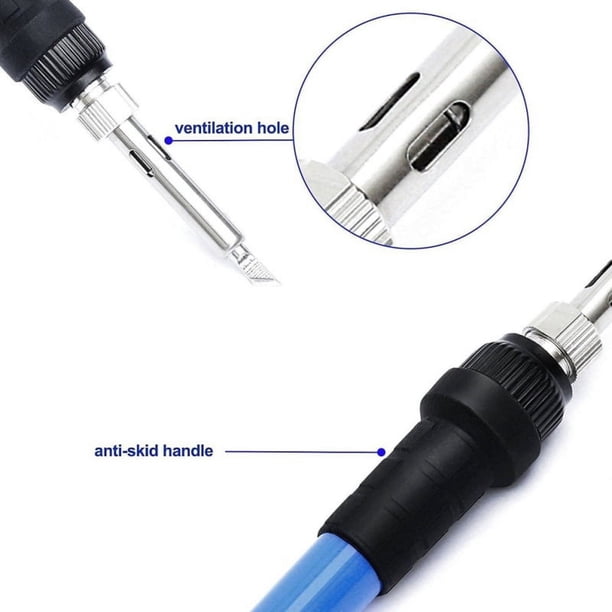
Credit: www.walmart.ca
Choosing The Right Temperature
Choosing the right temperature for your soldering iron is essential for effective soldering. Generally, a range between 350°C to 400°C works well for most tasks, ensuring proper melting without damaging components.
Choosing the right temperature for your soldering iron is crucial. It affects the quality of your soldering work. A temperature that’s too low can lead to poor solder joints. On the other hand, a temperature that’s too high can damage components. Finding the ideal temperature is key for successful soldering.Understanding Material Types
Different materials require different temperatures. For example, soldering copper needs higher heat. In contrast, delicate components need lower temperatures. Knowing your material helps in setting the right temperature.Importance Of Temperature Control
Temperature control is essential. It prevents overheating of sensitive parts. A soldering iron with adjustable heat settings is useful. This helps in maintaining the perfect temperature for various tasks.Recommended Temperature Range
Generally, the recommended range is 350°C to 400°C. This range works well for most electronics. For sensitive components, lower temperatures are preferable. Check the specifications for exact temperature needs.Using Temperature Settings Effectively
Use the temperature settings wisely. Start with a lower temperature, then increase if needed. This helps in avoiding damage to parts. Practice on scrap pieces to get comfortable with adjustments.Signs Of Incorrect Temperature
Incorrect temperature leads to visible issues. Cold solder joints are a common problem. They appear dull and weak. Overheating can burn the board or components. Monitor these signs to adjust the temperature accordingly.
Credit: www.youtube.com
Factors Influencing Temperature Settings
Setting the right temperature for a soldering iron depends on several factors. Consider the type of solder, the components involved, and the soldering technique. Proper temperature ensures strong connections without damaging sensitive parts.
Factors Influencing Temperature Settings Setting the right temperature for your soldering iron is crucial. It ensures a strong, reliable joint without damaging components. Several factors influence the ideal temperature setting. Understanding these factors can help achieve the best results.Type Of Soldering Task
Different soldering tasks need different temperatures. For small electronic repairs, a lower temperature might suffice. Larger tasks, like soldering metal pipes, require higher heat. The task size impacts the amount of heat needed.Type Of Solder
The type of solder used also affects temperature settings. Lead-free solder generally requires higher temperatures than leaded solder. This is due to its higher melting point. Knowing the solder type helps in setting the right temperature.Component Sensitivity
Component sensitivity is another key factor. Delicate components can get damaged by excessive heat. Use a lower temperature for sensitive parts. Always check the manufacturer’s guidelines for specific components. This ensures safety and effectiveness.Common Temperature Ranges
Setting the right temperature for your soldering iron is essential. Different tasks require different heat levels. Let’s explore the common temperature ranges for various applications.
Electronics Soldering
Electronics soldering typically needs lower temperatures. Most components require around 350°C (662°F). This prevents damage to sensitive parts. Using a temperature-controlled soldering iron helps maintain the right heat.
Plumbing Applications
Plumbing soldering demands higher temperatures. Pipes and fittings require about 450°C (842°F). This ensures strong, watertight joints. Always check the solder type for recommended heat levels.
Jewelry Making
Jewelry making uses varying temperatures. Silver and gold need around 650°C (1202°F). Lower temperatures might be suitable for delicate pieces. Adjusting heat levels carefully avoids material damage.
Temperature Adjustment Techniques
Setting the right temperature for a soldering iron is crucial for effective soldering. Typically, a range of 350-400°C works for most tasks. Adjusting the heat based on the specific material can ensure strong and reliable joints.
Temperature adjustment techniques are vital for precision soldering. Setting the right temperature ensures strong connections and avoids damage. Understanding how to adjust temperature effectively can enhance your soldering skills. Let’s explore some methods.Using Variable Temperature Soldering Irons
Variable temperature soldering irons offer flexibility. You can control the heat for different tasks. This feature is handy for various soldering jobs. Adjusting the knob lets you set the desired temperature. It’s simple and effective. Beginners and experts alike benefit from this tool.Manual Adjustments
Manual adjustments require attention and practice. Start by understanding your soldering iron’s specifications. Use a thermometer for precise readings. Adjust the temperature based on the material. Higher temperatures work for larger components. Lower temperatures suit delicate tasks. Practice makes perfect in manual adjustments.Avoiding Common Mistakes
Setting the correct temperature for your soldering iron is crucial to avoid common mistakes. Too hot can damage components; too cold may result in weak connections. Aim for a temperature between 350°C to 400°C for general soldering tasks.
Avoiding common mistakes with soldering iron temperature is essential. Proper temperature settings prevent damaging components. They ensure secure connections. Let’s explore how to avoid typical errors.Overheating Components
Setting the soldering iron too hot can damage parts. Sensitive components may burn out. This leads to costly replacements. Use moderate temperatures to preserve electronics. A temperature between 315°C and 340°C is often ideal. Check the specifications of your components. This helps find the right heat level. Use a heat sink if needed. It protects sensitive parts from excess heat.Cold Solder Joints
Cold solder joints occur with low temperatures. They create weak connections. These joints can cause circuit failures. Ensure the soldering iron is hot enough. Aim for a shiny, smooth joint. A dull finish indicates a cold joint. Hold the iron against the joint for a few seconds. This allows the solder to flow well. Practice improves technique and results.Safety Considerations
Selecting the correct temperature for a soldering iron is crucial for safety. High temperatures can damage components and pose a burn risk. Keep your workspace organized and wear protective gear to minimize hazards.
Safety considerations are crucial when setting the temperature of a soldering iron. Proper precautions ensure a safe and efficient soldering experience, reducing risks of burns and inhalation of harmful fumes. Understanding the necessary protective measures can help maintain a safe working environment.Protective Gear
Wearing protective gear is essential. Use safety goggles to shield your eyes from splashes and fumes. Gloves can protect your hands from burns. A heat-resistant apron guards against accidental contact with hot surfaces. Ensure clothing covers your skin to prevent burns.Workstation Safety
Organizing your workstation promotes safety. Keep flammable materials away from the soldering area. Ensure your soldering iron stand is stable, preventing accidental falls. Ventilation is crucial to disperse fumes. Use fans or open windows to maintain air quality. Keep a fire extinguisher nearby for emergencies.Expert Tips For Optimal Soldering
Soldering is an art that demands precision and understanding. Setting the right temperature on your soldering iron is crucial for achieving clean and reliable connections. But how do you perfect this skill? Let’s explore some expert tips that can help you master the craft of soldering.
Preheating Components
Preheating your components is an often overlooked step that can significantly improve your soldering quality. A cold component can draw heat away from the soldering area, leading to weak joints. Make sure to bring your components to a moderate temperature before applying solder. This practice not only ensures a better bond but also minimizes thermal shock, which can damage sensitive electronics.
Maintaining Clean Tips
Keeping your soldering iron’s tip clean is vital for optimal heat transfer. A dirty or oxidized tip can lead to inconsistent results and frustration. Regularly clean the tip with a damp sponge or brass wire cleaner to keep it shiny and efficient. A clean tip ensures that heat is evenly distributed, making your soldering process smoother and more predictable.
Have you ever experienced the joy of seeing your solder flow effortlessly onto a component? By following these expert tips, you can achieve that level of satisfaction every time. What other techniques have you found that improve your soldering skills? Share your insights and let’s build a community of soldering experts together!
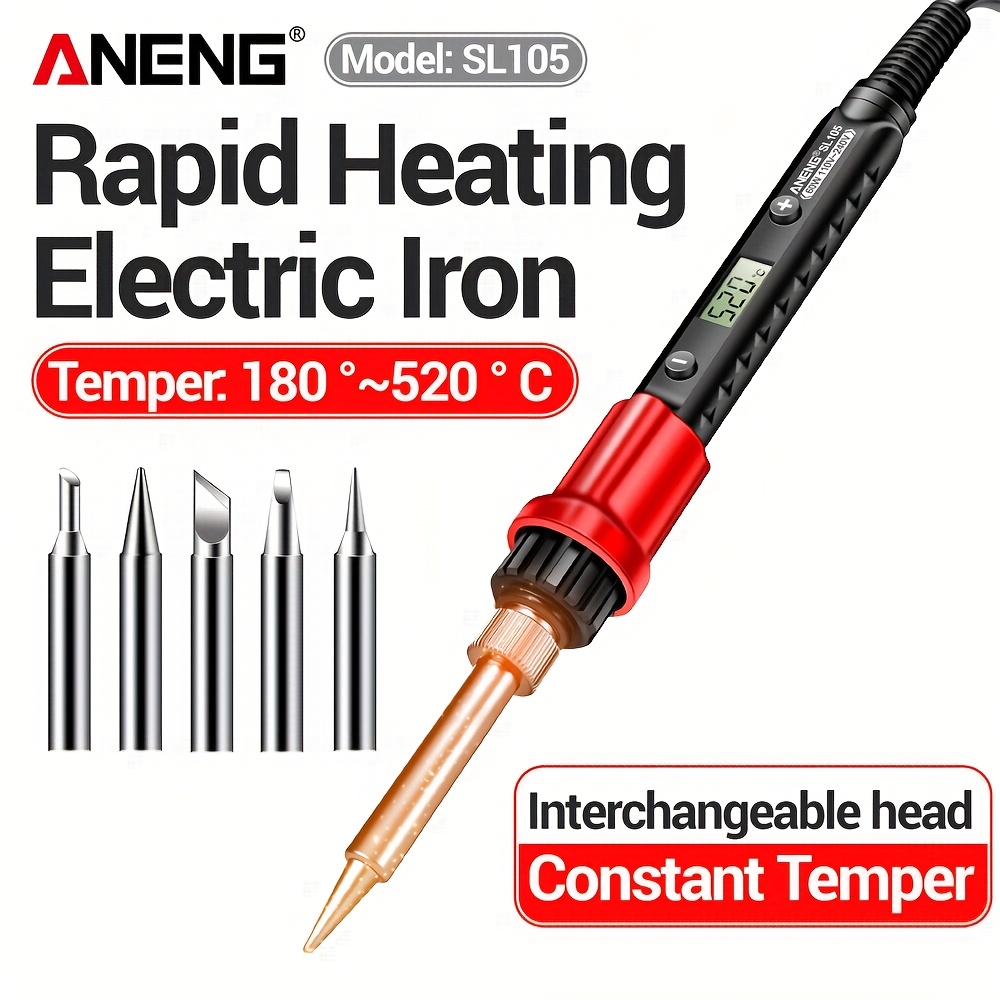
Credit: www.temu.com
Frequently Asked Questions
How To Tell If Your Soldering Iron Is Hot Enough?
Check if the solder melts instantly upon contact with the tip. Ensure the soldering iron heats up for 1-2 minutes. Observe the tip’s color change to a bright silver, indicating proper heat. Test on scrap material to ensure smooth solder flow.
Avoid overheating to prevent damage.
What Temperature Is 60-40 Lead Solder?
60-40 lead solder melts at approximately 361°F (183°C). It’s commonly used in electronics for its reliable melting point. This solder consists of 60% tin and 40% lead, providing good electrical conductivity and strong joints. Always use proper ventilation due to lead content.
Is 400c Good For Soldering?
400°C is generally suitable for soldering. It’s effective for most electronic components. Ensure the soldering iron is temperature-controlled for precision. Using the right soldering technique and materials is crucial. Always check the component’s specifications to avoid damage. Proper ventilation and safety measures should also be considered during soldering.
How Long To Heat A Soldering Iron?
A soldering iron typically heats up in 1-3 minutes. Ensure it’s plugged in securely for optimal heating. Check the indicator light or temperature gauge for readiness. Various models may have different heating times, so always refer to the manufacturer’s guidelines for accurate information.
Conclusion
Selecting the right soldering iron temperature is crucial. It ensures clean and strong connections. Too hot can damage components. Too cool might not melt solder properly. Most tasks need about 350°C to 400°C. Thicker wires require higher temps. Practice improves skill.
Always consider the material and components. Use a temperature-controlled soldering iron for precision. Experiment with settings to find what works best. Remember safety precautions. Proper technique extends tool life. Happy soldering!