
Do you love the rush of endorphins that comes with a good run but dread the nagging ache in your leg afterward? You’re not alone.
Many runners, whether they’re seasoned marathoners or those just starting out, experience leg pain post-run. But why does this happen? Understanding the reasons behind your discomfort can help you enjoy your runs without the worry of unnecessary pain. This article will delve into the common causes of leg aches after running and provide you with practical tips to prevent them.
Stick around to learn how you can keep your legs feeling strong and pain-free, run after run. Your next pain-free run could be just a few tips away!
Common Causes Of Leg Pain
Experiencing leg pain after running can be frustrating, especially when you’re trying to achieve your fitness goals. Understanding the common causes of leg pain can help you identify solutions and prevent future discomfort. Below are some insights into why your legs might ache after a run.
Muscle Fatigue
Muscle fatigue is a frequent cause of leg pain for runners. When you push your muscles beyond their usual limits, they tire and become sore. This can be especially true if you’re new to running or have recently increased your intensity or distance. Consider gradual progression in your training routine to allow your muscles to adapt and recover effectively.
Overuse Injuries
Overuse injuries occur when you repeat the same motion excessively without adequate recovery time. Conditions such as shin splints or stress fractures can arise, resulting in persistent pain. Pay attention to your body’s signals. If pain persists, it might be time to reassess your training plan and incorporate rest days to allow your body to heal.
Improper Footwear
Wearing improper footwear can significantly impact your running experience and contribute to leg pain. Shoes that don’t fit well or lack adequate support can lead to discomfort or injury. Invest in quality running shoes that offer good support and cushioning. Consider visiting a specialty store to get fitted correctly, ensuring your footwear matches your foot type and running style.
Have you ever wondered if changing your routine could alleviate your leg pain? Exploring these common causes might help you find the answers you need for a more enjoyable and pain-free running journey.
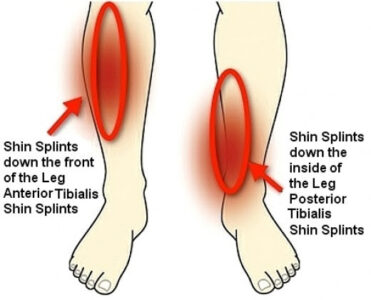
Credit: advancedorthosports.com
Role Of Running Form
Running form plays a crucial role in leg health. It affects how your body absorbs impact. Proper form helps distribute forces evenly. This reduces stress on specific areas.
Poor form can lead to muscle strain. It often causes joint and ligament issues. Understanding your form can prevent injuries. It ensures a comfortable run without pain.
Impact On Joints
Joints bear the brunt of running forces. Misalignment increases pressure on knees and ankles. Proper alignment reduces this stress. It helps joints move fluidly and safely.
Running with poor form can lead to joint pain. Over time, this can cause long-term damage. Focus on keeping joints aligned. It makes a big difference in comfort.
Stride Length And Frequency
Stride length affects your leg muscles. Too long a stride can strain them. It can also lead to overuse injuries. Keeping strides short can help prevent this.
Stride frequency is equally important. Quick, short strides reduce leg fatigue. They also help maintain energy levels. Adjusting stride can improve your running experience.
Influence Of Terrain And Surface
Uneven ground can strain muscles, leading to leg pain after running. Hard surfaces increase impact, causing discomfort.
Running can be a refreshing experience, but leg aches post-run can be bothersome. One key factor contributing to this discomfort is the terrain and surface you run on. Different surfaces impact your legs differently, influencing the stress they endure.Hard Vs. Soft Surfaces
Running on hard surfaces like concrete can be taxing. The impact from each step travels up through your legs. This can lead to muscle fatigue and joint pain. Hard surfaces provide less shock absorption, making your legs work harder. On the other hand, soft surfaces like grass or trails cushion each step. They reduce the impact on your legs, potentially decreasing post-run aches. Yet, they can be uneven, which may cause ankle strains.Inclines And Declines
Inclines require more effort as you run uphill. Your muscles must work harder, especially your calves and thighs. This extra exertion can lead to soreness after your run. Running downhill might seem easier, but it puts pressure on your knees and shins. The force of gravity increases the impact on your joints. This can result in pain and discomfort if not managed properly. It’s essential to balance your route to avoid excessive strain.
Credit: www.facebook.com
Preventive Measures
Preventing leg aches after running can make all the difference in your overall running experience. By taking proactive steps, you can keep discomfort at bay and enjoy a more fulfilling workout routine. These preventive measures can help you maintain healthy legs and enhance your running performance.
Warm-up And Stretching
A proper warm-up prepares your muscles for the physical demands of running. Consider dynamic stretches, such as leg swings or lunges, to get your blood flowing and joints ready.
Stretching post-run helps in muscle recovery and reduces soreness. Focus on stretches like calf raises and hamstring stretches to target the areas often affected by running.
Gradual Mileage Increase
Sudden jumps in your running distance can lead to muscle strain. Increase your mileage slowly, allowing your body to adjust to the new demands.
Try adding just 10% more distance each week. This gradual increase helps your muscles adapt, reducing the risk of aches.
Proper Shoe Selection
Wearing the right shoes can transform your running experience. Shoes with good arch support and cushioning reduce impact on your legs.
Visit a specialty store to get fitted for running shoes that suit your foot type. The right pair can prevent unnecessary stress on your legs.
Have you ever noticed how a small change can make a big difference? Implement these measures and see how your runs improve over time.
When To Seek Professional Help
Persistent leg pain after running may need a professional’s advice. Seek help if pain worsens or swelling occurs. Consulting a specialist can prevent further injury and ensure proper recovery.
When running leads to leg pain, it might seem like a temporary issue. But sometimes, persistent leg aches signal a need for professional advice. Knowing when to consult a healthcare expert can prevent further harm and ensure a speedy recovery.Persistent Pain
Pain persisting for more than a week needs attention. Occasional discomfort is normal, but ongoing pain isn’t. Continuous aches might indicate an underlying issue. Ignoring it could worsen the condition. Seeking help can provide clarity and relief.Signs Of Serious Injury
Certain symptoms suggest a serious injury. These include sharp pain or swelling that doesn’t subside. Bruising or a significant decrease in mobility is also concerning. If your leg feels unstable or you hear a popping sound, consult a doctor. Quick intervention can prevent long-term damage.Recovery And Treatment Tips
Experiencing leg aches after running is common. Rest and ice can help soothe sore muscles. Stretching and hydration also play vital roles in recovery.
After a long run, leg aches are common. Understanding recovery and treatment tips can help. These strategies ease discomfort and speed up healing. Let’s explore some effective methods.Rest And Ice
Rest is crucial for healing. Take a break from running to allow your muscles to recover. Applying ice reduces swelling and numbs pain. Wrap ice in a cloth and apply it to the sore area. Do this for 15-20 minutes, several times a day. It helps reduce inflammation and provides relief.Compression Techniques
Compression supports the muscles and decreases swelling. Use compression socks or bandages to apply gentle pressure. This improves blood flow and reduces muscle vibration. It can be especially helpful during rest periods. Ensure the compression is snug but not too tight. Proper compression aids in quicker recovery.Physical Therapy Options
Physical therapy offers targeted treatments. Therapists use exercises to strengthen muscles and improve flexibility. They may also use ultrasound or massage techniques. These methods reduce pain and prevent future injuries. Consulting a therapist can provide personalized care. It ensures your treatment aligns with your needs.Expert Advice On Running Techniques
Running is an invigorating way to stay fit, but it can sometimes result in leg aches that leave you wondering if you’re doing something wrong. Expert advice on running techniques can be invaluable in not just alleviating discomfort, but also enhancing your overall running experience. Let’s delve into some practical insights from seasoned professionals that might change the way you approach your runs.
Consulting Coaches
Consider seeking guidance from a running coach. These experts can pinpoint specific areas in your running style that may be contributing to your leg pain. Coaches often suggest adjustments in your posture or foot placement that seem minor but can make a significant difference.
Have you ever thought about how a simple change in your stride length could impact your leg health? A coach can provide you with personalized tips based on your unique body mechanics and running goals.
Don’t hesitate to ask questions during your sessions. Coaches are there to help you understand the nuances of running efficiently while reducing the risk of injury.
Gait Analysis
Gait analysis is a powerful tool for identifying improper running patterns. It involves a detailed examination of your walking and running movements, typically using video technology. This method highlights issues such as overpronation or underpronation, which are common culprits of leg pain.
Imagine discovering that a slight inward roll of your foot is what’s causing your discomfort. Gait analysis can reveal these subtle issues that you might not notice on your own.
After a gait analysis, you can work on specific exercises and techniques to correct any issues. Have you considered how adjusting your footwear based on gait analysis might improve your running experience?
Are you ready to implement these expert insights and run pain-free? Remember, small changes can lead to big improvements in your running journey.

Credit: www.facebook.com
Frequently Asked Questions
How Do I Stop My Legs From Hurting After Running?
Warm up before running and cool down afterward. Stretch your muscles, stay hydrated, and wear proper footwear. Include rest days and strengthen leg muscles to prevent soreness.
Should I Run If My Legs Are Still Sore?
Running with sore legs can worsen injuries. Rest and recovery are crucial for muscle repair. Consider light stretching or walking instead. Always listen to your body and consult a professional if pain persists. Prioritize health and avoid pushing through severe discomfort to prevent long-term damage.
How Long Do Legs Ache After Running?
Legs may ache for 24 to 72 hours after running due to muscle recovery. Staying hydrated and practicing gentle stretching can help alleviate soreness. If pain persists beyond three days, consider consulting a healthcare professional for advice. Rest and proper nutrition also aid in faster recovery.
Why Does Running Cause Leg Pain?
Running can lead to leg pain due to muscle overuse, strain, or poor form. Inadequate stretching before and after running can also contribute. It’s crucial to ensure proper footwear and gradually increase running intensity to prevent pain. Listening to your body and allowing rest can help alleviate discomfort.
Conclusion
Leg aches after running can be frustrating, but there are solutions. Listen to your body. Rest and recovery are key. Warm-up properly before each run. Stretching helps prevent muscle pain. Hydrate well to avoid cramps. Choose supportive footwear to protect your legs.
Gradually increase your running distance. Take breaks to prevent overuse injuries. Consult a doctor if pain persists. Remember, running should feel good. Don’t ignore discomfort. Stay proactive about your health. Enjoy your run without the worry of aches. Keep these tips in mind for a pain-free experience.
Embrace the joy of running once more.